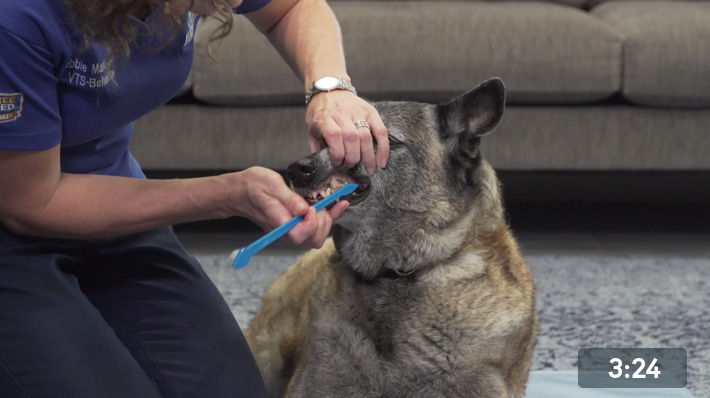
Mikkel Becker, CBCC-KA, KPA CTP, CDBC, CPDT-KA, CTC, and Debbie Martin RVT, CPDT-KA, KPA CTP, VTS (Behavior), explain how you can take the stressful task of brushing your pet’s teeth into something Fear Free for both of you.
Mikkel Becker, CBCC-KA, KPA CTP, CDBC, CPDT-KA, CTC, and Debbie Martin RVT, CPDT-KA, KPA CTP, VTS (Behavior), explain how you can take the stressful task of brushing your pet’s teeth into something Fear Free for both of you.
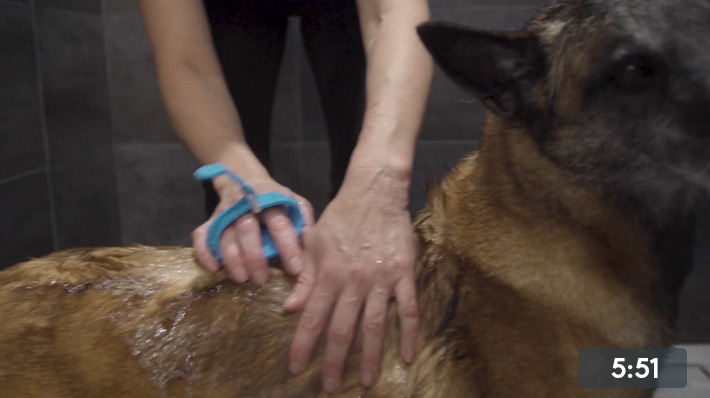
When just the word “bath” can set off your dog, you know something is wrong. Mikkel Becker, CBCC-KA, KPA CTP, CDBC, CPDT-KA, CTC and Debbie Martin RVT, CPDT-KA, KPA CTP, VTS (Behavior) show you how you can make bath time a rewarding and Fear Free experience for your pet.
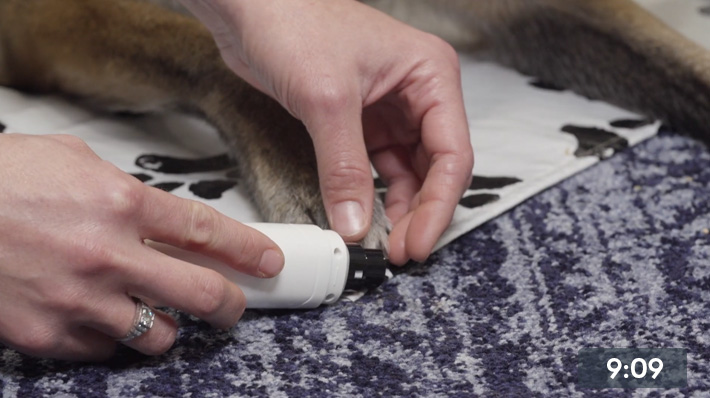
Mikkel Becker, CBCC-KA, KPA CTP, CDBC, CPDT-KA, CTC and Debbie Martin RVT, CPDT-KA, KPA CTP, VTS (Behavior) explain how Fear Free principles can be used to create a comfortable and safe nail trim experience for you and your pet.
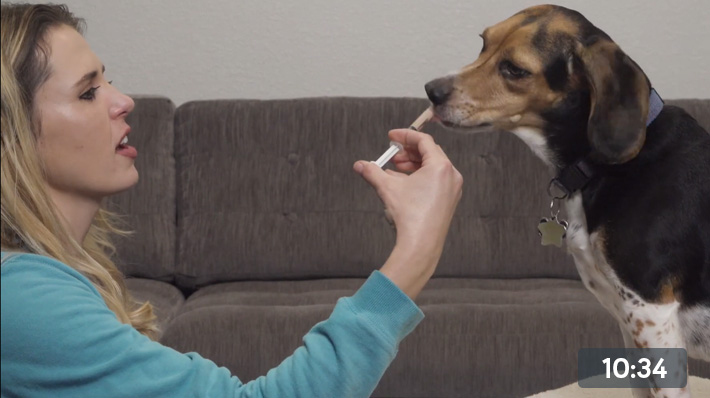
Just the idea of medicating your pet can send both of you running for the hills. Mikkel Becker, CBCC-KA, KPA CTP, CDBC, CPDT-KA, CTC and Debbie Martin RVT, CPDT-KA, KPA CTP, VTS (Behavior) explain how you can make this stressful task rewarding and Fear Free for both you and your pet.

Providing the Optimum Environment for Cats
Many behavior problems in cats develop due to our failure to provide them with their behavioral needs. This presentation with Valarie Tynes, DVM, DACVB, DACAW, will review the social structure of the cat and why multi-cat households can be so stressful. Recognizing these signs of stress and how to avoid their development be covered. In addition, a variety of tips for meeting the environmental and behavioral needs of the cat will be reviewed.
Brought to you by our friends at Ceva Animal Health
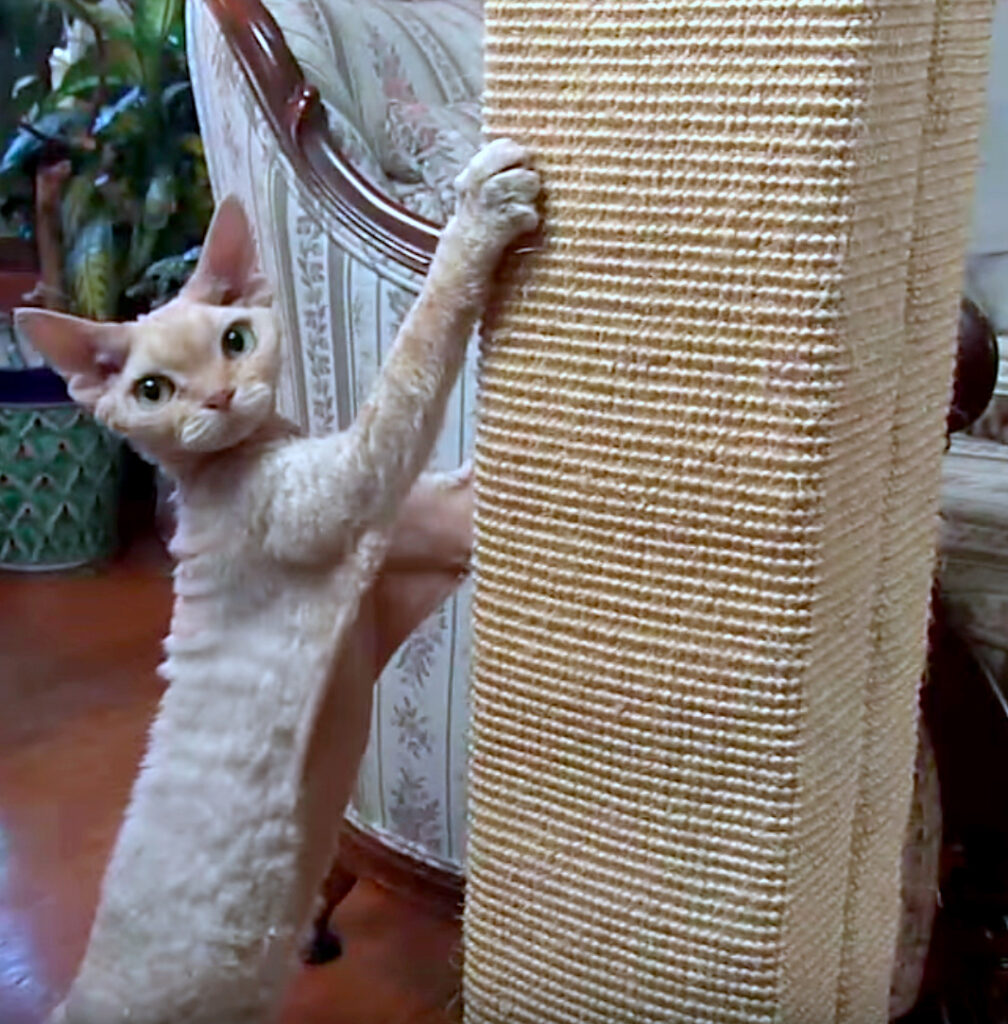
For clients, seeing a pet in pain is the worst. Cats are especially adept at masking pain, so when they actually show they are in pain, they are really hurting. That’s where we were with Roxy.
Gabapentin had been prescribed, but all it did was increase her catnap time. I consulted an expert. “Let me hold Roxy’s paw and we’ll slowly increase the dosage,” said Robin Downing, DVM, internationally renowned for her knowledge about pain in pets.
Dr. Downing consulted with my Chicago, Illinois-based primary care practitioner Natalie Marks, DVM, who welcomed Dr. Downing’s contribution.
Downing gradually upped the dose of the gabapentin, and her persistent yet measured effort appeared to bring results without an accompanying significant primary side effect of the drug: drowsiness.
“Multimodal is the best approach for osteoarthritis for nearly all cats,” Downing says. To that end, we began to employ a tool called an Assisi Loop, which uses targeted pulsed electromagnetic field technology to treat pain and decrease inflammation. That not only benefited Roxy’s osteoarthritis, but also had the potential to aid her GI issues. In addition, for arthritis I give her injections of Adequan.
That was in 2018 and Roxy clearly benefited from the collaboration between Drs. Downing and Marks and the multimodal approach. However, about a year ago, I noted that Roxy appeared to be struggling a tad more and asked Dr. Marks for further advice.
“The struggle we have as small-animal practitioners is that we only have certain pain medications that are safe and approved for cats as they age, and many are contraindicated for cats with other conditions,” Marks said. “Our goal for our patients is for them to have the best quality of life and to be as pain free as possible every day. The beauty of veterinary medicine today is that we have a variety of integrative therapies which are readily available, and I thought about medical massage therapy. And technology can deliver a way to demonstrate options as never before.”
She suggested I contact Rosemary LoGiudice, DVM, who is boarded in veterinary rehabilitation medicine and practices in Hanover Park, Illinois. She is at least an hour from my home, not to mention this was all happening at the height of the pandemic.
Marks said, “I think this may be the perfect use of telehealth. And I believe massage therapy may help.” Dr. LoGiudice agreed.
LoGiudice noted that ideally she would want to get her hands on Roxy to feel her flexibility and for heat in the joints. But she was able to communicate with Dr. Marks, who has known Roxy most of her life and had recently examined her.
Using my phone, I took video of Roxy moving in her own element from different angles as directed by LoGiudice, who says, “When I can see the dog, cat, or horse moving in a natural way, I can get a good feel for stride and how the joints are moving. Very few dogs and cats are going to show me in the exam room how they move at home.”
LoGiudice and I jumped on a Zoom show and tell call. Dr. LoGiudice held a plush dog in her lap. She showed me exactly what to do, where to do it and how much pressure to exert when offering massage therapy. Old-school written directions could never replicate Dr. LoGiudice demonstrating, and then watching me and directing me, “Move your hand slightly lower.”
I gradually spent more time every night massaging Roxy. Roxy not only didn’t fend off the nightly spa treatment, she began to request it. Even now, a year later, when I stop, she paws at my face demanding more.
That was no surprise to Downing. “If this was causing Roxy pain or discomfort, or Roxy didn’t enjoy it, she still moves well enough to walk away,” she says.
Watching video of Roxy two weeks after the start of the Dale Spa treatment, LoGiudice wasn’t surprised either by the effect of medical massage to slightly but noticeably increase Roxy’s mobility and interest in exploring or moving to whatever room my wife and I are in. Also, LoGiudice is now inspired by the idea of using video and video chat to support clients in a way she hadn’t previously considered.
Downing agreed. “There’s no substitute for being hands-on with our patients, and for office visits, but you can certainly observe more remotely than what is possible in an exam room. And to schedule time for a virtual lesson in medical massage therapy, acupressure techniques, or teaching animals how to stretch are only a few examples.”
From her perspective of having known Roxy for more than half her life, Dr. Marks says, “I absolutely saw a difference in Roxy. What I really loved about this collaboration isn’t only about considering integrative care, it’s about how veterinarians are being creative to help all involved, especially at this time. And right now, we do need to be creative. I hope this specific type of partnership and using technology in the way we did with Roxy becomes a model, sticking around long after the pandemic.”
This article was reviewed/edited by board-certified veterinary behaviorist Dr. Kenneth Martin and/or veterinary technician specialist in behavior Debbie Martin, LVT.

The “fear center” and the “pain center” occupy adjacent areas of the brain. The thalamus is the area of the brain that registers pain, and on either side of the thalamus is the limbic system, which is responsible for emotions including fear, anxiety, and the sequelae of stress (FAS).
These two areas of the brain “talk” to each other and send signals back and forth. The thalamus sending signals to the limbic system is what causes your reaction to hitting your finger with a hammer. When this thalamic-limbic crosstalk happens in an animal in acute pain, the animal may lash out at the owner or veterinary staff.
So now consider an animal who is in pain and has been presented to you. If experiencing acute pain, the animal may lash out due to a combination of pain and FAS. If experiencing chronic pain, many of these pets act dull and disinterested. The owner may even comment that the pet just doesn’t socialize and lacks the energy and mobility that she used to demonstrate. Even worse is the animal who has chronic pain, say from osteoarthritis, and now has an acute injury on top of it. The distress in some of these animals is almost too much to bear.
It is easy for us to recognize and treat acute pain, but the diagnosis of chronic pain states can be difficult for a variety of reasons. It takes time to take a thorough history and perform a complete pain exam on dogs and cats. However, there are many resources available to make that task easier, including pet owner-friendly screening checklists for osteoarthritis (Cat, Dog) and expert tips for the OA exam (feline OA exam).
Even with successful diagnosis, the treatment of chronic pain can sometimes be difficult especially if your treatment is narrow in focus. But it is essential to make a timely diagnosis of chronic pain and provide effective analgesia to be successful in therapy. And it is also important that the owner understands your diagnosis, whether through education alone or with the help of radiographs and teaching tools (feline and canine chronic pain). The owner is an essential member of the pain treatment team, both in the evaluation of treatments over time but also in enlisting them in the day to day therapies that might be required.
My approach to the treatment of chronic pain in dogs, for example, is to build a pyramid of treatments, and on the base layer I start with an NSAID. The NSAID I use most commonly is Rimadyl® (carprofen), which I really like for its effects on both pain and inflammation. For many chronic OA cases, there are other factors that can influence the ability to manage both pain and disease progression, and they should all be looked at.
For example, consider the animal next. Is he overweight? One study showed that in an obese dog, losing only about 10 percent of body weight can significantly improve lameness1. In other words, weight loss for an overweight dog can amplify the pain relief achieved with an NSAID alone
What about exercise? Again, one human study showed that one-half hour of exercise 5 days a week for people with knee OA was the equivalent of – you guessed it: an NSAID! So now you have tripled your pain-relieving efforts by building a solid foundation of multi-modal therapies, upon which you can add other therapies as needed.
It is beyond the scope of this writing to discuss all possible treatments: medications, physical therapy, acupuncture, and so forth, but I encourage everyone to read or re-read the 2015 AAHA Pain Management Guidelines for a thorough review of all of the pain management options we have for both acute and chronic pain.
What does the future hold for us? The most exciting thing I have seen on the horizon is the introduction of anti-NGF monoclonal antibodies. NGF, or Nerve Growth Factor, is one of several major “players” in the transmission of pain via the nociceptors. The use of these monoclonal antibodies holds great promise to reduce the sensation of pain in our patients with osteoarthritis. More information about the action of anti-NGF monoclonal antibodies can be found at the New Science of OA Pain website.
IMPORTANT SAFETY INFORMATION FOR RIMADYL: As a class, NSAIDs may be associated with gastrointestinal, kidney and liver side effects. These are usually mild but may be serious. Pet owners should discontinue therapy and contact their veterinarian immediately if side effects occur. Evaluation for pre-existing conditions and regular monitoring are recommended for pets on any medication, including Rimadyl. Use with other NSAIDs or corticosteroids should be avoided.
See full Prescribing Information at:
https://www2.zoetisus.com/content/_assets/docs/Petcare/rimadyl-prescribing-information.pdf
Reference:
This article was reviewed/edited by board-certified veterinary behaviorist Dr. Kenneth Martin and/or veterinary technician specialist in behavior Debbie Martin, LVT. Sponsored by our friends at Zoetis Petcare. ©2021 Zoetis Services LLC. All rights reserved RIM-00324

These battered bonds are often related to behavior problems such as destruction to the home, inappropriate elimination, and aggression. In a 2013 study by Jennifer Y. Kwan and Melissa Bain, 65 percent of owners relinquished pets for behavior reasons. This study also supported the use of positive reinforcement, finding that use of punishment-based methods resulted in less satisfaction with a pet’s behavior, which can be damaging to the bond.1
The word “repair” means to restore by replacing a part or putting together what is torn or broken or to restore to a sound or healthy state. How can we repair a nearly broken human-animal bond? The role of a veterinary technician or assistant can be crucial in mending and strengthening this bond.
A skilled veterinary behavior professional should be able to demonstrate the prescribed behavioral therapy plans, coach the client through them, and be flexible with both pet and owner learning styles.2 In my practice, I describe my role as “case manager”: the person with whom each client is in contact with most frequently. It is my job to relay information clearly and effectively to the veterinarian and be sure that the entire behavior team (veterinarian, trainer, and owner) are working toward the common goal of restoring the bond.
Counseling aspects of behavioral medicine and marriage/family therapy have many commonalities.3 One of the most profound similarities is how change occurs in the context of treatment. In behavior medicine, our clients may come in with negative thoughts, anger, and fears associated with their pet. The veterinary technician or assistant’s role in the behavior team is to change the emotional experience of the pet along with that of the pet owner. When a family walks into our practice and their pet has been displaying owner-related aggression, my first questions are the following:
The client needs to express their concerns if treatment is going to be attempted. Behavioral therapy is essential, but the context and triggers of the problem are less important until people can form a more positive association with the pet. After the veterinarian discusses the behavioral diagnosis, I typically break down the information in a more down to earth fashion so the entire family can understand the mental concerns their pet has developed. In this way, the family can begin to relate to the pet and see things through their eyes, and this can jump-start the process of rebuilding the bond.
A second similarity to human-based therapy is the difficulties and barriers associated with clients.4 Most of our clients walk into the consultation room and expect to be told they did something wrong. They may be defensive, anxious, and closed off, reluctant to give a detailed behavioral history, which can impact treatment.
Sometimes clients are fearful about sharing a pet’s aggressive behaviors because they do not want to euthanize their pet. They feel as if they will be judged and forced to make an unwanted decision. One of my strongest skills as a behavior team member is gaining the trust of clients and building a strong rapport early on. I want each client and pet to have a wonderful experience with our clinic, but I also want to have a strong connection with that client, share empathy, and understand each issue from their perspective.
Clients may be at the end of their rope, but usually there is an inch of that rope left to work with. I think of the rope as the bond between owner and pet. Hang on to that tiny piece as it is still technically intact! Each client walks into the practice for a reason even if there is only a tiny strand of the bond remaining. If you can open them up, connect, and gain their trust, you can begin to reshape the negativity they feel toward their pet and repair the relationship.
One of the most important terms when repairing the human-animal bond is “empathy,” the ability to have a deep emotional understanding of another’s feelings and experiences.5 For veterinary behavior team members, this ability is crucial for success with any client or patient. They should be able to identify and empathize with the fear and anxiety the pet and client may be experiencing. This is the first step in modifying the behavior of both. Psychologist Marshall Rosenberg stated it best: “When we understand the needs that motivate ourselves and others’ behaviors, we have no enemies.” 6
I think this is important to recognize when working to rebuild or strengthen a human-animal bond. It is important for the client and veterinary behavior team to see things from the pet’s perspective. The client can then learn that the pet is not their enemy. The pet is not performing these behaviors to spite them. The pet is fearful, stressed, or anxious and may be trying to keep themselves safe. Being able to take a walk in someone else’s shoes, or paws, is a vital step in deepening the human-animal bond.
Mending the human-animal bond is not an easy task. It takes the expertise of a strong, educated, and skilled veterinary behavior team to even begin to reunite and mend the connection between client and pet. When working in a general practice, any sign that the human-animal bond is deteriorating between a client and patient should be brought to the team’s attention so the veterinarian can make a referral to a veterinary behavior practice.
As veterinary team members, we all want to save the lives of pets. This begins with keeping a strong bond between client and pet. Giving appropriate, science-based recommendations on training and behavioral therapy can be the first step in this process, starting with puppy and kitten visits. If we all work toward a common goal, we can make a difference.
References:
2-6. Shaw K. Julie, Martin Debbie. Canine and Feline Behavior for Veterinary Technicians and Nurses. 1st edition. John Wiley; 2015.
This article was reviewed/edited by board-certified veterinary behaviorist Dr. Kenneth Martin and/or veterinary technician specialist in behavior Debbie Martin, LVT.
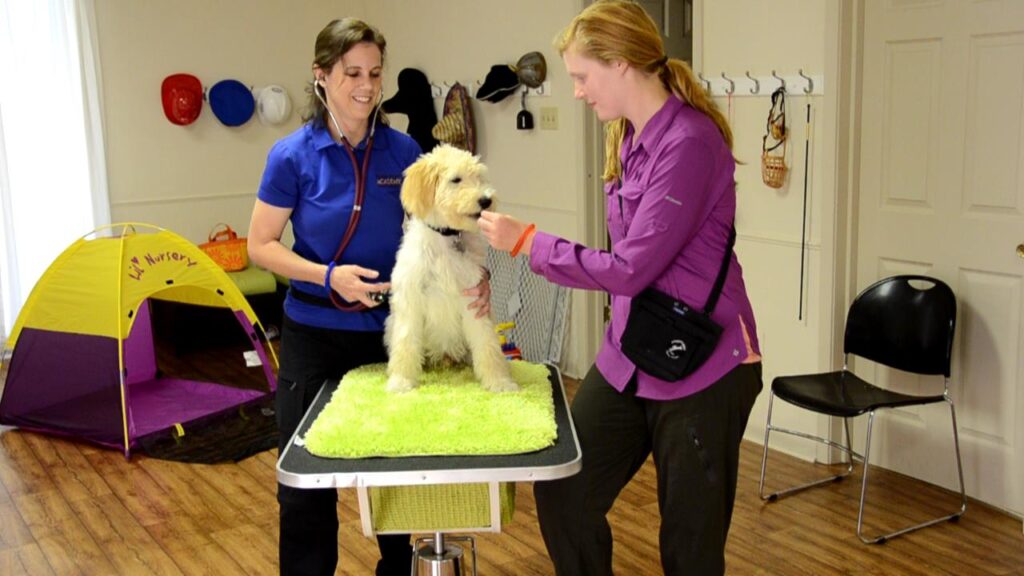
In research published in Journal of the American Veterinary Medical Association in November, 32 dogs underwent a standardized exam consisting of examination of the head, palpation of lymph nodes and body, axillary temperature measurement, heart rate assessment, and respiratory rate assessment. The exams were recorded on video under two conditions, with owners present or absent. Behaviors indicating fear were assessed, including reduced posture, avoidance, escape, lip licking, body shaking, yawning, and vocalizing; physiological measures were also taken.
Based on their findings, researchers concluded dogs were less stressed when the owner was present during the exam.
“When the owners were allowed to be present with their dogs, they did have more reduced fear levels: reduced vocalizations and reduced temperature, and we also saw some female dogs had lower heart rates when they were with their owners,” says coauthor Anastasia C. Stellato. “So our results show that, if possible and if it’s appropriate for that client, to allow owners to be in the exam room could have a beneficial impact.”
Owner presence didn’t eliminate fear: more extreme responses, such as attempting to escape, were the same in both groups, despite the superficial nature of the exam. “It’s important to keep in mind that the exam we conducted was very passive,” says Stellato. “It was on the ground, they had a traction mat, we didn’t even use rectal temperature, and yet we still saw those fearful responses.”
So while those reactions indicated that the dogs would have preferred to avoid the exam, owner presence apparently allowed them to tolerate it somewhat better.
The study found an age difference in that older dogs lip-licked less than younger dogs when their owner was present. It’s possible that this was the result of a stronger bond developed over the years, but since length of ownership was not recorded, this remains a hypothesis for further investigation.
One finding that was surprising to the researchers was that owner-present dogs yawned more. Yawning is a complex behavior in dogs, so this result is difficult to interpret. “It was contrary to our expectation, so it requires further investigation,” says Stellato.
On the whole, the results suggest that when possible, allowing the owner to be present can be a simple way to reduce stress.
Veterinary behaviorist Karen van Haaften, senior manager of behaviour and welfare at British Columbia SPCA, says: “I think it’s a nicely designed study. It’s randomized and controlled, which is nice to see in a clinical study. I personally am not surprised by the results of this paper, but I think it’s really useful information for both veterinarians and pet owners to know, and I think it’s a timely one to consider, because during COVID, most vets are not allowing pet owners into the hospital.”
Even after the pandemic is over, pets will still need to be separated from their owners sometimes, so ways to mitigate the stress of this experience need to be considered. Van Haaften says: “When I read this, I’m asking myself, why are we seeing this response? Is it the social support — the bond that the pet has with the owner — that is reassuring to them? Or is the lack of familiarity? They don’t see anything in this clinic environment that feels familiar to them. Probably it’s both, but if the second, we can work on that.”
When pets do need to be separated from their owner, she says, consider how to include things familiar to the pet in the experience.
“We can interact with them in the way that we see that the owner does – use cues the owner uses, use training that they already know, walk them in on equipment that’s familiar, maybe bring something familiar from the owner into the room with them.”
Post-pandemic, we can return to the idea that familiarizing pets with the clinic in advance; for instance, dropping in simply to get some treats and meet friendly people. “If you do that a couple times a week they’re going to love going into the clinic — now it’s a familiar place where good things happen to them.”
And in some cases, a very little bit of familiarization right before an exam can make a big difference. “For some dogs, it doesn’t take that long to bond with a person,” van Haaften says. “If a technician or someone spends five minutes feeding cookies, performing trained cues with a dog, suddenly, now they’re good friends, and the dog has a familiar person they can go into the clinic with.”
Some clinics are doing exams outdoors for pets who are stressed inside the clinic, which can allow the owner to be nearby and this might be worth continuing for some pets as well. In general, van Haaften recommends flexibility and attention to individual differences.
“Behavior during vet exams is really complicated, and different techniques are going to work with different animals,” she says. “Be creative, be willing to be flexible about how you do exams to give your patients the best experience.”
This article was reviewed/edited by board-certified veterinary behaviorist Dr. Kenneth Martin and/or veterinary technician specialist in behavior Debbie Martin, LVT.
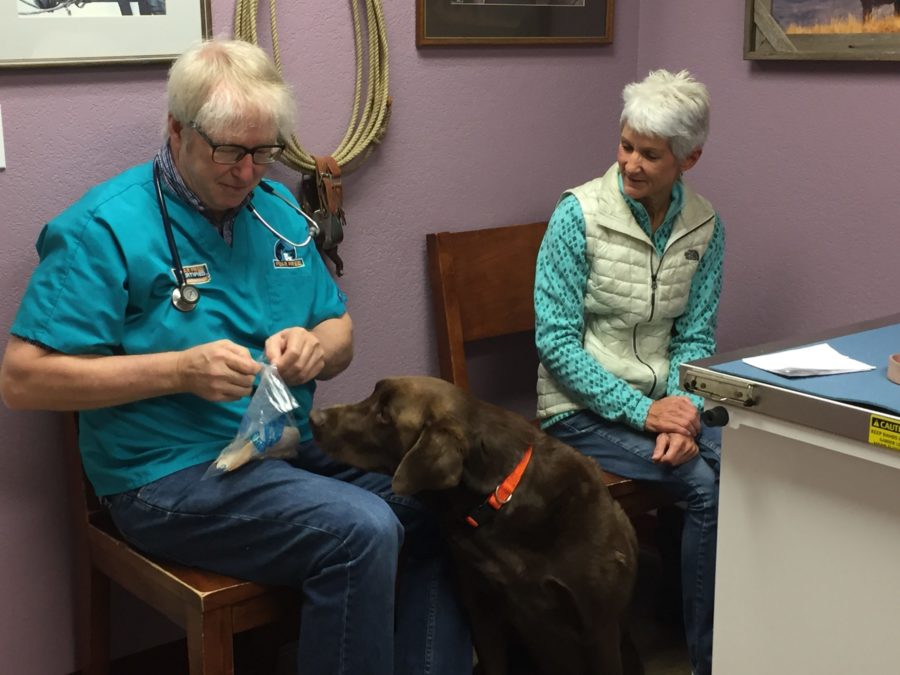
It’s crucial to use “the good stuff” when it comes to treating effectively and gaining a pet’s keen appetitive interest in the face of distractions and change that are beyond a pet’s comfort zone, as happens when they are removed from the comfort of home and taken into the veterinary hospital environment.
Many Fear Free Certified Professionals have their own “tricks of the treats” to persuade even the most finicky of pets to chow down and lick their lips. Dr. Marty Becker, founder of Fear Free and a Fear Free Certified Professional himself, is rarely in the exam room without a ready supply of top-shelf treats that he and his team generously hand out as pleasant distractions and high-currency mood boosters to help deliver a more optimal emotional experience for pets during veterinary healthcare.
Here are his top 10 pet-preferred treats for Fear Free veterinary care.
– Baby shrimp
– Beggin Strips (broken into tiny pieces)
– Canned salmon or tuna
– Warm deli turkey
– Easy Cheese Cheddar & Bacon
– Freeze-dried meats from Pure Bites
– Honey Nut Cheerios
– Kong Squeezable Peanut Butter
– Peanut Butter Captain Crunch
– Slices of turkey hot dogs
– Albacore tuna or salmon
– Anchovy paste
– Baby shrimp
– Bonita fish flakes
– Easy Cheese Cheddar & Bacon
– Fancy Feast: Foil packs of any flavor
– Green olives
– Marshmallows
– Vegemite
– Whipped cream
Dr. Becker and the team at North Idaho Animal Hospital pay special attention to economical means of delivering tasty treats by ordering many of the above options in bulk for a lower price. They keep treats fresh and easy to pull out for individual patients by dividing the bulk size into smaller portions when possible, placing them into small, treat-size Ziplock bags and storing in a refrigerator or freezer until needed. The team will pull out treat options from the freezer to thaw in the fridge overnight. Warming the contents in a microwave-safe container for 7 to 10 seconds prior to the exam releases fragrant aromas and heightens flavors.
Pets with allergies and other special dietary needs receive treats specially chosen treats. Oftentimes the owner will bring in a pet’s favorite treats, such as blueberries, apple pieces, or green beans. An alternative is to warm the pet’s regular hypoallergenic food or treats in the microwave to enhance scent and flavor. A canned version of the pet’s regular food or a compatible alternative soft food and treats can be delivered through means of a food-dispensing toy. Or fill small paper cups with dilute beef bouillon or tuna juice and freeze to make a long-lasting popsicle the pet can lick. Remember, pets are coming in hungry, so even their regular food warmed up can seem like manna from heaven.
Deliver tiny tastes or portions. The pet may receive dozens of treats or continuous licks of a treat during the exam, but their appetite is maintained through small amounts (think Cheerio-size or smaller) or slow delivery methods such as from a food puzzle.
How do Dr. Becker’s favorite Fear Free treats stack up with your own go-to treats? What would you add to the list?
This article was reviewed/edited by board-certified veterinary behaviorist Dr. Kenneth Martin and/or veterinary technician specialist in behavior Debbie Martin, LVT.