Blog Archives

The gut does more than digest food—it plays a vital role in how pets experience fear, anxiety, and stress. Understanding the connection between the microbiome, emotional wellbeing, and physical discomfort can transform the way we care for animals.
Join us along with Robin Saar, RVT, VTS (Nutrition), MSc (Candidate), FFCP-V, for a one-hour RACE-approved webinar that uncovers the links between gut health and behavioral and physiological responses in dogs and cats. Discover practical approaches to supporting the microbiome to improve patient care, reduce stress, and enhance overall wellbeing.
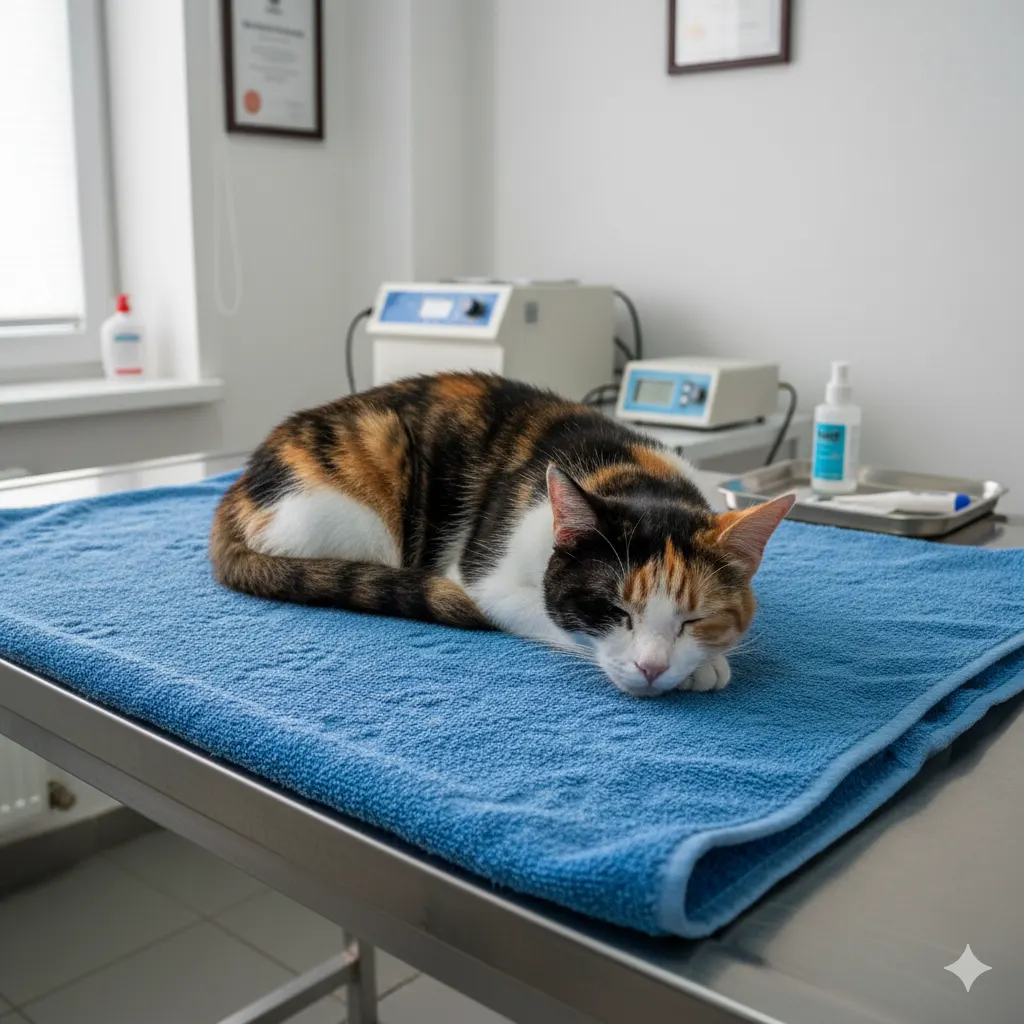
Feline behavioral challenges can be complex, and addressing them effectively requires a combination of medical insight, behavior assessment, and practical intervention.
Join us along with Claudia Richter, DVM, DACVB, FFCP-V, for a one-hour webinar, where you’ll explore real-world approaches to managing feline behavior cases and supporting cats and their caregivers in everyday life.”
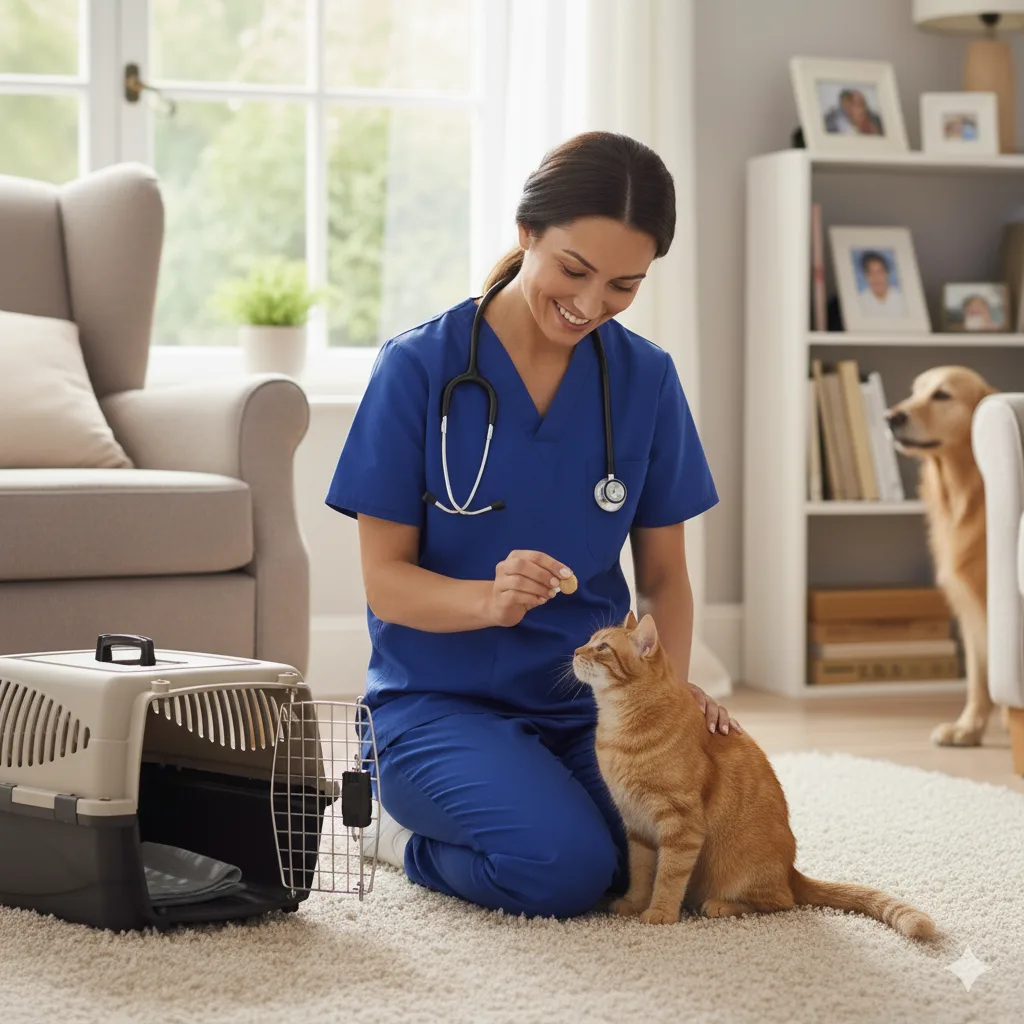
Helping cats at home can be challenging when fear and anxiety are involved. Pet sitters and mobile veterinary professionals provide vital care, but visits from unfamiliar people can make even routine treatments stressful.
Join Julie Liu, DVM, FFCP-V, for a one-hour RACE-approved webinar, and discover practical ways to make in-home feline care calmer and more effective. You’ll walk away with strategies to prepare before a visit, build trust with cats and their caregivers, and provide common treatments with minimal stress.
You’ll learn:
How to gather key information and create a pre-visit plan that sets every cat up for success
Positive handling techniques to make administering medications and treatments calmer
Tips for giving oral medications effectively while keeping stress low
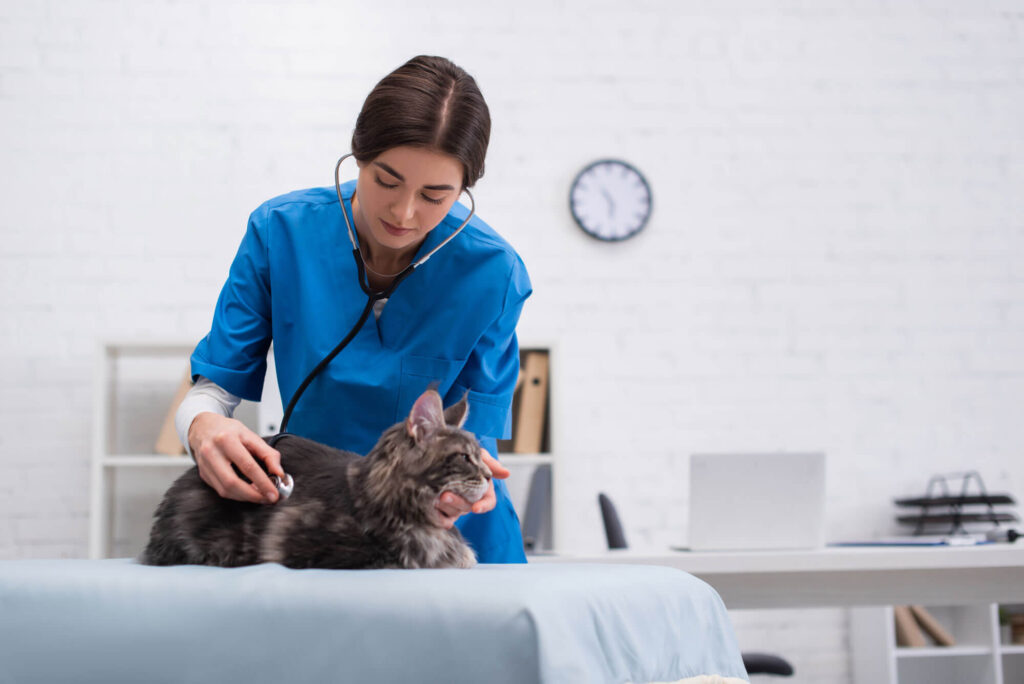
“Providing Fear Free care in a busy practice doesn’t have to be overwhelming. It starts with simple, actionable steps that make a big difference for patients, clients, and your team.
Join Alison Gottlieb, BS, CVT, VTS (ECC), LSHC-S, Elite FFCP-V, for a one-hour webinar as she shares five easy ways to implement Fear Free strategies in your practice. These approaches not only enhance patient care but also help bring skeptics on board.”
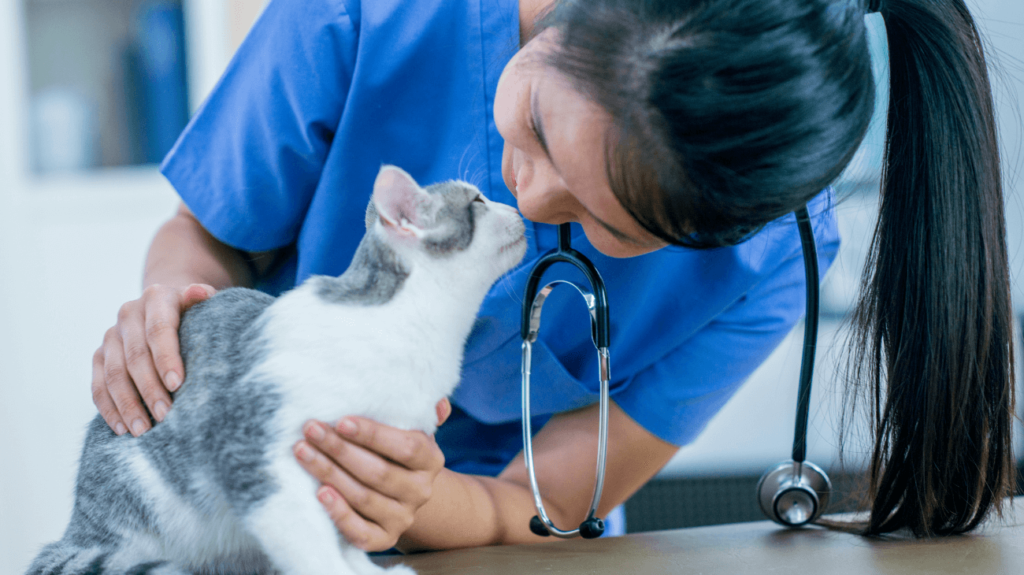
Handling fearful animals in the clinic can be stressful but with the right strategies, veterinary professionals can stay safe, confident, and compassionate. Learning to assess risk, set up your space for safety, and use handling tools effectively makes all the difference for both staff and patients.
Join Tabitha Kucera RVT, VTS (Behavior), KPA-CTP, CCBC, FFCP-V, and Michael Shikashio CDBC, FFCP-T, for a practical, case-based session where they share hands-on techniques, real-life examples, and tips for building trust through food and positive interactions.
This course introduces veterinary professionals to the Fear Free approach specifically tailored for feline patients. Through a series of focused lessons, learners will explore communication strategies, considerate handling techniques, touch gradients, appropriate use of rewards, and gentle control methods. Practical scenarios and case studies will help reinforce strategies for reducing fear, anxiety, and stress (FAS) in cats during veterinary visits. Learners will leave equipped with the knowledge and resources to integrate cooperative care into daily workflows, creating a better experience for cats, clients, and veterinary teams.

Zoonotic diseases are a critical concern in environments where close contact between animals and humans is common, such as veterinary clinics and boarding facilities. With a wide range of bacterial, viral, parasitic, and fungal infections to consider, understanding how these diseases spread and how to prevent them is crucial for safeguarding the health of both people and animals.
Join us for a webinar with Sami Engle Price, MS, PHR, CVPM, CPACO, CCFP, as we explore common zoonotic diseases, how they spread, and key prevention strategies to protect both animals and people. You’ll also learn how to manage outbreaks effectively and minimize risks in high-exposure environments.