Blog Archives

By Deb M. Eldredge, DVMSometime when it is fairly busy, take a few minutes and go out to sit in your clinic waiting room. Sit down, close your eyes and just listen. Listen carefully for little noises as well as the loud and obvious noises.

After a minute, the sounds may seem a bit overwhelming to you. Think of how much more cats and dogs hear than we do and how they don’t understand what many of the noises are. For our pets, the veterinary hospital may be a horror house of sound.

How can we help pets with sound issues to feel more comfortable at the clinic? Carpet is often used to mute sounds, but it doesn’t really make sense in a clinic where cleanliness is important. Barriers can help to block sounds, and soundproofing exams rooms is not a bad idea, although it can be expensive.

Playing background music may help some pets, but an individual pet may not like your music choices. That sounds silly but anyone who has done musical freestyle with a dog can tell you that dogs have definite opinions on music. Luckily, there are some research-backed CDs of soothing music composed specifically for dogs and/or cats. Through A Dog’s Ear, for instance, has pioneered soothing music for anxious pets. These CDs are excellent for waiting rooms, exam rooms, and kennel areas.

To really help your patients prepare for a veterinary visit or hospital stay, consider making a CD of the sounds at your clinic. Start by doing a walking tour of the clinic with one of your own pets. Begin with the sound of the door opening and closing and the sound of toenails on the floor. If the scale squeaks, catch that. Try to record the voices of all of your receptionists as well as the ringtone of your phones and your computer and printer beeps and squeaks.

Move on to the noises heard in a waiting room: doors opening and closing, laboratory equipment dinging off, refrigerator and cupboard doors opening and closing. Record the voices of your veterinary technicians, assistants and kennel help. Record some barking dogs, cage doors opening and closing, and cats meowing (or even screaming or hissing). Note any noises that your own pet reacts to. Washing machines, dryers, blow dryers, vacuums, furnaces, and air conditioners can all make noises that startle or panic an already anxious pet.

The goal is to create a CD of sounds that pet owners can take home to play for pets to accustom them to the sounds they will hear at your hospital. These are not CDs to play at your clinic but rather CDs to loan out to clients. Have them start by playing the sounds very quietly and try to pair the CD with positive things such as meals or belly rubs. If you have any clients who are breeders, loan them a copy of the CD to play for their litters so the puppies and kittens are familiar with the sounds right from the start.

Some pets will never smile about their veterinary visits. But if you can at least make the noises a pet will encounter seem routine, you will have helped reduce the pet’s fear of the veterinary clinic.
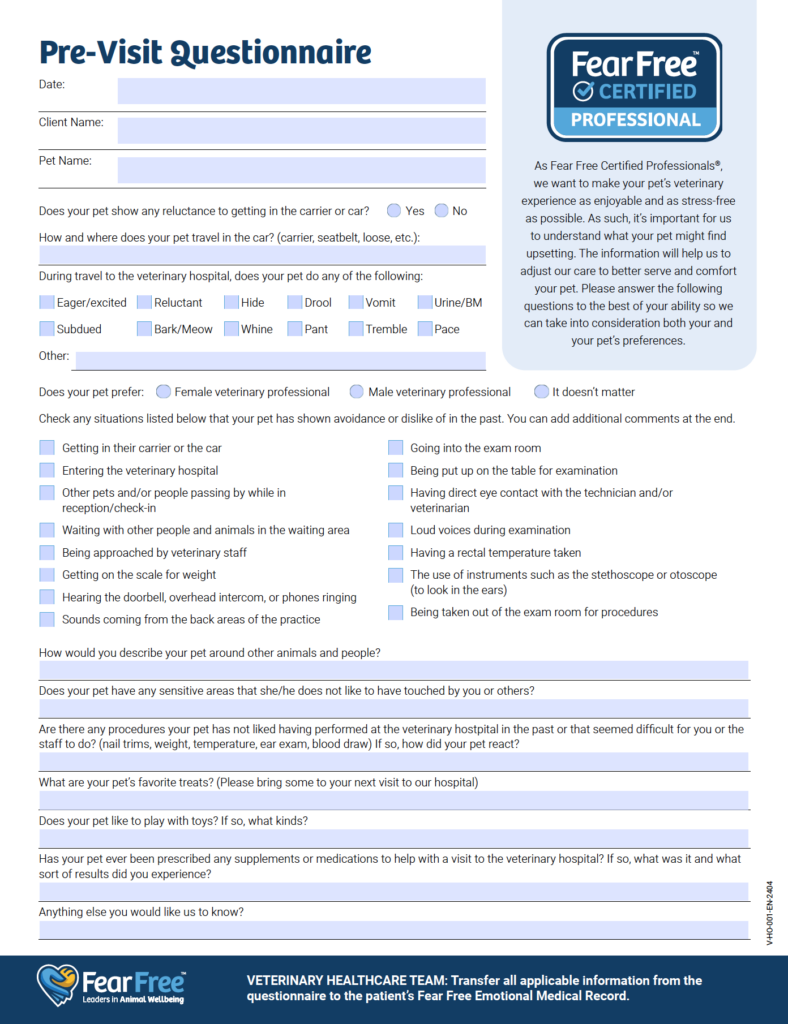
Pre-Visit Questionnaire

Administrators are some of the busiest people in the hospital and can use all the help they can get. Have your clients fill out this Pre-Visit Questionnaire to learn more about their pet and his or her needs. Fillable & Print-Ready PDF – Companion Animal.

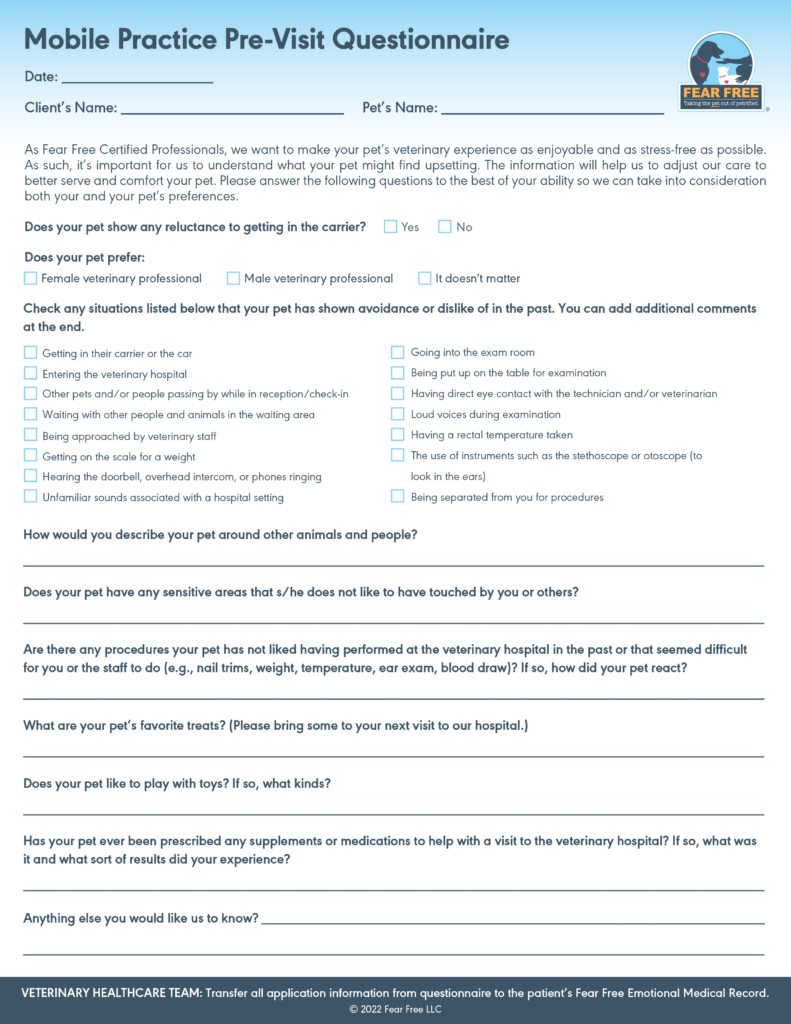
Mobile Practice Pre-Visit Questionnaire

Mobile practices present unique challenges and opportunities to provide Fear Free care to  your clients. Have your clients fill out this Pre-Visit Questionnaire to learn more about their pet and his or her needs. Fillable & Print-Ready PDF – Companion Animal

Avian Pre-Visit Questionnaire


Avian Pre-Visit Questionnaire

Avian patients have unique needs and concerns. Have your clients fill out this Pre-Visit Questionnaire to learn more about their bird and his or her needs. Fillable & Print-Ready PDF – Avian

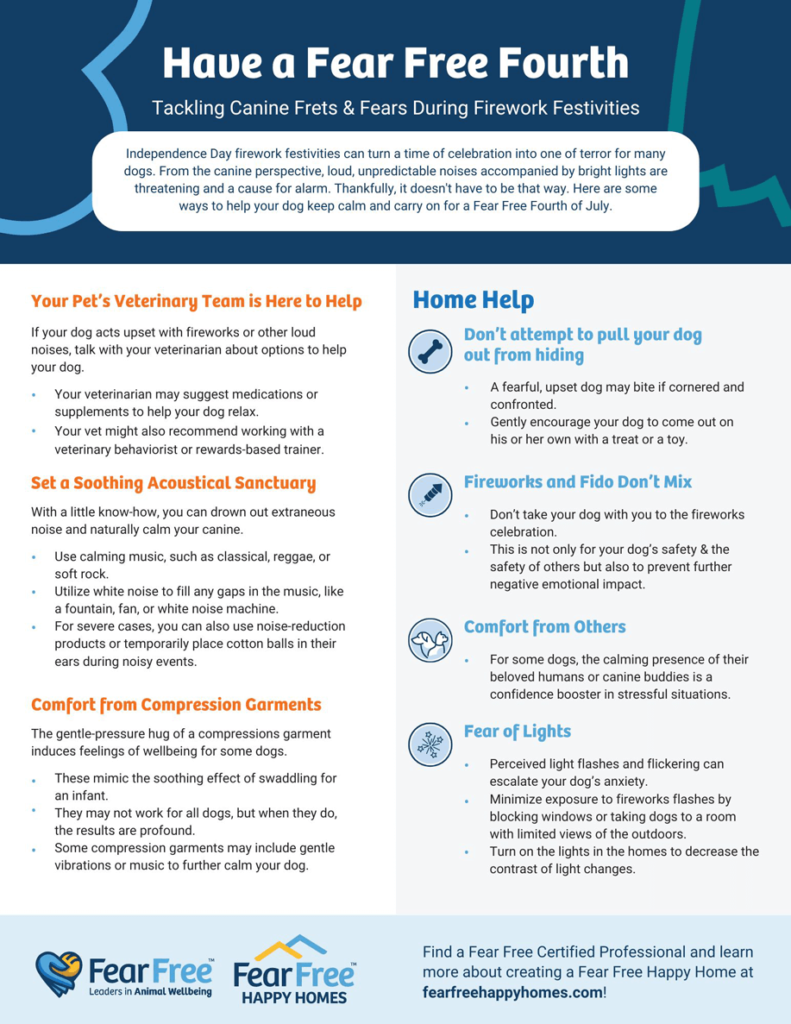
Fourth of July Pet Safety Infographic

Educate your clients on Fourth of July safety with this infographic

Image format: .pdf(Better for printing)

Image format: .jpg (Better for social media)

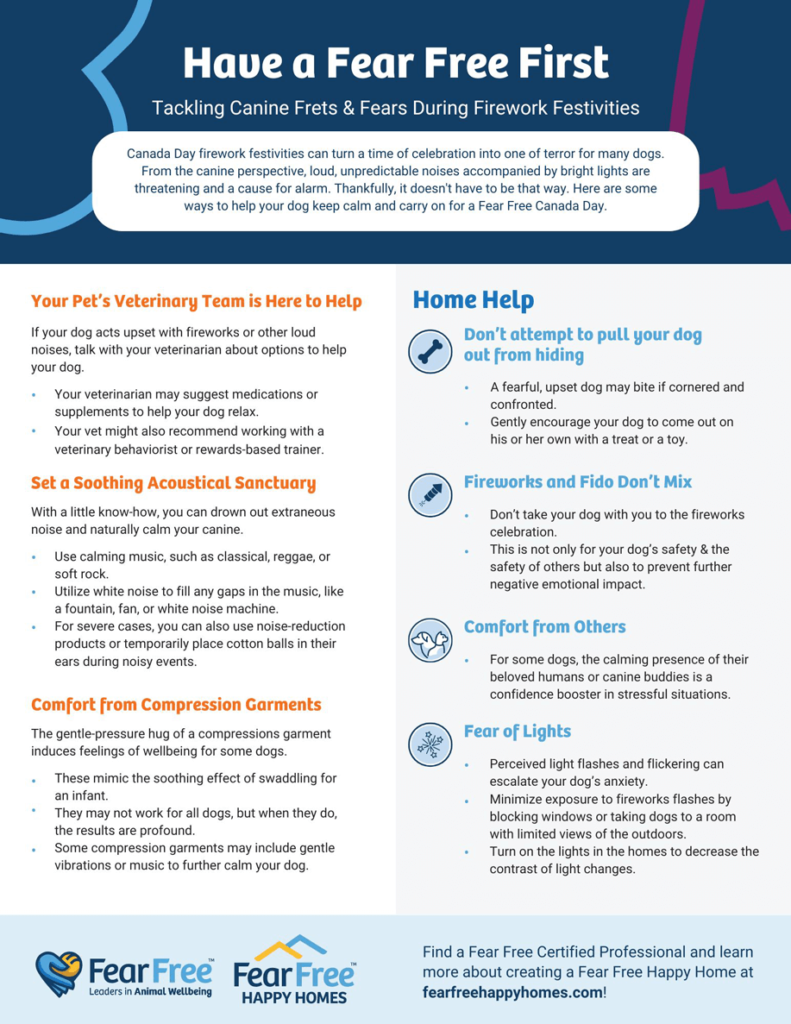
Canada Day Pet Safety Infographic

Educate your clients on Canada Day safety with this infographic

Image format: .pdf(Better for printing)

Image format: .jpg (Better for social media)

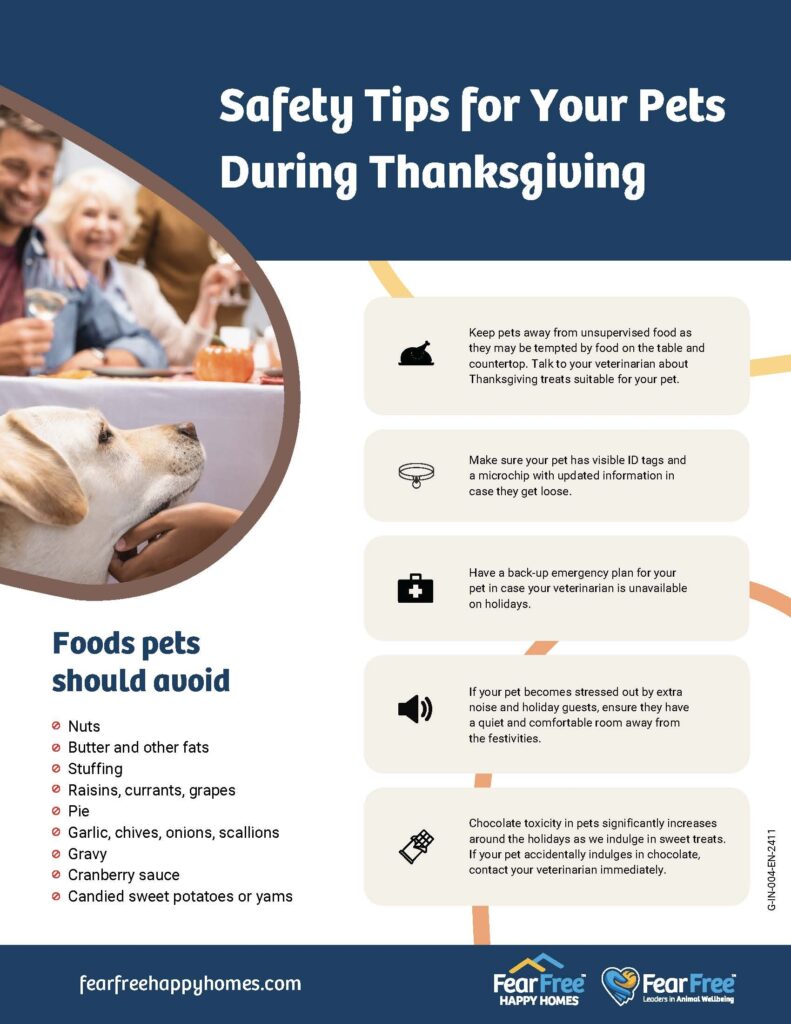
Thanksgiving Pet Safety Tips

Use this infographic courtesy of Trupanion™ to educate your clients on safety during Thanksgiving.

Image format: .pdf(Better for printing)

Image format: .jpg (Better for social media)

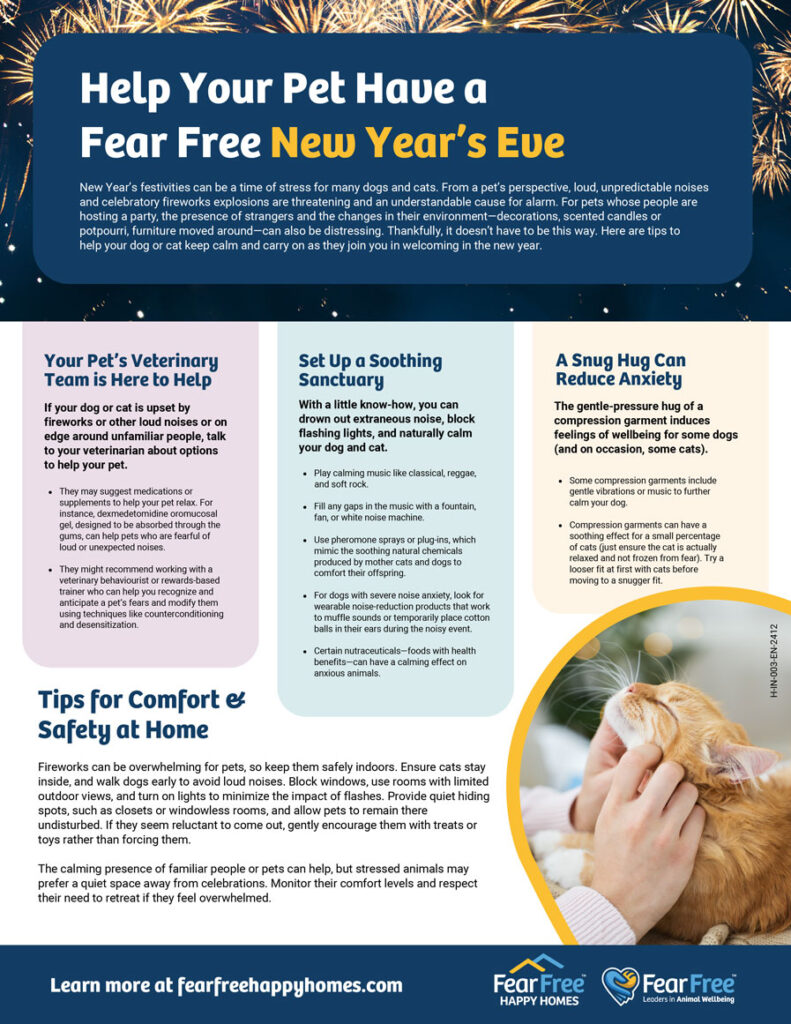
New Year’s Pet Safety Infographic

Use this infographic to educate your clients about the dangers of New Year’s celebrations and pets.

Image format: .pdf(Better for printing)

Image format: .jpg (Better for social media)

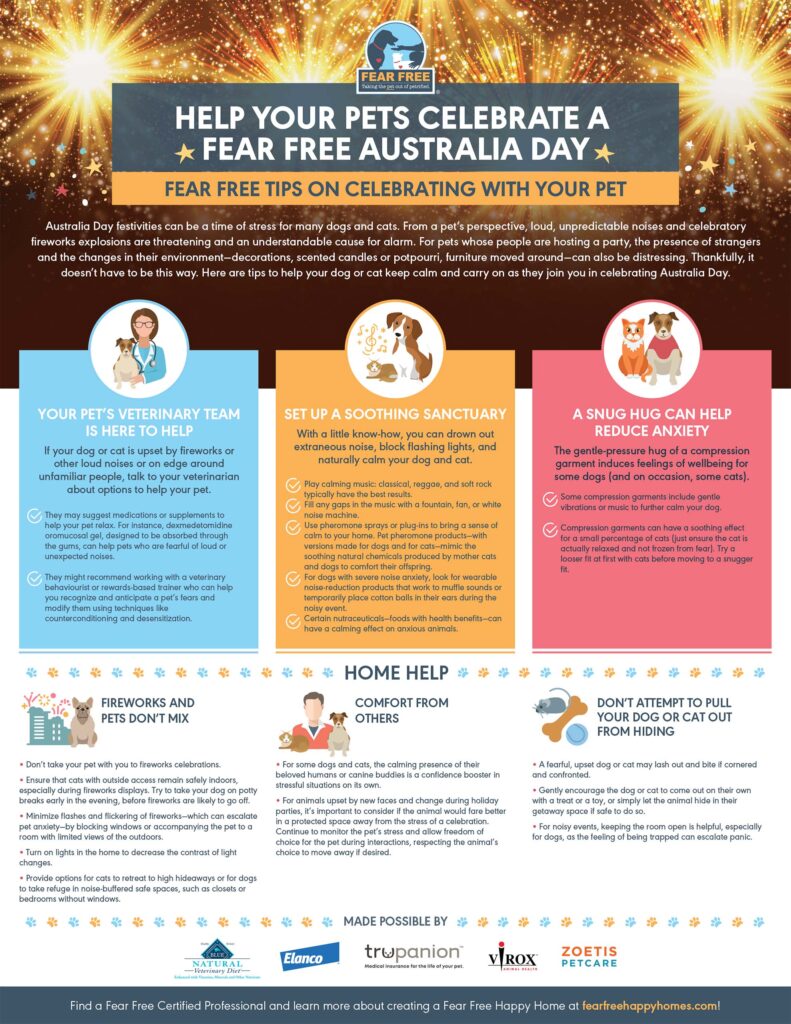
Australia Day Pet Safety Infographic

Educate your clients on Australia Day safety with this infographic

Image format: .pdf(Better for printing)

Image format: .jpg (Better for social media)

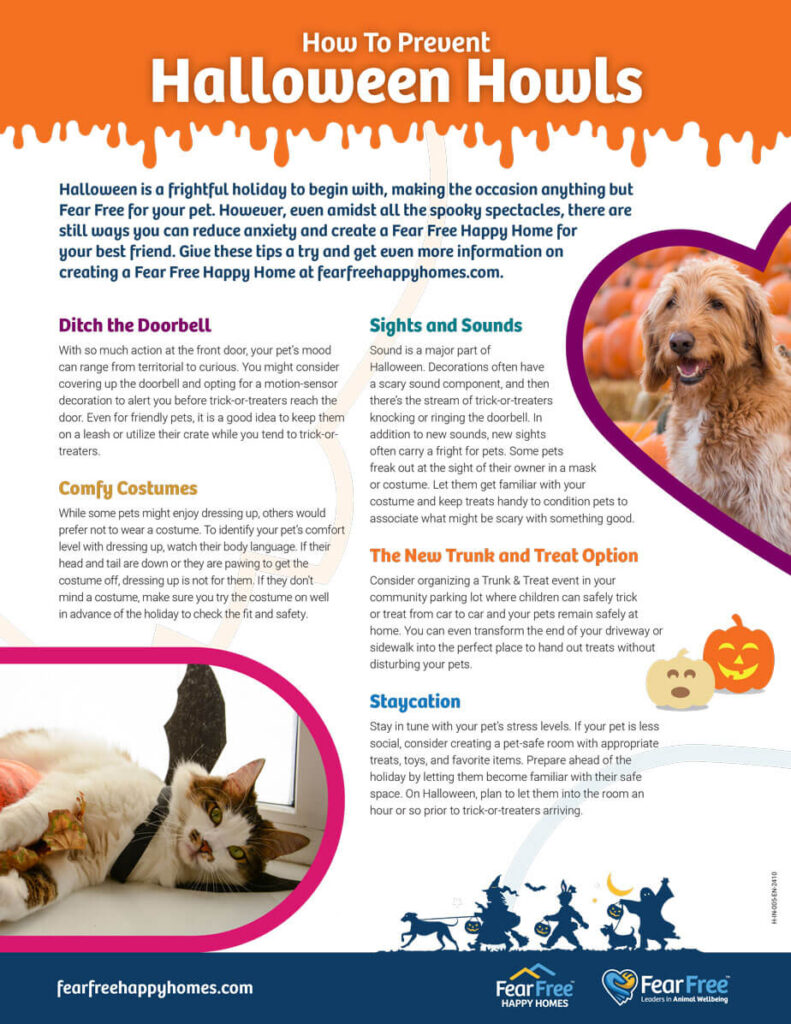
Halloween Pet Safety Infographic

Educate your clients on Halloween safety with this infographic

Image format: .pdf(Better for printing)

Image format: .jpg (Better for social media)

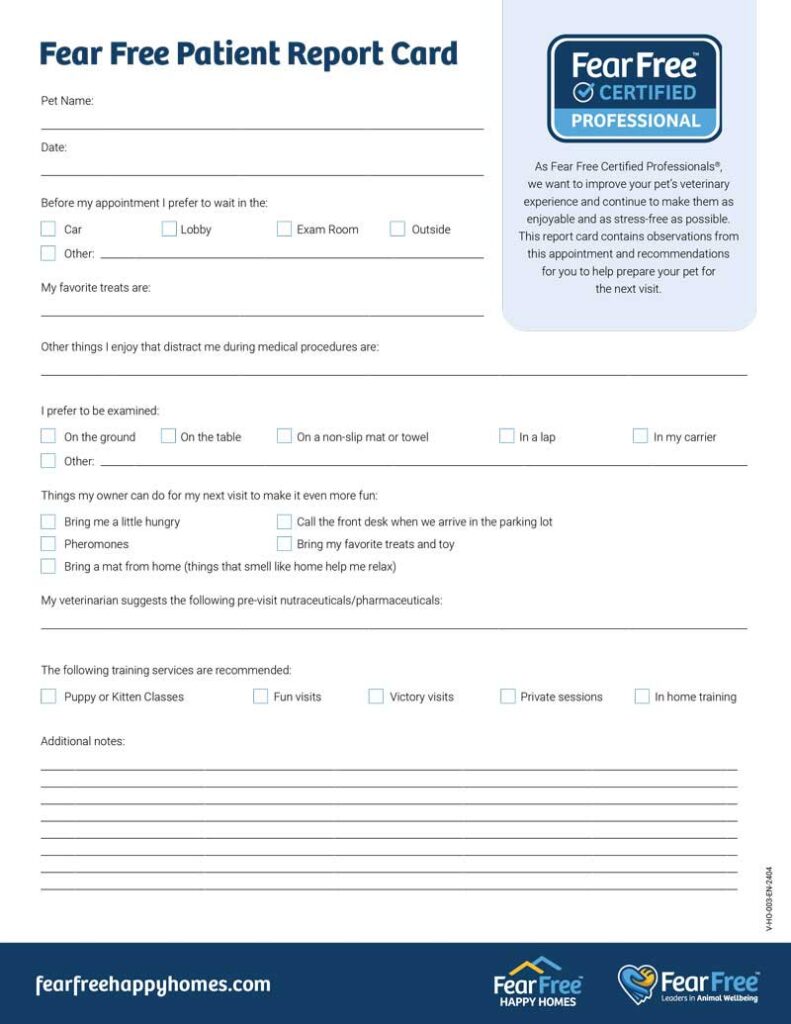
Fear Free Patient Report Card

When it comes to creating Fear Free veterinary visits, thinking about a patient’s individual needs is critical. Communicating those needs to the pet’s owner is also very important, as many of the pet’s preferences and behavioral tendencies carry over into other aspects of the pet’s life and future veterinary visits.
As somewhat of a client-friendly variation of a pet’s emotional record, use this digitally fillable or printable Fear Free Report Card to help connect with the client and ensure they go home with an understanding of their pet’s needs and emotional health while at the veterinarian.

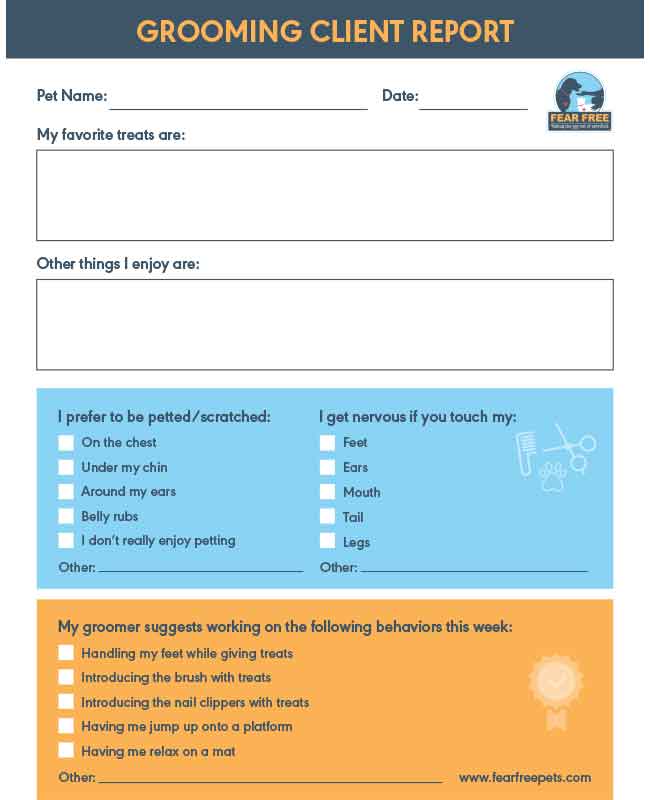
Fear Free Groomer Client Report Card

Use this report card to take your grooming service to the next level. This report card lets your clients know you value their pet and strive to give them the most Fear Free grooming experience possible. You can mark what their pet enjoyed, what treats you gave them, any sensitive areas they may have, and even additional behaviors owners can work on to make their next grooming experience even better.

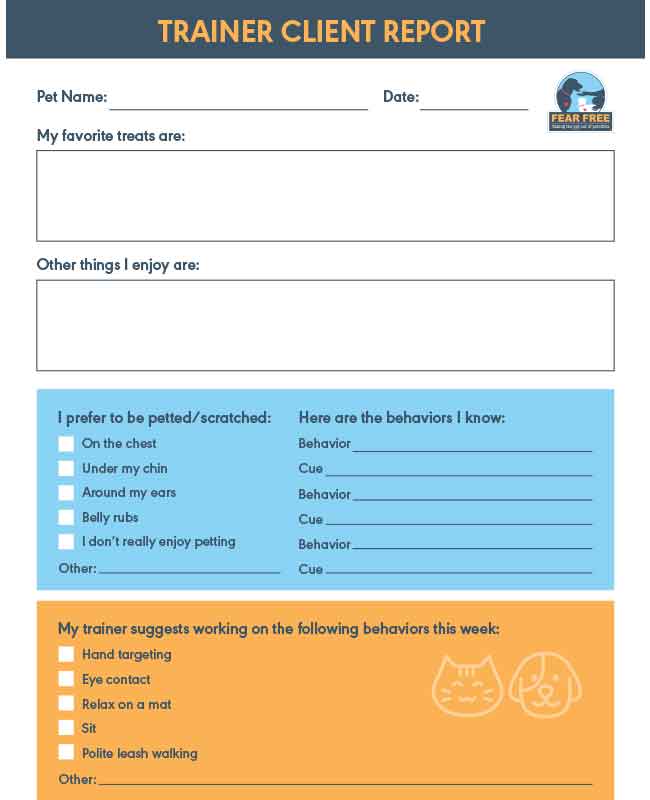
Fear Free Trainer Client Report Card

This report card can help you educate your training clients and help increase compliance. Mark what treats and activities their pet enjoys, what behaviors and ques they already know, and what behaviors they should work on.

Client Service Representatives (CSR) are often the first and last person whom clients interact with. CSRs play an integral part of the Fear Free experience before, during, and after the clients visit. Stacey Wheeler, the Client Care Services Supervisor of Bloomberg Animal Hospital, talks to us about how Fear Free training can benefit CSRs day-to-day work life and the clients they interact with.

In the Fear Free practice, trainers and veterinary professionals form a symbiotic relationship for the benefit of the patient’s health. On this podcast, Mikkel Becker, chief developer of the Fear Free Trainers Course, gives her thoughts on the place of trainers in patient’s health and wellbeing, what the relationship between trainers and vet professionals looks like in practice, and more!

Customer Service Representative Fear Free Training Tool

This checklist is mainly used for customer service representatives. Each client can be assured a Fear Free experience because the person on duty is ensuring that each box is checked throughout each client’s experience.

See What Changes Can Be Made in Your Hospital

This tool will guide you through recognizing stimuli that may affect the senses of clients and patients. As you take a fresh look at your own practice, you’ll begin to see what changes can be made. From there, you’ll write down what changes can be made while having access to helpful tips and resources to ensure your practice is sweet on the senses.

Talking points and resources to facilitate a successful Fear Free visit

Share these helpful handouts with your staff to ensure a Fear Free visit for every client and pet. Get everyone on board from the moment the client and patient walk in the front door, to the exam room, and when saying goodbye. The Fear Free approach takes the whole team.