Nonetheless, feline elimination issues are one of the biggest behavioral problems clients bring to veterinarians. Often, the problem develops because human preferences regarding litter box location and type don’t match up with the desires of their feline companions.
As veterinary professionals, we must feel comfortable teaching clients what their cat wants from an elimination station. This article will review cat preferences regarding desirable locations, litter box styles, litter types, and more. This information can not only help the cat who is eliminating outside the box but can also help new kitten owners be successful from the start in setting up their new cat’s environment.
Litter Box Design and Location
Place litter boxes in safe, low-traffic areas but right off a high traffic area, so it is easily accessible. Keep them away from loud appliances such as washers and dryers, furnaces, dishwashers, air conditioners, or toilets. All these items have the potential to frighten the cat with unexpected sounds, interrupting the normal elimination pattern. An example of a safe, quiet location is a spare bedroom or bathroom that is rarely entered.
Many commercial products also offer “hidden” locations where cats can eliminate, disguised as planters or side tables, for instance. Although this hides the litter box from the human, it may also place it in a higher traffic location. Keep this in mind when giving recommendations on litter box placement. Everyone prefers privacy for elimination, even cats.
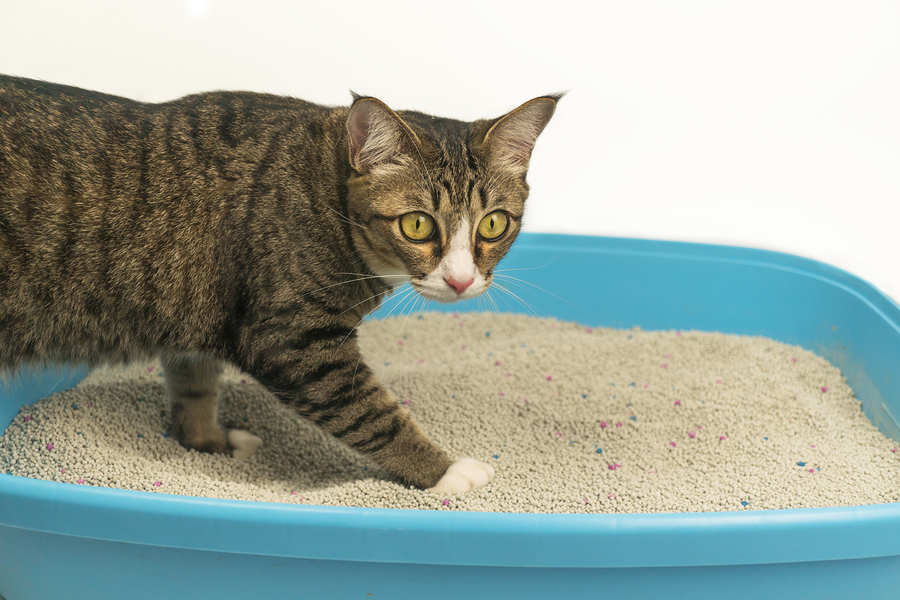
Litter box design preferences differ from cat to cat and human to human. Most cats prefer an open litter box. Most cat owners prefer a covered litter box. Covered litter boxes may trap odors and make the human environment smell better but for those reasons they may not be as desirable for the cat. If boxes are not cleaned regularly, the odor may be aversive to them.
Most commercial open litter boxes are too small for the average cat. The size of the litter box should be one and a half times the length of the cat’s body. Most veterinary behavior teams recommend using storage containers, Tupperware bins, dog litter boxes, or cement mixing pans. It is also important to find out if litter box sides are low enough for the cat to jump in without injury or pain. Using a litter box that cleans itself is typically not recommended as the sounds and machinery can scare the cat.
Litter Preferences
Many different types of litters are on the market: scented, unscented, clumping, non-clumping, wheat, newspaper, sawdust, pine, and more. A study by veterinary behaviorist Jacqueline C. Neilson DVM, DACVB, found that cats generally prefer unscented clumping litter beneath their paws. And although scented litters may be more desirable to humans, cats often disdain them. Cats are far more sensitive to odors than humans. Keep in mind as well that crystal-like litter can feel unpleasant to sensitive paws. When the cat eliminates the crystals can “pop,” causing a startling sound. Recommend giving cats the most preferable substrate—a plain, unscented litter—to set them up for success.
Since Flushing Isn’t an Option: Cleaning Tips
Litter boxes should be scooped once or twice daily. Cats prefer a clean location to eliminate. When boxes are not cleaned at least once daily, this can cause an aversion as the cat may not want to step and eliminate in a litter box filled with yesterday’s urine clumps and stool piles. Most humans would not desire this either.
To make boxes as attractive as possible, they should be emptied, cleaned with a mild, unscented detergent, and refilled with fresh litter at least once a month. Avoid cleaning the box with strongly scented cleanser.
Recommendations for Multi-Cat Homes
Design, location, cleaning, and substrate preferences are identical, but in homes with more than one cat, owners should provide one box for each cat, plus one extra. Place boxes on separate floors and rooms of the home to prevent one cat from blocking access to a box.
Keep in mind as well that using covered boxes in multi-cat homes can create increased anxiety if one cat is a stalker. If victim cats venture into the box to eliminate, they cannot see if the stalker cat is creeping up on them. If there is low-level aggression between the cats, and the victim cat is attacked when coming out of the box, the experience can create litter box aversion. For this reason, open litter boxes should be recommended in multi-cat homes.
Remember: It’s a cat’s world. We just live in it!
Author’s Note: Elimination out of the box is not always a behavioral concern and can very well be a medical cry for help. It is always important to rule out a medical condition before blaming behavior. Every patient who eliminates out of the box should be examined by a veterinarian and medically worked up (CBC/Chem/UA) before specific recommendations are made.
This article was reviewed/edited by board-certified veterinary behaviorist Dr. Kenneth Martin and/or veterinary technician specialist in behavior Debbie Martin, LVT.
 year I’ve raised a pup following Summit’s training guidelines based on positive reinforcement and what puppies can handle at each developmental stage. Each pup explores the world in tiny increments based on what they tell me through body language about how the new environment feels to them. Sometimes we don’t even get out of the car if the pup seems to be hesitant. If they’re not ready for a new place, we go somewhere they have already been to build confidence. Each pup is born with unique strengths and levels of confidence. The big and bold ones move through environments more quickly than timid pups. My current pup, Jazz, came to me at 11 months of age. She was timid about change, so we moved slowly and calmly. We joined a scent work class, which allows the dogs to move freely at their own pace. This built her confidence quickly and now she rocks in almost any setting. Watching what your pet tells you through body language (relaxed, happy, withdrawn, cowering) is key to a truly Fear Free companion.
 store when she was three months old. Early veterinary visits had caused her to become fearful. Medication didn’t help and she required heavy restraint. Her pet parents called our clinic about taking her on as it had been suggested that she might prefer a female veterinarian.
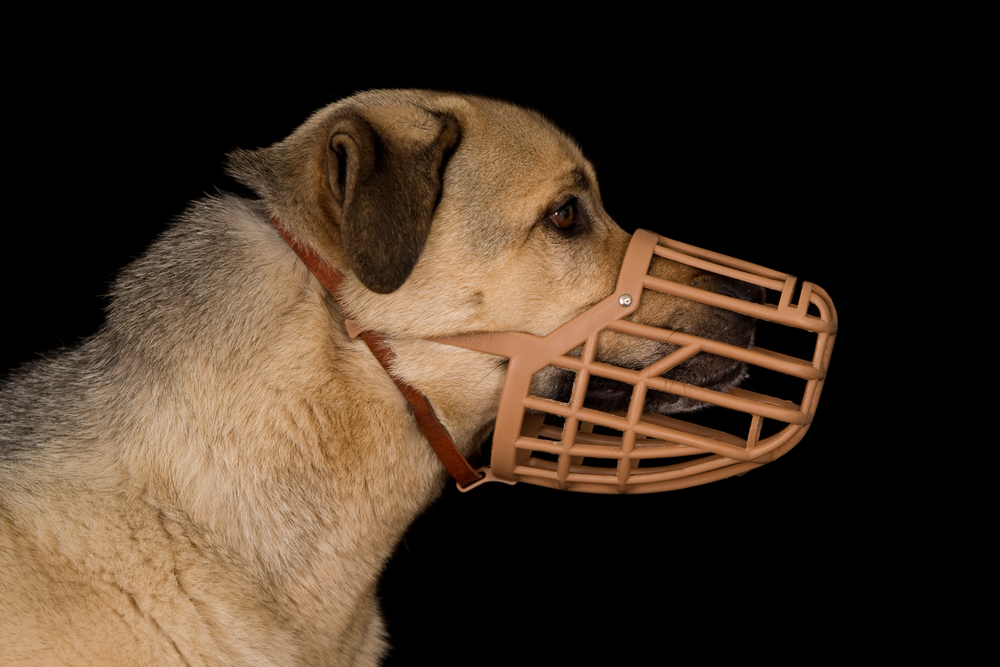
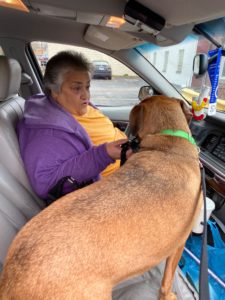 Canasta is fearful of strangers and handling, which makes veterinary visits difficult for both Canasta and her caregiver. I recently started working with Canasta on basket muzzle training and being more comfortable with strangers, but she was in need of bloodwork immediately. Her veterinarian prescribed pre-visit pharmaceuticals, and I worked with the technician to create a handling plan and came to the visit to assist. When Canasta walked in wearing her basket muzzle, I used gentle control to restrain her while the technician drew blood. Canasta even took a treat from the technician when we were done, which is a huge win! Her mother was crying, knowing her dog did so well, and I will continue to work on cooperative care with the caregiver and Canasta.

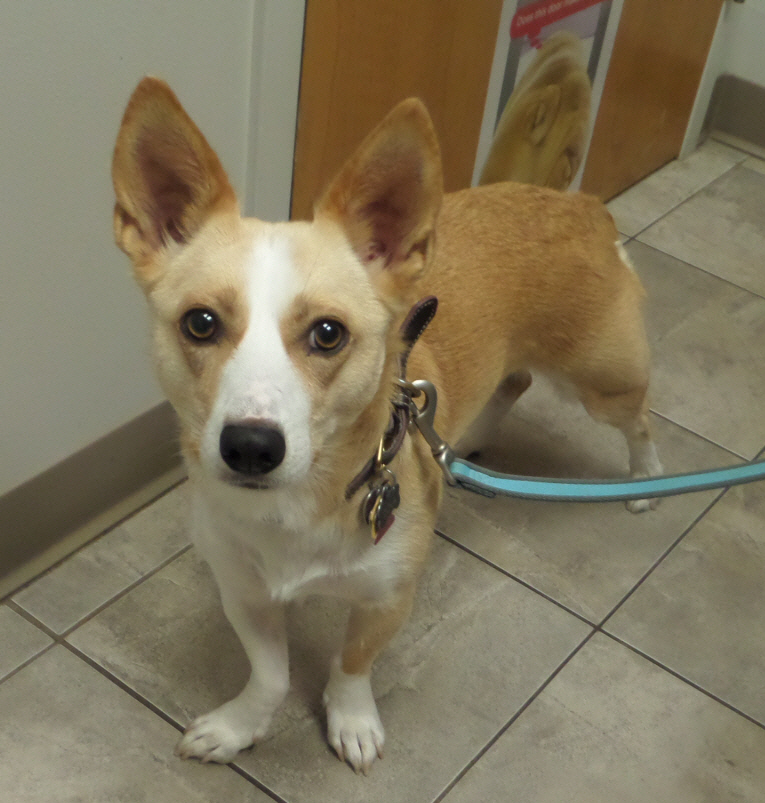
 veterinarian, Dianicia Kirton, DVM, whose Hopkinton, Massachusetts, practice is Fear Free certified, has been recommending that Sushi get her teeth cleaned but my sister was hesitant. The veterinarian addressed each of her concerns until eventually she was ready to move forward. A few weeks later, Sushi’s mom brought her in for the teeth cleaning, although she was still nervous and reluctant. The veterinarian and staff were very calming and worked on Sushi quickly. Everything went well, and Sushi was her normal, happy self afterward. My sister told the vet that she felt like she had been “Fear Freed,” and Dr. Kirton responded, “Yes, it’s as much for the people as it is for the animals.” My sister was happy with the whole experience and thankful to have found a practice that uses these methods!
 Pennie, a 7-year-old 78-pound Chesapeake Bay Retriever, had never had a full veterinary exam after her puppy vaccines because she bared her teeth and growled at veterinary team members at every clinic she was taken to. When she was brought to us, we implemented several Fear Free strategies, spending 45 minutes building her trust both outside the clinic and in the exam room. We were able to get her to stand on the lift table and receive vaccinations without being muzzled. On her third visit, we were able to lift her lips and examine her teeth. Now she boards with us routinely and is a big part of our veterinary practice family. Implementing these Fear Free tools has changed Pennie’s life and her owner is now able to better understand and relate to her dog, making it much safer to take her for walks and be groomed.
 We love our Fear Free veterinary hospital. At TLC, there are separate areas for cats and dogs. We took our two cats in last week, and the exam room was comfortable, with shelves for the cats to explore. A board listed the names of the technician and veterinarian who would be seeing the cats, so we knew who would be treating them. The technician who went over the intake information was sweet and tender with Lucy and Lilu. An email ahead of time alerted us that a new veterinarian would be seeing the cats. She was calm and handled the cats gently. Both cats were calm throughout the visit—although Lucy didn’t much like having her teeth examined—and when they got home they came out of their carriers calmly and went about their day. Lilu was her regular self and didn’t hide away as she has on some prior visits to other clinics. The clinic called the next day to see how the cats reacted to their vaccines and visit. We feel we have found our new clinic!
 reactive. During her first appointment she was quite nervous, but with the help of some peanut butter as a distraction she allowed us to pet her. We decided that that was a win and that Zola would benefit from coming back another time after having gabapentin to help calm her. At her next visit, Zola was visibly more relaxed, and we had a Kong full of peanut butter ready for her. Knowing that Zola did better with minimal restraint we kept her focused on the Kong and were able to do a full exam, vaccinations and a blood draw. Zola’s owners had never seen her so relaxed at the vet and she has since come back willing and happy to see us.
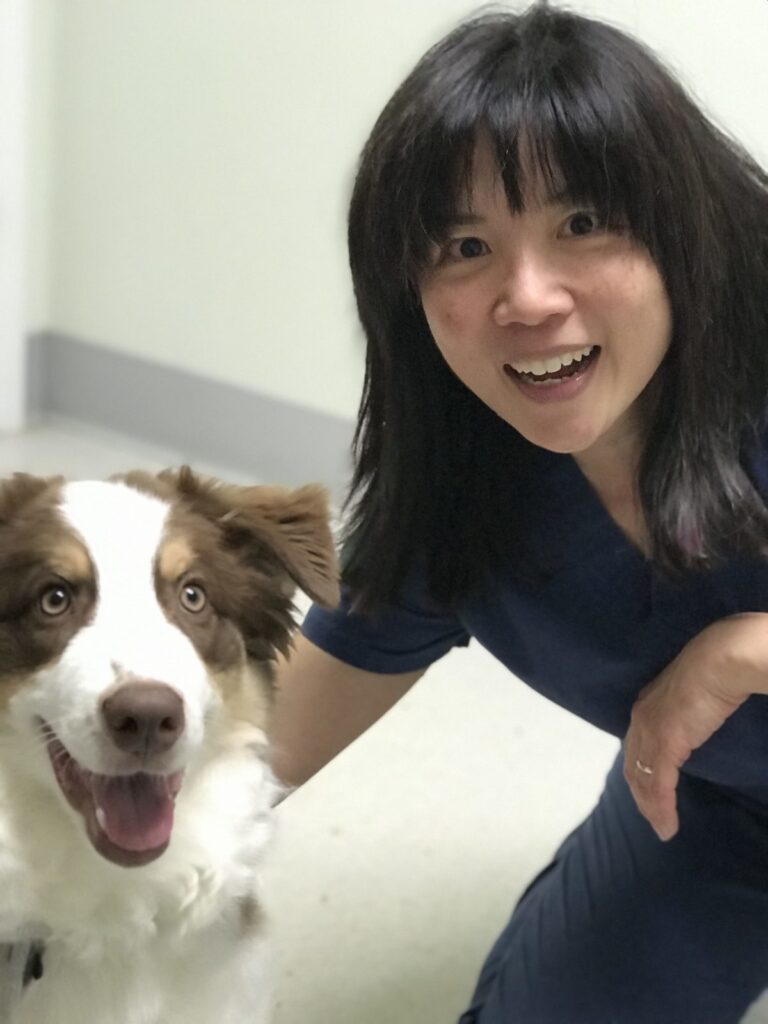
 I’m a Fear Free trainer, but there are no veterinarians I trust in my town, so I travel an hour to TLC Pet Hospital in Albuquerque and have had the most amazing experiences, thanks to the patience, kindness, and knowledge of the staff there. My dogs are fearful, and one is especially vet-phobic after traumatic experiences elsewhere. Some of his past vet visits have been so anxiety-inducing for him that I also end up in tears. But with gabapentin on board and the Fear Free approach from Dr. Long and Sam the veterinary assistant, my dog was wagging, approaching them, licking their faces, asking for pets, and acting like the brave and social dog he is at home. All of us in the room were floored by the change! At the next checkup he took food from them, did some chin-rest stationing with them, targeted their hands, and showed off his tricks. My own fear, anxiety, and stress levels have been drastically reduced thanks to their dedication to Fear Free vet visits. I’ll continue to do the two-hour round trip because I love having a veterinarian who listens to me and treats me like an adult, and because my dogs’ mental and emotional health is taken as seriously as their physical health at TLC. I am so thankful for their care and commitment to Fear Free vet visits and their overall friendly clinic.
 I work closely with the veterinary hospitals in my town. The team at Appalachian New River Veterinary Associates (ANRVA) referred Toby to me. Toby was terrified at the veterinary hospital and could not take food, even as a young puppy. I established a rapport with Toby away from the veterinary hospital. I did this using special food and something else Toby loved – play! Toby learned foundation behaviors that gave some predictability to our sessions and helped him feel safe.
 Maxwell is a 7-year-old retriever/hound mix who was rescued from a hoarding situation with more than 100 dogs. Maxwell was the most fearful of them. We don’t know a lot about Maxwell’s day-to-day life while on the hoarder’s property, but volunteers reported that he was kept in a small shed without much social interaction.