A number of studies have found a relationship in humans between anxiety and a condition called joint hypermobility syndrome (JHS). Now a study has found a parallel association in dogs. This provides insight into understanding this correlation in people, as well as providing something to think about in dogs with anxiety and dogs with hip problems.
Coauthor James A. Serpell, Ph.D., professor of animal ethics and welfare at University of Pennsylvania, says humans who suffer from this condition essentially have loose joints and are more prone to dislocations and osteoarthritis. They also have a higher prevalence of anxiety, fear, panic, and a range of psychiatric disorders than the general population.
“There’s a lot of speculation about what could be the possible connection between the two,” he says. “One theory is that loose joints cause people to be anxious because they’re constantly worrying about the health consequences of their condition.”
Testing Method
The researchers tested that hypothesis by looking at whether the correlation held in another species that was not capable of that kind of understanding and worry. It was possible to test this on a large scale using already-existing data for guide dogs. The organization The Seeing Eye routinely tests puppies for joint problems at 18 months. Puppy raisers also fill out the C-BARQ, a standardized behavior evaluation. Researchers looked at these records for 5,575 dogs.
“We found that there was a strong association between a behavior variable that we call excitability, but that you could also call hyperarousability, and loose hips in these dogs,” Dr. Serpell says.
Trait and Anxiety Linked?
While they did not find a direct link with anxiety, there is likely a link between that trait and anxiety. “The literature in humans suggests that the reason that some people become anxious is simply because they’re more reactive to things in their environment,” Serpell says.
Finding a link between the physical condition and similar behavioral traits in dogs, then, casts doubt on the “health worries” explanation for the association. “The conclusion is, it’s very unlikely that the reason that people with joint hypermobility are anxious is because they’re anxious about their health condition, because we’re getting the same thing in another species,” he says. “This suggests that there must be some underlying link between the two.”
The exact nature of that link is currently unclear, but it is known that people with joint hypermobility show differences in their brains, particularly in areas related to emotional response. “This would suggest that we would find a similar difference if we were able to look into the brains of these dogs, and that there’s a direct link between these changes in brain anatomy and physiology across species that is involved in this strange link between joints and brains,” he says.
“This study add one more relevant piece to the puzzle of the interaction between behavior changes and medical problems,” says Carlo Siracusa, DVM, Ph.D., DACVB of the University of Pennsylvania School of Veterinary Medicine. “There is a growing body of evidence showing that animal behavior is regulated by the same immune and inflammatory response behind medical problems. So, it is probably time to retire the question ‘Is it medical or behavioral?'”
Socialization Effect
Serpell says the fact that the association was indirect – the dogs were excitable, but not necessarily anxious – is likely due to the strong impact of early socialization. “So much of anxiety-related behavior in dogs is linked to poor early socialization,” he says. “So instead what we’re picking up is something at a deeper level–a tendency to react strongly to the environment, which my guess is, would be less likely to be influenced by early environment than something like anxiety.”
Guide dog puppies are particularly well socialized, reducing the chance that they’ll be anxious adults even if they have inherited a genetic tendency to excitability and anxiety. Serpell notes that they’ve also been selected for generations against that trait. “I should say this somewhat cautiously, but so in some ways this was the worst population to look for this type of association, because the amount of variation they show is rather limited, because of selection and because of very careful early socialization.”
The fact that an association was found anyway suggests that if we could look instead at the general population of dogs, the association might be even stronger. Another limitation of the study is that the breeds were limited to those typically used as guide dogs. There are breed differences in tendencies to both excitability and joint problems, so further research is necessary.
Another possible explanation for the association, that the anxiety is caused by constant low levels of joint pain, seems unlikely, says Serpell. These dogs are young enough that although they are likely to develop hip problems later in life, they’d be unlikely to be in pain now, and their ratings on the C-BARQ did not show touch sensitivity.
That said, osteoarthritis does occur in young dogs. Even puppies younger than one year can experience lameness and chronic pain from it so that explanation remains a possibility.
These findings can be seen as another argument for the importance of proper early socialization, particularly in puppies who are excitable, since the implication is that they are more likely to develop anxiety. Another possibility, not suggested in the paper, is that we might want to be more aware of the potential for joint problems in dogs with these behavioral tendencies.
“That’s certainly something we could think about,” says Serpell. “If you’ve got a highly arousable dog that reacts very swiftly to environmental triggers and is slow to calm down after it gets aroused, then maybe yes, we should be giving special consideration to the possibility of joint hypermobility, particularly if it’s a medium to large breed dog where the consequences of it are likely to be more severe.”
This article was reviewed/edited by board-certified veterinary behaviorist Dr. Kenneth Martin and/or veterinary technician specialist in behavior Debbie Martin, LVT.
Linda Lombardi writes about the animals who share our planet and our homes for magazines including The Bark, websites including National Geographic and Mongabay.com, and for the Associated Press. Her most recent book, co-authored with Deirdre Franklin, is The Pit Bull Life: A Dog Lover’s Companion.
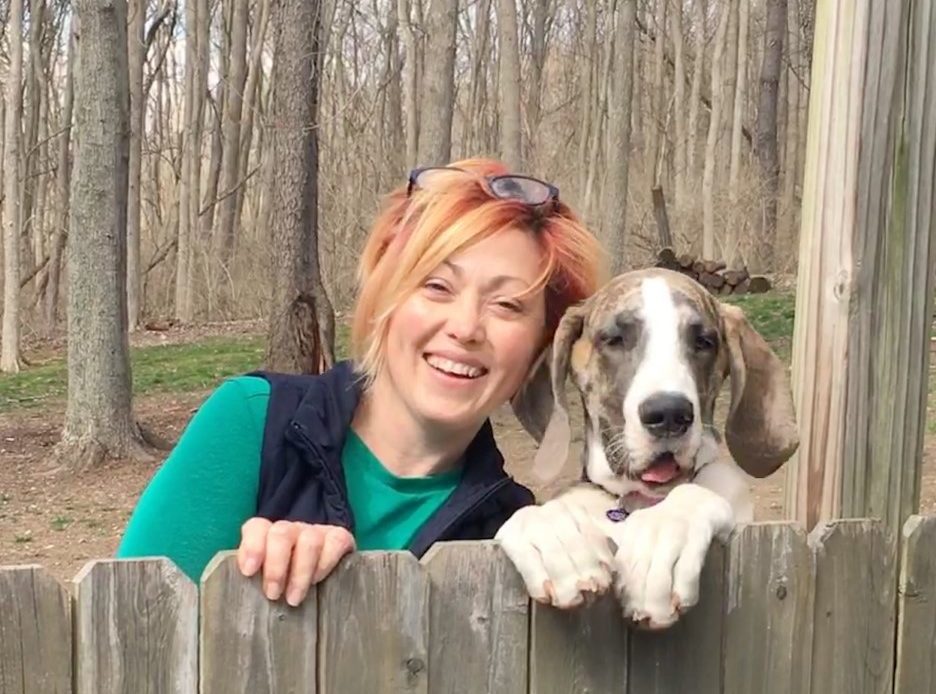
 When Fiona first came to us at Gamble Pet Clinic, an examination without a fearful reaction from her was impossible. An attack by another dog at a young age had caused her to be anxious and nervous ever since. She had been muzzled at every veterinary clinic since her attack until coming to Gamble Pet Clinic. She was fearful initially, trying to nip at the doctor and staff when they attempted to examine her.
 I took the Fear Free course. It was interesting and useful. I’m now working with two local veterinary offices who found me through the Fear Free website.
 Sal was brought to us to establish why he had been having chronic vomiting and diarrhea. When I approached him in the lobby, he immediately pinned his ears and retreated under the couch. We brought him into an exam room, and he warmed up a bit but was still wary. Mom and Dad mentioned that in the past at other clinics he was taken to “the back” for vaccines and they could hear him vocalizing from the exam room.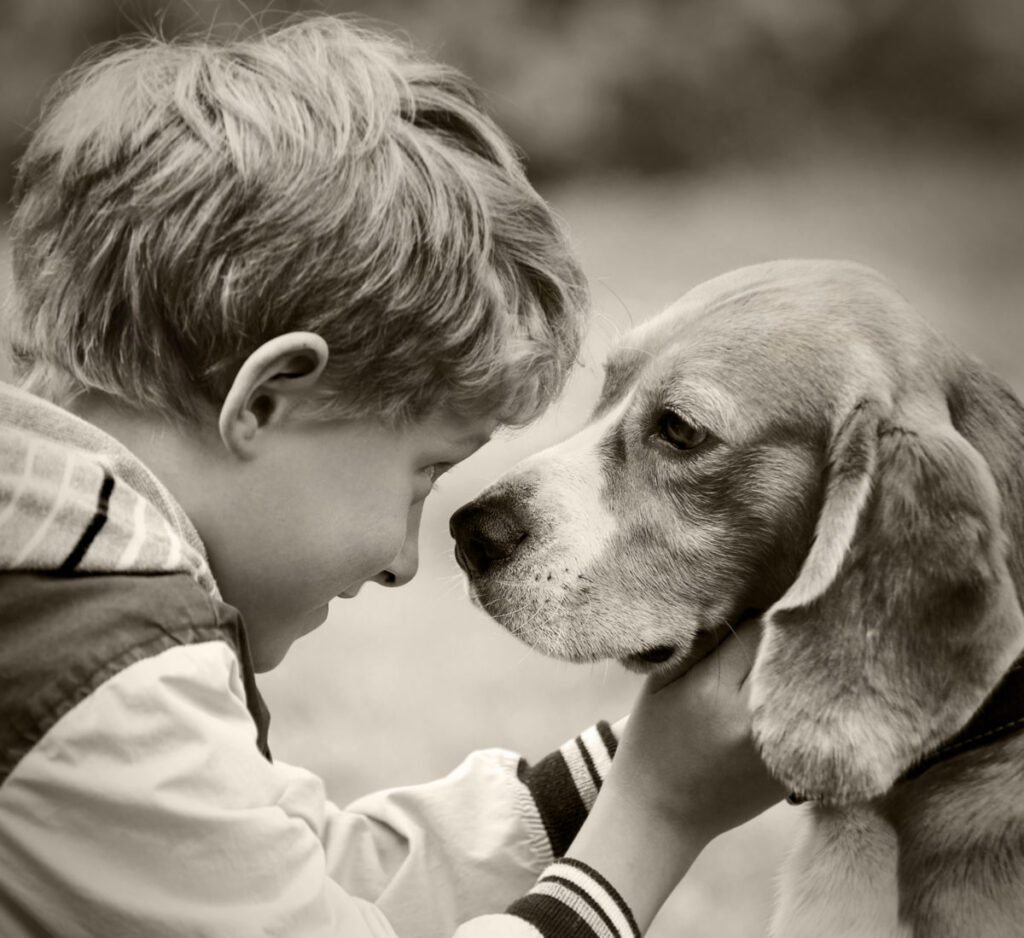
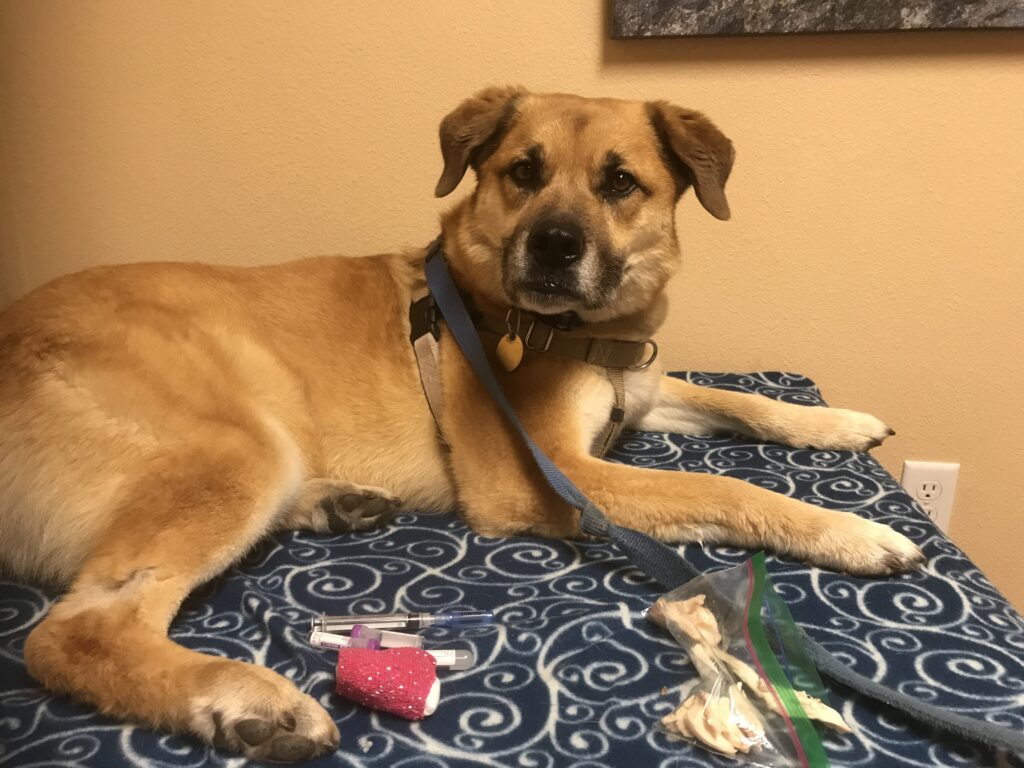
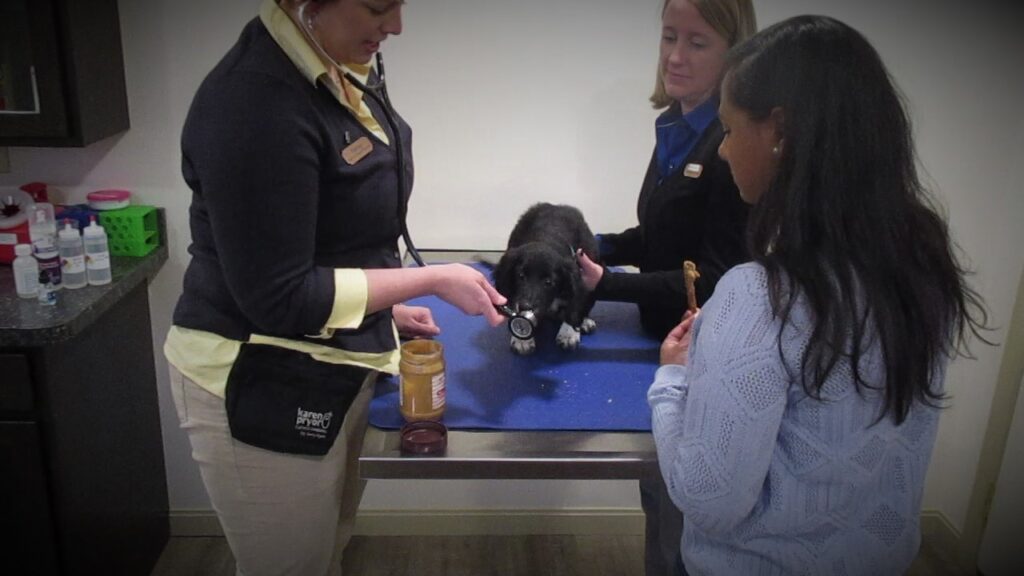
 Hunter, a 2-year-old mixed breed, enjoys looking out the windows in the lobby of our clinic. By starting his visit there, asking his mom questions and listening to his heart and lungs, we can make sure he is comfortable enough to continue his exam in the exam room. But it was a different story when he first came in almost two years ago. Because of a previous frightening experience at another clinic, he was wary of us and the handling and procedures being done. He would bare his teeth, growl, and even try to nip at Dr. Gamble’s hands when she tried to touch him. Through consistent Victory Visits, pre-visit training and medications, and desensitization to areas where vaccines and other needle pokes are typically given, we are now able to provide him and his owner with a comfortable and rewarding experience every time he is in. Now he sits patiently and lets Dr. Gamble examine him—with the help of some cheese and marshmallows, not to mention smears of his favorite treats, peanut butter and canned food. During Hunter’s victory visits, we commonly work on the desensitization process without actually following through with an injection. “Happy visits, along with some training classes and behavior work on our part, have made a world of difference to Hunter,” writes his owner, Beth. “Hunter is now excited to see Emily, Heather, Dr. Gamble, and many other staff members as soon as he walks through the front door. He is a much happier dog at the vet thanks to Gamble Pet Clinic’s Fear Free work.”
 Recently, there was an event called Woof Fest held during a downtown pub crawl. Our clinic sponsored “Dog Trivia,” and I focused the questions on a pet’s emotional health, such as “Is this dog’s body language calm or stressed?” and “A dog wagging their tail is always happy. True or False?” Hundreds of people played our trivia game, and it was such a rewarding experience to educate the public on the topic.
 Sammy had grown up in a hoarding situation and was fearful at the time of his adoption. Unless he was sedated, the six-year-old dog would bark and lunge or even eliminate from fear during veterinary visits. A prescription for an SSRI helped and the team tried additional medications at different doses, but Sammy would push through the medications and continue to show fear aggression. At first, he was unable to generalize that humans weren’t scary, so it was important for him to see the same person at the hospital on each visit. That wasn’t easy, but eventually the right person came along who was able to take the time and effort for Sammy to become comfortable. It took six months of Victory Visits spent eating chicken, practicing chin rests and lying on his side, and undergoing desensitization to having his leg shaved, the scent of alcohol, application of a topical product for numbness, and the pretend poke of a needle, but in July Sammy underwent his first successful blood draw. Now we are routinely doing happy visits to keep the momentum going.
 Bruno is a goofy 8-year-old Bull Arab Cross (a type of Australian working dog). He has always been very friendly at the vet, but once pats stopped and the examination started, he would become suspicious and communicate his discomfort with aggressive behavior. Fortunately, Bruno’s owner has been committed to training. They had private training sessions and attended a Ready, Vet, Go! course. As part of Bruno’s training we incorporated a lot of owner education on subtle body language changes, as well as start and stop cues for Bruno. Bruno was trained with a sustained chin target, using a towel on a chair, as his start cue, meaning “I’m ready for procedure.” If he lifted his head, we immediately stopped the procedure. Bruno was also trained to be comfortable with a Baskerville Ultra Muzzle. We spent time teaching Bruno specific body parts such as tail, ear, and scruff, so that he knew what was about to happen. Over time we were able to pair several good vet clinic experiences (training on a Sunday in clinic) with lots of his fave foods, body scratches, and games. We also introduced veterinary equipment, including syringes, blunt needle, alcohol swabs, and stethoscope. When we weren’t actively training, he was taught a default “chill” behavior and rewarded for relaxed head, tail, and big breaths. He had several socialization visits at the vet, and when he required surgery for a lump removal we did practice runs with pre-visit medication to see what would work best for him. A planned course of action on admission saw him anesthetized as soon as possible to limit buildup of anxiety. Since then Bruno has had further training sessions and socializing vet visits. Recently he had his vaccinations and we were able to give his injection without any restraint by utilizing his muzzle and target training. Bruno is a great example of what teamwork can achieve when you have a committed owner and a Fear Free-trained vet and trainer, not to mention a goofy, food-motivated dog!
 As for black cats, Campbell says giving clever names to adoption campaigns works. The shelter has been successful with its “Desperate House Cats Looking for Homes” (a play on the popular television shows named Desperate Housewives) and “Pick Your Price” (a play on long-running game show The Price Is Right). Adopters often receive a free bag of cat food and qualify for a free veterinary visit. Black kittens and cats up for adoption often sport pastel-colored collars to help them stand out.