Blog Archives

The relationship between clients and their dogs has deepened as more people integrate their pets into daily routines, sharing everything from the food on their plates to the places they sleep. While this close harmony strengthens the mutual benefits of the human-animal bond, it also increases the chance of sharing unwanted parasites.

Ensure nothing—including fleas, ticks, and their associated diseases—can come between your clients and their canine companions with effective parasite education and prevention.

Making room for Fido: Is letting your dog sleep with you OK?

Before we explore the unseemly world of parasites, let’s pull back the covers on canine sleeping arrangements.

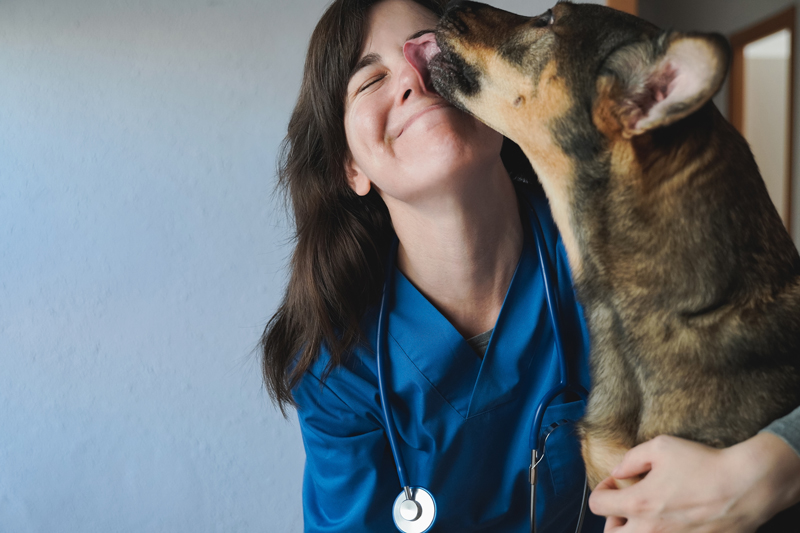
According to veterinary behaviorist Dr. Meghan Herron, DVM, DACVB, FFCP-V, sharing the bed with a dog is acceptable and, in some cases, advantageous for the dog or pet parent. “More and more people want that comfort and affection,” Herron said. “Having a canine companion [share your bed] can be helpful.” However, the dog’s and their owner’s comfort should be a priority. “Not every dog is going to enjoy sharing the bed,” said Herron, citing the need for undisturbed sleep or cooler temperatures as common reasons why. “Some dogs do great in a crate or sprawled out on a hardwood floor.”

While some owners worry that treating their dogs like humans (i.e., anthropomorphism) may lead to a sense of dominance or behavior problems, Herron says this is not the case, adding “there is no known correlation between these interactions and behavior issues.”

When sharing isn’t caring: Health risks

Physical closeness is an everyday way for people and dogs to grow their relationships, but without proper precautions, it can also increase their risk for certain health hazards. Fleas and ticks can easily move from dogs to humans, often unbeknownst to us as we sleep or rest. While ticks are less nimble than fleas—who can jump two feet high and 40 to 100 times their body length—unattached ticks can easily migrate from dog to owner.

In addition to causing painful bites, fleas and ticks can infest the client’s home, trigger flea allergy dermatitis, and transmit harmful diseases, including Lyme disease, Rocky Mountain Spotted Fever, ehrlichiosis, and anaplasmosis, through their saliva. Such challenges can potentially compromise the human-animal bond, as discomfort, illness, or household changes (e.g., alternative sleeping arrangements) can cause fear, anxiety, and stress in pets and people alike.

Ultimate comfort: Protecting the dog-owner bond with effective parasite prevention

Fortunately, many parasite preventive options are available for dogs that can prevent undesirable bedfellows such as fleas and ticks and help dogs and owners preserve their close relationship. “There are preventions out there that can stop parasite-related problems before they even start and help treat the problem if it has started,” Herron said.

The best product for each canine patient will depend on the dog’s preferences and comfort, and practical matters such as convenience and efficacy. The two parasiticide types include:

  • Topical products — These liquid medications are applied to the skin between the dog’s shoulder blades and are absorbed rapidly. While most dogs tolerate these products well, some may be sensitive to the physical restraint required during the application or to the applicator’s or product’s sensation on their skin. In these situations, topical products and their application can create stress for the dog and pet parent.
  • Oral products —  Oral parasiticides are available as chewable tablets or flavored chews. They can be a convenient, mess-free, and fast-acting option for dogs who readily take medication by mouth. According to Herron, these products “provide the same level of protection [as topical products], but the dog can eat it like a treat,” creating a less stressful experience for both the dog and owner.

Effective parasite prevention isn’t only about safeguarding health but nurturing and enhancing the human-animal bond by preventing infestation and disease, and associated fear, anxiety, and stress. Educating pet parents about how proper prevention protects their dog’s physical wellbeing and their ability to share in all aspects of life—from mealtime to bedtime—can help ensure more dogs and people enjoy greater health, happiness, and harmony.

This article was reviewed/edited by board-certified veterinary behaviorist Dr. Kenneth Martin and/or veterinary technician specialist in behavior Debbie Martin, LVT.

Want to learn more about Fear Free? Sign up for our newsletter to stay in the loop on upcoming events, specials, courses, and more by clicking here.

Brought to you by our friends at Elanco.

Creating Inclusive Spaces in the Pet Professional Industry

In honor of Pride Month, join us for an insightful discussion on the importance of inclusivity in the workplace and how it leads to better care for pets, owners, and professionals in the industry. Our panel of experts will share their experiences and best practices for fostering a culture of acceptance and support within your community.

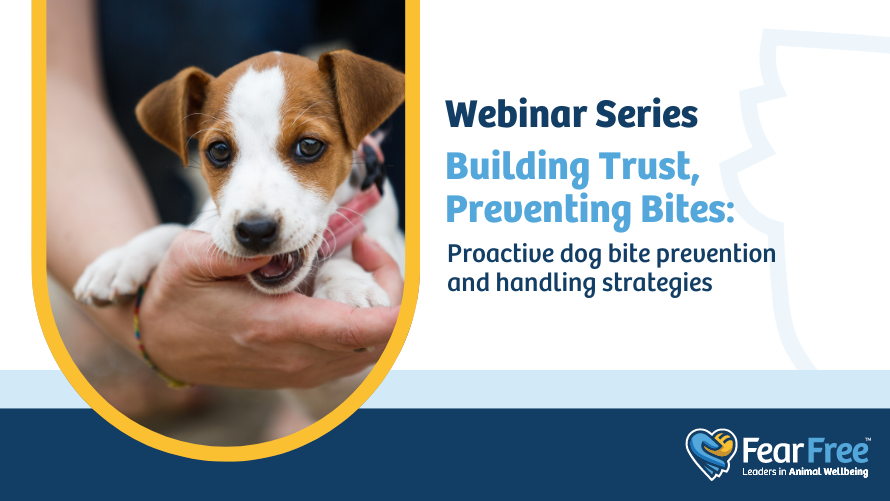
Building Trust, Preventing Bites: Proactive dog bite prevention and handling strategies

Join us as we explore how being proactive, rather than reactive, can significantly enhance workplace safety and foster a harmonious environment for both humans and pets. Discover practical techniques and approaches to mitigate potential aggression and create a happier, safer workplace for everyone involved.

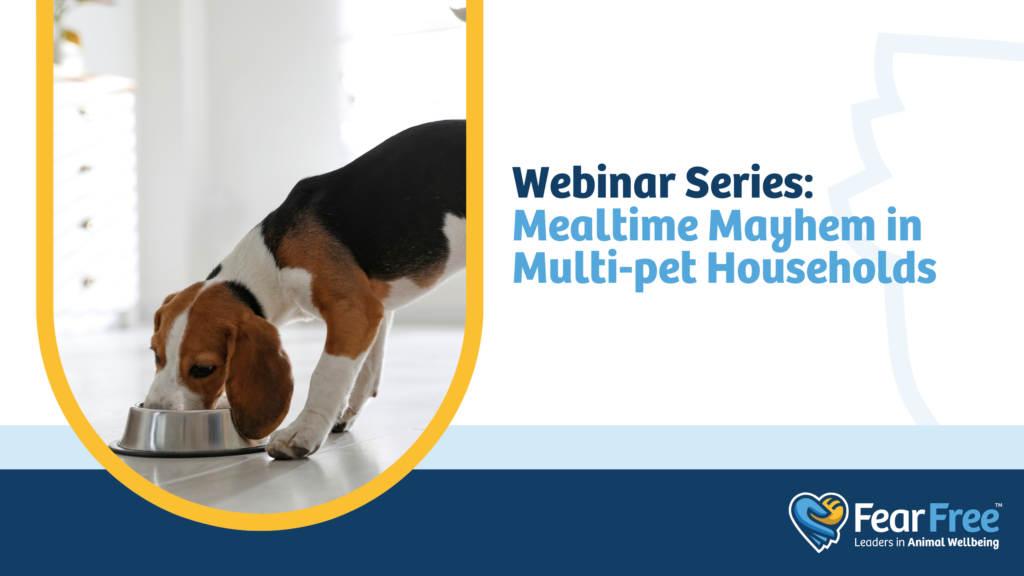
Mealtime Mayhem in Multipet Households

Does mealtime feel frenzied or nerve-wracking when caring for multiple pets in the same household? It’s not uncommon for pet professionals, and even pet parents themselves, to feel frazzled or even anxious during these moments, but have you also considered how the pets might be feeling in the frenzy?

Vaccinations are critical for a pet’s health and safety, but some pet parents may be hesitant to agree with your vaccine recommendations. Pet owners may have needle phobias, be concerned about over-vaccination, or remember past visits when their pets became fearful or stressed about vaccination. Unfortunately, these reservations can mean missed appointments and unprotected pets.Fear Free Certified® Professionals now have a new tool in their arsenal to reduce fear, anxiety, and stress (FAS) surrounding vaccination visits: highly purified, low-volume vaccines from Elanco’s TruCan™ and TruFel™ Ultra line. When vaccinations are more comfortable and less stressful for pets, pet parents are more likely to follow your recommendations and keep their pet’s vaccines up to date.

Fear Free® vaccination techniques

Vaccines are one of the most common services performed in veterinary clinics, which creates daily opportunities to improve the process. Since vaccines are given as subcutaneous injections, we can apply many standard Fear Free principles to reduce FAS. Considerate approach, gentle control, touch gradient, and—of course—a steady stream of treats are great ways to reduce the chances of your patient noticing or reacting to the injection. Allowing vaccines to warm to room temperature, using small-gauge needles, and always changing the needle after pulling up the vaccine are additional techniques you can use to reduce discomfort during injections.

Pets with long-standing needle sensitivities may require pre-visit pharmaceuticals (PVPs) or in-clinic sedation to update vital core vaccines when time is limited. Otherwise, implementing a desensitization and counterconditioning program at home can help pets experiencing fear learn to accept injections.

The Elanco Ultra vaccine technology

Once pets reach a point of vaccine acceptance and cooperation, the last thing you want to do is administer a painful injection that causes them to backslide. Choosing the right vaccines can significantly impact a pet’s reaction to the injection and the likelihood of a successful Fear Free visit. Elanco’s TruCan™ and TruFel™ Ultra vaccines were designed specifically to create a better vaccination experience.

The Ultra vaccine line provides a smaller vaccine volume (0.5 mL) and up to 75% fewer proteins, attributed to Elanco’s PureFil™ technology. Unique combinations, including FVRCP plus feline leukemia for cats (TruFel™ Ultra HC2P-FeLV) and DAP plus leptospirosis 4-way (TruCan™ Ultra DAP + L4) for dogs, ensure that pets are protected with fewer needle sticks and less stress.

Talking points for clients

Vaccine conversations can be sensitive. Vaccine hesitancy isn’t new, but a great deal of misinformation about vaccines during the pandemic may leave lingering doubts in some pet owners’ minds. Clients may also worry about vaccinating their pet too much, and causing pain, discomfort, or a negative reaction.

Elanco vaccines can help you compassionately address client concerns. When a client demonstrates vaccine hesitancy, use the following points to explain how your vaccines support a Fear Free visit and lifestyle.

  • Possible reduced reaction risk — Ultra purification reduces proteins and debris, which may reduce the chance of a negative reaction.
  • Comfortable injections — 0.5mL vaccines, which are often used in human medicine, are half the volume of traditional vaccines and allow for faster administration with a smaller needle.
  • Fewer injections —  A variety of vaccine combinations reduces the number of injections required to achieve complete protection, which means fewer needle sticks.

Together with a Fear Free approach, Elanco Ultra vaccines can help transform the vaccination experience and reduce FAS for pets and their families. Learn more about Elanco’s innovative products here, or visit our Fear Free website to access our continuously updated member resources.

The label contains complete use information, including cautions and warnings. Always read, understand, and follow the label, and use directions.

PM-US-24-0284

This article was reviewed/edited by board-certified veterinary behaviorist Dr. Kenneth Martin and/or veterinary technician specialist in behavior Debbie Martin, LVT.

Want to learn more about Fear Free? Sign up for our newsletter to stay in the loop on upcoming events, specials, courses, and more by clicking here.

Brought to you by our friends at Elanco.
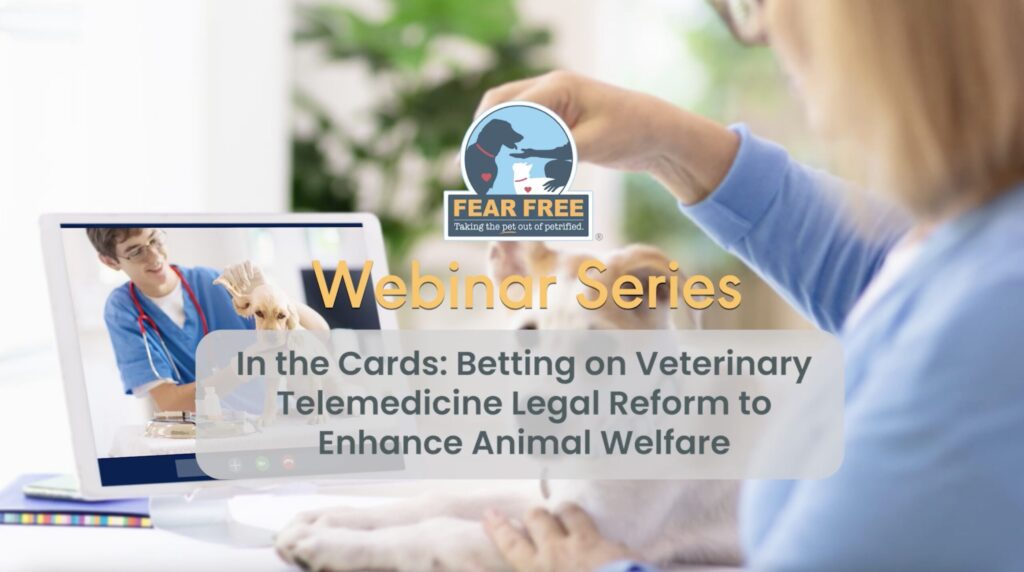
Exploring the Benefits of Veterinary Telemedicine: A Fear Free Future

Veterinary telemedicine holds tremendous potential for improving animal welfare by increasing veterinary access for pet owners, reducing unnecessary pet fear, anxiety, and stress, and enhancing shelter programs. While federal and state laws have expanded access to telemedicine for people, telemedicine for pets remains limited, so the ASPCA is working with state lawmakers across the country to expand access to veterinary care, which can help bridge gaps in care caused by workforce shortages and help keep pets in loving homes. Join ASPCA experts for a special webinar hosted by Fear Free to learn about the ASPCA’s work to improve access to veterinary care through telemedicine and how you can get involved to help pass laws that effectively empower veterinarians to use telemedicine technology to help more animals in need.

Pheromone Use in Veterinary Clinics: A Fear Free Approach
In the world of veterinary care, creating a stress-free environment is not just a goal; it’s a necessity for the health and wellbeing of our furry patients. The integration of pheromones into veterinary practices has revolutionized the way we approach animal stress, aligning perfectly with the Fear Free initiative’s mission to prevent and alleviate fear, anxiety, and stress in pets. bSerene™ is at the forefront of this movement, offering science-based pheromone products specifically designed for dogs and cats.The Power of Pheromones in Creating Calm
Pheromones are chemical communicators that play a crucial role in animal behavior and emotional regulation. These odorless signals are key to social bonding, territorial marking, and many other aspects of animal life. bSerene™ harnesses the power of these natural communicators to create a sense of security and calm in stressful environments such as veterinary clinics.

How Calming Pheromones Enhance Veterinary Care

  • Immediate Detection and Response: Animals detect calming pheromones through the vomeronasal organ, leading to an immediate calming response processed by the brain. This natural mechanism is why pheromone-based products are so effective in reducing stress in clinical settings.
  • Evidence-Based Success: Research supports the efficacy of pheromone use in veterinary practices. Studies show that feline facial pheromones can increase comfort and wellbeing, evidenced by behaviors like increased food intake and grooming. Similarly, canine pheromones have been shown to reduce stress during examinations, making the veterinary visit smoother for both pets and practitioners.

The Power of Pheromones in Creating Calm
bSerene’s partnership with the Fear Free program underscores its commitment to improving the veterinary health care experience. Here’s how you can integrate bSerene™ pheromone products into your practice to support this mission:

Pheromone Diffusers in High-Stress Areas

  • Exam Rooms: Create a calming atmosphere that facilitates smoother assessments.
  • Waiting Rooms: Reduce the anticipation stress often experienced by pets.
  • Kennel Areas: Promote a sense of calm for pets staying for extended periods.

Pheromone Sprays for Direct Contact

  • On Scrubs: Help staff soothe pets through their touch.
  • In Travel Carriers: Ease the stress of transportation.
  • On Towels in Kennels: Provide a comforting chemical message for resting pets.

Pheromone Collars and Valerian Spot-On Treatments
Sending pets home with bSerene™ collars can extend the calming effect beyond the clinic visit. Additionally, advising pet owners to use bSerene™ Valerian spot-on treatments before visits can make a significant difference in managing veterinary visit stress.

A Comprehensive Approach to Stress Management
It’s crucial to remember that stress management in veterinary care requires a holistic approach. bSerene’s innovative use of pheromones, combined with their Fear Free partnership, offers a scientifically backed strategy to enhance the wellbeing of pets. By adopting these practices, veterinary clinics can foster a tranquil environment that benefits pets, pet owners, and clinic staff alike.

Implementing bSerene™ pheromone products in your practice is a step toward a more compassionate and effective approach to veterinary care, ensuring that every visit is as stress-free as possible.

The Dual Benefit: Calmer Pets, Happier Owners
When pets are calm, the entire veterinary experience is transformed. Less stress for pets means:

  • Quicker, More Efficient Visits: Calm pets are easier to examine and treat, leading to shorter and more productive appointments.
  • Reduced Owner Anxiety: Seeing their pets calm can significantly ease owners’ stress, making them more cooperative and receptive during visits.
  • Improved Safety: Stress can lead to aggression. By reducing stress with pheromones, the risk of bites or scratches is minimized, protecting staff, pets, and owners.
  • Enhanced Clinic Reputation: Satisfied clients are more likely to return and recommend your clinic to others, thanks to the positive experiences facilitated by pheromone use.

Clinic Checklist for Implementing Pheromone Solutions 
Incorporating pheromone-based solutions into your veterinary practice is a strategic move toward a Fear Free environment. This checklist is designed to guide clinics through the process of integrating bSerene™ pheromone products effectively, ensuring a calm and stress-reduced setting for all pets.

Initial Setup

  • Evaluate Your Clinic Space: Identify areas where pets commonly show signs of stress, such as the waiting room, exam rooms, and kennel areas.
  • Choose Appropriate Pheromone Products: Select bSerene™ diffusers, sprays, and collars based on the specific needs of your clinic’s layout and the common stressors for pets in your care.

Pheromone Diffuser Placement

  • Install Diffusers in High-Stress Areas: Strategically place diffusers in the waiting area, exam rooms, and kennel or holding areas.
  • Check Diffuser Functionality Regularly: Schedule weekly checks to ensure that diffusers are working correctly and refill them as needed.

Pheromone Spray Usage

  • Integrate Sprays into Daily Routines: Use bSerene™ sprays on items that come into direct contact with pets, such as scrubs, towels, carriers, and examination tables.
  • Educate Staff on Proper Spray Application: Provide training on how and when to apply pheromone sprays to maximize their effectiveness. For instance, allow alcohol-based sprays to dry for a minimum of 15 minutes before a patient comes in contact with sprayed items.

Pheromone Collar and Valerian Spot-On Implementation

  • Stock Pheromone Collars for Post-Visit Stress Management: Offer bSerene™ collars to pet owners as a take-home solution to help pets recover from the stress after a procedure.
  • Recommend Valerian Spot-On Treatments: Advise pet owners to apply bSerene™ Valerian spot-on treatments before visits or in other stressful situations.

Staff Training and Education

  • Conduct Fear Free Training: Ensure that all staff members are familiar with Fear Free principles and how to use pheromone products as part of this approach.
  • Create a Protocol for Pheromone Product Use: Develop clear guidelines for when and how to use each pheromone product in your clinic.

Monitoring and Adjusting

  • Observe Pet Behavior: Pay close attention to how pets respond to the pheromone products and adjust their use as needed to achieve the best results.
  • Gather Feedback from Pet Owners: Regularly ask clients about their pets’ behavior and stress levels following visits to assess the effectiveness of Fear Free interventions, including pheromone use.

Maintenance and Restocking

  • Maintain an Adequate Inventory: Keep a regular inventory of all bSerene™ pheromone products to ensure you never run out.
  • Review Product Usage and Effectiveness: Every few months, evaluate the effectiveness of the pheromone products and consider any necessary adjustments or additions.

Community and Client Education

  • Inform Pet Owners About Pheromone Benefits: Use newsletters, social media, and in-clinic displays to educate pet owners about the benefits of calming pheromones and how they’re being used in your practice.
  • Offer Guidance for At-Home Pheromone Use: Provide instructions and recommendations for pet owners interested in using bSerene™ products at home to extend the stress-reducing benefits.

By following this checklist, your clinic can successfully implement bSerene™ pheromone solutions, creating a more peaceful environment for pets, improving their overall experience, and aligning with the Fear Free initiative’s goals.

This article was reviewed/edited by board-certified veterinary behaviorist Dr. Kenneth Martin and/or veterinary technician specialist in behavior Debbie Martin, LVT.

Want to learn more about Fear Free? Sign up for our newsletter to stay in the loop on upcoming events, specials, courses, and more by clicking here.

Brought to you by our friends at bSerene.

|
Positive social connections are known to improve human health, so might this be true for dogs as well? Like us, dogs experience the same surge of stress-reducing oxytocin during canine-human interactions.

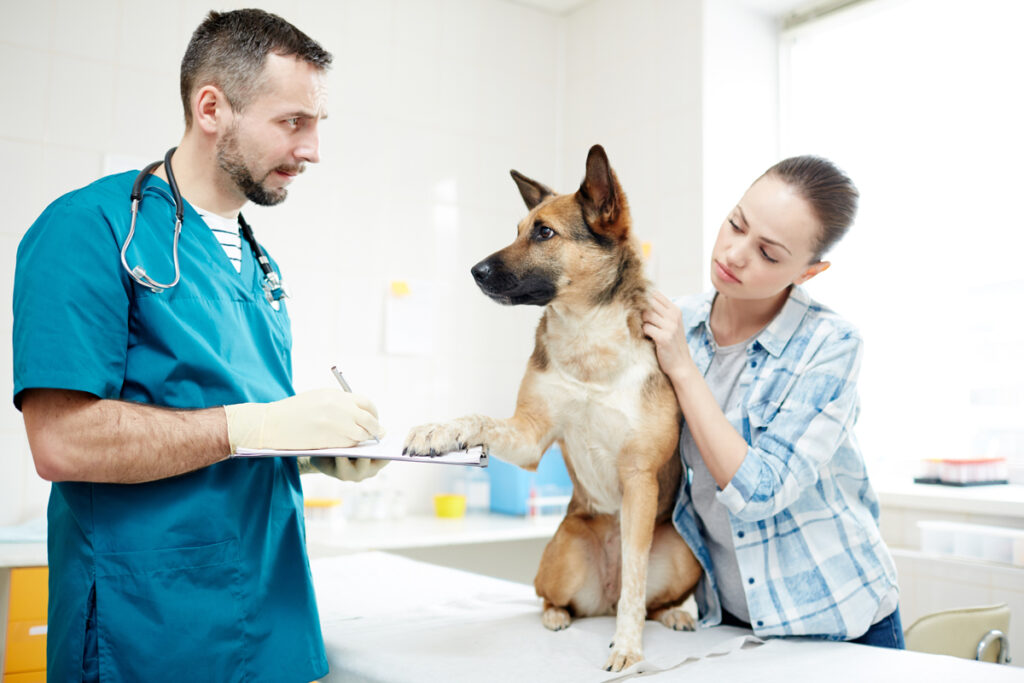
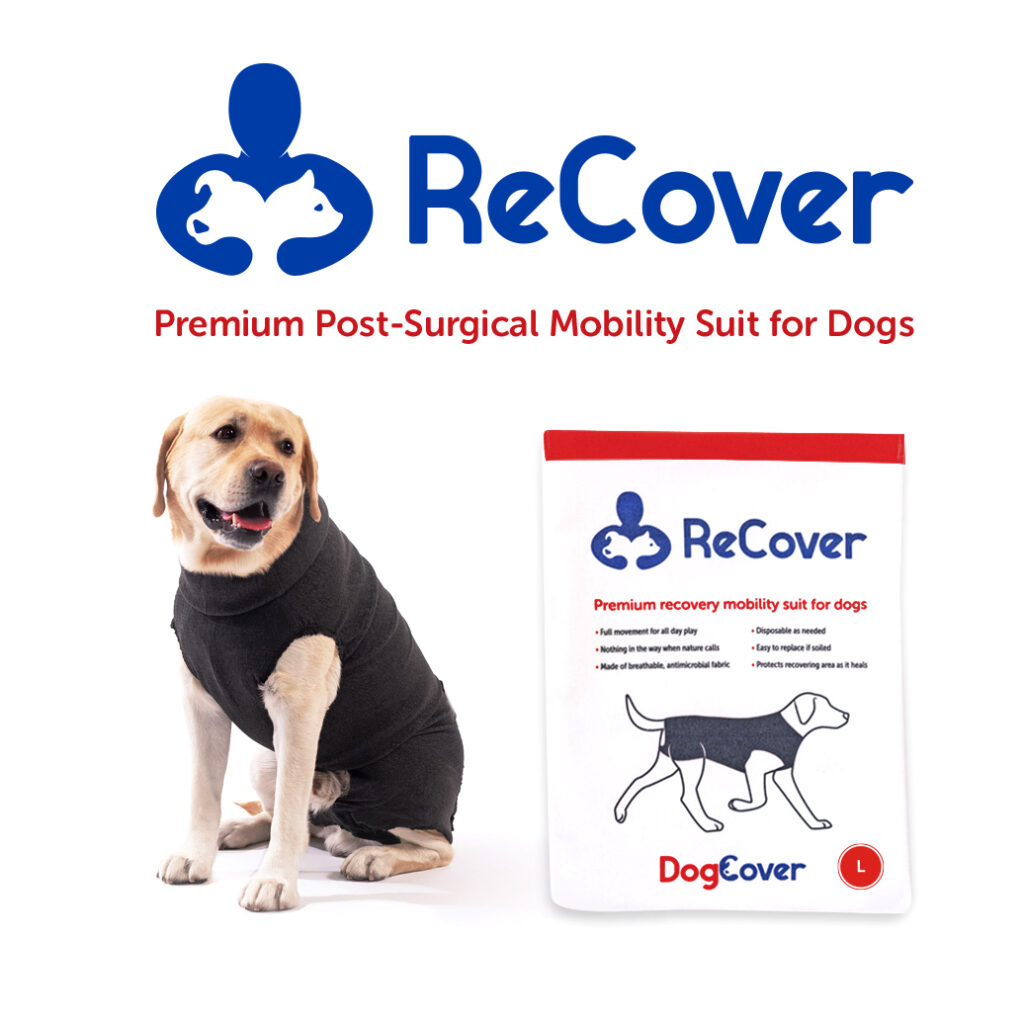
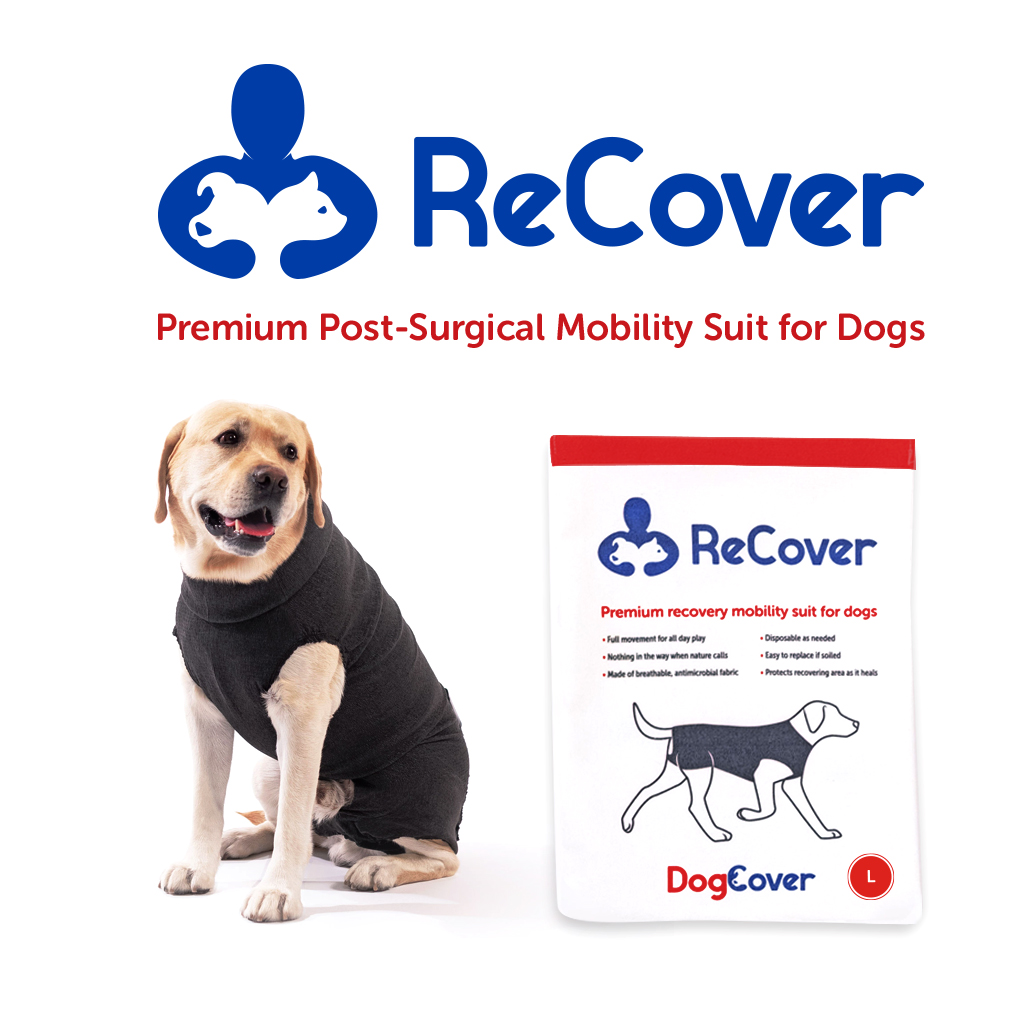
The desire to lavish sick or injured canine companions with love and support, without compromising the recovery process, is what led to the creation of ReCover DogCover—a disposable stress-free garment that protects healing areas while allowing dogs to maintain their mobility, confidence, and independence.

What is the ReCover DogCover?

When Duke II, a happy and playful dog owned and loved by ReCover’s founder, was diagnosed with cancer, his life changed. The skin beneath Duke II’s once luxurious coat developed painful sores, creating a heartbreaking barrier between him and the gentle snuggles and loving caresses that once punctuated his daily life. Despite trying every commercially available product as well as DIY options for dressing Duke II, there was simply no way to simultaneously keep him clean and comfortable while maintaining his physical freedom and ability to enjoy an affectionate touch.

Duke II’s owner noticed a dip in Duke’s spirits, as well as her own. Then, in a conversation with her dog’s veterinary oncologist, inspiration struck—and the ReCover DogCover was born.

A different breed of healing: DogCover benefits

Unlike other pet bodysuits, the ReCover DogCover is a completely disposable step-in garment designed to protect healing areas from bites, scratches, and other physical irritants. The DogCover’s material is entirely breathable, creating positive airflow to the pet’s skin and supporting natural thermoregulation to keep pets comfortable. Additional benefits to the DogCover include the following:

  • Step-in, suit-up design — No tugging, pulling, or pinching! The DogCover can be placed with the dog in a standing position—simply put their paws in the leg holes and prepare to suit up.
  • Custom fit — The full-stretch tear-away fabric ensures a completely personalized fit for every dog, including a tearable perforation along the underside so males can freely urinate without soiling the fabric.
  • All day and night wearability — The DogCover’s customizable fit ensures you won’t have to remove the suit for bathroom breaks. The dog stays clean and dry.
  • Flexible, full-stretch material — Whether a dog is on post-surgical crate rest or is allowed to run and play, the DogCover’s soft, stretchy material ensures full-body comfort and coverage.
  • Antibacterial surfaces — Bacteria-resistant inner layers protect wounds and incisions from irritation and secondary infections.
  • Water-repellent outer layer, internal absorbency — The DogCover protects the pup from the elements (e.g., rain, puddles), while the moisture-wicking interior draws natural fluids away from the pet’s wound or incision—ensuring a clean and dry environment.
  • UV-resistant, flame-retardant material — All DogCover materials are thoughtfully selected to ensure the dog’s safety.
  • Disposable and biodegradable — Don’t worry about disinfecting the DogCover. To ensure the desired hygiene level, each garment is designed for a single use. And because we’re equally passionate about environmental responsibility, the DogCover is 35 percent biodegradable.

In addition to its at-home applications, the DogCover’s convenient, stress-free design and consistent benefits have made it an asset in veterinary clinical settings, including the highly-regarded Animal Medical Center in New York City, where it is being used with great success.

Dressed for success: Reducing post-surgical stress with the DogCover

In addition to protecting your patients physically, the ReCover DogCover enhances their emotional wellbeing by reducing stressors typically associated with the recovery process, allowing them to live a more normal life. Some positive impacts:

  • Enhanced comfort  — DogCover’s soft, flexible fabric and personalized fit are non-irritating, ensuring the pet can enjoy restful sleep—a critical aspect of healing.
  • Fewer changes to the dog’s daily routine — Dogs thrive on consistency and the ability to predict what happens next. By minimizing potentially stressful changes (e.g., putting on and removing a bandage, wrap, or other recovery device, and limiting specific physical activities or interactions), dogs feel more relaxed and confident.
  • Inclusion in household activities — Dogs can perform all their normal behaviors while wearing the DogCover, including elimination, eating, drinking, sleeping, going for walks, playing with toys, and simply being part of the family.
  • Optimal healing and recovery — Recovery complications can delay your patient’s healing and their return to normal, resulting in additional pain, medications, confinement, and stress. The 24/7 protection provided by the DogCover increases the likelihood of a smooth and timely recovery.
  • Uninterrupted affection — When you don’t have to worry about disrupting your patient’s healing or contaminating their incision, you can feel free to spoil them with affection. These positive interactions provide powerful reassurance and can help your patient feel at ease—even when everything else seems out of sorts.

With the ReCover DogCover premium post-surgical recovery suit for dogs, your patients can experience an enhanced recovery journey with less fear, anxiety, and stress, while you can feel confident and empowered to appropriately manage their care.


This article was reviewed/edited by board-certified veterinary behaviorist Dr. Kenneth Martin and/or veterinary technician specialist in behavior Debbie Martin, LVT.

Jaime Bast RVT, CCRP, KPA-CTP, FFCP is a copywriter and registered veterinary technician from St. Louis, Missouri. In her free time, Jaime loves learning about canine nutrition, behavior, and training and competing with her American cocker spaniels in a variety of dog sports.

Want to learn more about Fear Free? Sign up for our newsletter to stay in the loop on upcoming events, specials, courses, and more by clicking here.

Brought to you by our friends at ReCover.

A four-part “from the trenches” series, written by a Fear Free veterinarian for Fear Free veterinary professionals.This is Part Four of a four-part series on helping Fear Free Certified Veterinary Professionals handle patients with high levels of FAS and communicate with their owners.

By Julie Liu, DVM

Despite our best efforts and education, we may encounter client barriers with providing Fear Free care such as refusal of PVPs or sedation, objections to safety tools like basket muzzles, and declining referral to a positive trainer to help with vet visits. It’s worth exploring other ways to help lower FAS such as regular happy visits, outdoor exam rooms, and calming supplements. However, these options are often insufficient for staff members to handle a high FAS pet safely and compassionately.

Emphasizing the safety component can help get some of these clients on board. Just as with other signs of FAS, we should educate clients when their pet is growling, hissing, snapping, swatting, baring their teeth, or showing whale eye. Some high FAS pets are in such a state of panic and “flight” that they bruise, scratch, and otherwise injure staff members when trying to get away. Clients should be informed that staff safety is non-negotiable (“We need to keep our team members safe”), and that because their pet is showing the highest level of stress possible, we are unable to proceed safely without a change in the plan. The client-facing FAS spectrum handouts for cats17 and dogs18 help illustrate these body language cues in a non-judgmental way. We should think as well about the safety of the pet as they could easily come to harm themselves. I had one high FAS canine patient who became so stressed at one visit that she had a seizure the second she walked through the clinic door, and have seen multiple dogs rub their noses raw or bite frantically at kennel bars after being dropped off.

Unfortunately, team safety, emotional health, and all of the myriad reasons to take a Fear Free approach may not be enough to convince some clients. The thought of giving their high FAS pet an anxiolytic or briefly placing a basket muzzle may be so antithetical to a client’s personal beliefs as a pet parent that they will not be swayed regardless of how many options you present.

At this point you need to ask yourself:  What will be the emotional toll on me, my team, and my patient if I continue? Is it worth placing myself and my team at risk of injury? How will my decision affect Fear Free clinic culture? These are especially important questions to consider if you’re a hospital leader. Staff members may not feel comfortable voicing their ethical concerns, and leaders must always advocate for the wellbeing of their team. In 2018, the Journal of Veterinary Internal Medicine surveyed nearly 900 North American veterinarians regarding ethical conflict and moral distress19. When respondents were asked, “How often have you had a conflict of opinion with pet owners about how they wish to proceed in the treatment of pets?”, roughly 53 percent noted “sometimes,” 32 percent replied “often,” and 1 percent answered “always.” In the same survey, over 73 percent of vets responded that “not being able to do the right thing for a patient caused their staff moderate to severe stress” and 78 percent responded that this caused moderate to severe distress in themselves.

In many cases, it will be best for your team to set a boundary and either decline to continue with the visit, or even initiate a respectful conversation about why your clinic may not be the best fit. Boundaries can be scary because many of us in vet med are people pleasers20, and we feel guilty or “bad” for saying no to a client. However, boundaries are essential for protecting the emotional and physical welfare of every member of the team. When it comes to setting a Fear Free boundary, it’s also an animal welfare issue. We shouldn’t feel guilty for refusing to perform surgery on a pet when a client is against pain medications; adequate analgesia is the surgical standard of care. Similarly, we shouldn’t feel guilty for stopping with a high FAS pet when a client doesn’t respect team member safety or value their pet’s emotional health, because Fear Free is the emotional standard of care. Cultivating and retaining clients who are invested in their pet’s emotional needs will help the pet, the client, and the team succeed.

Summary

Vet clinics are often highly stressful places for pets, making high FAS pets common.  Focusing on client education, being flexible during the visit, and knowing when to draw an ethical boundary will help team members navigate a safe and humane approach to the patient while keeping their own wellbeing at the forefront.

This article was reviewed/edited by board-certified veterinary behaviorist Dr. Kenneth Martin and/or veterinary technician specialist in behavior Debbie Martin, LVT.

Dr Julie Liu is a Fear Free and Cat Friendly veterinarian, speaker, and freelancer based in Austin. She serves as the Vice President of the Relief Veterinary Medical Association and recently launched My Family Cat, an in-home and virtual feline behavior consulting practice serving the cats of Austin. Learn more about Dr. Liu and her work at www.fluxvet.com and www.myfamilycat.com.

Continue learning about managing patients with high FAS through Part OnePart Two & Part Three of this series.

 Want to learn more about Fear Free? Sign up for our newsletter to stay in the loop on upcoming events, specials, courses, and more by clicking here.      

Resources

  1. Moral stress the top trigger in veterinarians’ compassion fatigue | American Veterinary Medical Association
  2. https://journals.sagepub.com/doi/full/10.1177/1098612X221128760
  3. https://fearfreepets.com/pain-and-fear-two-sides-of-the-same-coin/
  4. https://icatcare.org/our-campaigns/pledge-to-go-scruff-free/
  5. https://fearfreepets.com/treat-ladder/
  6. https://fearfreepets.com/top-10-treats/
  7. https://fearfreepets.com/wp-content/uploads/delightful-downloads/2019/01/Keep-Calm-and-Muzzle-On-1.pdf
  8. https://fearfreepets.com/courses/fear-free-certification-program/
  9. https://fearfreepets.com/courses/fear-free-certification-level-3/
  10. https://fearfreepets.com/fas-spectrum/
  11. https://fearfreepets.com/wp-content/uploads/delightful-downloads/2020/08/Dog-Sedation-Pain-Algorithm-2020.pdf
  12. https://fearfreepets.com/wp-content/uploads/delightful-downloads/2020/08/Cat-Sedation-Pain-Algorithm-2020.pdf
  13. https://fearfreepets.com/calming-pet-owners-concerns-sedation/
  14. https://www.felinegrimacescale.com/
  15. https://fearfreepets.com/courses/fear-free-level-2/
  16. https://www.avma.org/resources-tools/practice-management/communicating-clients-using-right-language-improve-care
  17. https://fearfreepets.com/resources/fear-free-store/fear-anxiety-and-stress-spectrum-cat/
  18. https://fearfreepets.com/resources/fear-free-store/fear-anxiety-and-stress-spectrum-dog/
  19. Moses L, Malowney MJ, Wesley Boyd J. Ethical conflict and moral distress in veterinary practice: A survey of North American veterinarians. J Vet Intern Med. 2018 Nov;32(6):2115-2122.
  20. https://www.youtube.com/watch?v=ExaL-pp9Kok&t=1531s