You must be a Fear Free member to access this content.
Lisa Radosta, DVM, DACVB, shows how to examine a feline patient who is exhibiting mild to moderate FAS in a safe and controlled manner.
You must be a Fear Free member to access this content.
Lisa Radosta, DVM, DACVB, shows how to examine a feline patient who is exhibiting mild to moderate FAS in a safe and controlled manner.
Debbie Martin, RVT, CPDT-KA, KPA CTP, VTS (Behavior), demonstrates how you can help coach your clients to get their dogs on the scale easily and without stress.
[wcm_restrict plans=”level-1-group-leader, certified-practice, groomer-certification, animal-trainer, student, sitter-certification-program, boarding-daycare-certification-program”]
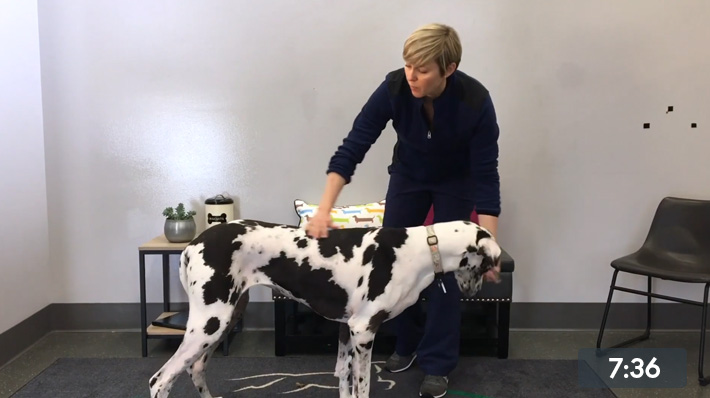
Kristin Kirkby Shaw, DVM, MS, PhD, DACVS-SA, shows you how to perform a one-minute orthopedic exam on a dog utilizing Fear Free principles. For a more detailed exam, you can view an extended video here.
[/wcm_restrict]
[wcm_nonmember plans=”level-1-group-leader, certified-practice, groomer-certification, animal-trainer, student, sitter-certification-program, boarding-daycare-certification-program”]
[/wcm_nonmember]
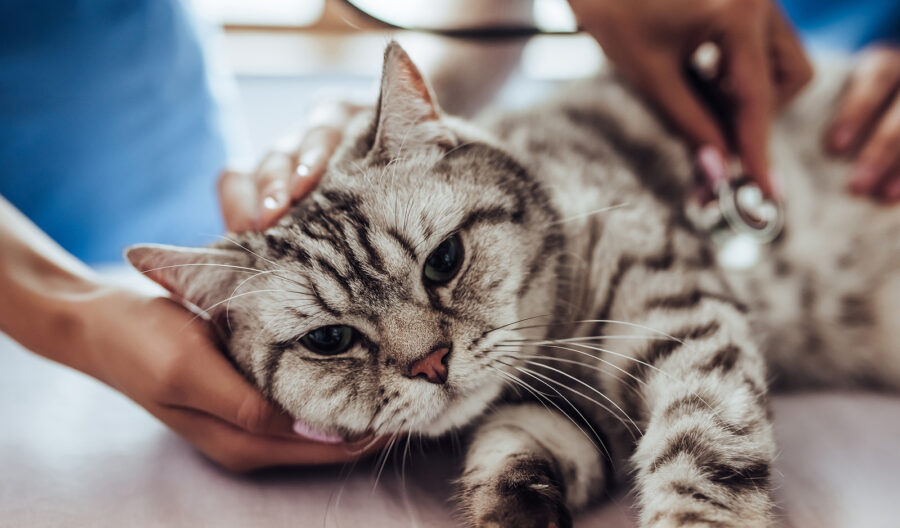
Fear of the veterinarian is a common finding among our feline patients and unfortunately, left unaddressed, can often escalate to aggression and worse veterinary care. Cat parents may put off bringing their cat to the vet due to the stress involved, and veterinarians are often unable to perform an exam, diagnostics, or treatments due to risk of injury. If you’ve ever attempted to “examine” one of your feline patients by observing them solely from the carrier, a recent JAVMA study1 may bring hope.
In the double-blinded, randomized, placebo-controlled study, two groups of healthy cats at least 6 months of age were given either gabapentin or a placebo capsule two hours before the first of two veterinary visits. One group had a history of fear-based aggressive behaviors (FAB), and the other did not.
During the vet visits, the cat parent was present but did not interact with the cat, and the vet attempted to go through the following steps with a standardized clinical exam, corresponding to a compliance score of 0 through 9: no handling; removing the cat from the carrier; cardiopulmonary auscultation; abdominal palpation; intraoral exam; ocular exam; otic exam; rectal temperature; and finally, return of the cat to the carrier. The exam was stopped if the cat tried to bite or scratch the vet, but the exam continued if the cat hissed or growled. On the second of the two visits, performed a mean of about 15 days after the first visit, the cat received the opposite treatment of either placebo or gabapentin and the steps to attempted clinical exam were repeated.
The results suggested that the compliance scores of cats in the FAB group that received gabapentin were significantly higher (median, 9) than the same cats with FAB that received a placebo (median, 0.5). Forty-two percent of the cats receiving gabapentin did experience some side effects, most commonly drowsiness and myorelaxation. However, all adverse effects had resolved after approximately 10 hours, which is a reassuring point to make with concerned cat parents. In addition, most cat parents in the study rated the gabapentin and the placebo as being fairly easy to administer with regular food.
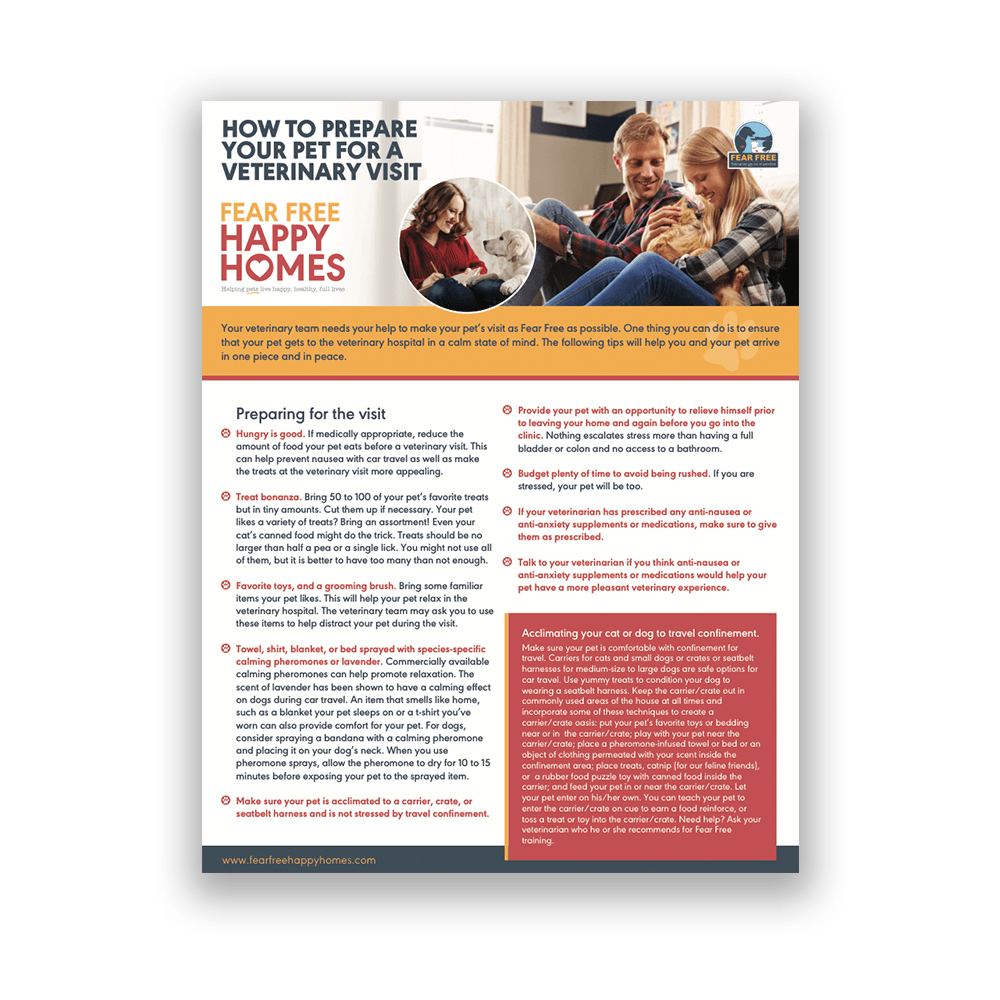
If you’re not using gabapentin routinely for your feline patients to reduce stress, now is a great time to start. An easy way to get cat parents on board is to send home a “Fear Free goody bag” that includes two free doses of 100 mg gabapentin (a trial dose and a day-of dose), an individually packaged Feliway wipe, and the Fear Free handout “How to Prepare Your Pet for a Veterinary Visit.”2 Cat parents who balk at having to pay a dispensing fee for a gabapentin prescription may welcome a sample, and gabapentin is so inexpensive that the cost vs. benefits of actually being able to handle and treat your feline patients will pay off a thousandfold. Just make sure you discuss potential side effects and recommend that they give the gabapentin in a tasty treat such as Churu to avoid causing a food aversion with their regular canned food.
If the cat parent does their part by administering the gabapentin to their fearful cat, we as Fear Free Certified Professionals must do ours and use feline-friendly handling. A perfectly mellow cat floating away on a cloud of gabapentin is going to come crashing to earth if they’re scruffed or dumped out of their carrier. While removal from the carrier was the second step in this study’s standardized physical exam, if a cat doesn’t want to come out of the carrier on their own, they’ll often become much more stressed when they’re removed from the familiar environment of their carrier. Try removing the top of the carrier and allowing your feline patient the option of hiding in the towel–you’ll find that you can often do an entire exam, vaccines, and sample collection this way without the cat escalating to FAB.
For more info on feline-friendly handling, check out the updated, amazing, and free AAFP webinar by Dr. Ilona Rodan.3 Even experienced cat people will learn some great tips on ways to keep their feline patients as relaxed as possible.
This article was reviewed/edited by board-certified veterinary behaviorist Dr. Kenneth Martin and/or veterinary technician specialist in behavior Debbie Martin, LVT.

This one-hour course is for Fear Free Certified veterinarians considering relief work and relief vets considering Fear Free certification—both of which have an opportunity to positively impact the profession but also face unique challenges. Throughout this course, you will learn how to practice Fear Free as a relief vet and address different types of communication unique to this role. In addition to bringing Fear Free to general relief practice, we’ll also cover some of the situations you may encounter in emergency or shelter relief practice. You’ll also learn tips for identifying compassionate clinics who share your Fear Free philosophy.
This course contains nine short lessons:
This course was written by Julie Liu, DVM, and Cindy Trice, DVM and is approved for 1 hour of RACE CE.
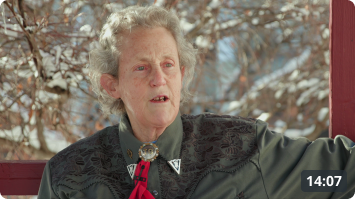
Join world-renowned animal behaviorist, award-winning author, and subject of an Emmy-award winning film Temple Grandin, Ph.D., as she takes a tour of a veterinary hospital with Fear Free founder Dr. Marty Becker and describes what she sees, hears, and experiences. Learn through Dr. Grandin’s first-hand observations how we can better “see” things from animals’ perspectives and how even small improvements, exactly like the ones taught in Fear Free’s Veterinary Certification Program, can make a world of difference for cats and dogs.
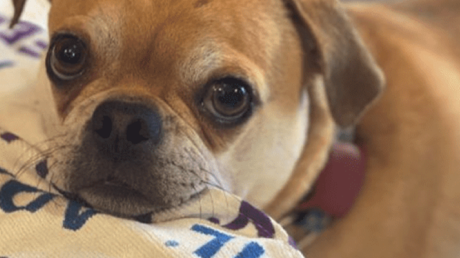
The chin rest is a valuable cooperative care behavior that allows for a hands-off, consensual way to keep an animal still for veterinary exams, husbandry care, grooming, and other procedures. A chin rest serves as an indication from the animal that he is ready to engage in a handling or care procedure. By giving him a choice to “opt out,” even for a few seconds, chin rest empowers the animal to have a voice and greatly reduces his FAS.
In this course, you will learn the steps for training a solid chin rest behavior to an advanced level and discover its many practical, on-the-job applications.
This course includes three lessons:
This course was written by Mikkel Becker, CTC, KPA CTP, CBCC-KA, CPDT-KA, CDBC.
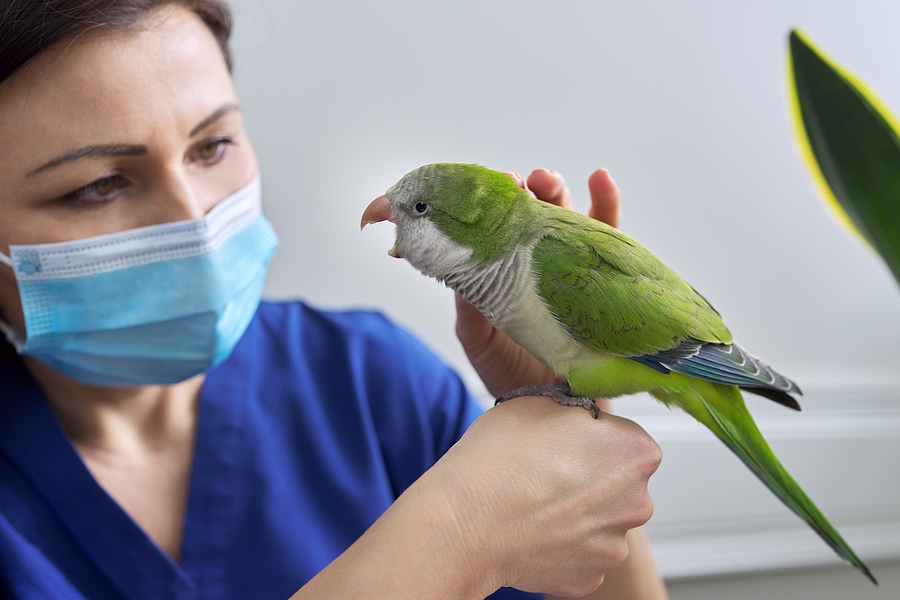
With feathered companions, this is especially important, as many avian behavioral issues may be related to lack of environmental stimuli; specific relationships with members of the household; the owner’s behavior; and daily schedule and routine, to mention a few key pieces of behavioral history taking. Most veterinary behaviorists require a client to complete a behavioral questionnaire prior to the pet’s appointment, but even with this information, they must act as detectives, sifting through the information and asking further questions in the examination room.
This article will discuss four aspects of collecting an avian behavioral history. Having a thorough understanding of the situation can help the veterinary team reach a diagnosis.
This first step is an important factor in taking a history, even though it doesn’t relate to the bird’s behavior. Veterinary professionals should present themselves in a way that promotes and creates an open and honest relationship with the pet owner. If the client feels judged, the history obtained may not be accurate history, leading to misdiagnosis.
Humans communicate visually and verbally. Actively listening and appearing open, sympathetic, and relaxed are important when entering the room to evaluate the patient and meet the owner. When in an exam room with clients, I mention specific behaviors that may be challenging to ignore and tell the client that everyone makes mistakes and we all lose our tempers. I evaluate the client’s nonverbal body language and based on that, I may state that there is zero judgment in this space and that we are a safe zone. We support owners and understand that they are in the office to help their pet. It is not our job to judge, but to help the owner and pet move forward.
Clients who obtain parrots may or may not fully understand normal parrot behavior. Many clients bring their bird in for behavioral evaluation only to learn that the behavior is normal for that species. Parrots, for instance, are inherently loud, destructive, and messy. The parrot walking into the consultation is going to be the same parrot walking out. Giving the client clear expectations can be informative for clients and help them understand long-term goals for modification of unwanted behaviors. Communicating that some of these behaviors are normal can educate the client and lead to a discussion on how to manage the behavior moving forward.
This can be the most challenging part of obtaining the behavior history. It is important for the veterinary professional to witness typical behavior for the bird. With birds, the majority of behavior is going to be displayed in their home environment where they feel most comfortable. Most birds will alter their behavior in the presence of unfamiliar people. While using video to evaluate the behavior is valuable, it may add new, potentially “scary” stimuli to the situation, and this may influence the bird’s behavior.
To help to counteract this, have the client bring the camera or tripod into the environment a few days prior to collecting video and data. This should help the bird habituate to the camera and reduce or eliminate behavior changes. In the text Manual of Parrot Behavior, edited by Andrew Luescher, DACVB, it is recommended that clients film the following prior to the consultation:
The goal of these videos is to give the veterinary professional insight to how the bird interacts at home. The veterinary team can then read and understand the animal’s body language as it is displayed during each circumstance or situation. Caution the client against purposefully eliciting aggressive behavior or frightening the bird. The goal is for the videos to provide a glimpse of the bird’s everyday behavior and comfort level with interactions and surroundings.
The bird’s environment can play a large role in normal or abnormal behavior patterns. This can become a concern when diagnosing a behavior condition. When evaluating the pet’s physical environment, look at the following:
Veterinary professionals may also request that the client submit a video tour of the home. This can aid them in knowing what the pet may be experiencing based on human movement, placement of items, and daily routine.
These are just a few of the considerations to take into account when obtaining an avian behavioral history. Other areas to assess and discuss are the patient’s signalment, breed, developmental history, prior environmental information, and grooming. We will dive into other aspects of taking an avian history in a future blog post.
Reference:
Luescher, Andrew. Manual of Parrot Behavior. Blackwell Publishing. 2006
This article was reviewed/edited by board-certified veterinary behaviorist Dr. Kenneth Martin and/or veterinary technician specialist in behavior Debbie Martin, LVT.
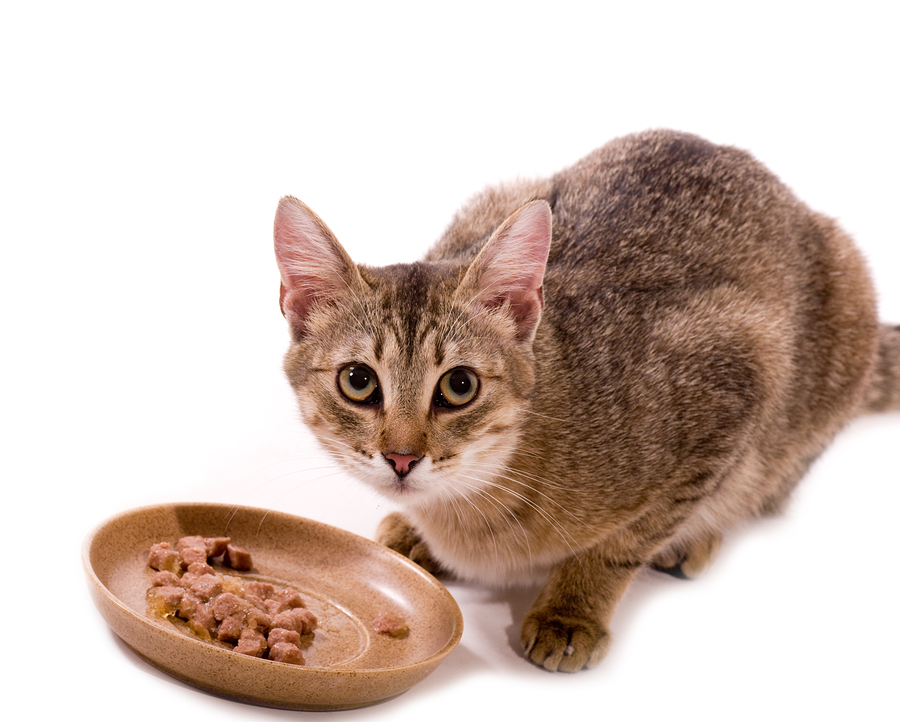
By enrichment, I mean providing suitable outlets to meet the specific, hard-wired needs of a particular species. For cats, enrichment includes the manner in which they are fed.
There’s no doubt that cats, being the predators they are, have a built-in prey drive. But what is the best way to activate that drive, and do cats prefer to be fed?
Years ago, it was discovered that some laboratory rodents and a varied roster of zoo species prefer to work for their food, a phenomenon known as contrafreeloading, rather than dining from a free-standing food dish.
Mikel Delgado, Ph.D., a certified applied animal behaviorist and certified cat behavior consultant, set out to learn if domestic cats contrafreeload in a home environment. The only previous study on cats dated to 1971, with six laboratory cats showing no interest in working for their meals.
Delgado hypothesized that in a home environment, domestic cats would readily contrafreeload and show a preference for eating from a food puzzle compared to a dull tray piled with identical food. She also hypothesized that more active cats would be more likely to contrafreeload.
“I’ve long recommended food puzzles to clients with positive results,” she says. “In nature, cats hunt so I was certain that tapping into what cats are hard-wired to do would be no problem and we’d easily prove the previous study [for cats] wrong. However, science can be funny that way, and yes we were surprised [by the results].”
Those results were recently published in a paper called “Domestic cats (Felis catus) prefer freely available food over food that requires effort” (with Brandon Sang Gyu Han, grad student at the University of California Davis School of Veterinary Medicine, and veterinary behaviorist Melissa Bain, DVM, professor of clinical animal behavior at UC Davis School of Veterinary Medicine) in the Journal Animal Cognition.
Seventeen cats participated in the study, using one consistent food puzzle (Trixie Pet Tunnel Feeder Food Puzzle) with a food dish next to it.
Surprise: Cats did little contrafreeloading. Instead, they mostly chose the easy meal from the bowl. Most cats ate some food from both sources, but the amount of food eaten from the easy meal on the tray was significantly higher than the amount of food eaten from the puzzle. Almost half the cats consumed less than 10 percent of food from the puzzle. And none of the cats were considered strong contrafreeloaders.
“Though surprising, our findings were statistically relevant,” says Delgado. “There wasn’t a lot of variability.”
However, veterinary behaviorist Theresa DePorter, DVM (who is boarded both in the U.S. and Europe), says, “We’ve actually known for a very long time that domestic cats do contrafreeload – depending on how we define contrafreeload – as very well fed indoor/outdoor cats who clearly don’t require a meal but apparently enjoy the chase and catch and then deliver rodents or birds as live ‘gifts.’”
Dr. DePorter, who lives in a rural setting, says one of her cats – who happens to be very well fed – catches mice.
Liz Bales, VMD, notes another factor: “The seeking circuit was missing in this study. Cats need to go through seeking and finding their prey, the hunt. The pounce and eat is only a fraction of the process, which was represented by the food puzzle but it just sits on the ground next to a food bowl and may not be stimulating enough for many cats who naturally are hard-wired to seek. Also, there’s no movement involved with this particular food puzzle, and movement is stimulating for cats.”
Dr. Bales adds: “In my experience, cats being cats, the acclimation period, four to 12 days, of a novel way to feed wasn’t nearly long enough. I would think the acclimation period to the food puzzle should be months and not days.” And indeed, Bales does have acclimation experience as she is also an entrepreneur who created “hunting products” for cats, notably the Indoor Hunting Feeder (https://docandphoebe.com/).
Cats may be timid, cautious or at least circumspect about anything novel such as a new food puzzle, adds DePorter. “Yes, they may well require more acclimation time, particularly since these cats may have had no prior experience with food puzzles.”
Neither Bales nor DePorter quibble with the notion that this study was well-thought out and important, but both consider it only a start, and Delgado doesn’t disagree.
Delgado’s hypothesis that generally more active cats would be more into contrafreeloading also fell flat.
Delgado suggests: “Perhaps it means lives are so enriched of the cats in the study that their drives to use puzzle feeders was reduced. Perhaps we could have better acclimated and more motivated by using treats at first in the feeders. Also, individual cats may have individual preferences to different food puzzles.”
Delgado, who co-owns a website that sells puzzle feeders (www.foodpuzzlesforcats.com) is in no way suggesting pet parents diminish use of puzzle feeders. “For starters, do understand most of the cats in our study did eat something from the puzzle feeder.”
Bales says “countless times” she has witnessed her puzzle feeders contributing to solve behavior problems, which in some cases has kept cats in homes.
DePorter also remains a cheerleader for puzzle feeders. “I absolutely don’t interpret this study is suggesting not to use puzzle feeders – that would be a mistake. We know puzzle feedings are enriching, help to control food intake, and provide physical and mental exercise and may reduce obesity – which is so common among cats. And, of course, obesity leads to a laundry list of issues.”
Delgado concludes, “Certainly, there’s more to learn, more to do – understanding cats has never been easy.”
This article was reviewed/edited by board-certified veterinary behaviorist Dr. Kenneth Martin and/or veterinary technician specialist in behavior Debbie Martin, LVT.
Understanding Declaw Salvage Procedures
Until declaws are eliminated in the United States, you will most likely encounter declawed patients in your practice. With recent advancements in surgery, salvage procedures can help manage pain and improve limb function. Join one of the leading figures in declaw salvage surgery Nicole Martell-Moran, DVM, MPH, DABVP (Feline Practice), to learn about the procedures involved, how to find training, and how you can incorporate it into your practice.