Blog Archives

Multi-cat households can be rewarding but they can also present challenges when cats experience conflict. This webinar provides practical guidance for veterinary teams to support clients in creating peaceful, structured, and stress-free home environments for their cats.

Join Debbie Martin, LVT, VTS (Behavior), FFCP-Elite, KPA-CTP, as she walks through real-world cases, demonstrates practical strategies, and provides actionable guidance for preventing and managing inter-cat conflict.

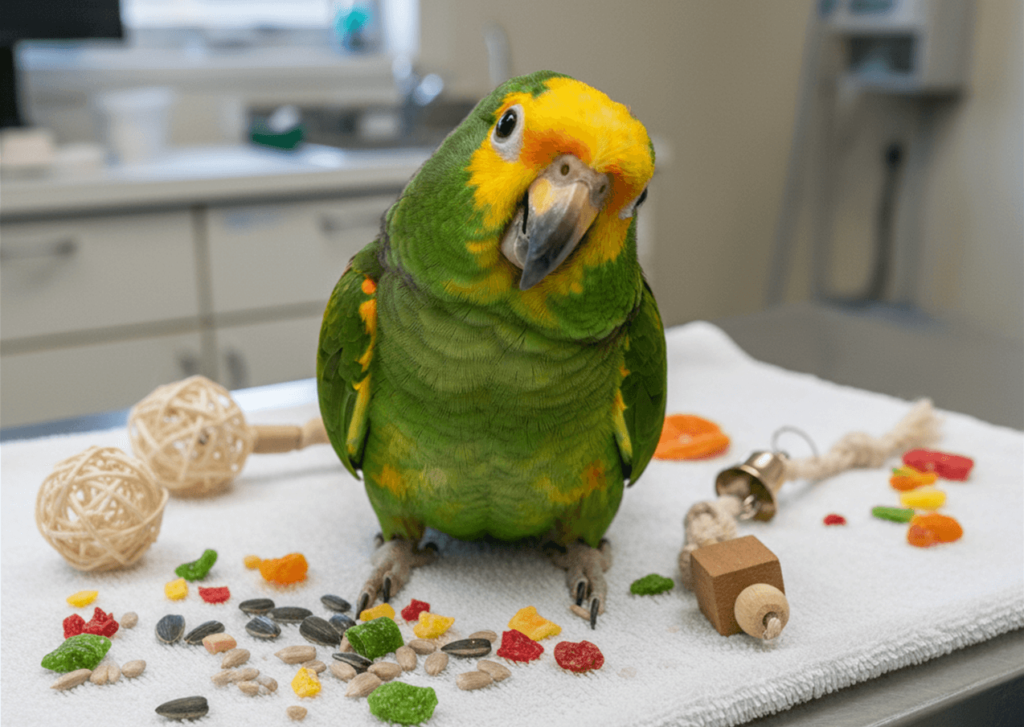
Caring for birds means more than meeting their basic needs; it requires understanding their natural behaviors and providing enrichment that supports both physical and mental wellbeing.

Join Cassie Malina, CPBT-KA, CPBC, FFCP-T, for a practical, case-based session where she’ll explore ways to create engaging, species-appropriate environments for birds and share practical strategies to support their natural behaviors every day.

Food or toy distractions can be an exceptionally useful tool in Fear Free. But they must be used appropriately, and in the correct situations, to ensure they actually decrease or prevent FAS, rather than inadvertently make things worse.

This one-hour course will empower you to know when to use distractions (and when not to use them), how to properly implement them, and what to do “in the moment.” Through several video examples and scenarios such as nail trims and vaccines, you will learn what to do “in the moment” as well.

This course, approved for 1 RACE CE hour, was written by Monique Feyrecilde, LVT, VTS (Behavior)

Lesson 1: Introduction to the distraction method
Lesson 2: Types of distractions
Lesson 3: Appropriate times to use distraction
Lesson 4: How to implement distractions
Lesson 5 & 6: When and why a distraction may not be appropriate
Lesson 7: Examples of appropriate use of distractions
Lesson 8: Alternatives to the use of distractions

1 RACE CE hour

When Cookies Can’t Compete: Fear Free Solutions for Non-Food Motivated Pets

Not all pets find treats irresistible, and for pet owners and pet professionals, this can pose unique challenges. Many pet professionals automatically reach for a tasty treat when rewarding, building a bond with, or reassuring the pet they’re working with, but what do we do when treats fail? Join us as we delve into innovative and Fear Free solutions for working with animals that may not be food-motivated. In this webinar, you will learn: – Effective, positive reinforcement methods that prioritize the emotional well-being of animals, fostering trust and cooperation – Methods to identify alternative motivators when traditional treats fail – How to tailor your approach to suit the unique personalities and preferences of non-food-motivated pets.

Fear Free Tips for Working with Reactive Dogs

Many dogs experience reactivity or are labeled as “difficult” due to FAS-driven behaviors. It doesn’t have to be that way!

Join Fear Free’s Lead Trainer, Mikkel Becker, CBCC-KA, CDBC, KPA CTP, CPDT-KA, CTC, as we delve into the prevalence of FAS-based behaviors, identifying pet triggers and strategies for behavior management.

Tail Wagging Treatments: Fear Free in Veterinary Rehab Settings

There are a wealth of opportunities after graduation, one of those being veterinary rehabilitation. Whether you become a rehabilitation veterinarian or weave rehabilitation into your general practice treatment plans, join us as we discover how to reduce fear, anxiety, and stress in pets during their rehabilitation. This webinar will discuss the possibilities of veterinary rehabilitation post-graduation, common stressful events for pets during their rehabilitation treatments, and methods to reduce FAS within your treatment plans.

The Importance of Partnering: Fear Free Certified Trainers and Certified Practices

Fear Free extends beyond veterinary care, and often the veterinary team relies on partnering with other Fear Free Certified Professionals to provide the best care. In this webinar for Fear Free Certified Practices and Fear Free Certified trainers, a panel of Fear Free Certified trainers and veterinary professionals will discuss the importance of creating a working relationship between veterinary hospitals and trainers. We will look at how to approach and build those relationships, the benefits it can have for both the trainer and the veterinary practice, the difference between Fear Free certified trainers and other animal trainers, as well as how this partnership can help build a client base for both parties

|

Successful Medication Strategies in a Fear Free World

In this recorded webinar, Sharon Minninger, DVM, discusses how we can modify our thoughts and actions to improve the “just medicate my pet” problem. She also addresses what other medication forms can be considered and how to develop strategies to train your team and your clients for success.

Brought to you by our friends at Covetrus