Blog Archives

Linda LombardiSome aspects of the experience of visiting the veterinarian are generally recognized as stressful to pets, such as strange noises, unfamiliar people and animals, and being handled in uncomfortable ways. Less clear – and now even more relevant in the wake of the pandemic – is a question asked by a recent study: how are pets affected by whether or not their owner is present during the exam?

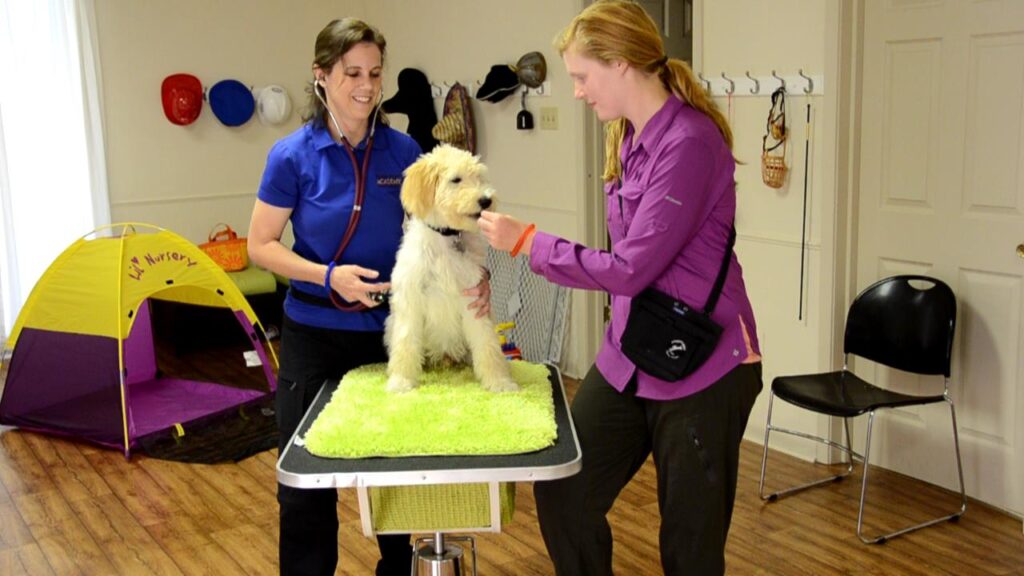
In research published in Journal of the American Veterinary Medical Association in November, 32 dogs underwent a standardized exam consisting of examination of the head, palpation of lymph nodes and body, axillary temperature measurement, heart rate assessment, and respiratory rate assessment. The exams were recorded on video under two conditions, with owners present or absent. Behaviors indicating fear were assessed, including reduced posture, avoidance, escape, lip licking, body shaking, yawning, and vocalizing; physiological measures were also taken.

Based on their findings, researchers concluded dogs were less stressed when the owner was present during the exam.

“When the owners were allowed to be present with their dogs, they did have more reduced fear levels: reduced vocalizations and reduced temperature, and we also saw some female dogs had lower heart rates when they were with their owners,” says coauthor Anastasia C. Stellato. “So our results show that, if possible and if it’s appropriate for that client, to allow owners to be in the exam room could have a beneficial impact.”

Owner presence didn’t eliminate fear: more extreme responses, such as attempting to escape, were the same in both groups, despite the superficial nature of the exam. “It’s important to keep in mind that the exam we conducted was very passive,” says Stellato. “It was on the ground, they had a traction mat, we didn’t even use rectal temperature, and yet we still saw those fearful responses.”

So while those reactions indicated that the dogs would have preferred to avoid the exam, owner presence apparently allowed them to tolerate it somewhat better.

The study found an age difference in that older dogs lip-licked less than younger dogs when their owner was present. It’s possible that this was the result of a stronger bond developed over the years, but since length of ownership was not recorded, this remains a hypothesis for further investigation.

One finding that was surprising to the researchers was that owner-present dogs yawned more. Yawning is a complex behavior in dogs, so this result is difficult to interpret. “It was contrary to our expectation, so it requires further investigation,” says Stellato.

On the whole, the results suggest that when possible, allowing the owner to be present can be a simple way to reduce stress.

Veterinary behaviorist Karen van Haaften, senior manager of behaviour and welfare at British Columbia SPCA, says: “I think it’s a nicely designed study. It’s randomized and controlled, which is nice to see in a clinical study. I personally am not surprised by the results of this paper, but I think it’s really useful information for both veterinarians and pet owners to know, and I think it’s a timely one to consider, because during COVID, most vets are not allowing pet owners into the hospital.”

Even after the pandemic is over, pets will still need to be separated from their owners sometimes, so ways to mitigate the stress of this experience need to be considered. Van Haaften says: “When I read this, I’m asking myself, why are we seeing this response? Is it the social support — the bond that the pet has with the owner — that is reassuring to them? Or is the lack of familiarity? They don’t see anything in this clinic environment that feels familiar to them. Probably it’s both, but if the second, we can work on that.”

When pets do need to be separated from their owner, she says, consider how to include things familiar to the pet in the experience.

“We can interact with them in the way that we see that the owner does – use cues the owner uses, use training that they already know, walk them in on equipment that’s familiar, maybe bring something familiar from the owner into the room with them.”

Post-pandemic, we can return to the idea that familiarizing pets with the clinic in advance; for instance, dropping in simply to get some treats and meet friendly people. “If you do that a couple times a week they’re going to love going into the clinic — now it’s a familiar place where good things happen to them.”

And in some cases, a very little bit of familiarization right before an exam can make a big difference. “For some dogs, it doesn’t take that long to bond with a person,” van Haaften says. “If a technician or someone spends five minutes feeding cookies, performing trained cues with a dog, suddenly, now they’re good friends, and the dog has a familiar person they can go into the clinic with.”

Some clinics are doing exams outdoors for pets who are stressed inside the clinic, which can allow the owner to be nearby and this might be worth continuing for some pets as well. In general, van Haaften recommends flexibility and attention to individual differences.

“Behavior during vet exams is really complicated, and different techniques are going to work with different animals,” she says. “Be creative, be willing to be flexible about how you do exams to give your patients the best experience.”

This article was reviewed/edited by board-certified veterinary behaviorist Dr. Kenneth Martin and/or veterinary technician specialist in behavior Debbie Martin, LVT.
Linda Lombardi writes about the animals that share our planet and our homes for magazines including The Bark, websites including National Geographic and Mongabay.com, and for the Associated Press. Her most recent book, coauthored with Deirdre Franklin, is The Pit Bull Life: A Dog Lover’s Companion.
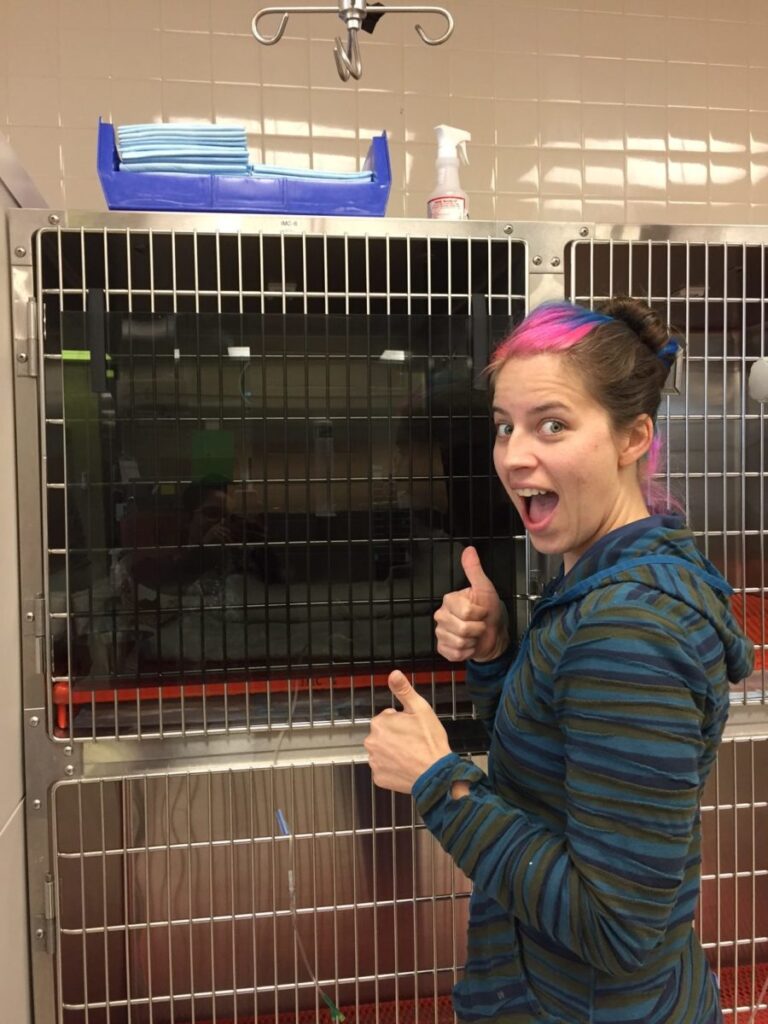
Linda LombardiThe veterinary clinic or hospital can be a stressful place for cats, full of strangers and strange noises and sights. A recent study suggests a simple and inexpensive way to reduce this stress by use of plexiglass sheets hung over the front of the cage.

In the study, thirty pet cats were placed in one side of two connected cages (the starting side, left or right, varied randomly) for 70 minutes. There were three conditions: open cage vs a cage-front covered by clear plexiglass; open cage vs opaque plexiglass; and clear vs opaque plexiglass. Observers calculated stress scores from the cat’s behavior during the first and last 15 minutes and recorded how much time was spent in each cage.

The cats who were most stressed in the first 15 minutes spent significantly more time in the cage that blocked the most incoming stimuli: they preferred either type of plexiglass to the open cage, and preferred opaque plexiglass to clear.

Coauthor Kyle G. Mathews, DVM, MS, DACVS of North Carolina State University says the idea behind the study was to find an affordable way to make clinics less stressful, while still allowing a full view of the patient. The opaque plexiglass is “like looking at the cat through a pair of sunglassses,” he says, which is much better than other inexpensive possibilities. “When you put a towel over the cage, or you give them a hiding box, you can’t see the animals.” When staff need to open the door to look at the hidden cats, that adds stress; if there’s a problem, staff might not notice in a timely fashion.  “They may have IV lines, and that makes giving them a hide box difficult, because they could get their lines tangled up,” he adds.

Other possibilities are more expensive. For example, louvered windows, such as those used for privacy in conference rooms, would probably work. “You’re looking down at an angle and can see the cat, but the cat looking straight out can’t see the room,” he says. “But these are very expensive and have to be custom made.” In comparison, inexpensive plexiglass cut to order can be bought fairly cheaply and all that’s needed is to attach hook and loop fastener strips to hang it from cages.

If you’re wondering why not a one-way mirror, they ruled that out immediately for good reasons. “A one-way mirror only works if there’s light on one side, and dark on the other. So the person in the dark room can see the person in the light room, but the person in the light room can’t see the person in the dark room,” he says. “So we’d need the light in the cage with the cat and the room would need to be dark.”

While they may be a start, barriers won’t solve all the problems that stress cats. In particular, while plexiglass sheets block light (a 74.4 percent reduction for opaque and 13.9 percent for clear), they do little to block noise (only a 4.5 percent reduction). Although no one has specifically studied the effect of noise on cats, it’s almost surely a problem, especially in an echoing stainless steel cage.

“Eventually, if people don’t want to rebuild a room for cats, we may need to design a cage that has insulation around the outside of it, but still stainless inside that you can clean,” he says. “But noise reduction is going to be a more expensive alteration. So this was our first attempt at looking at, is there something relatively cheap that a practitioner could use to retrofit their clinic that would make it feline friendly.”

Further research also needs to be done in a real hospital setting: this study was done in a special room, with video of the sights and sounds of a veterinary inpatient ward projected onto a screen. But in the meantime, the results suggest that it’s worth trying and doesn’t appear to have any downsides. “The indication is that it probably is helpful, especially in the most stressed-out cats,” he says. “It’s not going to hurt them – they’re not going to move away from it, there was no indication that was the case.”

Board-certified veterinary behaviorist Margaret E. Gruen, Assistant Professor of Behavioral Medicine at North Carolina State University and a Fear Free Certified Professional, agrees that this is worth trying, noting that odors, separation from owners, lack of hiding places, and sounds of people talking and monitors beeping are all stressors for cats, making hospitalization and recovery more difficult for them as well as increasing morbidity. They may refuse to eat or be hesitant to use the litter box. And anxiety is often difficult to differentiate from pain in cats. Looking at ways to mitigate these stressors while still being able to easily observe feline patients, especially when they are ill or recovering from procedures, benefits both veterinary teams and the cats themselves.

“The cats, and their people, will appreciate it,” she says. “And having happier cats in the hospital is a win for everyone.”

This article was reviewed/edited by board-certified veterinary behaviorist Dr. Kenneth Martin and/or veterinary technician specialist in behavior Debbie Martin, LVT.

Linda Lombardi writes about the animals that share our planet and our homes for magazines including The Bark, websites including National Geographic and Mongabay.com, and for the Associated Press. Her most recent book, co-authored with Deirdre Franklin, is The Pit Bull Life: A Dog Lover’s Companion.
|||
Sandy RobinsCanine stomatitis is a painful condition characterized by inflamed lesions and ulcers in a dog’s mouth, making it difficult for affected dogs to eat and function normally. A veterinary dentist says new therapeutic treatments along with proper dental hygiene may effectively control and sometimes cure this debilitating disease.

There is no known exact cause for canine stomatitis, also known as canine chronic ulcerative stomatitis (CCUS). Jamie Anderson, DVM, MS, DAVDC, DACVIM, adjunct professor at the Department of Oral Medicine, School of Dental Medicine, University of Pennsylvania, has played a key role in research and treatment of this disease since 2013. She wants to dispel the belief that CCUS is the result of oral contact with plaque. Nor is CCUS directly related to periodontal disease as previously thought, she says.

“While research has shown that 40 percent of dogs with this condition also have severe periodontal disease, the remaining 60 percent do not,” she explains. “And we also now know that bacteria on the tooth surface that can result in a plaque buildup does not in fact cause the disease.”

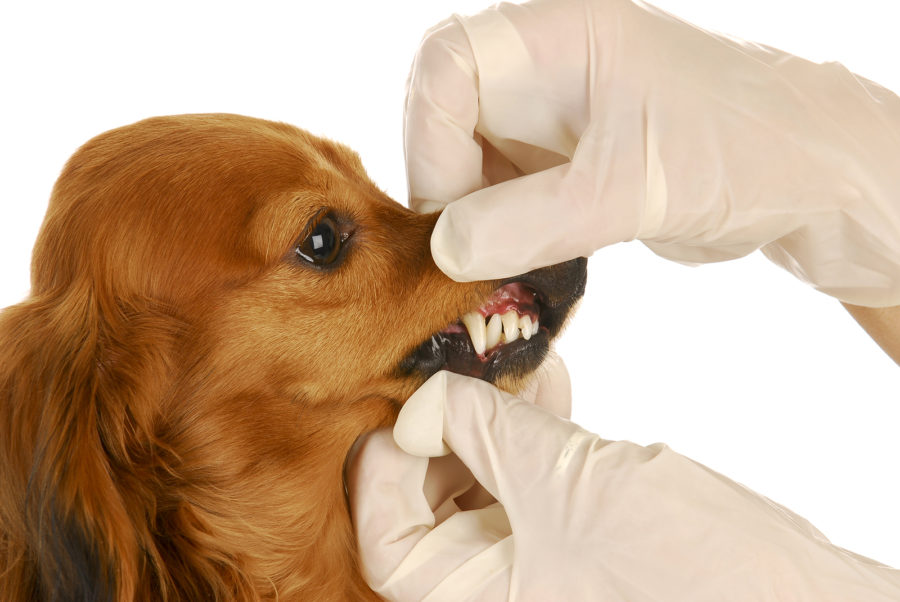
Dogs suffering from this disease develop severe inflammation and oral ulcers on the tongue, the mucosa, and the inner surfaces of the lips. Because it’s so painful, a dog may have difficulty eating and be reluctant to open the mouth. This can result in weight loss. Other typical signs include fetid breath, thick, ropey saliva, blood-tinged saliva, visible irritability, depression and lethargy, and pawing at the mouth.


Susceptible Breeds

Commonly affected breeds include Maltese, Norwich Terriers, Labrador Retrievers, Greyhounds, Miniature Schnauzers, Chihuahuas, and Cavalier King Charles Spaniels. The condition is generally seen in dogs six years and older.

Dr. Anderson first became fascinated with this condition in 1991 during her residency at University of Pennsylvania and received her first grant to study CCUS in 2013 from the Foundation for Veterinary Dentistry. Her first study involved 20 dogs.

“Terrier breeds as well as Labradors were common in the study,” she recalls. “Most were neutered and older than nine years of age.” Under general anesthesia, a thorough oral evaluation was performed, and a Canine Ulcerative Stomatitis Disease Activity Index score was assigned. This score allowed for a before-and-after numeric description of response to therapy.

Anderson found that the number, size, and shape of the ulcers varied between dogs. Most of the ulcers were distributed symmetrically, appearing at the same site on both the left and right side. The ulcers were generally in contact with an opposing tooth surface and its plaque.

A full mouth set of dental radiographs was taken, and there were no radiographic findings unique to the condition. A biopsy from each dog was taken from an ulcer occurring in the cheek mucosa, and the samples were evaluated at University of California, Davis.

The pathologist found there was either erosion or ulceration of the epithelium; the sub-epithelium was where most of the cells causing inflammation resided. These cells were mostly lymphocytes (white blood cells) and plasma cells. With special staining in a subset of the cases, the team could determine that numerous inflammatory cells were present, including B cells and T cells, a T cell regulatory cell called FoxP3, and an interleukin called IL17. These cells play an important role in defending the mucosa from attack from outside the body and from self-attack, Anderson says.

Anderson’s second study set out to prove that the spectrum of pathologic changes and the types of immune cells present in CCUS were different from periodontal disease, with the goal of better understanding both diseases.

“We accepted 24 dogs with CCUS into this study, as well as dogs with severe periodontal disease, and healthy dogs as controls. Our research highlighted three histologic subtypes of ulcerative stomatitis, namely lichenoid, deep stomatitis, and granulomatous. Though these are not clinically apparent, we believe that these different subtypes represent a spectrum of the disease. And ultimately, the overall findings from this second study allowed us to conclude that CCUS is an immune-mediated inflammatory disease,” she says.

Hopeless Teeth

It has been common for veterinary dentists to extract healthy teeth to remove the plaque they believed to be causing the disease. Anderson believes the focus should be on extracting what are known as “hopeless” teeth — those that are no longer functional and that cause inflammation due to periodontal disease or endodontic disease.

“These dogs then need to be treated medically with systemic anti-inflammatory and immune-modulating drugs and topically with anti-plaque home care,” she says.

“While I do recommend the extraction of hopeless teeth from periodontal disease or as a result of fractures, further research has shown that plaque is not likely responsible for a mucosal ulcer,” she says. “We evaluated 100 samples, including healthy and periodontitis controls, to determine the spectrum of bacteria, the microbiome, involved in the CCUS lesion. The DNA isolated from the lesions was evaluated using next-generation sequencing methods. We found that the oral microbiome of the lesion in the cheek mucosa was unique and specific and varied significantly from the healthy dogs and those with periodontitis disease in the study.

“Consequently, our findings suggest that medical therapy, rather than extraction of healthy teeth, is most appropriate,” she says. “These medications control the disease, and in some cases, over a longer period of time on them, can cure the disease. If one regimen is not tolerated well, I will switch and try the other.”

Therapeutics

The first treatment is a combination of three drugs: 20 mg/kg of pentoxifylline, 5 mg/kg of doxycycline, and 200 to 250 mg of niacinamide taken orally twice daily.

“You can switch out the doxycycline for 10 mg/kg of metronidazole taken every 24 hours,” she says. “The side effects of such combos are typically inappetence or gastrointestinal upsets, likely due to the pentoxifylline.

“As the condition of the mouth improves, I will drop down the pentoxifylline dose to once every 24 hours, ultimately tapering it off, hence the importance of annual COHAT examinations,” she says.

The second drug combo consists of 5 mg/kg of cyclosporine (Atopica) and 10 mg/kg of metronidazole taken orally every 24 hours.

“This requires specific monitoring in dogs suffering from hepatic disease, along with further regular testing to ensure the medication is adequately suppressing the immune system,” she said.

John Lewis, VMD, FAVD, DAVDC, practices at Veterinary Dentistry Specialists in Chadds Ford, Pennsylvania. He has written about stomatitis in veterinary magazines and journals and says he has not utilized these protocols frequently enough yet to have a feel for their effectiveness.

“I believe more board-certified veterinary dentists are utilizing these or similar protocols,” he says.

“However, there are a number of diplomates that are having success treating canine stomatitis from a surgical standpoint (extraction of teeth that align with ulcerated areas) rather than with medical therapies, similar to the currently accepted approach to feline stomatitis. Canine stomatitis, thankfully, is infrequent compared to feline stomatitis.”

This article was reviewed/edited by board-certified veterinary behaviorist Dr. Kenneth Martin and/or veterinary technician specialist in behavior Debbie Martin, LVT.

Inset photo courtesy Jan Bellows, DVM, DAVDC.
 
 
Linda LombardiAn increasing body of research demonstrates the effectiveness of positive reinforcement training and the risks of aversive methods. Despite this, some trainers still use shock collars even for training simple basic obedience cues, based on various rationalizations about their greater effectiveness.

A recent study in Frontiers in Veterinary Science puts aside for-the-moment issues of welfare and focuses on the question: Is there really a difference in effectiveness between positive reinforcement training and training that incorporates an electronic collar? Using concrete measurements of training success, the authors find no significant difference in number of cues disobeyed. In fact, positive reinforcement was more successful by some measures: Dogs trained with positive reinforcement responded to the trained cues faster and with fewer repetitions.

Sixty-three dogs with reported behavior problems, including poor recall, were assigned to one of three groups. The first group received training that included use of an electronic collar, conducted by professional trainers who normally use this as part of their program. There were two control groups. Control group 1 was trained by the same trainers as the first group but without the use of the electronic collar. Control group 2 was trained by professional trainers whose methods focused on positive reinforcement.

Data was collected for the cues “Sit” and “Come” at three points in the five-day training period. The measures of training efficacy were how many times the cue was given and how quickly the dogs responded.

There was no difference between the groups in how often cues were obeyed. Dogs in Group 2, trained with positive reinforcement only, were more likely to respond to a cue the first time, and they responded more quickly.

Jonathan J. Cooper of University of Lincoln, one of the coauthors, points out some important factors in the methodology of this study. One is that all of the dogs were reported to have poor recall and other off-leash behavior problems such as bothering livestock, which are the most common reasons for using remote training tools in the United Kingdom, where the study took place. “Consequently, we were working with dogs with similar issues with recall, as opposed to having ‘easier’ dogs in the control treatments and the more challenging dogs in the e-collar group,” he says.

Another is that the trainers in all groups were experienced, rather than comparing the methods as used by dog owners with inconsistent levels of skill. In addition, the analysis looks at objective measures of training outcomes, rather than a more subjective measure such as owner satisfaction.

Erica Feuerbacher, professor of Companion Animal Welfare and Behavior at Virginia Tech, says, “I thought the most important thing about this study was that the dogs trained with the shock were not any more compliant. That is often suggested – that shock collar training will produce more compliance in the dog and that they will respond faster. They didn’t find that.”

In fact, as far as speed, the study found the opposite on at least one measure. Dogs in the electronic-collar group and in control group 1, all trained by trainers who normally use the electronic-collar, actually began to respond more slowly to the Sit cue as training progressed.

Feuerbacher is not surprised by this finding. Both groups were trained with aversives, since although control group 1 was not using the electronic collar, these trainers used a mix of methods including negative reinforcement and positive reinforcement. “That kind of aversive training can produce generalized depressed behavior, so we may be getting a little bit of that there,” she says. She also notes that anecdotally, dogs with a history of being trained with both positive reinforcement and punishment may be more hesitant to respond.

Coauthor Cooper believes the results speak to more than just the effect of the use of electronic collars. “I think the findings of the paper have broader application than just use of remote training aids,” he says. “Specifically there is a growing body of research that suggests that reward-based training is not only generally better for dog welfare and dog:owner interactions, but is also proving more effective than aversion-based training for successful training outcomes.”

This article was reviewed/edited by board-certified veterinary behaviorist Dr. Kenneth Martin and/or veterinary technician specialist in behavior Debbie Martin, LVT.

Linda Lombardi writes about the animals that share our planet and our homes for magazines including The Bark, websites including National Geographic and Mongabay.com, and for the Associated Press. Her most recent book, co-authored with Deirdre Franklin, is The Pit Bull Life: A Dog Lover’s Companion.
 
 
Linda Lombardi
Fireworks and other loud noises are a common cause of fear and anxiety in dogs. A recent study provides some insight into the progression of this fear over time and provides evidence of the effectiveness of training and the importance of preventive training before fear develops.

“Not a one-way road—Severity, progression and prevention of firework fears in dogs” by Stefanie Riemer, published in PLoS ONE in September, analyzes the results of an online survey of dog owners who answered questions about the severity and development of fear, demographic factors, other behavior issues, and efforts made to address the problem. Out of 1,225 responses analyzed, 52 percent of dogs were affected by this fear to some extent. The severity of the fear was assigned a “Welfare-impaired score” based on the question “Please rate your level of agreement with the following statement: The overall welfare of my dog is strongly compromised by fireworks,” answered on a five-point scale from “disagree strongly” to “agree strongly.”

This fear often showed up early: in 45 percent of cases, at under one year. However, it also developed later, although in almost all cases before six years of age. Responses also showed that this fear can change considerably over time, both for the worse and the better, even if nothing is done to address it. Great improvement was reported for 10 percent of dogs and almost one-third of dogs tended to improve; just under one-fifth reported the fear had gotten worse, and 8.5 percent, much worse. One-third of dogs were reported to have shown no change.

Improvement was not always due to training or medication. For the subset of dogs whose owners had not sought advice for the problem and were not professionals such as trainers or veterinarians themselves, there was slightly less improvement, but also less deterioration – about half reported no change.

Owners of 530 dogs (43.3 percent) reported doing some training to prevent or treat firework fears. Preventive training was most effective: the median Welfare-Impaired score was 1 (lowest possible) in dogs trained in puppyhood and 2 in dogs trained as adults, compared to a median score of 4 for dogs with no training before the onset of fear. Statistical testing showed no significant difference between preventive training as a puppy and as an adult. However, there was a significant difference between having preventive training and having training only after fears had developed.

Training after fears developed was nevertheless shown to be worth doing, as those dogs were significantly more likely to show improvement. The effect of training was independent of whether the dog was treated with medication, as there was no difference in the proportion of dogs in groups that did and did not receive training.

The importance of some other factors investigated, including potential correlations with health problems and other behavior problems, were unclear, but one finding was that certain breed groups were more likely to suffer from this fear, including herding dogs. At the same time, one of the two most significant risk factors was being a mixed-breed. These results may seem contradictory, but they suggest that both genetics and upbringing are relevant. “Mixed-breed dogs originated from shelters or from the street more often so, on average, mixed-breed dogs probably had less positive socialization experiences,” says author Stefanie Riemer.

The other significant risk factor was older age. Again, at first glance this might seem to contradict the finding that fears develop at an earlier age, but fears are not static with aging. “While in over 70 percent, firework fear was noticeable before the age of two years, firework fear often does not disappear on its own, even though it may be improved, as I found in my study,” says Riemer. “Therefore, the longer the dog has been in the world, the more likely it is to have developed a fear of firework at some point in its life. Moreover, often the fear gets worse over time, which may lead to higher average fear scores in older dogs.”

The high number of owners who sought help for the problem (45 percent overall and 70 percent of owners of fearful dogs) was large compared with what has been found in other research. Riemer says, “I am sure the owners in the sample were above-average motivated to work with their dog. I don’t think this invalidates the finding regarding the effectiveness of training but of course a higher level of experience might make them more effective trainers.”

The results suggest that because preventive training is most effective, it’s a good idea to do some training with dogs who are not showing fear, but even after fear develops, it’s not too late. “This study shows that if your dog is afraid of fireworks or other loud noises, it’s important to do something about it, because it can make a difference,” says Zazie Todd, PhD, author of the blog Companion Animal Psychology. “There are several ways to help dogs who are afraid of fireworks, including gradual desensitization and counter-conditioning using a recording of the sound.”

Todd notes that Riemer’s recently published followup study on the effectiveness of various training methods found that owners reported that both ad-hoc counterconditioning and relaxation training helped.

She also observes that while some dogs’ response to noise is too obvious to miss, owners may need to be educated to notice it in others: “Other research has shown that sometimes people miss the signs their dog is afraid of fireworks, so it’s important to be aware and look for them.”

This article was reviewed/edited by board-certified veterinary behaviorist Dr. Kenneth Martin and/or veterinary technician specialist in behavior Debbie Martin, LVT.

Linda Lombardi writes about the animals that share our planet and our homes for magazines including The Bark, websites including National Geographic and Mongabay.com, and for the Associated Press. Her most recent book, co-authored with Deirdre Franklin, is The Pit Bull Life: A Dog Lover’s Companion.


|

Pharmacologic Options for Veterinary Visit Anxiety: An Evidenced-Based Review

In this webinar, Julia Albright, DVM, DACVB, covers the various pharmacological treatments used for veterinary visit anxiety and reviews the evidence behind each of these options.

Dr. Albright will:

1. Discuss the need to address veterinary visit anxiety
2. Review the evidence behind the commonly used pharmacological treatment options
3. Present protocols for reducing veterinary visit anxiety

Sponsored by Zoetis Petcare.

Linda Lombardi
A number of studies have found a relationship in humans between anxiety and a condition called joint hypermobility syndrome (JHS). Now a study has found a parallel association in dogs. This provides insight into understanding this correlation in people, as well as providing something to think about in dogs with anxiety and dogs with hip problems.

Coauthor James A. Serpell, Ph.D., professor of animal ethics and welfare at University of Pennsylvania, says humans who suffer from this condition essentially have loose joints and are more prone to dislocations and osteoarthritis. They also have a higher prevalence of anxiety, fear, panic, and a range of psychiatric disorders than the general population.

“There’s a lot of speculation about what could be the possible connection between the two,” he says. “One theory is that loose joints cause people to be anxious because they’re constantly worrying about the health consequences of their condition.”

Testing Method

The researchers tested that hypothesis by looking at whether the correlation held in another species that was not capable of that kind of understanding and worry. It was possible to test this on a large scale using already-existing data for guide dogs. The organization The Seeing Eye routinely tests puppies for joint problems at 18 months. Puppy raisers also fill out the C-BARQ, a standardized behavior evaluation. Researchers looked at these records for 5,575 dogs.

“We found that there was a strong association between a behavior variable that we call excitability, but that you could also call hyperarousability, and loose hips in these dogs,” Dr. Serpell says.

Trait and Anxiety Linked?

While they did not find a direct link with anxiety, there is likely a link between that trait and anxiety. “The literature in humans suggests that the reason that some people become anxious is simply because they’re more reactive to things in their environment,” Serpell says.

Finding a link between the physical condition and similar behavioral traits in dogs, then, casts doubt on the “health worries” explanation for the association. “The conclusion is, it’s very unlikely that the reason that people with joint hypermobility are anxious is because they’re anxious about their health condition, because we’re getting the same thing in another species,” he says. “This suggests that there must be some underlying link between the two.”

The exact nature of that link is currently unclear, but it is known that people with joint hypermobility show differences in their brains, particularly in areas related to emotional response. “This would suggest that we would find a similar difference if we were able to look into the brains of these dogs, and that there’s a direct link between these changes in brain anatomy and physiology across species that is involved in this strange link between joints and brains,” he says.

“This study add one more relevant piece to the puzzle of the interaction between behavior changes and medical problems,” says Carlo Siracusa, DVM, Ph.D., DACVB of the University of Pennsylvania School of Veterinary Medicine. “There is a growing body of evidence showing that animal behavior is regulated by the same immune and inflammatory response behind medical problems. So, it is probably time to retire the question ‘Is it medical or behavioral?'”

Socialization Effect

Serpell says the fact that the association was indirect – the dogs were excitable, but not necessarily anxious – is likely due to the strong impact of early socialization. “So much of anxiety-related behavior in dogs is linked to poor early socialization,” he says. “So instead what we’re picking up is something at a deeper level–a tendency to react strongly to the environment, which my guess is, would be less likely to be influenced by early environment than something like anxiety.”

Guide dog puppies are particularly well socialized, reducing the chance that they’ll be anxious adults even if they have inherited a genetic tendency to excitability and anxiety. Serpell notes that they’ve also been selected for generations against that trait. “I should say this somewhat cautiously, but so in some ways this was the worst population to look for this type of association, because the amount of variation they show is rather limited, because of selection and because of very careful early socialization.”

The fact that an association was found anyway suggests that if we could look instead at the general population of dogs, the association might be even stronger. Another limitation of the study is that the breeds were limited to those typically used as guide dogs. There are breed differences in tendencies to both excitability and joint problems, so further research is necessary.

Another possible explanation for the association, that the anxiety is caused by constant low levels of joint pain, seems unlikely, says Serpell. These dogs are young enough that although they are likely to develop hip problems later in life, they’d be unlikely to be in pain now, and their ratings on the C-BARQ did not show touch sensitivity.

That said, osteoarthritis does occur in young dogs. Even puppies younger than one year can experience lameness and chronic pain from it so that explanation remains a possibility.

These findings can be seen as another argument for the importance of proper early socialization, particularly in puppies who are excitable, since the implication is that they are more likely to develop anxiety. Another possibility, not suggested in the paper, is that we might want to be more aware of the potential for joint problems in dogs with these behavioral tendencies.

“That’s certainly something we could think about,” says Serpell. “If you’ve got a highly arousable dog that reacts very swiftly to environmental triggers and is slow to calm down after it gets aroused, then maybe yes, we should be giving special consideration to the possibility of joint hypermobility, particularly if it’s a medium to large breed dog where the consequences of it are likely to be more severe.”

This article was reviewed/edited by board-certified veterinary behaviorist Dr. Kenneth Martin and/or veterinary technician specialist in behavior Debbie Martin, LVT.

Linda Lombardi writes about the animals who share our planet and our homes for magazines including The Bark, websites including National Geographic and Mongabay.com, and for the Associated Press. Her most recent book, co-authored with Deirdre Franklin, is The Pit Bull Life: A Dog Lover’s Companion.


Linda Lombardi
For a long time, the behavior of pet cats and dogs was of little interest to science. Times have certainly changed, but one area that’s somewhat neglected is the question of how and why cats play.

A recent review of the literature published in Applied Animal Behaviour Science sums up the findings and points to directions for future research. While there’s much we still don’t know, there are a number of results we can put into practice to give cats more enriched lives.

Play With Toys

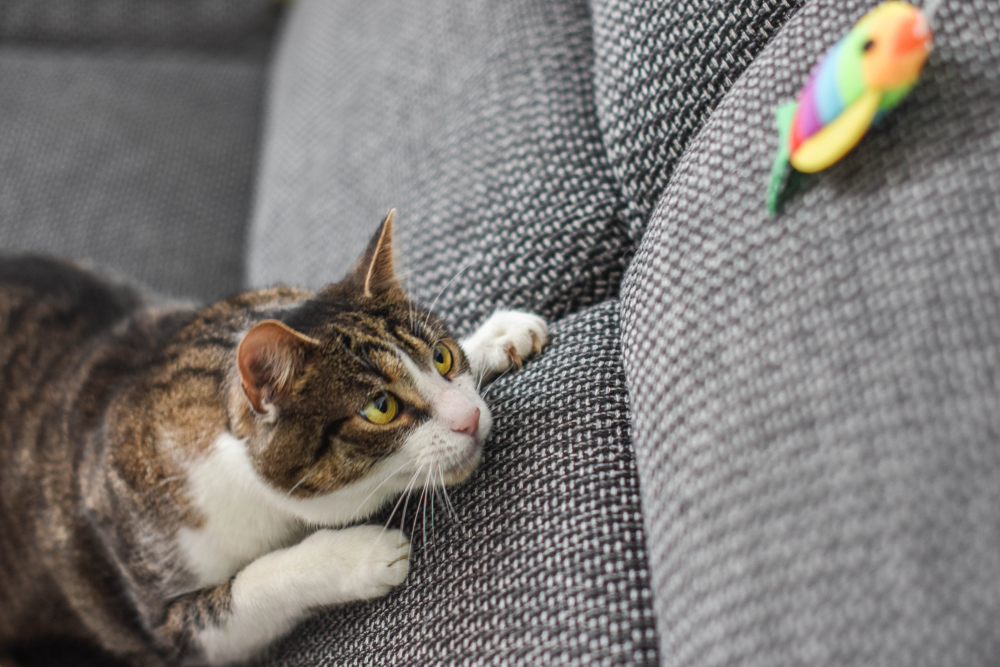
Research into cat play with toys confirms a common observation: it is a lot like hunting. “The patterns of behavior are similar, and the things that entice cats to hunt also get them excited about toys,” says coauthor Mikel Delgado. “What we see from research is that the more similar to realistic prey the toy is, the more of a response the cat shows.”

There’s always going to be the individual cat who likes to play with a ball. But for the most part, the more a toy looks, feels, smells, and moves like prey, the better cats like it. They do have preferences, so it’s best to offer choices: toys that resemble different kinds of prey like mice, birds, bugs, and snakes.

Movement is important as well. After about 21 weeks of age, kittens start to lose interest in things that don’t move. Sure, you can bat a ball with your paw, but it’s not the same.

“They can’t really get lost in the hunting experience like they can when someone else is moving the toy,” says Delgado.

Novelty also matters: cats get bored quickly. In one study, cats presented with the same toy three times became progressively less interested, then showed more response to a new, clean toy that was identical except for color.

The practical takeaway: leaving a bunch of toys lying on the floor all the time isn’t enrichment, because they don’t move, and they don’t change. Owners need to play with their cats: move the toys and remember that they get bored with the same object before they’re bored with play itself.

Why Play?

Although cat play resembles hunting, research doesn’t really support the idea that play is a kind of practice; it doesn’t seem to help cats be better hunters later. “What seems to be most effective for hunting later is exposure to prey. Hunting experience helps you be a better hunter,” says Delgado.

Play does seem to be important to social development, however, which makes it all the more important to understand, given that most of us want sociable cats more than we want mousers.

It’s a common misconception that cats aren’t sociable. “Even cats that are living outside of human homes, free-roaming cats, live socially in colonies together,” say Krystin Vitale of Oregon State University. “They live both socially and solitarily. We see a lot of flexibility.”

Kittens learn to get along with other cats by playing. The first type of play seen in kittens is social, and research shows that kittens who don’t have playmates have difficulty with other cats later. Singleton kittens tend to direct play at their mothers, even though their mothers find this behavior irritating.

“As a cat behavior consultant, I get so many calls from people who can’t understand why the kitten is attacking their legs and hands,” says Delgado. “Kittens who don’t have littermates will direct that behavior toward other beings: their mother, their human, or the poor 12-year-old cat who the person adopted the kitten to be a companion to.”

The takeaway: encourage people to adopt more than one kitten at a time. “When we allow kittens to get adopted without littermates, we’re not recognizing that we’re tearing apart families,” she says. “Social play is very important for kittens and a lack of outlets for social play can be very problematic. Toys don’t fulfill that social need.”

What We Don’t Know

Research into cat behavior lags behind the recent explosion of studies about dogs, partly because they’re harder to study in the lab. “Dogs are used to being in new environments. But a cat that is friendly and playful in a home environment, if you take them to a strange place, they’re going to be terrified,” says Delgado. “So their behavior is not valid beyond that context; it doesn’t tell you anything about how they normally behave.”

Now that we have better technology that lets us study cats in their homes, research is increasing, but many questions remain. For instance, little research has been done on play between adult cats, so right now, science can’t tell you whether your cats are getting along. From her observations, Vitale suggests concentrating on what happens before and after the interaction to distinguish rough play from aggression.

“Before, was there aggressive vocalization? Was their fur already standing on end and were their eyes dilated and were they baring teeth? After, what did they do? Often when it’s play, you’ll see that afterwards they’ll plop down and lay together and start grooming each other. If you see one run off and try to get away that might be more of an indication that it was aggression.”

Social play with humans also hasn’t been well studied, but it may be important to cats. In one study, Vitale tested how cats reacted to a moving toy controlled by a human who was in the room, or one controlled remotely from outside the room. Cats preferred the person moving the toy to be visible, which suggests that kind of play may have a social component.

Delgado also wants to see more research into the process of object play. Prior studies have focused on actual contact with the toy, but for cats, watching and stalking seem important. This makes sense given their natural hunting style. “The way cats hunt is not highly cardiovascular. It’s very cognitive,” she says. “When they play with cats, people tend to concentrate on the cardiovascular aspects and expect backflips and running around, but that’s not really cats’ hunting style.”

Play and Welfare

Delgado says there’s an assumption that play must have a survival benefit. We don’t know for sure if it does, and in fact, research has shown that cats spend a fairly small proportion of the time playing and that it’s not very energetically costly.

But we’re not just concerned about what helps animals survive. We also want to know what helps them thrive.

“I think that one big thing that’s come out of studies about cat play and that this paper shows is that it’s really important for cats to engage in play in order for them to engage in healthy normal behaviors,” says Vitale. “If you’re giving your cat an under-enriched environment with low stimulation, potentially aggression can come out of that, and stereotyped behaviors like overgrooming, that they’re doing because they don’t have anything to engage with.”

One measure of an animal’s welfare is whether they have the opportunity to engage in species-specific behaviors. Owners need to understand what those behaviors are and how to provide the right toys and social situations to “allow cats to behave in the ways that make them cats,” she says. “They need something for all those motor patterns and biologically relevant behaviors to be directed towards.”

This article was reviewed/edited by board-certified veterinary behaviorist Dr. Kenneth Martin and/or veterinary technician specialist in behavior Debbie Martin, LVT.

Linda Lombardi writes about the animals who share our planet and our homes for magazines including The Bark, websites including National Geographic and Mongabay.com, and for the Associated Press. Her most recent book, co-authored with Deirdre Franklin, is The Pit Bull Life: A Dog Lover’s Companion.


|

Linda Lombardi

Even the best animal shelter can be a stressful place for dogs. Erica Feuerbacher studies how to improve their welfare and was intrigued by a program she learned about at Best Friends Animal Society in Utah. Volunteers could take dogs with them for an overnight sleepover, even volunteers on working vacations, who could bring them to their hotel. Feuerbacher and colleague Lisa Gunter thought they could answer some questions that were in the air about the program.

“Some people thought this was really useful,” she says. “The dogs got a break from the shelter, and they learned more about the dog when it was out and about.” Others were concerned that the program was stressful for dogs. Here’s what they found.

Test Tactics

They collected urine for analysis from a sample of dogs before, during, and after a sleepover. “We found that their urinary cortisol levels, a measure of stress, significantly dropped while they were on the sleepover,” Feuerbacher says. “They came back up when they returned to the shelter, but not above baseline levels, so they weren’t more stressed when they came back.”

This suggested that the sleepovers were good for the dogs, but would they have the same effect elsewhere? Best Friends is not a typical shelter; most of the dogs are long-term residents and many had been on sleepovers before. They repeated the study at four other shelters, from small limited-intake facilities to large municipal shelters. Urinary cortisol measurements for dogs getting two-night sleepovers revealed the same stress reduction effects.

Good Stress

Repeated sleepovers appear to have a positive effect. At BFAS, the number of sleepovers a dog had previously experienced was correlated with lower cortisol, suggesting that the experience at first involves a small amount of stress.

“Likely the results we saw were the decrease from stress in the shelter overlaid with some new stress from the new situation, but the decrease overrode the small increase,” she says. “With repeated exposure to this new experience—‘I go home with new people and hang out for a night’—the dogs show an even greater reduction.”

Dogs at the four shelters in the second study also wore activity monitors as a way to follow up on something the volunteers at Best Friends reported: that the dogs would check out the new place for 20 or 30 minutes and then sleep the rest of the time. The monitors showed that the dogs not only spent much of the time resting in the foster home, they seemed to be able to get more rest when they came back to the shelter.

“The longest bout of uninterrupted rest occurred at the foster home, which made sense, but we did see some carryover effects,” she says. Dogs got significantly more rest in the shelter after the sleepover. “We had lots of reports from staff saying ‘When the dogs came back from sleepover, they’re a different dog, they’re calm in the kennel, they’re showing better’ and our data supported those anecdotal observations.”

So while the cortisol measurements did come back up when the dogs returned to the shelter, the break appeared to improve their ability to be calm in the shelter environment. “I always compare it to a weekend,” says Feuerbacher. “I’m stressed on Friday at work, I relax on Saturday and Sunday, and yes on Monday I’m stressed again, but I’ve had rest and I’m probably better able to cope with it.”

Canine R&R

The fact that dogs spent most of their time away from the shelter resting might be a bit of a surprise, but a pleasant one, as it potentially makes a program easier to implement.

“Oftentimes we think about shelter dogs that they need to go out and do things, go on hikes, and get all this environmental enrichment, but it’s possible that the shelter environment is so stimulating already that what they really need is just some quiet time,” she says. “This opens up new opportunities for fosters who might say, ‘I don’t feel comfortable taking a new dog to Starbucks, but I can take this dog home and let him sleep at my house for a few hours.”

Success Story

One shelter that participated that was so pleased with the results of the sleepover that they continued the program after the experiment was over was the Humane Society of Western Montana in Missoula. Director of Programs Mariah Scheskie says staff sees a difference in the dogs that come back from a sleepover. “When they come back, not only are they calmer, the potential adopters looking through the kennels are more drawn to them because mostly they don’t pick the dog that’s jumping up and lunging at the glass.”

Now that the program is established, it’s easy to run. Volunteers know the procedures, what to take home with which dog and what the schedule is, so it doesn’t add work for shelter staff.

The finding that dogs mostly want to rest makes participation less intimidating. “Before having this information, people did think, ‘I have to take this dog and run them for 10 miles and do all these things, and that’s a lot of pressure,” she says. “But we’re saying no, just rent a movie and open a bottle of wine and stay home.”

One unexpected finding was large differences in baseline stress at different shelters that didn’t correlate with any obvious factors. This is something Feuerbacher thinks needs further study. “Yes, sleepovers help, but we really need to understand these differences between the shelters and how housing, handling, and husbandry practices are impacting those dogs,” she says.

In the meantime, short sleepover programs can offer benefits to dogs and a new way to volunteers to get involved. Scheskie has found that it makes shelter staff feel good as well. “The volunteer is going out, everyone’s yelling goodbye, the door closes, and everyone has this huge sigh of relief together,” she says. “I looked at my coworker the other day and said, ‘It’s amazing how good that feels. You just know they’re snuggling in the bed, they’re with a human, they’re having a great time.”

This article was reviewed/edited by board-certified veterinary behaviorist Dr. Kenneth Martin and/or veterinary technician specialist in behavior Debbie Martin, LVT.