Blog Archives

Making the Most Out of Your PVQ & EMR

If you have struggled to implement the Fear Free Pre-Visit Questionnaire and Emotional Medical Record, you are not alone! This webinar reviews the updated templates and provide implementation options to make the most out of these integral Fear Free tools.

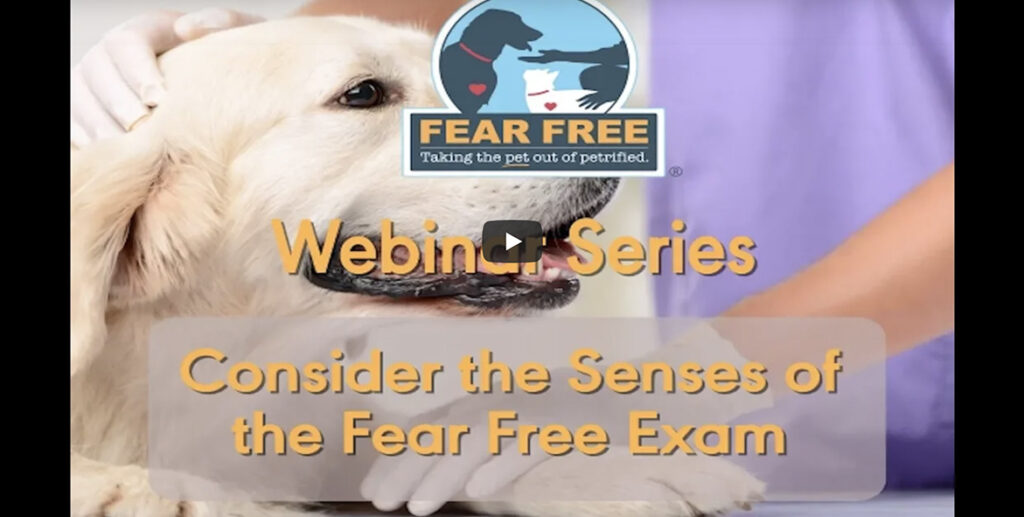
Consider the Senses of the Fear Free Exam

Dr. Julie Reck explores the details involved in creating a Fear Free experience. She also discusses pre-appointment opportunities, easy-to-implement facility alterations, and exam room cleaning tips to make sure your patients have the best experience possible. Sponsored by Virox.

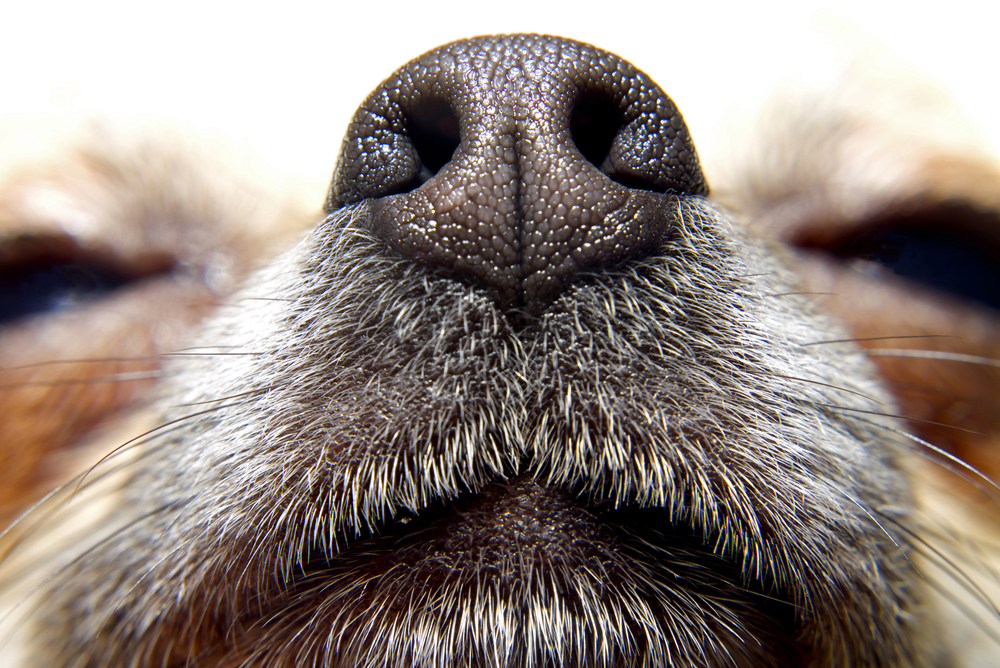
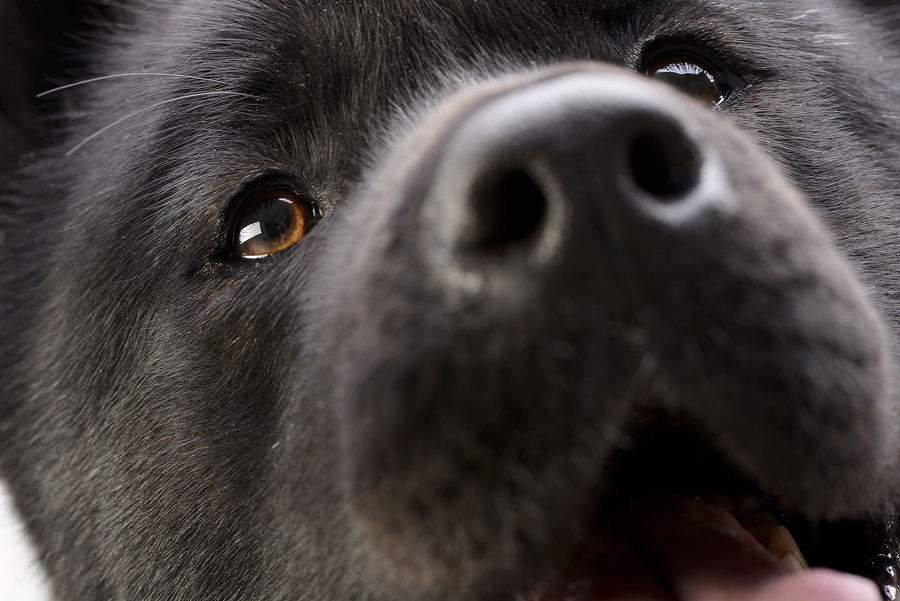
Akita nose|Akita nose
Until recently, disinfection was considered to be a necessary evil, killing infectious microbes at the cost of exposing pets and people to harsh chemical odors. Disinfectants with unpronounceable names, such as sodium hypochlorite (bleach), quaternary ammonium compounds (QUATs), and potassium peroxymonosulfate, may have been the industry standard for a long time, but just like any other aspect of animal health, we always strive to do better for our pets and create a more positive experience for them in and out of the vet clinic.Accelerated Hydrogen Peroxide® (AHP®) technology had been used extensively in human healthcare to kill some of the toughest pathogens while putting patient safety at the forefront. When Virox Animal Health saw the same need for veterinary care, they knew that AHP would be a perfect fit to help protect people and animals while reducing fear, stress, and anxiety in a veterinary hospital. That led to the creating of Rescue, a disinfectant specifically tailored to protect companion animals and the people who care for them.

While traditional disinfectants have been a trade-off between safety and efficacy, Rescue eliminates the need to make this choice. Rescue’s safety profile, coupled with the lack of harsh chemical odor, realistic contact times, and superior cleaning powers, can help your facility along its journey in becoming Fear Free.

Reducing FAS in the disinfection process doesn’t, however, mean a loss of efficacy. AHP disinfection covers all the bases in a Fear Free approach to animal health. These include:

1. Other chemicals like bleach and QUATs can be harsh. We all know that from experience, but we might not realize that bleach can cause serious skin and eye irritation and respiratory illness1. QUATs, although safer than bleach, have been associated with asthma and can also be irritating to the eyes and skin2. Rescue kills those tough-to-kill pathogens, but its gentle formulation is non-toxic and non-irritating for the safety of your patients, staff, and clients.

2. Bleach and QUATs can often take up to 10 minutes of contact time to kill pathogens, which can really slow down your practice. When was the last time you waited 10 minutes for a disinfectant to do its job before wiping it off? Not to mention the fact that these chemicals may not stay wet on the surface for long enough to meet this contact time. Rescue has realistic contact times, ranging from 30 seconds to 5 minutes. Furthermore, its wetting agents help make sure that it stays wet long enough to disinfect. This means less product used, less waiting between patients, and a more efficient practice overall.

3. Rescue has broad-spectrum bactericidal and viricidal claims against the vast majority of pathogens we encounter in the veterinary setting, so you can be confident that even the toughest pathogens don’t stand a chance. AHP also has none of the odors associated with chemical disinfection, preventing additional stress to our patients during their visit.

4. Cleaning power. Many older disinfectant chemistries have been poor cleaners and were only able to kill pathogens on surfaces that had been pre-cleaned with soap and water. AHP contains powerful detergents, which break down soil and allow it to work in the presence of organic material. This brings cleaning and disinfection into one easy step, saving valuable time and resources along the way. Rescue is also a natural odor eliminator, which may help get rid of some of the smells that can contribute to fear, stress, and anxiety within your clinic.

References

      1. 1. Acute Antimicrobial Pesticide-Related Illnesses Among Workers in Health Care Facilities – California, Louisiana, Michigan, and Texas, 2002-2007. CDC Morbidity and Mortality Weekly Report. May 14, 2010.
        2. Omidbakhsh N, Sattar SA. (2006). Broad-spectrum microbicidal activity, toxicologic assessment, and materials compatibility of a new generation of accelerated hydrogen peroxide-based environmental surface disinfectant. AJIC 34(5), 251-257.

This article is brought to you in collaboration with our friends at Virox.This article is brought to you in collaboration with our friends at Virox/Rescue Disinfectants.

Susan M. Ewing

Both dogs and cats rely heavily on scent to interpret their surroundings while humans rely more on sight. Blindfold a human just before a visit to a doctor or emergency room, and the stress level would be higher than if the person could see, but most people would at least be able to hear and understand what was happening in the way of treatment. We can’t explain to our pets what is happening, or why they are in a hospital. Take away their sense of smell and you’ve taken away their ability to interpret their world, adding more stress to an already stressful situation. By understanding the effects of scents, you can help them stay calm.

Ban Bleach

No one intentionally stops a dog or cat from smelling, but disinfectants can do just that. Bleach and other disinfectants with a harsh odor can make a pet “nose blind,” creating stress when they try, and fail, to learn about their environment. In one study, “Minimising Stress for Patients in the Veterinary Hospital: Why It Is Important and What Can be Done About It” (published online in Veterinary Sciences, April 13, 2017), lead author Janice K.F. Lloyd cites Karen L. Overall, VMD, in the Manual of Behavioral Medicine for Dogs and Cats: “A solution of bleach, even as low as 1 percent, can destroy olfactory neurones, resulting in a loss of information and heightening anxiety.”

While disinfecting is essential, using one that doesn’t have a harsh odor may help to lessen the negative effect on a pet’s nose. At Applebrook Animal Hospital in Ooltewah, Tennessee, Kathryn Primm, DVM, uses Rescue disinfectant, a hydrogen peroxide product with little odor, which also dries quickly.

Scents From Other Animals

When pets are able to smell, identifying stress in other animals can increase their own level of stress. Secondarily, humans may also experience some stress when smelling clinic odors. Most pets are quick to respond to their owners’ emotions, and if that emotion is stress, it’s going to affect the pet.

“When we have bad odors suddenly, like anal glands,” says Dr. Primm, “it is critical that they be cleaned and deodorized completely, or they will cause fear in all the pets that perceive them.” For those kinds of odors, Primm uses K.O.E. (Kennel Odor Eliminator) by Thornell, a product that quickly eliminates odors and comes in a concentrate, a spray, and individual wipes.

Sometimes, when possible, opening a window can help. Many pets will become distracted from their environment as they process scents from outdoors. Synthetic pheromones may also help to calm a dog or cat. Plug-in pheromone diffusers may reduce stress in a waiting room, and doctors or technicians can spray their clothes with the pheromones. Use diffusers or sprays with caution around birds and fish.

Many people appreciate the calming effects of lavender and chamomile, and both of these scents seem to calm pets, too. Be careful how you use them, though. Certain diffused essential oils can cause some respiratory distress in cats so use them with caution, and alert clients to the risks of active diffusers in the home to pets.

With so many pets depending on their noses for information, it makes sense to pay attention to scents.

This article was reviewed/edited by board-certified veterinary behaviorist Dr. Kenneth Martin and/or veterinary technician specialist in behavior Debbie Martin, LVT.
|

Establishing & Strengthening Trainer Relationships With Veterinary Practices

Establishing a relationship with a trainer is a great way to set your current and future clients up for success, increase revenues, and help to eliminate pet relinquishment and euthanasia. While it may be simple to find a trainer in your area, finding one who fits with your style, needs, and scheduling can become difficult. Dr. Marty Becker, founder of Fear Free, and Mikkel Becker, Lead Animal Trainer for Fear Free, team up to walk you through the process of finding a trainer who fits your practice needs.

Take a Penny, Leave a Penny: Sharing Best Practices from 2018

As a Fear Free Certified Practice, you are already doing so many great things to safeguard the emotional wellbeing of your patients, clients, and care team. What better way to ring in the new year than to hear and see what unique and creative hacks your Fear Free Certified Practices colleagues have come up with? You don’t have to do anything! Just sit back, relax, enjoy, and be inspired!

Communicating Fear Free to Pet Owners: Why It Matters

If you’re not sure what “Clients are made aware of Fear Free tools and techniques” means or not sure why it matters, then join Practice Certification Manager, Dr. Rachel Abrams for a down-n-dirty discussion of what this looks like and why it made its way into the Practice Certification standards.

|
By Linda Lombardi
Introducing Fear Free techniques to colleagues who aren’t familiar with them or who may be resistant to change can be daunting, but Fear Free principles apply to people as well as pets. Here’s how they can help.

Tabitha Kucera, a veterinary technician, has learned a lot from her experiences teaching Fear Free to other veterinary professionals, and maybe the biggest lesson is the importance of using the same principles on people as you do on animals.

“Positive reinforcement encourages initiative and creativity, it forgives mistakes, it creates enthusiastic learners and accelerates learning,” she says. “It’s the same for people.”

Build a Constructive Culture

The benefits should seem obvious once you’ve worked with animals that way. But applying these methods doesn’t always come naturally, she says. She recalls a class she attended at the Karen Pryor Academy. Most of the students were trainers, along with Kucera and two other vet techs. At one point, each person did an exercise in front of the class and then fellow students were asked to talk about what they thought had been done well.

“For the techs it was harder than for the dog trainers, and that was an epiphany for us,” she said. “We talked about it later—it’s that we’re not used to getting constructive feedback.”

Not only was it more difficult to give positive comments, it was also frustrating at first to get them.

“We were like, why don’t you tell me what I did wrong? Just tell me what I did wrong so I can fix it.”

But if you’ve studied behavior, you know all the reasons why “Just tell them when they’re wrong” is a bad way to train. One is that just saying “no” to the wrong behavior doesn’t tell the learner what the right behavior is. If you want staff to use less stressful techniques, saying “Don’t do this,” while well-meaning, doesn’t communicate the desired alternative.

“If you’re used to scruffing, I can’t just tell you not to scruff, which is what I see a lot of,” she says. “I hear a lot of ‘less is more,’ but what does that mean? You need to define the behavior you want.”

Say No to No

Maybe even more important is the effect of all those “nos” on the recipient.

“With positive reinforcement, the biggest difference is we focus on the good,” she says. “The way some other training techniques work—and the way people often work with each other—is we focus on the negative: I’m going to tell you what you did wrong and completely ignore all the good stuff you did. That creates an environment where people are afraid to make mistakes and afraid to ask questions.”

Being told that you’re wrong is essentially a form of punishment, and learners who are afraid to make mistakes because of repeated punishment soon shut down and are afraid to try anything. That makes it impossible to learn something new. And imagine the frustration of doing the same thing for years and then being told it’s wrong. We wouldn’t do that to an animal, but we often don’t realize we’re doing exactly that to our fellow humans.

“You can’t punish them when this is how they were taught,” she says. “I say, ‘You’re not wrong in what you’re doing, but fortunately medicine progresses, and we’ve learned a lot of great new ways to handle animals that make it easier for us and for them.’”

Be careful, too, of how interactions can convey the message “You’re wrong” without saying exactly that out loud. “You can’t run over and say, ‘Let me take over,’ because then you just insulted that person,” she says. “When I see things that are concerning, I’d just say, ‘Hey, you guys need some help?’”

Show, Don’t Tell

Simply using the techniques and letting people see what happens can be the best way to start. “First thing first, wherever I am, I use these skills, and people notice,” Kucera says. “Soon they’re coming to me and asking if they can learn this.”

It’s important to remember that trying something new can be anxiety-provoking, especially if you’re invested in and comfortable with techniques you’ve been using for years. Make it clear that it’s okay to try and fail. “I also don’t say ‘It’s do this or die,’” she says. “Try it one time, and if it doesn’t work, we’ll do it the way that you’re comfortable.”

Another thing that we know for our animals but often forget for our fellow humans is that different reinforcers work for different individuals. When she’s trying to persuade people of the benefits of Fear Free, Kucera says, everyone cares about decreasing fear and stress in the animals, but other motivators can differ by role. For a practice owner, she’ll talk about the business advantages, while for a tech who restrains animals, she’ll say, “You’re in your 30s; you need to go home and not be in pain every day.”

Set Realistic Goals

When Kucera talks to people who are excited by her presentations, she often has to talk them down a bit. “I say, ‘I love your enthusiasm, but I don’t want you to go back to your shelter or hospital and say we have to do all this right now,’” she says. “Because I did that in the past, and it shuts people down.”

Remember that new skills need practice. “I set realistic expectations for people: I don’t expect you to do this perfectly tomorrow,” she says. And start slow, just like you would with a pet. “Pick one or two things for your practice or shelter and start there, because from there it’s going to spread like wildfire but not if you don’t set your staff up for success.”

This article was reviewed/edited by board-certified veterinary behaviorist Dr. Kenneth Martin and/or veterinary technician specialist in behavior Debbie Martin, LVT.
By Amy Shojai, CABC, Fear Free Certified® Professional
Pet owners may object to having their animals “taken to the back.” Here’s what to consider when deciding whether it’s necessary.

Jill Breitner, a former vet tech and Fear Free certified professional and dog trainer, frequently writes about pet issues. She has also trained vet techs on low-stress handling techniques. When her 8.5-pound dog Timber recently ate a guest’s dark chocolate candy bar, they hurried to the emergency clinic.

As vitals were taken, Breitner used Fear Free techniques to restrain Timber and even talked with the veterinarian about the program. “I asked to be in the room for the injection to induce vomiting,” Breitner says. The vet pushed to take Timber “to the back” for immediate treatment instead, arguing that Breitner might have to wait an hour for treatment if she insisted on being present. “That made no sense to me,” Breitner says.

After she pressed for an explanation, the upset vet walked out. Anxious to get Timber the care she needed, Breitner threatened to write about her bad experience. “Within three minutes, the veterinarian and a tech were back in the exam room with the drug injection to induce vomiting,” Breitner says. Within two minutes, Timber brought up the chocolate, wrapper and all.

Why Pet Parents Object

There may be good reasons for treating patients “in the back” but many pet parents object and have valid concerns. For Fear Free practices, it is incumbent to acknowledge these concerns, provide explanations, and perhaps take a closer look at ways to reduce fear, anxiety, and stress in both pets and pet parents.

Pets are calmer. Many veterinarians believe pets act calmer without the owner present. In some instances, this is true. Yowling cats fall silent, and struggling pups go limp. Others argue, however, that certain pets seem calm only because they’ve shut down out of fear. Motionless doesn’t equal fear free.

At the same time, very protective or sensitive dogs may become more upset by their owner’s emotional state. Veterinarians must be able to evaluate each individual situation.

Restraint issues. It’s true that not all pet parents know how to safely and effectively restrain pets in a stress-free manner. There may also be liability issues if someone is bitten.

Breitner says, “It would be appropriate in an emergency, life or death situation needing immediate attention. Still parents can ask that the dog be sedated in their arms, before they bring them to the back, even at this time of emergency. Pets feel safer and less fearful with their parents.”

When concerned about proper restraint, pet parents can still be present perhaps by holding a lickable treat while the staff restrains and performs the treatment. Teach clients how to distract, gently restrain, and restrain animals for less stressful future visits for all involved.

Staff discomfort. Having the pet parent present may raise the practitioner’s FAS level. It may take longer to perform a blood draw, for example, when the owner inadvertently interferes. Maybe the vet worries about getting the perfect needle stick with a non-professional audience. As a former vet tech, I’ve assisted in many surgical procedures, but it’s different when the patient is your own animal. Very few clients have the temperament to witness surgery on their own pets, but may still be eager to be with them up until sedation takes effect.

Equipment access. The standard clinic design can make the back a much more convenient location for treatment. Staff has ready access to proper lighting, sinks, supplies, emergency equipment, and more.

Exam rooms that are tiny and awkward to maneuver in can make large dogs feel trapped. Open spaces of “the back” reduce this stress. There may also be insurance concerns that prevent non-clinic personnel from entering certain areas. Radiographs, for instance, require protective gear and exposure data records.

Habit. The trend to take pets to the back appears to be a uniquely American veterinary habit. If you’ve always done it that way, it’s time to explore other options. In fact, some pets do much better with their owners present. Cats and dogs may be given vaccines while on a pet parent’s lap as a treat is offered, or even in the waiting room in certain instances.

How to Make it Work

Communication is key, as is mutual respect. Pet parents have become more educated and are learning to be better advocates, Breitner says. Nobody wants to resort to threats to make themselves heard, and it’s unfortunate when veterinarians feel put on the defensive. Find out what clients want and expect.

Ask if a cat or dog does better or worse with them present. Is the client phobic about seeing needles or blood, or so upset they’re not helping the situation? Does someone have special skills—a dog trainer, perhaps? Are they familiar with low-stress handling?

Breitner agrees that communication goes both ways. She suggests that pet parents plan for time to wait or offer to reschedule during a less busy time to make it easier to stay in the room with the animal.

When your professional opinion means taking the pet “to the back” offers better treatment options and less stress, explain why. Think about offering the option to come to the back with the animal.

“When vets listen better, they can communicate better,” Breitner says. “This relationship of trust between parent, pet, and vet goes a long way toward ensuring that their patients and clients feel safe while in the clinic.”

Every pet parent and animal is different. Being inflexible about your procedures may actually increase FAS in the animal and the owners—and you. It may also hurt your practice when clients choose to stay with their animals and walk away from your practice.

This article was reviewed/edited by board-certified veterinary behaviorist Dr. Kenneth Martin and/or veterinary technician specialist in behavior Debbie Martin, LVT.