Blog Archives

|
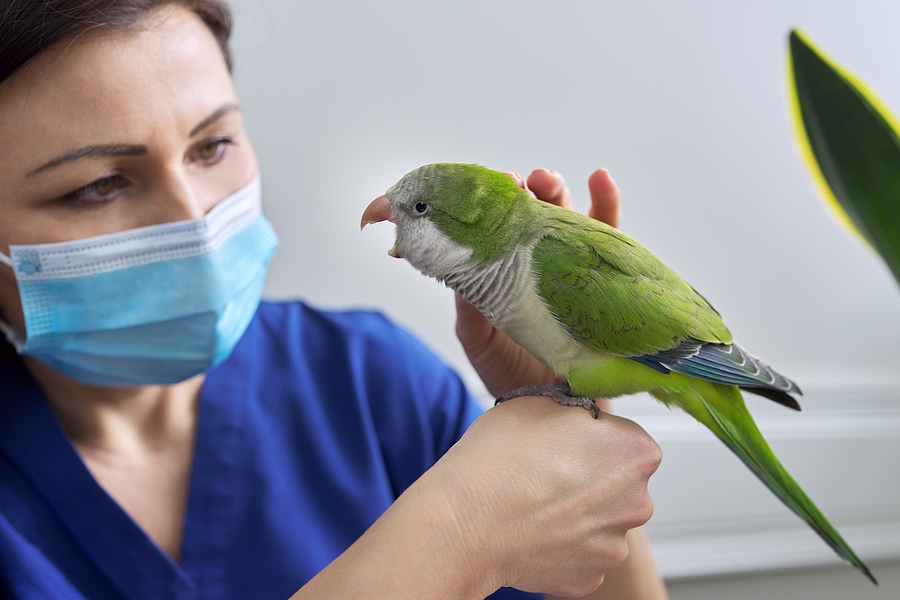
Rachel Lees, RVT, KPA CTP, VTS (Behavior)To successfully identify behavior concerns and recommend a treatment plan, a veterinary professional should be proficient in collecting a thorough behavioral history. It’s essential to gather information on daily routine, environment, training history, and other lifestyle and behavior facts.

With feathered companions, this is especially important, as many avian behavioral issues may be related to lack of environmental stimuli; specific relationships with members of the household; the owner’s behavior; and daily schedule and routine, to mention a few key pieces of behavioral history taking. Most veterinary behaviorists require a client to complete a behavioral questionnaire prior to the pet’s appointment, but even with this information, they must act as detectives, sifting through the information and asking further questions in the examination room.

This article will discuss four aspects of collecting an avian behavioral history. Having a thorough understanding of the situation can help the veterinary team reach a diagnosis.

Gaining Client Trust

This first step is an important factor in taking a history, even though it doesn’t relate to the bird’s behavior. Veterinary professionals should present themselves in a way that promotes and creates an open and honest relationship with the pet owner. If the client feels judged, the history obtained may not be accurate history, leading to misdiagnosis.

Humans communicate visually and verbally. Actively listening and appearing open, sympathetic, and relaxed are important when entering the room to evaluate the patient and meet the owner.  When in an exam room with clients, I mention specific behaviors that may be challenging to ignore and tell the client that everyone makes mistakes and we all lose our tempers. I evaluate the client’s nonverbal body language and based on that, I may state that there is zero judgment in this space and that we are a safe zone. We support owners and understand that they are in the office to help their pet. It is not our job to judge, but to help the owner and pet move forward.

Abnormal vs. Normal Behavior

Clients who obtain parrots may or may not fully understand normal parrot behavior. Many clients bring their bird in for behavioral evaluation only to learn that the behavior is normal for that species. Parrots, for instance, are inherently loud, destructive, and messy. The parrot walking into the consultation is going to be the same parrot walking out. Giving the client clear expectations can be informative for clients and help them understand long-term goals for modification of unwanted behaviors. Communicating that some of these behaviors are normal can educate the client and lead to a discussion on how to manage the behavior moving forward.

Observing Behavior

This can be the most challenging part of obtaining the behavior history. It is important for the veterinary professional to witness typical behavior for the bird. With birds, the majority of behavior is going to be displayed in their home environment where they feel most comfortable. Most birds will alter their behavior in the presence of unfamiliar people. While using video to evaluate the behavior is valuable, it may add new, potentially “scary” stimuli to the situation, and this may influence the bird’s behavior.

To help to counteract this, have the client bring the camera or tripod into the environment a few days prior to collecting video and data. This should help the bird habituate to the camera and reduce or eliminate behavior changes. In the text Manual of Parrot Behavior, edited by Andrew Luescher, DACVB, it is recommended that clients film the following prior to the consultation:

  • Interactions with each household member (or members of the home who routinely interact with the bird)
  • Interactions with owner during:
    • Meals/eating
    • Playing
    • Snuggling
  • Routine behavior in the cage (with owner in the room)
  • Routine behavior in the cage (without the owner present)
  • Film a “Bird View” video of what the bird sees from the cage
    • Full circle view

The goal of these videos is to give the veterinary professional insight to how the bird interacts at home. The veterinary team can then read and understand the animal’s body language as it is displayed during each circumstance or situation. Caution the client against purposefully eliciting aggressive behavior or frightening the bird. The goal is for the videos to provide a glimpse of the bird’s everyday behavior and comfort level with interactions and surroundings.

Evaluating Physical Environment

The bird’s environment can play a large role in normal or abnormal behavior patterns. This can become a concern when diagnosing a behavior condition. When evaluating the pet’s physical environment, look at the following:

  • The bird’s cage
    • Size
    • Construction
    • Cleanliness: A dirty cage space can cause increased stress and anxiety
    • Location: Where is the cage located? In the common room with the family and or owners? Is it in an isolated space away from human interaction? Is it in the center of the room? Certain locations can increase stress and anxiety.
    • Stimuli and surroundings near the cage: The cage is where the bird spends a large amount of time. Since parrots are a prey species, certain sounds, objects, or conditions may be more concerning to them, causing increased fear, stress, and anxiety. Specific objects such as clocks or portraits may increase stress and anxiety (“Why is the scary portrait staring at me?”). Loud sounds, cigarette smoke, and air quality are other factors that can make the parrot uncomfortable.
  • Toys and enrichment:
    • Are perches and play gyms present in a social gathering space? This may suggest that the bird is able to loosely and comfortably play and interact with the equipment in the presence of people and other unknown stimuli.
    • Assess the type of toy, size, construction materials, and suitability. Toys that are too challenging become uninteresting. Each toy should match the preference of the bird. Variation and rotating toys can be a useful tactic to keep toys as “fun” as possible. Some birds may not know how to play with toys, and for this reason may be more dependent on and bonded to the owner.

Veterinary professionals may also request that the client submit a video tour of the home. This can aid them in knowing what the pet may be experiencing based on human movement, placement of items, and daily routine.

These are just a few of the considerations to take into account when obtaining an avian behavioral history. Other areas to assess and discuss are the patient’s signalment, breed, developmental history, prior environmental information, and grooming. We will dive into other aspects of taking an avian history in a future blog post.

Reference: 

Luescher, Andrew. Manual of Parrot Behavior. Blackwell Publishing. 2006

This article was reviewed/edited by board-certified veterinary behaviorist Dr. Kenneth Martin and/or veterinary technician specialist in behavior Debbie Martin, LVT.

Rachel Lees, an Elite Fear Free Certified Professional, is a veterinary technician specialist in behavior, a KPA certified training partner, and veterinary behavior technician at the University of Tennessee College of Veterinary Medicine. She loves helping people create and maintain a strong human-animal bond.
 

Fear Free and Airvet: A Pawsitive Pairing for Your Practice

Keeping pets (and their vets) stress-free is good for everyone! Fear Free and Airvet have teamed up to help pets live healthier and happier lives. This fireside chat will cover how using Airvet’s connected care platform and Fear Free training can alleviate fear, anxiety & stress in pets while allowing you to easily deliver an outstanding client experience.

Please join Marty Becker, DVM, founder and CEO of Fear Free; Russ Brewer, DVM, CVMA, CVSMT, CCRT of Care Animal Hospital of Pleasant Prairie; and Jeff Werber, DVM, Chief Veterinary Officer of Airvet, as they share their experiences and best practices that will set you and your team apart from the pack.

Speak the Right Words

Debra Vey Voda-Hamilton, principal at Hamilton Law and Mediation, PLLC (HLM), helps vets and their staff learn how to appropriately address disagreements and foster mindful reactions to difficult discussions. As the first conflict consultation practice in the U.S. dedicated to helping people resolve conflicts that arise in business and life over animals, HLM uses empathy, compassion, and methods of alternative dispute resolution (ADR) to assist people in understanding the “why” of a conflict that arises when dealing with animals. These conflicts are relational, not transactional, and can be nipped in the bud—before they nip the veterinarian in the butt—if skills to address the conflict are learned and applied.

Gain the knowledge on how to peacefully and proactively:

  • Address disagreements
  • Choose to keep relationships or let them go peacefully
  • Appreciate how you (and others) think
  • Enhance your listening skills
  • Find strength in allowing curious questions and discussions
  • Realize you can navigate difficult conversations

Brought to you by our friends at Vetoquinol.

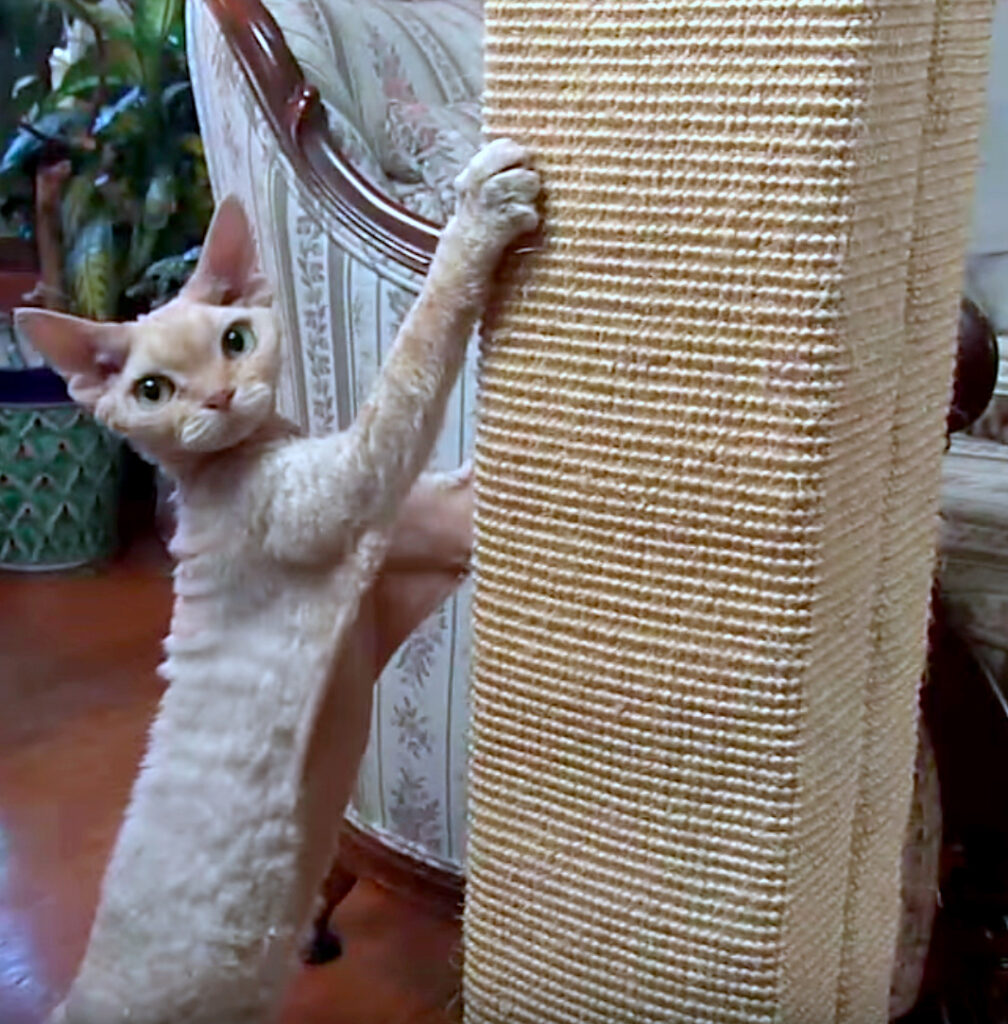
Steve DaleRoxy’s arthritis had worsened. Because of the 18.5-year-old Devon Rex cat’s history of gastrointestinal issues, her veterinarian and owners had few pharmaceutical options for managing her pain.

For clients, seeing a pet in pain is the worst. Cats are especially adept at masking pain, so when they actually show they are in pain, they are really hurting. That’s where we were with Roxy.

Gabapentin had been prescribed, but all it did was increase her catnap time. I consulted an expert. “Let me hold Roxy’s paw and we’ll slowly increase the dosage,” said Robin Downing, DVM, internationally renowned for her knowledge about pain in pets.

Dr. Downing consulted with my Chicago, Illinois-based primary care practitioner Natalie Marks, DVM, who welcomed Dr. Downing’s contribution.

Downing gradually upped the dose of the gabapentin, and her persistent yet measured effort appeared to bring results without an accompanying significant primary side effect of the drug: drowsiness.

“Multimodal is the best approach for osteoarthritis for nearly all cats,” Downing says. To that end, we began to employ a tool called an Assisi Loop, which uses targeted pulsed electromagnetic field technology to treat pain and decrease inflammation. That not only benefited Roxy’s osteoarthritis, but also had the potential to aid her GI issues. In addition, for arthritis I give her injections of Adequan.

That was in 2018 and Roxy clearly benefited from the collaboration between Drs. Downing and Marks and the multimodal approach. However, about a year ago, I noted that Roxy appeared to be struggling a tad more and asked Dr. Marks for further advice.

“The struggle we have as small-animal practitioners is that we only have certain pain medications that are safe and approved for cats as they age, and many are contraindicated for cats with other conditions,” Marks said. “Our goal for our patients is for them to have the best quality of life and to be as pain free as possible every day. The beauty of veterinary medicine today is that we have a variety of integrative therapies which are readily available, and I thought about medical massage therapy. And technology can deliver a way to demonstrate options as never before.”

She suggested I contact Rosemary LoGiudice, DVM, who is boarded in veterinary rehabilitation medicine and practices in Hanover Park, Illinois. She is at least an hour from my home, not to mention this was all happening at the height of the pandemic.

Marks said, “I think this may be the perfect use of telehealth. And I believe massage therapy may help.” Dr. LoGiudice agreed.

LoGiudice noted that ideally she would want to get her hands on Roxy to feel her flexibility and for heat in the joints. But she was able to communicate with Dr. Marks, who has known Roxy most of her life and had recently examined her.

Using my phone, I took video of Roxy moving in her own element from different angles as directed by LoGiudice, who says, “When I can see the dog, cat, or horse moving in a natural way, I can get a good feel for stride and how the joints are moving. Very few dogs and cats are going to show me in the exam room how they move at home.”

LoGiudice and I jumped on a Zoom show and tell call. Dr. LoGiudice held a plush dog in her lap. She showed me exactly what to do, where to do it and how much pressure to exert when offering massage therapy. Old-school written directions could never replicate Dr. LoGiudice demonstrating, and then watching me and directing me, “Move your hand slightly lower.”

I gradually spent more time every night massaging Roxy. Roxy not only didn’t fend off the nightly spa treatment, she began to request it. Even now, a year later, when I stop, she paws at my face demanding more.

That was no surprise to Downing. “If this was causing Roxy pain or discomfort, or Roxy didn’t enjoy it, she still moves well enough to walk away,” she says.

Watching video of Roxy two weeks after the start of the Dale Spa treatment, LoGiudice wasn’t surprised either by the effect of medical massage to slightly but noticeably increase Roxy’s mobility and interest in exploring or moving to whatever room my wife and I are in. Also, LoGiudice is now inspired by the idea of using video and video chat to support clients in a way she hadn’t previously considered.

Downing agreed. “There’s no substitute for being hands-on with our patients, and for office visits, but you can certainly observe more remotely than what is possible in an exam room. And to schedule time for a virtual lesson in medical massage therapy, acupressure techniques, or teaching animals how to stretch are only a few examples.”

From her perspective of having known Roxy for more than half her life, Dr. Marks says, “I absolutely saw a difference in Roxy. What I really loved about this collaboration isn’t only about considering integrative care, it’s about how veterinarians are being creative to help all involved, especially at this time. And right now, we do need to be creative. I hope this specific type of partnership and using technology in the way we did with Roxy becomes a model, sticking around long after the pandemic.”

This article was reviewed/edited by board-certified veterinary behaviorist Dr. Kenneth Martin and/or veterinary technician specialist in behavior Debbie Martin, LVT.

Steve Dale, CABC (certified animal behavior consultant), hosts two national pet radio shows and is on WGN Radio, Chicago. He’s a regular contributor/columnist for many publications, including CATSTER, Veterinary Practice News, and the Journal of the National Association of Veterinary Technicians in America. He’s appeared on dozens of TV shows, including Oprah, many Animal Planet Programs, and National Geographic Explorer. He has contributed to or authored many pet books and veterinary textbooks such as “The Cat: Clinical Medicine and Management” and co-edited Decoding Your Dog, by the American College of Veterinary Behaviorists. He speaks at conferences around the world. www.stevedale.tv.
|

Understanding Declaw Salvage Procedures

Until declaws are eliminated in the United States, you will most likely encounter declawed patients in your practice. With recent advancements in surgery, salvage procedures can help manage pain and improve limb function. Join one of the leading figures in declaw salvage surgery Nicole Martell-Moran, DVM, MPH, DABVP (Feline Practice), to learn about the procedures involved, how to find training, and how you can incorporate it into your practice.

The Paw Project and Fear Free Together At Last!

The Paw Project’s beginning was rooted in helping relieve big cats from complications from being declawed. Thankfully, founder and director Dr. Jennifer Conrad saw the same need in domesticated felines. Don’t miss this opportunity to hear about her journey and her rebuttals against the common arguments in favor of elective feline onychectomy.

Fear Free Certified Practice Town Hall: Discontinuing Declaw Procedures

Following the announcement that Fear Free Certified Practices would be required to phase out elective feline onychectomies, we hosted a town hall with Fear Free founder Dr. Marty Becker, founder and director of The Paw Project Dr. Jennifer Conrad, pain management guru Dr. Michael Petty, and board-certified veterinary behaviorist Dr. Valarie Tynes. The “whys” behind this decision were shared and we wrapped up the hour with Q&A from the audience.

You must be a Fear Free Certified Practice member and logged in to view this webinar