In veterinary medicine, we often focus on reducing fear, anxiety, and stress (FAS) for our patients. But there is another group experiencing significant anxiety during veterinary visits: clients.
Worried about their pet’s comfort, fearful of bad news, concerned about cost, or carrying guilt about previous experiences, anxious clients walk through our doors every day. When their concerns are not acknowledged, trust erodes. When their emotions are recognized and supported, trust grows.
A Fear Free approach does not just calm pets. It creates an environment where clients feel heard, respected, and confident in the care their pet receives. When we reduce fear for clients, we strengthen relationships, improve compliance, and build a healthier experience for the entire team.
Here is how Fear Free principles help veterinary teams build trust with anxious clients.
Recognize That Client Anxiety Is Real
Client anxiety often shows up as hesitation, excessive questions, emotional reactions, or even frustration. These behaviors are not resistance. They are signs of concern and uncertainty.
Fear Free teams approach these moments with curiosity rather than judgment.
Instead of thinking, “This client is difficult,” consider,
“This client is worried. What do they need to feel safe and confident right now?”
Simple validation can make a powerful difference:
- “I know visits can be stressful for both pets and their families.”
- “You’re doing the right thing by bringing them in.”
- “Let’s talk through what today will look like so there are no surprises.”
When clients feel understood, their emotional state shifts from defensive to collaborative.
Create Predictability to Reduce Fear
Uncertainty increases anxiety for both pets and people. Fear Free practices reduce client stress by making the experience clear and predictable.
Small steps that build trust include:
- Explaining what will happen before it happens
- Setting realistic expectations for wait times or procedures
- Walking clients through the plan of care step by step
- Preparing them for what their pet may experience
For example:
“First, we’ll let Bella settle in the room. Then we’ll do the exam slowly and watch her body language. If she shows signs of stress, we’ll pause and adjust.”
When clients know their pet’s emotional experience matters, confidence in the team grows.
Make the Client a Partner in Fear Free Care
Trust deepens when clients feel involved rather than sidelined.
Fear Free practices invite participation by:
- Encouraging clients to bring favorite treats, toys, or bedding
- Teaching cooperative care techniques
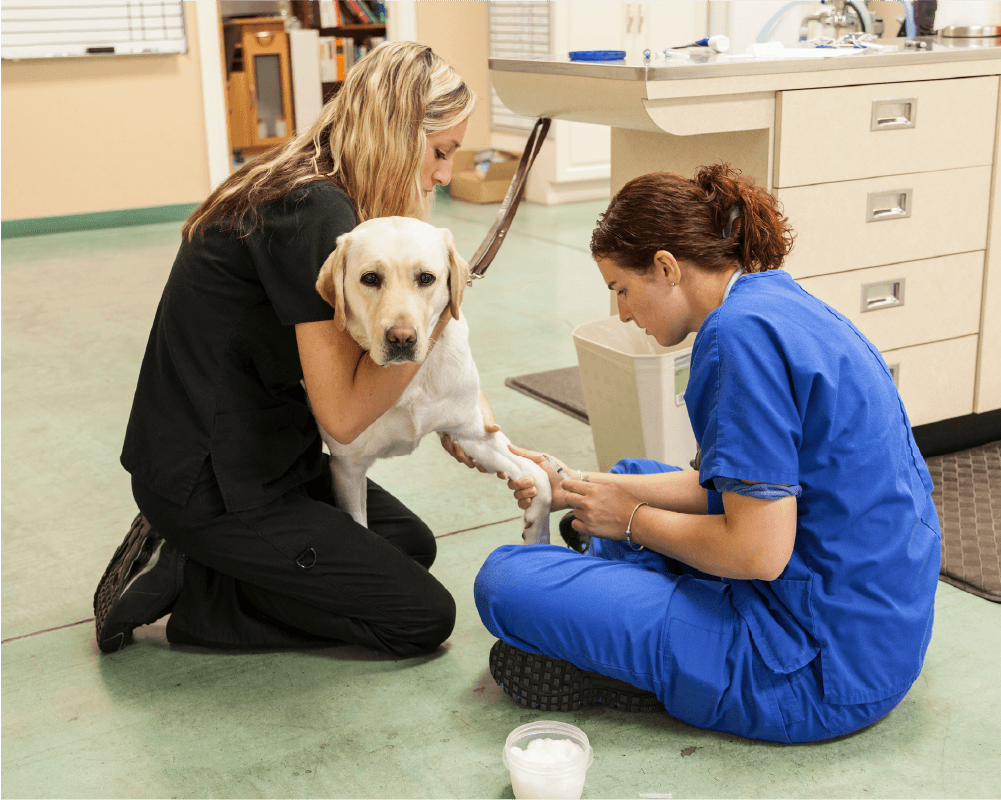
- Demonstrating gentle handling and positive reinforcement
- Sharing ways to prepare for future visits
These moments accomplish more than reducing FAS. They show clients that the team is invested in their pet’s long term emotional wellbeing, not just today’s appointment.
Partnership builds ownership, and ownership builds loyalty.
Communicate with Transparency and Empathy
Anxious clients are highly sensitive to tone, body language, and word choice. Clear, compassionate communication strengthens trust, even when discussing difficult topics.
Fear Free communication strategies include:
- Sitting at eye level when possible
- Using plain language instead of medical jargon
- Checking for understanding
- Acknowledging emotions before moving to solutions
For example:
“I can see how worried you are. Let’s talk through what this means and what our options are.”
When empathy comes first, clients are more open to recommendations and decision making.
Align the Entire Team Around the Experience
Trust is not built in a single interaction. It is built through consistency across the entire visit.
From the front desk to the exam room to checkout, Fear Free teams work together to create a unified experience:
- Warm, calm greetings
- Awareness of client and pet stress levels
- Smooth handoffs between team members
- Reinforcement of the same message: your pet’s emotional wellbeing matters
When clients see that every team member shares the same values, confidence in the practice strengthens.
The Ripple Effect of Client Trust
When anxious clients feel safe and supported, the benefits extend beyond the appointment.
Trusted clients are more likely to:
- Approve recommended care
- Follow treatment plans
- Return for preventive visits
- Prepare their pets for future appointments
- Refer friends and family
Just as important, trust reduces emotional tension for the veterinary team. Conversations become easier, interactions more positive, and the work more rewarding.
Building Trust One Moment at a Time
Trust is not built through one grand gesture. It grows through small, consistent Fear Free moments:
A calm explanation
A pause when a pet shows stress
A reassuring word
A team that listens
When we reduce fear for pets and people, we create something powerful: confidence, partnership, and lasting relationships.
Remember that every interaction is an opportunity. By applying Fear Free principles to the client experience, we do more than improve visits. We build the foundation for better care, stronger teams, and a practice clients trust with their most important companions.
Because when clients feel safe, pets do too.
Take the Next Step
Want to strengthen trust in everyday interactions?
Our course, Micro Moments of Trust in the Clinic, helps veterinary teams identify the small, intentional actions that build confidence, reduce anxiety, and improve the experience for pets, clients, and team members.
You will learn practical, immediately applicable strategies to turn routine interactions into meaningful trust-building moments throughout the veterinary visit.
Explore the course and start building trust, one moment at a time.