Blog Archives

[wcm_restrict plans=”level-1-group-leader, certified-practice, groomer-certification, animal-trainer, student, sitter-certification-program, boarding-daycare-certification-program”]

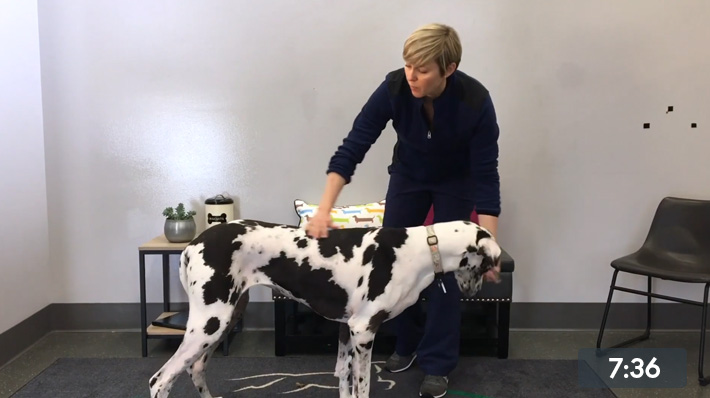
Kristin Kirkby Shaw, DVM, MS, PhD, DACVS-SA, shows you how to perform a one-minute orthopedic exam on a dog utilizing Fear Free principles. For a more detailed exam, you can view an extended video here.

[/wcm_restrict]

[wcm_nonmember plans=”level-1-group-leader, certified-practice, groomer-certification, animal-trainer, student, sitter-certification-program, boarding-daycare-certification-program”]

You must be a Fear Free member and logged in to view this webinar

[/wcm_nonmember]

Feline blood draws are often stressful for the professional, and even more so for the patient. Veterinary technician/trainer Tabitha Kucera, CCBC, RVT, KPA-CTP, shows how you can get a blood draw done on a feline patient quickly, easily, and, most importantly, Fear Free.

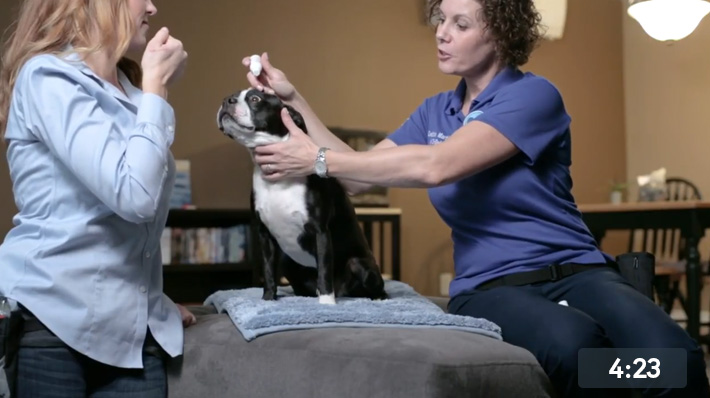
Could you use some Fear Free help with your most difficult pet-sitting clients? Help is here from Fear Free’s lead animal trainer Mikkel Becker! You know the pets we mean—the picky ones, the “unpillable” ones, the ones who are pretty sure those ear drops will kill them. What pet sitter hasn’t felt their stomach drop when those pets are on the schedule?

In this recorded webinar, Mikkel Becker covers:

  1. Safe, easy administration of topical and oral medications
  2. Setting up the pet’s environment for success
  3. Effective use of distraction techniques
  4. Performing husbandry care tasks
  5. Reviewing Fear Free approaches

About the Presenter

Mikkel Becker is a certified trainer, dog behavior counselor, and the lead animal trainer for Fear Free. From early life it was undeniably clear that Mikkel’s number one focus was always going to be animals.

Mikkel’s childhood consisted of two joys; horses and dogs. Her training career started early with help from her childhood dog, a Wire Haired Fox Terrier named Scooter, who delighted in fun games like running in the opposite direction when called, leading the neighborhood bark patrol and terrorizing other dogs in a blaze of terrier-fueled fury. But where frustration created what could have been rifts the size of the massive holes Scooter dug in the yard, pure love was able to bridge those gaps and create a wiser, more resilient child and dog who together became grand champions in 4-H obedience. Unlike many children her age, Mikkel traded sports and other hobbies to instead chase after blue ribbons at horse shows and memories on trail rides. Her special passion was taking horses who were deemed less suitable by others and revealing the true champion inside.

In pursuit of formal animal training education, Mikkel graduated from the rigorous San Francisco SPCA Dog Training Academy with Jean Donaldson (earning a Certificate in Training and Counseling; CTC), the Karen Pryor Academy (becoming a Karen Pryor Certified Training Partner; KPA CTP), the Purdue Dogs and Cats Course, and Mikkel shadowed Dr. Nicolas Dodman at the Cummings School of Veterinary Medicine. Mikkel’s favorite educational experience was providing enrichment and positive reinforcement guidance to orangutans at Jungle Island in Miami. Along with her growing knowledge, Mikkel achieved other certifications, including becoming a Certified Behavior Consultant Canine (CBCC-KA), a Certified Professional Dog Trainer (CPDT-KA) and a Certified Dog Behavior Counselor (CDBC).

Locally in the Seattle area Mikkel is the dog and cat behavior counselor at Homeward Pet Adoption Center, resident trainer for veterinary behaviorist, Dr. Wailani Sung, and a trainer at Doggy Haven Resort.

When it comes to home life, Mikkel’s four-legged pug kids were eventually joined by a now seven year old daughter, Reagan, who is blossoming into her own rights as a trainer (Reagan’s current passion project is taming farmyard chickens and goats and pursuing ambitions to run an animal rescue and become a veterinarian like her Papa, Marty). Today, Mikkel’s family lives in in a country getaway space outside of Seattle along with the family’s cherished pug genius, Willy who charms guests with his arsenal of tricks and delights in giving his version of wet willy’s with his surprisingly long, frog-like tongue.

Mikkel recently co-authored “From Fearful to Fear Free: A Positive Program to Free Your Dog from Anxiety, Fears, and Phobias” with Dr. Marty Becker, Dr. Lisa Radosta and Wailani Sung.
|

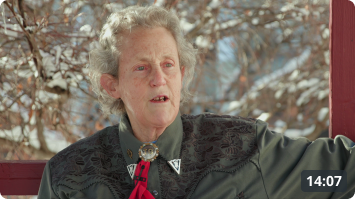
Join world-renowned animal behaviorist, award-winning author, and subject of an Emmy-award winning film Temple Grandin, Ph.D., as she takes a tour of a veterinary hospital with Fear Free founder Dr. Marty Becker and describes what she sees, hears, and experiences. Learn through Dr. Grandin’s first-hand observations how we can better “see” things from animals’ perspectives and how even small improvements, exactly like the ones taught in Fear Free’s Veterinary Certification Program, can make a world of difference for cats and dogs.

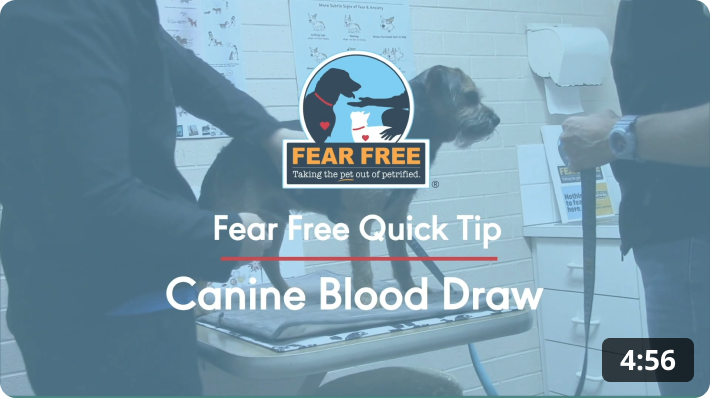
Blood draws are an essential part of practicing veterinary medicine, but they can be stressful for the professional, let alone the patient. Veterinary nurse/animal trainer Laura Ryder, CPDT-KA, KPA-CTP, shows you how you can get a canine blood draw done the Fear Free way.

Yes, You CAN Perform a Fear Free Canine Orthopedic Exam

In this webinar, Kristin Kirkby Shaw, DVM, MS, PhD, DACVS-SA, reviews the importance of diagnosing osteoarthritis (OA), how to perform canine exams, and pain management. Dr. Shaw also provides resources from the New Science of OA Pain website, which has canine and feline OA checklists, feline exam videos, and chronic pain teaching tools that can be provided for pet owners.

Brought to you by Zoetis Petcare.

Fear Free

Specific signals of fear, anxiety, and stress (FAS) differ slightly by species, but what remains constant for delivering Fear Free care is to attend to what animals communicate through their body language.

For exotic animal veterinarian Alicia McLaughlin, who practices at the Center for Bird and Exotic Animal Medicine in Bothell, Washington, paying close, constant attention to body language signals throughout interactions and care is vital for protecting the emotional experience and safety of her animal patients and the veterinary team.

In the case of Dr. McLaughlin’s exotic animal patients, signs of FAS may be slightly different and adjusted to depending upon the species. Avians in particular can be challenging for most people to read. But with practice, reading their signs of FAS becomes second nature.

Some signs of increasing fear, anxiety, and stress McLaughlin watches for in avian patients include eyes appearing more round as opposed to soft and almond-shaped. Stressed birds also do not preen themselves and are unwilling to eat even favorite treats. Birds may stand taller on their perch and lean away from a scary object or person, with feathers slicked and held close to the body. If these body language cues are ignored, birds may attempt to fly away or vocalize, or FAS may progress to defensive gesturing, with the bird opening the mouth, lunging, and threatening to bite.

Another aspect of body language to watch for is overexcitement.

“Overexcitement can lead to aggression quickly,” McLaughlin says.

Signs of overexcitement include feathers ruffling on the nape of the neck. A parrot may fan out tail feathers. Parrots have voluntary control over their pupils and can dilate and constrict them rapidly in what is referred to as eye pinning, another sign of overexcitement and a red flag for potential aggression.

Carefully and continually monitoring for signs of FAS throughout preparatory visits and actual veterinary care is protective both for the ability to handle patients in the immediate situation and for building their long-term comfort with care.

This article was reviewed/edited by board-certified veterinary behaviorist Dr. Kenneth Martin and/or veterinary technician specialist in behavior Debbie Martin, LVT.

[wcm_restrict plans=”level-1-group-leader, certified-practice, groomer-certification, animal-trainer, student, sitter-certification-program, boarding-daycare-certification-program”]

Fear Free Principles in an Orthopedic Exam (Full Video)

Kristin Kirkby Shaw, DVM, MS, PhD, DACVS-SA, demonstrates the use of Fear Fear principles in an orthopedic exam.

You must be a Fear Free member and logged in to view this webinar