Blog Archives

Julie Liu, DVMLast year, I watched a great webinar on Fear Free Pets by Dr. Tony Buffington called “Helping Our Feline Friends Feel Fear Free.” He shared a number of helpful tips on helping reduce stress for feline patients, but one of the points he made really resonated with me. He talked about going to an exhibit hall at a conference and seeing a booth selling signs that can be clipped onto the front of the cage, including a red sign that said, “Caution, fractious cat.” He asked if there were any signs that said “Caution, fearful cat,” because when he saw “fractious cat” his instinct would be to take care of himself to prevent injury, whereas if he saw “fearful cat” his instinct would be to take care of the cat.

Based on that conversation the company started making “fearful cat” signs, but it got me thinking about the language of Fear Free and the terms I routinely hear vet professionals use for pets exhibiting FAS (fear, anxiety, and stress): “fractious,” “angry,” “spicy,” “CAUTION!!!”, and of course, a variety of R-rated terms used only in the treatment area. And I totally get it. No one wants to get bitten, scratched, snapped at, or injured, and it seems like these terms will keep us safer when approaching stressed patients. So why could this language be problematic?

Well, I’ve noticed that when there’s a patient alert such as “fractious” for a cat, people tend to approach the pet in an adversarial way. They put on their cat gloves, take a deep breath, and go into the exam room ready to do battle with their patient, which usually includes scruffing the cat to immobilize them. Unfortunately, this approach often has the opposite desired effect. Cat gloves can cause fear in patients, and scruffing is painful and takes away the cat’s sense of control. The “fractious” cat’s FAS levels then escalate, which increases the chances of getting injured.

Changing our language so that it describes and advocates for the emotional health of the patient can keep us safer. Instead of “fractious,” what about, “Fearful, keep in carrier until doctor is ready, prefers hiding under towel for exam and vax”? It’s rare to see these types of patient alerts, yet they take only a few seconds to update in a medical record.

Terms like “fractious,” “angry,” and “&#%!@” also shut down the empathy we should strive to bring to our patients, both feline and canine, and joking that a pet is “spicy” trivializes their emotional experience. Instead, see how it feels when you use patient-focused language such as “fearful,” “anxious,” and “stressed.” Just as most of us felt at least one of these emotions during the pandemic (or even all three at the same time), most of your patients are feeling at least one of these emotions during their vet visit. In fact, many of these “spicy” patients are utterly terrified and completely justified in their emotions considering all of the scary things they experience at the vet. Using terms like “fearful” and “anxious” also contributes to a Fear Free culture and sets the tone for how we’d like fellow team members to approach their patients–with empathy, not as adversaries.

As Fear Free professionals, we have the tools to identify, prevent, and alleviate FAS. Modeling Fear Free language is another important step we can take to bring compassion to the patients in our care.

Resources

https://fearfreepets.com/helping-our-feline-friends-feel-fear-free-with-dr-tony-buffington/

FAS Spectrum Handouts

https://serona.vet/collections/cage-tags-signs?page=1

This article was reviewed/edited by board-certified veterinary behaviorist Dr. Kenneth Martin and/or veterinary technician specialist in behavior Debbie Martin, LVT.

Julie Liu is a veterinarian and freelance writer based in Austin, Texas. In addition to advocating for Fear Free handling, she is passionate about felines and senior pet care. Learn more about Dr. Liu and her work at www.drjulieliu.com.

Want to learn more about Fear Free? Sign up for our newsletter to stay in the loop on upcoming events, specials, courses, and more by clicking here.
 

Improving the Emotional Experience via Science of the Senses: Smell

This program will focus on the olfactory experience of canine and feline patients during the veterinary visit and the important role that it plays in the pet’s emotional health and physical health when under veterinary care. Join Jacqui Neilson, DVM, DACVB as she discusses the importance of protection against respiratory pathogens using Fear Free vaccination strategies.

||

Conoceremos en que consiste el programa Fear Free, sus pilares fundamentales. Revisaremos las características de la especie felina, como percibe el mundo, sus necesidades y como se comunica permanentemente. El comprender y reconocer estos puntos será clave para desarrollar una practica Fear Free. Determinar si nuestros pacientes presentan miedo, ansiedad y estrés será un punto clave para trabajar de una manera acorde, pero fundamentalmente prevenirlas. Nuestras clínicas y hospitales, pueden beneficiarse ampliamente incorporando estas prácticas, sin tener que realizar grandes inversiones ni cambios edilicios.

Psychological Safety for Veterinary Teams

Psychological safety is the most important aspect of successful teams. Our ability to feel safe to share ideas, to grow from failure, and to be honest with empathy allows our team to bypass the “interpersonal mush” that can exist otherwise. A sense of belonging, ability to be vulnerable, and strong interpersonal relationships are the initial ingredients to create this environment. We can assess psychological safety in a team using different tools. If psychological safety is lacking, we can help foster it using specific interventions, including civility and growth mindset work.

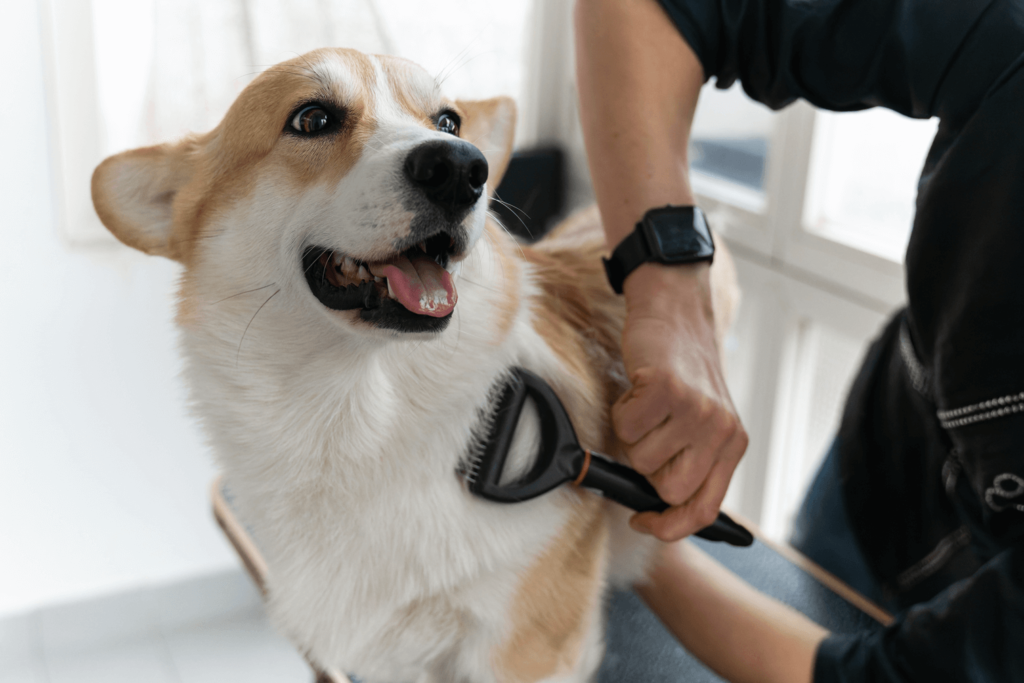
By Elsebeth DeBiaseLearning to groom pets is a challenge. At first, the focus is on mastering equipment, proper trims, and avoiding a bite or nicking an animal. Great workdays for a groomer are filled with cold noses and friendly tail wags. So, what do bad days look like? Hard grooming days look different for everyone, but for me, explaining to an owner that I can’t groom their pet due to behavior is the worst. As a veteran groomer of over 20 years and a graduate of the Animal and Veterinary Sciences program at the University of Maine, Orono, I have always been committed to providing the highest quality grooming services possible with the help of industry continuing education. When the Fear Free Groomer Certification Program was released, I jumped at the chance to be Maine’s first Fear Free Certified Groomer. Fear Free planted a seed that changed my approach to the business of pet grooming. Fear Free enabled me to help more pets who were apprehensive of the professional grooming environment by focusing on the animal’s emotional well-being and forging good groomer-client relationships.

Necessary, but Never Urgent

Pet grooming provides many physical benefits to pets, including healthier skin and coat, shorter nails, and overall cleanliness. Pets and owners have more quality interactions when pets are regularly groomed and feel good. I am a firm believer that grooming enhances the canine-human bond. However, grooming is never urgent enough to sacrifice a pet’s emotional well-being. Sometimes groomers, myself included, feel pressure to do a perfect trim, but this is not always practical or possible. Often, pets require comfort grooms focusing on sanitary issues rather than esthetics; this is especially true of young and old pets. Nevertheless, it is critically important that the pet owner is on board with a pet professional’s care plan.

Individualized Care Plans

Fear Free gives pet professionals the tools to constructively advocate for pets experiencing fear, anxiety, and stress. By incorporating Fear Free practices into my grooming business, I was able to educate clients regarding fear, anxiety, and stress in pets and confidently manage client expectations. As a Fear Free Certified Groomer, I can skillfully demonstrate to a client the need for an individualized approach to grooming their pet, thus reassuring them the pet is in good hands. I have built long-lasting relationships with my clients using Fear Free principles and a sincere desire to help. Additionally, Fear Free techniques are most successful when I actively encourage owners to participate; after all, Fear Free starts in the home.

The Fear Free Difference

Fear Free is a mindset encompassing knowledge, skill, integrity, and compassion backed by behavioral science. Fear Free values helped me develop my pet care philosophy: helping every owner will help every pet. As a result, veterinarians, groomers, local business owners, and clients often refer potential customers to me. I have gained many wonderful customers this way, and I encourage all groomers to continue their education with Fear Free.

Lastly, Fear Free practices are rewarding and fun. There is no better feeling than helping a struggling pet succeed. When it comes to grooming, you can’t always do the “good dogs,” but why can’t all dogs be good with an individualized approach? The answer is they can.

Bio

Elsebeth DeBiase is an award-winning IPG Certified Master Groomer with 22 years of experience in the pet industry. As a graduate of the University of Maine Department of Animal Sciences, she has an understanding of the animal industry that encompasses farm, veterinary, and pet industries alike. In 2011, Elsebeth opened Coastal Creations Pet Salon with the goal of providing individualized services to her four-legged clients while utilizing state-of-the-art equipment, compassionate handling methods, and modern styling techniques. Her specialties include small dogs, cats, and disabled and senior pets. Elsebeth is Fear Free and Low-Stress Handling Certified. She recently completed the Canine Arthritis Management (CAM) training for pet professionals to help raise awareness of the symptoms and prevalence of canine osteoarthritis.

This article was reviewed/edited by board-certified veterinary behaviorist Dr. Kenneth Martin and/or veterinary technician specialist in behavior Debbie Martin, LVT.

Want to learn more about Fear Free? Sign up for our newsletter to stay in the loop on upcoming events, specials, courses, and more by clicking here. 
Early Detection Advantages of Feline CKD

Join Dr. Ashlie Saffire, DVM, DABVP (Feline) to discuss the benefits of early detection of CKD through diagnostics and the potential for a newly emerging tool that uses oral microbiome data to help identify at-risk patients for CKD. Knowledge of risk factors and early intervention is key to treating CKD early, elevating patient care, and improving prognosis over time.

Brought to you by our friends at Basepaws

Providing Vaccines and Other Preventive Care to Shelter Animals the Fear Free Way

Shelter animals are already experiencing elevated fear, anxiety, and stress. Their wellness care shouldn’t add to that burden. With little to no additional time, you can provide vaccines, deworming medications, flea, tick and heartworm preventives in a Fear Free manner. Join Meghan Herron, DVM, DA to discuss how low-volume and orally administered vaccines can lead to a lower stress experience.

Brought to you by our friends at Elanco

Empowered: Veterinary nursing for today and tomorrow

Veterinary technicians are more important now than ever before. In this webinar, join Angela Logsdon-Hoover, LVT RVT CVT ABCDT CCFP and learn how to continually grow in your career as a veterinary technician while making a big impact in the field of veterinary medicine.

Words matter. When communicating with clients and colleagues about pets, being thoughtful about your word choices can make a world of difference in how everyone views the pets and the entire process. It shifts any blame or judgment off the pet and instead focuses on providing solutions to help deliver a Fear Free experience for pets, clients, and the veterinary team. Here are some possible rephrasing of common terms.