Blog Archives

Course Overview

Inadequate pain control can damage the human-animal bond and impede an animal’s ability to maintain normal function and to recover from injury or illness. This module will focus on the fundamentals in measurement and the scaling and scoring of pain, so that we can more effectively treat patients’ pain and suffering.

This course, approved for 1 RACE CE hour, was written by Dr. Ralph Harvey, DVM, MS, DACVA, UTCVM.

This course consists of five lessons:

  • Lesson 1: Pain as a Vital Sign
  • Lesson 2: Behavioral Signs of Pain
  • Lesson 3: Scales and Scoring of Acute Pain
  • Lesson 4: Evaluating Chronic Pain
  • Lesson 5: Case Examples

This course is endorsed by the International Veterinary Academy of Pain Management.

You must be a certified veterinary professional to take this course.

Course Overview

Although animal trainers can typically recognize the external signs of an animal in serious pain or distress, they are not necessarily aware of what’s going on inside the animal’s body and how it can affect their behavior. This module will discuss common conditions as well as take an in-depth look at pain management strategies and the effects of pain and stress on an animal.

This module has been approved for 1 RACE CEU and 1 CEU from CCPDT, IAABC and KPA.

This module is divided into three lessons.

  • Lesson One: Medical Conditions and Special Considerations When Training
  • Lesson Two: Understanding Pain: Effects, Signs, and Treatments
  • Lesson Three: Stress and Its Impact on Body and Welfare

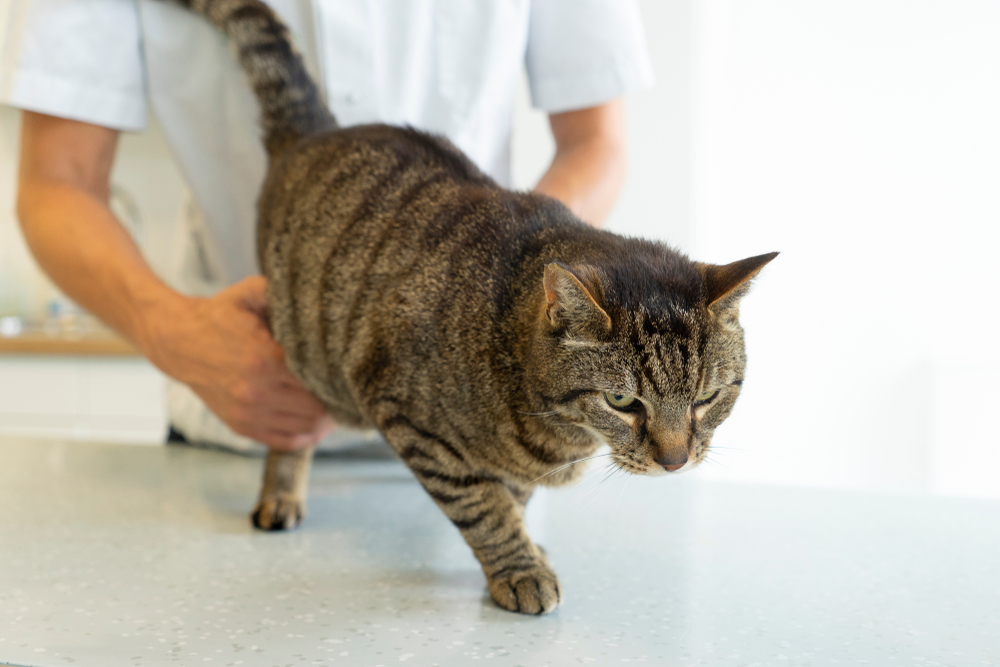
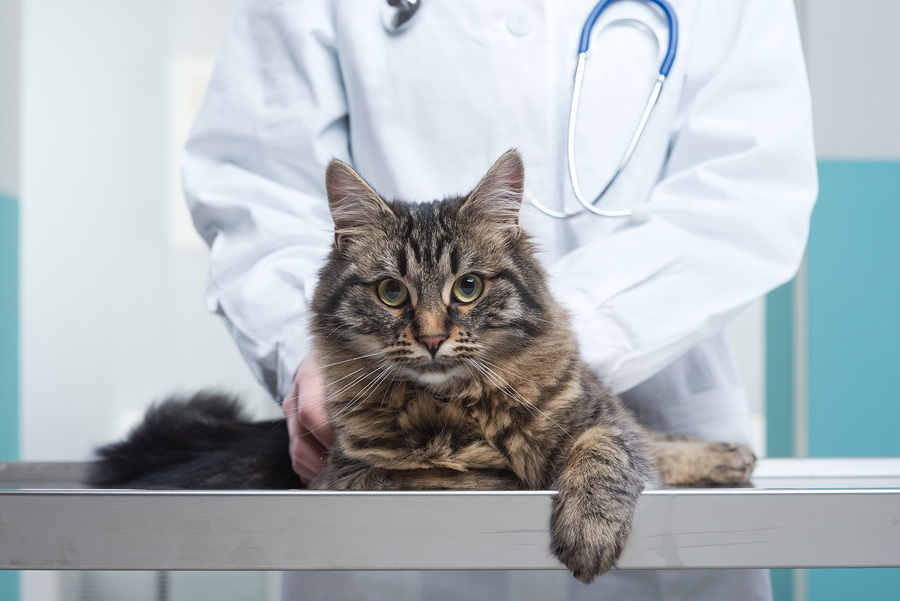
Kim Campbell ThorntonSeptember is Animal Pain Awareness Month. As pet care professionals, you know better than anyone that dogs and cats experience pain and discomfort. You also know how difficult it can be sometimes to recognize and manage chronic pain, especially in cats. Too often, pet owners assume that cats normally become less active with age, but changes in a cat’s behavior can be subtle signs of chronic pain from injury or illness.

Pain Goes Unnoticed

Chronic pain in cats is commonly underdiagnosed. Cats are so good at hiding their discomfort that it can come as a surprise to owners and even to some veterinarians to learn that they might be in pain. Owners aren’t always aware that syndromes such as glaucoma or diabetes are accompanied by pain.

Many behaviors can indicate pain in cats, including changes in functional mobility such as decreased grooming or difficulty in jumping on or off furniture; changes in sleep patterns or locations; changes in posture when sitting or sleeping; hiding; changes in litter box habits; unusual reluctance to be petted or groomed; and poor appetite. Anything that isn’t normal for a particular cat should be considered a possible sign of pain.

Causes of Chronic Pain in Cats

Many common feline diseases can cause chronic abdominal pain. Cats with this type of pain may not eat well or are nauseous and lethargic. Unless the pain is severe and constant, though, it may not be obvious when you palpate the cat.

Even once it’s identified, the level of pain can be difficult to assess. It can be a good idea to have owners keep a diary of the cat’s behaviors over a period of time or to have them complete a questionnaire.

Multimodal Relief

Managing chronic pain usually involves several types of therapy that all work together to help relieve discomfort. A combination of medication and physical therapies such as acupuncture, massage, or other rehabilitation techniques is usually most effective. Some trial and error may be necessary to find what works best.

We asked Alicia Z. Karas, DVM, DACVAA, at Cummings School of Veterinary Medicine at Tufts University, about her experience in recognizing and managing chronic pain in cats.

What should people know about pain in cats?

The first one is recognizing that the cat has pain. The cat might have arthritis, a degenerative joint condition, but nobody’s figured that out because the cat doesn’t limp. It might do things like not jump or not groom well. The other is not recognizing that a given syndrome is accompanied by pain. For many years, in dogs and cats, we thought of glaucoma as being something that threatened vision, but we know from people that glaucoma causes pain in humans and it’s a really difficult type of pain to treat. In cats and dogs, if they have an end-stage [case of glaucoma], we’ll take the eye out. Anybody who’s an ophthalmologist or who has removed an eye in an animal with glaucoma probably has heard from the owner that once that happened, the animal returns to almost a younger animal. They’ve had that chronic pain hanging over them, and once that was gone and that surgery has healed, they found their behavior much less inhibited by pain. So thinking about the fact that having skin disease or ear disease or eye disease or intestinal disease might not just be a problem for weight gain or thriving health but that it might impact pain is an important factor in terms of a barrier to pain treatment in animals.

What are some of the challenges of managing pain in cats?

When cats are resistant to being pilled, it can be a challenge. Sometimes cats need treatment for life and owners need to figure out how to get meds into the cat every day. Formulation of medication can also be a problem. One cat I treated with chronic post-trauma pain has to have one of her medications compounded because they don’t make the pills in a small enough size. They’re putting it in the food and the cat is eating it. Compounding can be very useful, but compounding medications has many drawbacks. It’s more costly, there is no guarantee that compounded medications will produce the same effects as the FDA-approved formulations, and the shelf life of compounded medications is much shorter.

What are some of the issues in treating chronic pain in cats?

A number of NSAIDs have been studied and approved for use in dogs, but that wasn’t done until fairly recently for cats. We’ve had two NSAIDs approved for use in cats for acute pain, but neither is approved for chronic use in cats in the United States, although NSAIDs are approved for long-term use in cats in Europe.

Are there other types of medications that can help cats with pain?

Gabapentin is an anti-seizure drug that was found serendipitously to have effectiveness for certain types of pain. Gabapentin can help cats with certain types of pain and is also something that can help sedate cats for car rides and vet visits. For smaller cats, though, this is a challenge because the smallest size pill that’s available is 100 mg. To reduce the amount we give requires it to be compounded or divided or made into a suspension that’s safe. People have also used tramadol in cats but it’s complicated by the fact that the taste is really bitter. We are using some things like amitriptyline, an antidepressant drug that isn’t used much for depression anymore but was found to have about five different ways that it could impact pain. It has potential use for chronic bladder pain, but some cats don’t tolerate it well. I have used other antidepressant-type drugs like Prozac in cats, at lower doses than for behavioral use, because it’s similar to amitriptyline, but maybe a little less complicated.

Can any supplements help with pain?

Cosequin is an oral joint supplement made for cats that can be useful for things like arthritis. There’s an injectable joint supplement called Adequan that is approved for use in dogs and is used off label in cats. And we’ll use things like fish oils and other supplement-type things as well.

What non-pharmacological treatments can help?

I use acupuncture in cats for chronic pain. I think that acupuncture can be very useful in cats. For acupuncture, you’d want to go once a week or once every other week at least for three to five sessions to see whether it’s going to have an effect on the cat, and then as needed, which might be monthly or every three months. It depends on the individual.

Can painful cats benefit from physical rehab?

I think people discount the benefit of physical rehab for cats, but I had one client who was pulling out all the stops for her older cat. She took him to a rehab specialist who was swimming him and doing massage and acupuncture and the cat had a really good response to that. It builds muscle, and muscle helps with joint problems. If you don’t have muscle because you haven’t been using your muscles, then you can’t support your joints, and your other muscles are really sore.

What can veterinarians suggest that owners do at home to help cats in pain?

When I see a cat for chronic pain—and I don’t see as many cats for chronic pain as I do dogs—I recommend a combination of lifestyle modifications. Those might be easier access to litterbox, ramps to furniture, and warm and cool places where they can go. Weight management is huge. If you have joint pain and you’re obese, you have way more pain than you need to because you can’t pull yourself around.

What else should be considered when managing pain in cats?

Probably the most important thing is to not be satisfied with the attitude “There’s nothing we can do.” With stomatitis, for example, taking all the teeth out is something that we commonly have done, and our dentists see at least several cats a month for this condition. If the cat isn’t a good anesthetic risk, there are medications that we don’t think of as traditionally analgesic. Certain antibiotics such as metronidazole have an anti-inflammatory effect. There are some times when joint disease affects cats and we might be able to do a surgery that helps them. We don’t do hip replacements in cats, but we can cut the hip joint and allow it to fuse and make a pseudojoint. That might help if there’s an instability. If there’s an ACL rupture or an unstable spine that’s causing back pain, surgery is the answer in combination with physical therapy and medication. I think that vets have a tendency to throw up their hands and say “It’s a cat, we can’t medicate it, there are no drugs approved for it, and it’s too much of a risk to use a medication.” Pressing on and saying ‘There is something I can do as long as I have the means or access to somebody who has different expertise’ is something that we can encourage.

This article was reviewed/edited by board-certified veterinary behaviorist Dr. Kenneth Martin and/or veterinary technician specialist in behavior Debbie Martin, LVT.

Kim Campbell Thornton is content manager for Fear Free Pets and is a Level 3 Fear Free Certified Professional. She has been writing about dogs, cats, wildlife and marine life since 1985 and is a recipient of multiple awards from the Cat Writers Association, Dog Writers Association of America, and American Society of Journalists and Authors. When she’s not writing or editing, she’s competing in nose work trials with Harper, a Cavalier King Charles Spaniel.

 

Building a Pain Management Pyramid for Pets

Pain in pets is critically important, but it is complex and scientifically intriguing. Both acute and chronic pain in pets can be clinically challenging and easy to overlook because of the ability of dogs and cats to mask and hide their pain from us. Pain management is essential medicine, and better pain management is better medicine. This webinar focuses on building an effective, multimodal pain plan for pets.

Course Overview

This course will discuss chronic pain, its causes, and its impact on animals’ wellbeing. It will include case studies, as well as a discussion of alternative and complementary treatment.

This course, approved for 1 RACE CE hour, was written by Dr. Michael Petty, DVM, CVPP, CVMA, CCRT, CAAPM.

There are six lessons in this course.

  • Lesson 1: Review of Causes of Chronic Pain
  • Lesson 2: A Brief Discussion of Acute vs. Chronic Pain
  • Lesson 3: Measuring Chronic Pain
  • Lesson 4: Effects of Chronic Pain
  • Lesson 5: Pain Cases
  • Lesson 6: Alternative and Complementary Treatments

This course is endorsed by the International Veterinary Academy of Pain Management.

Course Overview

This course will teach you how to maximize the efficacy of your analgesic protocols. You will learn how and where core and adjunctive medications work along the pain pathway, and the importance of multimodal analgesia.

This course, approved for 1 RACE CE hour, was written by Dr. Tamara Grubb, DVM, PhD, Diplomate ACVAA.

There are four lessons in this course.

  • Lesson 1: Pain and Analgesia: Introduction and Integration into Fear Free
  • Lesson 2: Pain Pathway: Where Do Analgesic Medications Work?
  • Lesson 3: Core Medications for Treatment of Acute Pain
  • Lesson 4: Adjunctive Medications and Techniques for Treating Acute Pain

This course is endorsed by the International Veterinary Academy of Pain Management.

Course Overview

This course provides specific protocols for treating patients experiencing a variety of acute pain conditions, including various surgeries, trauma, dentistry, and more. We will look at several case examples typical of what you might encounter in daily practice.

This course, approved for 1 RACE CE hour, was written by Dr. Tamara Grubb, DVM, PhD, Diplomate ACVAA.

There are three lessons in this course.

  • Lesson 1: Designing Analgesic Protocols: Importance and Strategies
  • Lesson 2: Analgesic Protocols for Elective Soft-Tissue Surgery and Dentistry
  • Lesson 3: Analgesic Protocols for Urgent Soft Tissue and Orthopedic Surgery, Trauma and Medical Conditions

This course is endorsed by the International Veterinary Academy of Pain Management.

Course Overview

This course empowers you to begin or increase your pain management business by offering suggested improvements to both the culture and physical layout of your clinic. It will discuss skills you might want to consider learning, how to effectively communicate with clients, and ways to acquire new pain patients.

This course, approved for 1 RACE CE hour, was written by Dr. Michael Petty, DVM, CVPP, CVMA, CCRT, CAAPM.

This course consists of five lessons.

  • Lesson 1: Acquiring a “Pain Attitude”
  • Lesson 2: The Clinic
  • Lesson 3: Skill Sets to Consider
  • Lesson 4: Treatment Goals and Outcome Measures
  • Lesson 5: Acquiring Patients

This course is endorsed by the International Veterinary Academy of Pain Management.

International Veterinary Academy of Pain Management

How Cats Say Ouch: Feline Pain Scoring & Treatment Made Easy

Cats don’t speak our language and cannot tell us when they are painful. It is up to us to learn how they express pain. Pain is an unpleasant emotional experience and we can gain insight into how our feline patients feel by looking for changes in behavior and facial expressions. Because a picture is worth a thousand words, this webinar will use images and videos to demonstrate how cats with acute pain behave. A scoring system that is suitable for clinical use will be discussed.

By Linda LombardiDo you have clients asking about using nutraceuticals for their pets’ behavior issues? Here’s a primer on what they can—and can’t—do.

The term “nutraceutical” is a mashup of “nutrition” and “pharmaceutical.” Beyond that, because they’re unregulated, there’s no legal definition, and every journal article you read will likely start by spending several paragraphs grappling with this fact. For practical purposes, nutraceuticals are food-derived substances that are claimed to have an effect on health. For example, alpha-casozepine, derived from milk protein, affects neurotransmitters in a similar way to benzodiazepines and may help reduce anxiety.

Looking at a list of these products, their claimed effects, and how they’re sold, it can be a little difficult to see how they are different from drugs–after all, some drugs are derived from nature, too. Lisa Radosta, DVM, DACVB, of Florida Veterinary Behavior Service in West Palm Beach, says, “They are really in my mind not that much different from drugs, except they’re unregulated, but in the mind of the consumer they are different because they are ‘natural,’ and that is something that a lot of people are looking for.”

The desire for something “natural” can be based on misconceptions both about nature and about drugs. “Natural” doesn’t necessarily equal “safe”: the natural world is chock-full of poisonous substances. In some cases, clients may simply need some reassurance about the drug options.

“When clients are thinking of behavior meds, they’re thinking of sedatives that will ‘turn their animals into zombies’ and change their personalities,’ says Jill Orlando, DVM, DACVB, of Carolina Veterinary Behavior Clinic in Raleigh, North Carolina. “When they think of a supplement, they don’t think it’s going to affect their animals as strongly as what they perceive a behavioral drug does.” She also notes that people may unconsciously project the stigma of human mental illness–and the associated medications–onto their pets.

But there can be reasons to consider these products beyond client psychology, if only because there are so few approved medications for fear, anxiety, and stress in animals. The trick is to sift through the research to figure out the safe and effective choices.

Dr. Radosta prefers to use the term “supplement” to also include products derived from herbs– essentially all the products clients may find on the internet or at high-end pet stores and bring in to her with questions–and they all require the same careful consideration, first, for safety.

“A lot of these supplements haven’t been given to a group of dogs to see what they do to the liver, to the kidneys; nobody knows,” she says. “So that’s kind of scary. On the other hand, we shouldn’t throw the baby out with the bathwater. The research does show that some of them can offer benefits for fear, anxiety, and stress in animals. We don’t want to throw things away just because they aren’t a drug, but we also don’t want to assume they’re safe.”

Consider the source of a product. “What I tell my clients and veterinarians is, we try to use supplements from companies that we trust–as much as you can trust a company. We try to use supplements made by pharmaceutical companies. It’s not that I love pharmaceutical companies, but it’s that I can hold someone responsible.”

Whatever the source, read the research and evaluate the evidence yourself. Given the lack of regulation, you first need to know if a product has been properly tested for safety in dogs and cats. “For me, that’s key. Did someone give this to a bunch of animals? What is the LD50? Do we know? We shouldn’t be playing around with an animal’s life.”

Regarding evidence for effectiveness, methods of studies can vary widely. One thing to consider, says Orlando: “Is the research done on the actual product, or is it done on the functional ingredient in that products? That’s not to say that that information isn’t useful, but it doesn’t necessarily prove that product is effective.” Other factors include but are not limited to the following:

  • Species used in the study: was the research done on dogs and cats or only on rats and mice?
  • What condition was studied? If a study was narrowly focused on, say, separation anxiety, the substance may not work for other types of anxiety.
  • What was evaluated? Actual behavior or physical measurements such as stress hormones? Both types of studies have strengths and weaknesses.

If you’re still not sure, Dr. Radosta says, consult a veterinary behaviorist—that’s why they’re there!

Once you’ve decided on a product, Dr. Radosta says, make sure clients have reasonable expectations about efficacy. The common expectation that “natural” means “won’t affect the animal as strongly” is correct; it means it’s not going to have as strong a beneficial effect as a drug. Where you might get a 50 percent effect on a behavior from a drug, you can expect about half that from a supplement. “That in my practice is considered a positive outcome, and the day the client takes the supplement home I make that very clear,” she says. “If you say your dog is 25 percent changed, that’s a success.”

Because effectiveness is reduced, more than one supplement may be needed. One of Dr. Radosta’s clients whose dog has an extreme storm phobia now administers 11 capsules a day, a regimen that might add more stress for some owners and pets. These products also tend to be more expensive than their pharmaceutical counterparts, a cost that can add up quickly.

Finally, with either supplements or medications, the ideal solution relies on more than just pills; it should also involve behavioral modification. Realistically, though, this isn’t always going to be possible. Not everyone can afford a skilled trainer, and sometimes life is just too overwhelming to add another burden on clients’ time. “I meet a lot of people here in south Florida who are taking care of elderly parents and I do discuss that with them, but I have empathy,” Dr. Radosta says. “I say straight up: your life looks really stressful to me, how are you feeling, can you do this?”

But nearly everyone can handle some simple changes such as crating a fearful or aggressive dog in another room when company comes to avoid exposing a pet to triggers.

“Behavior modification can’t always happen,” Dr. Radosta says, so sometimes we do what we call medication and management: supplements or medication–something that changes neurochemistry–and managing the environment so the behavior can’t occur.”

This article was reviewed/edited by board-certified veterinary behaviorist Dr. Kenneth Martin and/or veterinary technician specialist in behavior Debbie Martin, LVT.