Tony Johnson, DVM, DACVECC
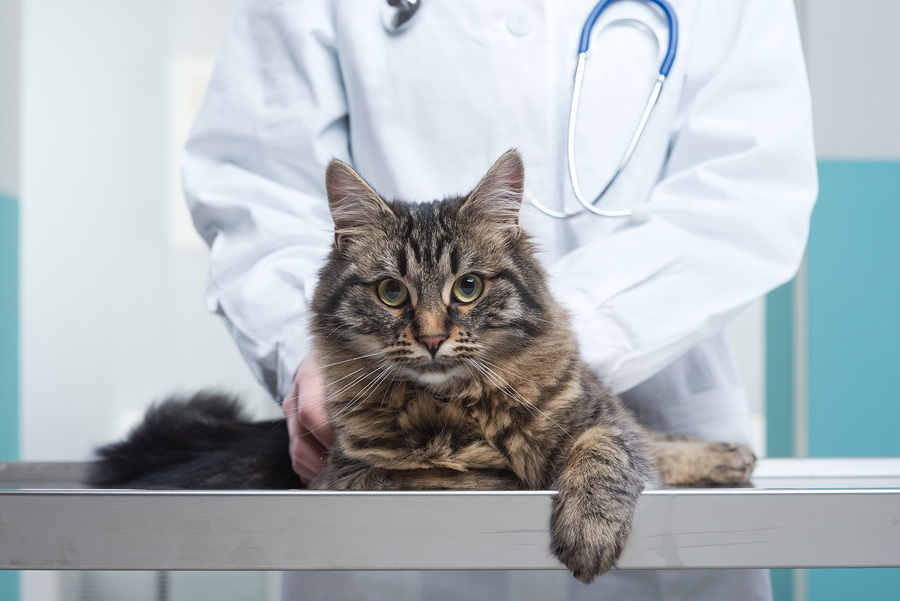
It is a frustrating condition with many names: Feline Lower Urinary Tract Disease, Feline Urologic Syndrome, Feline Interstitial Cystitis, even the rather whimsical Pandora Syndrome. Anyone who has treated it knows the stress and anxiety it can induce in those treating the disease, as well as in patients suffering from it, not to mention their anxious owners.

That same stress and anxiety also contribute to the disease process itself. As an ER vet, I know the plumbing aspect of the disease very well and can usually get them unblocked and on more stable footing in short order. What I don’t usually have to deal with are the softer aspects of the disease – softer, but no less important. That usually falls to general practice veterinarians, who have to take the reins from ER vets like me and manage their patients long-term.

In the spirit of adhering to the Veterinarian’s Oath and reducing animal pain and suffering, I’d like to offer up some points to consider when either treating a cat with a urinary obstruction or managing a non-obstructed cat with signs of lower urinary tract disease.

  1. Are you incorporating appropriate analgesia and sedation in your treatment protocol?

This is a painful condition. Pain causes stress, which can exacerbate the disease – and make future trips to the vet even more stressful. Making sure you have incorporated appropriate analgesia when unblocking a cat, and when managing a catheterized cat in the hospital, is a vital part of treatment – and one that is often overlooked. Proper (and safely chosen) sedation, and incorporation of a sacrococcygeal block while unblocking, good pain control with buprenorphine or a full-mu opioid agonist, and home analgesia for three to five days after discharge will help to minimize the pain and anxiety of an episode of urethral obstruction. Owners will appreciate advanced pain control protocols and knowing that you are taking their pet’s emotional wellbeing into consideration. It also makes cats easier to handle in the hospital and more likely to come back for future visits – everybody wins!

Suggested Protocols

Sacrococcygeal block:

  • Use 0.1 mL/kg of either lidocaine or bupivacaine
  • Unless the cat is very sick and moribund, this is typically done under heavy sedation or anesthesia
  • Move the tail up and down in a “pumping” motion, palpating the sacrococcygeal region.
  • The first movable space at the caudal end of the sacrum is either the sacrococcygeal or intercoccygeal space. Either site is okay and there’s no need to differentiate which site you are in.
  • Insert a 25-ga needle through the skin on midline at a ~45° angle.
  • If bone is encountered, withdraw the needle a few mm, redirect slightly at a steeper or flatter angle and reinsert. This is known as “walking” off the bone.
  • Repeat this process until the needle is in intervertebral space. A “pop” may be felt and there should be no resistance to injection.

Buprenorphine – while in hospital:

  • 24 mg/kg Simbadol® SC q 24 hr up to 3 d
  • 01–0.02 mg/kg IM, IV, SC q 4–8 hr

Buprenorphine – sublingual/outpatient: 0.01–0.02 mg/kg transmucosal q 4–12 hr

Fentanyl CRI – 1-5 ug/kg/hr IV

Note: Since many cats who are blocked may also have some degree of acute kidney injury, NSAIDs should be used cautiously or not at all in acute obstructions. They may be helpful in cats with normal renal function for non-obstructive episodes.

  1. Are you reducing stress in the household? In your hospital?

Imagine you are a hospitalized blocked cat: fluorescent lights, a painful catheter, Elizabethan collar, barking dogs – sounds awful, right?

Do everything you can to reduce the stress of hospitalized cats. Put yourself in the patient’s position and imagine what their existence in your hospital is like. If you don’t have a “cat room,” try and keep cats in the quietest part of the hospital, out of sight and sound of dogs. Allow time for rest and a break from medical procedures and provide a box or other structure in the kennel where the cat can hide.

Both at home and in the hospital, use of feline facial pheromones (Feliway®) may help alleviate stress and anxiety. Consider installing one in your ICU and changing it regularly. A few sprays of Feliway® on your patient’s bedding may also help. The Feliway® diffuser can be particularly helpful at home.

Make sure cats at home have distractions and safe spaces to hide from dogs, children, and other cats. During stressful times (moving, boarding, redecorating, addition of new pets or children to the home) consider advising clients to spend extra time with their cats or discuss safe sedation  and anti-anxiety protocols and environmental enrichment to reduce fear, anxiety, and stress.

Stress can bring on this condition, and the things we have to do to treat it are often stressful and uncomfortable, creating a continuous positive feedback loop. Owners are stressed, vets are stressed, and (most of all) patients are stressed. Do everything you can to reduce the anxiety and discomfort of feline urologic conditions and you will not only be keeping up your part of the Veterinarian’s Oath, you’ll be practicing better medicine as well.

This article was reviewed/edited by board-certified veterinary behaviorist Dr. Kenneth Martin and/or veterinary technician specialist in behavior Debbie Martin, LVT.
Dr. Tony Johnson, DVM, DACVECC, is a 1996 Washington State University grad and obtained board certification in emergency medicine and critical care in 2003. He is currently Minister of Happiness for VIN, the Veterinary Information Network, an online community of 75,000 worldwide veterinarians, and is a former clinical assistant professor at Purdue University School of Veterinary Medicine in Indiana. He has lectured for several international veterinary conferences (winning the small animal speaker of the year award for the Western Veterinary Conference in 2010) and is an active blogger and writer.


Katie Costello

Imagine that you are in a remote part of a foreign country and become so ill that you need to go to the hospital. People are coming at you and doing things you don’t understand. All of your senses are off: the way things smell, look, taste. Worse, you can’t understand anything said to you.

Yes, I am asking you to put yourself in the paw prints of shelter cats.

A Cat’s Senses

We all recognize that shelters are unnatural environments for animals, but understanding how cats perceive their environment can provide clues as to how to help them deal with their stress.

Kelly Bollen, MS, CABC, owner of Animal Alliances, LLC, describes in detail what cats perceive. For instance, think of how loud shelters are. Cats can hear up to 80 kilohertz; that is within ultrasonic range! By comparison, humans hear up to 20 kilohertz.

Cats have excellent vision and are sensitive to motion. They have 67 million scent receptors. Their vomeronasal organ pulls in pheromones signaling the emotions of cats around them. The pads of their feet are sensitive to touch and vibration. That means that in multiple ways cats are sensing all the other fearful and stressed cats in the shelter as well as other environmental stressors such as barking dogs, people walking up and down the halls, and radios blaring.

What Can We Do?

It should be our daily goal to decrease the fear that animals feel in our shelters. Drs. Kate Hurley and Julie Levy at the Million Cat Challenge, a joint project of the UC Davis and University of Florida shelter medicine programs, say that making sure each cat has the right amount of space is the most important thing a shelter can do to prevent stress and stress related diseases such as upper respiratory infections (URI): “Our research showed not meeting this space requirement was one of the biggest risk factors for respiratory disease in shelter cats.” That space requirement is:

  • Individually-housed cats each require a minimum of at least 8.5 square feet of clear floor (not vertical) space.
  • Cats in group housing need at least 18 square feet per cat, plus places to hide. And again: vertical space doesn’t count!

Laura K. Frazier, BA, RVT, and owner of www.advocatsconsulting.com as well as previous owner of Meow Town in Martinez, Georgia, shares some additional recommendations:

  • Vertical space (even if cats are in their own space/kennel).
  • Boxes for hiding, with the open part facing the rear of the cage.
  • Moveable curtains or panels for privacy.
  • Spray the space/kennel with Feliway before cats arrive or use a plug-in. If using spray, wait 15 to 20 minutes to allow the smell of alcohol to dissipate.
  • Provide opportunities for scratching by attaching mats to walls or placing climbing posts in kennels.
  • Offer social play with wand toys, especially if cats can’t be touched.
  • Play yoga music or buy one of the CDs with music composed for cats such as “Through A Cat’s Ear.”
  • Speak softly and move slowly. Try to eliminate noises such as banging doors, loud music, or radios on cages.
  • Hide treats throughout cages so cats can hunt.
  • Offer catnip.
  • Allow cats opportunities to walk around and explore outside their cages.
  • Allow cats to come out of carriers on their own instead of pulling them out. Place the open carrier in the cage so they can come out when they want.

From my own experience, I’ve found that hanging dried lavender from the cage can be calming. Keep cats in a room separate from dogs so they don’t have to see or hear them. Consider giving them Cat TV—videos of fish or birds flying. Better yet, place cages so they face a window. Offer a variety of toys, especially problem-solving toys that deliver treats.

You will find that just a few simple changes can improve a cat’s physical environment and mental health. The result is a happier, healthier, more adoptable cat.

This article was reviewed/edited by board-certified veterinary behaviorist Dr. Kenneth Martin and/or veterinary technician specialist in behavior Debbie Martin, LVT.
Linda Lombardi

Low-stress handling techniques are better for all pets, but they’re particularly important for exotics.

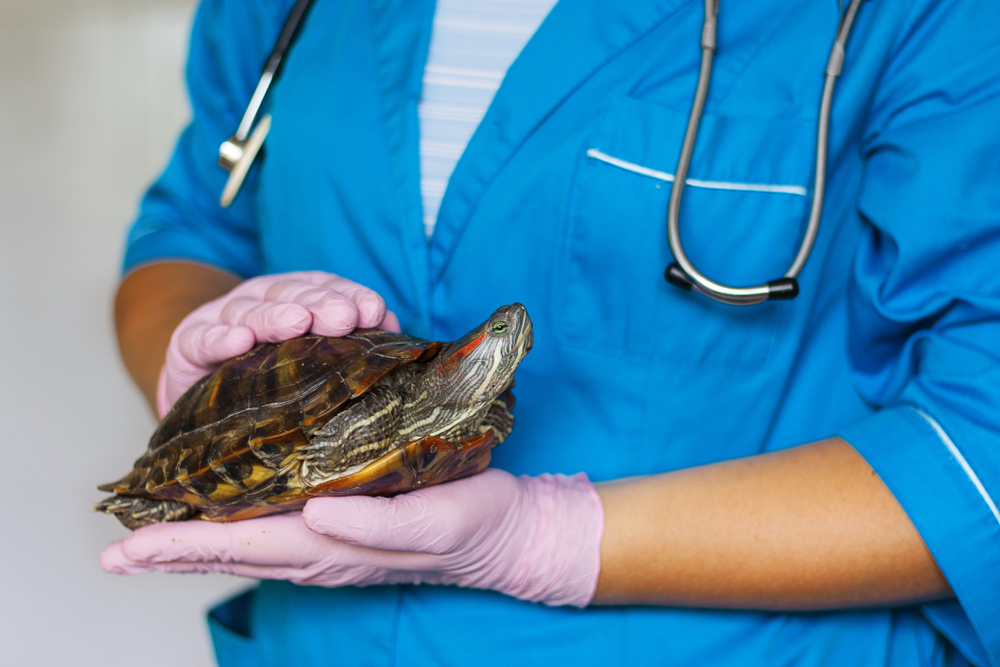
“With exotics, you really want to minimize distress, because a lot of them when they’re sick are really prone to cardiovascular failure,” says Jörg Mayer, DVM, DABVP, associate professor of zoological medicine at the University of Georgia.

Exotics are more stressed by handling than domestic animals, and diagnostic imaging can present particular challenges since you need the animal to keep still. Anesthesia will do it, of course, but can present its own problems. Dr. Mayer uses a number of techniques that can eliminate the need for anesthesia in some cases while keeping animals calm and still.

Dark Means Calm

One simple trick is to take advantage of diurnal animals’ natural response to light and darkness, a technique Mayer often uses with birds.

“In the wild, you don’t see a goose flying at night,” he says, “To them, the moment the lights go off, that means ‘We should be resting.’”

Darkness, then, will calm waterfowl. The same is true for parrots.

“A lot of psittacines need a high intensity of light in order to see, so if you can just dim the room, they simmer right down,” he says. It doesn’t need to be pitch black, so you can get the benefit of this effect while still being able to see well enough to do the job.

With birds Mayer says often the image does not need to be perfect or detailed; for example, a scan to see if they’re eggbound or have swallowed something toxic such as a lead sinker. In this case, waterfowl may be laid on their backs in a darkened room and will hold still for long enough without distress. “It’s a very quick scan, so you don’t necessarily need the absolutely perfect position for them,” he says.

Parrots, on the other hand, would be extremely stressed by that position, but can often be scanned on a perch in a darkened room or, if they’re too sick to perch, in a box.

Benzodiazepines Have Multiple Benefits

For cases requiring more detailed imaging, Mayer says heavy sedation is often all that’s needed. Benzodiazepines have several beneficial effects. For an intelligent bird such as a parrot, it’s significant that these drugs suppress both anxiety and memory.

“With very smart birds like most of these psittacines, you do a couple of procedures and quickly they learn that the guy in the white coat is really bad news, because every time he comes he does something horrible to you,” he says. “So this is where these benzodiazepines, because they’re amnesic and anxiolytic, help significantly because there’s no learning effect, so this makes future exams less stressful.”

Small mammals such as rabbits may be too weak to move much when ill, but that doesn’t mean you should try to image them with no medication. “We don’t really want to handle them without any sedation, because that gets the blood pressure up and gets the heart rate up and that’s exactly what you don’t want,” Mayer says. “With a very sick or compromised patient, that can be enough to push them over the edge.”

Benzodiazepines are safe to use in the face of the possibility of cardiovascular complications. “The nice thing is that these have no real cardiovascular depressant effect, so we can use them in the most critically ill patients.”

Use Containers

Mayer has several strategies for containing different animals for imaging. Rabbits frequently need the head imaged to look for dental disease. He’ll contain the lightly sedated animal in a clear acrylic box surrounded and propped up by towels, which help them feel secure and calm.

“They like to feel like they can lean against something,” he says. “And in the clear acrylic box, it’s safe for the animal–even if they would want to walk off the table they can’t–and we can see the animal, so in case they are struggling we can intervene.”

Containers are also the best approach for aquatic animals, since imaging works through water. “Keeping the animal in the natural environment, like an amphibian or fish in water, is the least stressful, so you can do it and the animal doesn’t even know that something happened.”

Imaging a fish might not be an everyday event, but Mayer says he has done quite a few procedures on valuable fish like koi, such as radiographs to check the swim bladder or look for spine fractures.

“You can leave them in a container and shoot the x-rays through the water, or keep them in a plastic bag. That works really well and that means absolutely no restraint,” he says. “You just have to have a little bit of patience and use a smaller container so they don’t swim constantly left and right. Once they get used to it, you can just take a little time and take the radiograph once the fish is in the right position.”

Reptile Dos and Don’ts

With iguanas and other lizards, Mayer often takes advantage of a simple trick of physiology. “What you can do is put pressure on the eyeball, and that induces the vasovagal response,” he says. The heart rate and blood pressure come down and this calms them. “You don’t need to use drugs and they’re not stressing out because everything in their system is telling them to just relax.”

What you should not use, he says, is artificial cooling. “People say, ‘Just put them in the refrigerator and chill them down and they don’t move,” he says. “We don’t advocate this as an appropriate way to deal with these animals.”

It’s a misconception that that would be similar to what a reptile or amphibian would experience in nature. “Hibernation is a more complicated process,” he says. “The animal prepares for that–they stop eating, they empty the GI tract, it’s a gradual thing–they don’t suddenly find themselves in a refrigerator.”

Animals Hide Weakness

For any procedure, Mayer says, remember that all of these animals do feel pain and stress even if it’s not apparent. Not only are we less skilled at reading their signs, they are expert at concealing distress.

“That is hard-wired in them, so with exotics we have to be extra cautious,” he says. “The little dog has no problem limping into the vet clinic and showing that it’s lame, but the rabbit or bird know that if they do that, they’re going to be someone’s dinner.”

Mayer says that in a study testing effectiveness of a pain drug in iguanas, researchers found that behavior was different depending on whether someone was watching. “They noticed that when the iguana knows it’s being watched, it shows significantly less signs of pain, compared to when they used a camera to observe them,” he says. “That’s the prey animal’s instinct, to suppress any signs of weakness.”

This article was reviewed/edited by board-certified veterinary behaviorist Dr. Kenneth Martin and/or veterinary technician specialist in behavior Debbie Martin, LVT.
Susan M. Ewing

Both dogs and cats rely heavily on scent to interpret their surroundings while humans rely more on sight. Blindfold a human just before a visit to a doctor or emergency room, and the stress level would be higher than if the person could see, but most people would at least be able to hear and understand what was happening in the way of treatment. We can’t explain to our pets what is happening, or why they are in a hospital. Take away their sense of smell and you’ve taken away their ability to interpret their world, adding more stress to an already stressful situation. By understanding the effects of scents, you can help them stay calm.

Ban Bleach

No one intentionally stops a dog or cat from smelling, but disinfectants can do just that. Bleach and other disinfectants with a harsh odor can make a pet “nose blind,” creating stress when they try, and fail, to learn about their environment. In one study, “Minimising Stress for Patients in the Veterinary Hospital: Why It Is Important and What Can be Done About It” (published online in Veterinary Sciences, April 13, 2017), lead author Janice K.F. Lloyd cites Karen L. Overall, VMD, in the Manual of Behavioral Medicine for Dogs and Cats: “A solution of bleach, even as low as 1 percent, can destroy olfactory neurones, resulting in a loss of information and heightening anxiety.”

While disinfecting is essential, using one that doesn’t have a harsh odor may help to lessen the negative effect on a pet’s nose. At Applebrook Animal Hospital in Ooltewah, Tennessee, Kathryn Primm, DVM, uses Rescue disinfectant, a hydrogen peroxide product with little odor, which also dries quickly.

Scents From Other Animals

When pets are able to smell, identifying stress in other animals can increase their own level of stress. Secondarily, humans may also experience some stress when smelling clinic odors. Most pets are quick to respond to their owners’ emotions, and if that emotion is stress, it’s going to affect the pet.

“When we have bad odors suddenly, like anal glands,” says Dr. Primm, “it is critical that they be cleaned and deodorized completely, or they will cause fear in all the pets that perceive them.” For those kinds of odors, Primm uses K.O.E. (Kennel Odor Eliminator) by Thornell, a product that quickly eliminates odors and comes in a concentrate, a spray, and individual wipes.

Sometimes, when possible, opening a window can help. Many pets will become distracted from their environment as they process scents from outdoors. Synthetic pheromones may also help to calm a dog or cat. Plug-in pheromone diffusers may reduce stress in a waiting room, and doctors or technicians can spray their clothes with the pheromones. Use diffusers or sprays with caution around birds and fish.

Many people appreciate the calming effects of lavender and chamomile, and both of these scents seem to calm pets, too. Be careful how you use them, though. Certain diffused essential oils can cause some respiratory distress in cats so use them with caution, and alert clients to the risks of active diffusers in the home to pets.

With so many pets depending on their noses for information, it makes sense to pay attention to scents.

This article was reviewed/edited by board-certified veterinary behaviorist Dr. Kenneth Martin and/or veterinary technician specialist in behavior Debbie Martin, LVT.
By Linda Lombardi
When you’re dealing with wildlife, a Fear Free approach means a delicate balance that’s different than when you’re treating domestic animals.

“While you want it to be low stress, they need to maintain some level of intolerance towards humans,” says Kristian Krause, DVM, a Fear Free certified veterinarian at Serrano Animal and Bird Hospital in Lake Forest, California, where they treat wildlife for Orange County Bird of Prey Center.

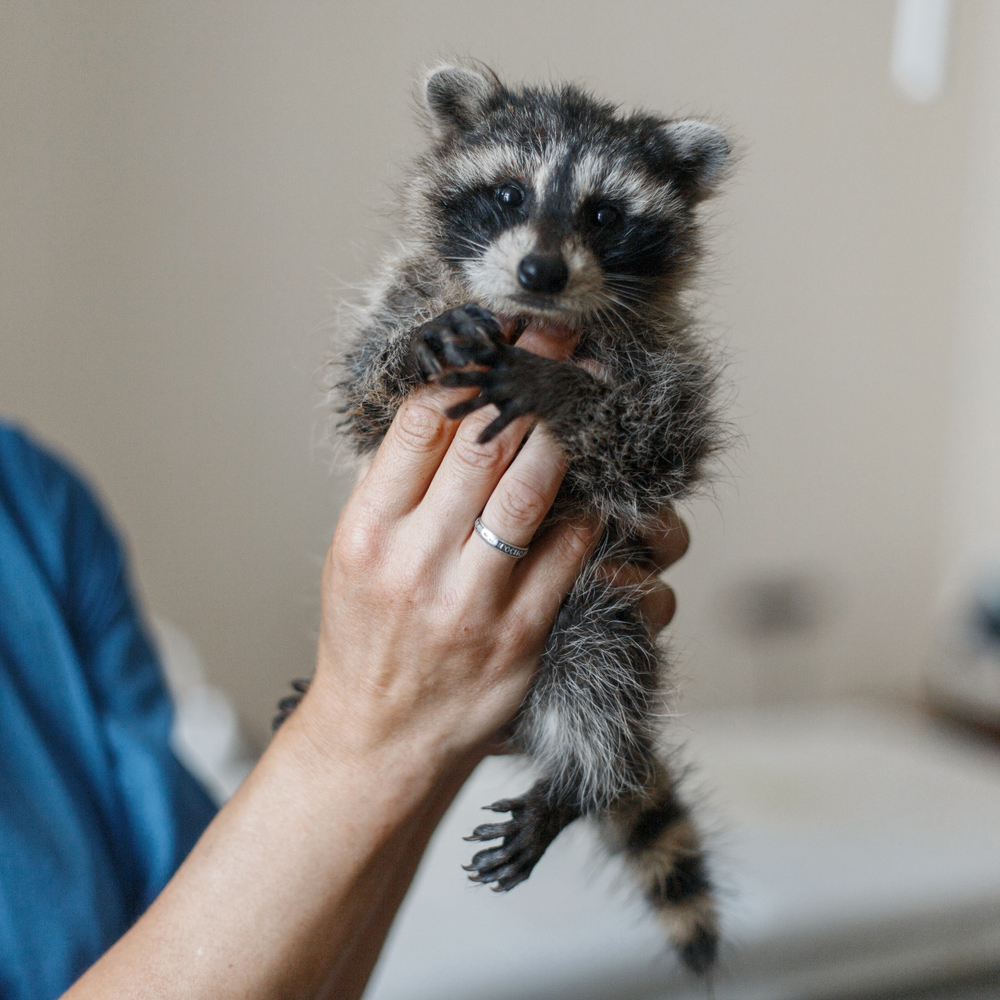
Wild animals are stressed by the presence of people in a way that domestic animals aren’t, but if they get too acclimated, that’s going to be a problem once they’re released. “Especially when we’re dealing with something like a raccoon or a bobcat, we don’t want them to think ‘Oh, people are cool, so I can come hang out in a residential area,’” she says.

Keep Them Quiet and Separate

Minimize exposure to humans as much as possible, starting by keeping them in a quiet, isolated environment. Then, Dr. Krause says, maintain a coordinated schedule of husbandry and medical treatment: “Everything happens at once: they’re fed, treated, the cage cleaned, all at once, so you’re not handling them multiple times.”

Make treatment choices with stress control in mind. “Sometimes you have to treat the animal and not the disease,” she says. “It’s more stressful for them to get treatment than to just sit in a quiet cage, so you have to gauge which is the worse of two evils, letting them sit and letting their body heal, or getting them out of the cage twice a day to give them an oral medication or an injection of an anti-inflammatory.”

For some animals, some medications can be administered in a low-stress manner by hiding them in food. Raccoons are such chowhounds that they’re easy to medicate. “If you can put something in a grape, they’re happy,” she says. Carnivores can also be easy. “Chicks and mice are your friends,” she says. “Give them this mouse first so you know they have their medication, then you can give them the next one.”

Handling Tips

When you do need to handle animals, plan for it. “It changes with the animal and the species,” Krause says. “You have to know what you’re doing before you even think about opening that door.”

For instance, handling birds can be a challenge for new staff. “It takes a while to understand how to quickly and efficiently get a bird out of a cage,” she says. Knowing what the plan is and being quick is critical. “You have to go in, grab, and be done so that bird’s not jumping all over the place and you do more harm than good.”

It’s also important to know your species. Take Cooper’s hawks, Krause says. “You barely open the door and they start bouncing off the walls, like a kid who’s had too much candy at Halloween.”

And like domestic animals, wild animals differ in temperament, so Krause likes to have the same people consistently handling the same individuals, so they know how that particular animal tends to react.

Familiarity with species’ needs is also important for treatment and husbandry. Improper temperatures are a major source of stress for reptiles.

“The knee-jerk reaction is, ‘It’s a reptile; they all need to be warm,’ but that’s not necessarily true,” she says. “Putting a chameleon in an 85-degree tank is going to stress them.”

Pain Relief and Sedation

It’s also common for people to not consider that reptiles feel pain, since they might not express it in ways that we recognize. While they often don’t need to be sedated for basic handling or simple procedures, she says, “If they have a fishhook or an abscess, you do need to sedate them or use a local anesthesia; you need to remember that it’s painful so no different than working on a cat or dog.”

Sedation has its own risks, so that’s another delicate balance to maintain. While many procedures that could be done awake on a domestic animal will require anesthesia for wildlife, there are ways to minimize its use. Simply covering eyes and plugging ears with cotton to minimize sight and sound will calm many animals enough for an exam and assessment without the risk of anesthesia and eliminates the stress of being with humans longer while recovering from it.

Krause uses this technique with deer, rabbits, and even coyotes, and says it’s possible to administer some basic treatments this way, such as fluids and antibiotics. This is possible partly because in these animals the reaction is to shut down, which isn’t entirely a low-stress situation, but for a wild animal it can be better than the alternative, she says.

“Now I don’t have to keep you in the hospital for another day because I had to anesthetize you, so I can get you back out where you belong faster, which to me is less stressful.”

This article was reviewed/edited by board-certified veterinary behaviorist Dr. Kenneth Martin and/or veterinary technician specialist in behavior Debbie Martin, LVT.

|
By Linda Lombardi
Introducing Fear Free techniques to colleagues who aren’t familiar with them or who may be resistant to change can be daunting, but Fear Free principles apply to people as well as pets. Here’s how they can help.

Tabitha Kucera, a veterinary technician, has learned a lot from her experiences teaching Fear Free to other veterinary professionals, and maybe the biggest lesson is the importance of using the same principles on people as you do on animals.

“Positive reinforcement encourages initiative and creativity, it forgives mistakes, it creates enthusiastic learners and accelerates learning,” she says. “It’s the same for people.”

Build a Constructive Culture

The benefits should seem obvious once you’ve worked with animals that way. But applying these methods doesn’t always come naturally, she says. She recalls a class she attended at the Karen Pryor Academy. Most of the students were trainers, along with Kucera and two other vet techs. At one point, each person did an exercise in front of the class and then fellow students were asked to talk about what they thought had been done well.

“For the techs it was harder than for the dog trainers, and that was an epiphany for us,” she said. “We talked about it later—it’s that we’re not used to getting constructive feedback.”

Not only was it more difficult to give positive comments, it was also frustrating at first to get them.

“We were like, why don’t you tell me what I did wrong? Just tell me what I did wrong so I can fix it.”

But if you’ve studied behavior, you know all the reasons why “Just tell them when they’re wrong” is a bad way to train. One is that just saying “no” to the wrong behavior doesn’t tell the learner what the right behavior is. If you want staff to use less stressful techniques, saying “Don’t do this,” while well-meaning, doesn’t communicate the desired alternative.

“If you’re used to scruffing, I can’t just tell you not to scruff, which is what I see a lot of,” she says. “I hear a lot of ‘less is more,’ but what does that mean? You need to define the behavior you want.”

Say No to No

Maybe even more important is the effect of all those “nos” on the recipient.

“With positive reinforcement, the biggest difference is we focus on the good,” she says. “The way some other training techniques work—and the way people often work with each other—is we focus on the negative: I’m going to tell you what you did wrong and completely ignore all the good stuff you did. That creates an environment where people are afraid to make mistakes and afraid to ask questions.”

Being told that you’re wrong is essentially a form of punishment, and learners who are afraid to make mistakes because of repeated punishment soon shut down and are afraid to try anything. That makes it impossible to learn something new. And imagine the frustration of doing the same thing for years and then being told it’s wrong. We wouldn’t do that to an animal, but we often don’t realize we’re doing exactly that to our fellow humans.

“You can’t punish them when this is how they were taught,” she says. “I say, ‘You’re not wrong in what you’re doing, but fortunately medicine progresses, and we’ve learned a lot of great new ways to handle animals that make it easier for us and for them.’”

Be careful, too, of how interactions can convey the message “You’re wrong” without saying exactly that out loud. “You can’t run over and say, ‘Let me take over,’ because then you just insulted that person,” she says. “When I see things that are concerning, I’d just say, ‘Hey, you guys need some help?’”

Show, Don’t Tell

Simply using the techniques and letting people see what happens can be the best way to start. “First thing first, wherever I am, I use these skills, and people notice,” Kucera says. “Soon they’re coming to me and asking if they can learn this.”

It’s important to remember that trying something new can be anxiety-provoking, especially if you’re invested in and comfortable with techniques you’ve been using for years. Make it clear that it’s okay to try and fail. “I also don’t say ‘It’s do this or die,’” she says. “Try it one time, and if it doesn’t work, we’ll do it the way that you’re comfortable.”

Another thing that we know for our animals but often forget for our fellow humans is that different reinforcers work for different individuals. When she’s trying to persuade people of the benefits of Fear Free, Kucera says, everyone cares about decreasing fear and stress in the animals, but other motivators can differ by role. For a practice owner, she’ll talk about the business advantages, while for a tech who restrains animals, she’ll say, “You’re in your 30s; you need to go home and not be in pain every day.”

Set Realistic Goals

When Kucera talks to people who are excited by her presentations, she often has to talk them down a bit. “I say, ‘I love your enthusiasm, but I don’t want you to go back to your shelter or hospital and say we have to do all this right now,’” she says. “Because I did that in the past, and it shuts people down.”

Remember that new skills need practice. “I set realistic expectations for people: I don’t expect you to do this perfectly tomorrow,” she says. And start slow, just like you would with a pet. “Pick one or two things for your practice or shelter and start there, because from there it’s going to spread like wildfire but not if you don’t set your staff up for success.”

This article was reviewed/edited by board-certified veterinary behaviorist Dr. Kenneth Martin and/or veterinary technician specialist in behavior Debbie Martin, LVT.

By Amy Shojai, CABC, Fear Free Certified® Professional
Pet owners may object to having their animals “taken to the back.” Here’s what to consider when deciding whether it’s necessary.

Jill Breitner, a former vet tech and Fear Free certified professional and dog trainer, frequently writes about pet issues. She has also trained vet techs on low-stress handling techniques. When her 8.5-pound dog Timber recently ate a guest’s dark chocolate candy bar, they hurried to the emergency clinic.

As vitals were taken, Breitner used Fear Free techniques to restrain Timber and even talked with the veterinarian about the program. “I asked to be in the room for the injection to induce vomiting,” Breitner says. The vet pushed to take Timber “to the back” for immediate treatment instead, arguing that Breitner might have to wait an hour for treatment if she insisted on being present. “That made no sense to me,” Breitner says.

After she pressed for an explanation, the upset vet walked out. Anxious to get Timber the care she needed, Breitner threatened to write about her bad experience. “Within three minutes, the veterinarian and a tech were back in the exam room with the drug injection to induce vomiting,” Breitner says. Within two minutes, Timber brought up the chocolate, wrapper and all.

Why Pet Parents Object

There may be good reasons for treating patients “in the back” but many pet parents object and have valid concerns. For Fear Free practices, it is incumbent to acknowledge these concerns, provide explanations, and perhaps take a closer look at ways to reduce fear, anxiety, and stress in both pets and pet parents.

Pets are calmer. Many veterinarians believe pets act calmer without the owner present. In some instances, this is true. Yowling cats fall silent, and struggling pups go limp. Others argue, however, that certain pets seem calm only because they’ve shut down out of fear. Motionless doesn’t equal fear free.

At the same time, very protective or sensitive dogs may become more upset by their owner’s emotional state. Veterinarians must be able to evaluate each individual situation.

Restraint issues. It’s true that not all pet parents know how to safely and effectively restrain pets in a stress-free manner. There may also be liability issues if someone is bitten.

Breitner says, “It would be appropriate in an emergency, life or death situation needing immediate attention. Still parents can ask that the dog be sedated in their arms, before they bring them to the back, even at this time of emergency. Pets feel safer and less fearful with their parents.”

When concerned about proper restraint, pet parents can still be present perhaps by holding a lickable treat while the staff restrains and performs the treatment. Teach clients how to distract, gently restrain, and restrain animals for less stressful future visits for all involved.

Staff discomfort. Having the pet parent present may raise the practitioner’s FAS level. It may take longer to perform a blood draw, for example, when the owner inadvertently interferes. Maybe the vet worries about getting the perfect needle stick with a non-professional audience. As a former vet tech, I’ve assisted in many surgical procedures, but it’s different when the patient is your own animal. Very few clients have the temperament to witness surgery on their own pets, but may still be eager to be with them up until sedation takes effect.

Equipment access. The standard clinic design can make the back a much more convenient location for treatment. Staff has ready access to proper lighting, sinks, supplies, emergency equipment, and more.

Exam rooms that are tiny and awkward to maneuver in can make large dogs feel trapped. Open spaces of “the back” reduce this stress. There may also be insurance concerns that prevent non-clinic personnel from entering certain areas. Radiographs, for instance, require protective gear and exposure data records.

Habit. The trend to take pets to the back appears to be a uniquely American veterinary habit. If you’ve always done it that way, it’s time to explore other options. In fact, some pets do much better with their owners present. Cats and dogs may be given vaccines while on a pet parent’s lap as a treat is offered, or even in the waiting room in certain instances.

How to Make it Work

Communication is key, as is mutual respect. Pet parents have become more educated and are learning to be better advocates, Breitner says. Nobody wants to resort to threats to make themselves heard, and it’s unfortunate when veterinarians feel put on the defensive. Find out what clients want and expect.

Ask if a cat or dog does better or worse with them present. Is the client phobic about seeing needles or blood, or so upset they’re not helping the situation? Does someone have special skills—a dog trainer, perhaps? Are they familiar with low-stress handling?

Breitner agrees that communication goes both ways. She suggests that pet parents plan for time to wait or offer to reschedule during a less busy time to make it easier to stay in the room with the animal.

When your professional opinion means taking the pet “to the back” offers better treatment options and less stress, explain why. Think about offering the option to come to the back with the animal.

“When vets listen better, they can communicate better,” Breitner says. “This relationship of trust between parent, pet, and vet goes a long way toward ensuring that their patients and clients feel safe while in the clinic.”

Every pet parent and animal is different. Being inflexible about your procedures may actually increase FAS in the animal and the owners—and you. It may also hurt your practice when clients choose to stay with their animals and walk away from your practice.

This article was reviewed/edited by board-certified veterinary behaviorist Dr. Kenneth Martin and/or veterinary technician specialist in behavior Debbie Martin, LVT.
By Deb M. Eldredge, DVMWe have all been there. The embarrassed client who pokes her head in the door and asks if we have a hose to clean her dog off. The carrier with the yowling cat and the fetid odor with an owner who is embarrassed and says her cat “might need a little cleaning and could the carrier be cleaned too?”

Plan Ahead

Even before you work on the stress aspects, think about how to physically minimize chances of stress diarrhea. Ideally these pets are scheduled early in the day for their office appointments. That way the owners can skip the pet’s morning meal – and maybe even the evening meal of the night before if need be. Less in means less out. Obviously doing this depends on the health of the pet and how the owner manages feedings but it might be a solution.
There may be dietary changes that help with a specific pet. Think plain canned pumpkin for fiber to help keep stools firm. Advise owners to avoid any special or extra treats for a day or two before the appointment.

Travel Trauma

A careful history can enlighten you about the cause. Is it the car travel? Some pets just don’t handle car rides well. Or is it only when the pet actually senses and anticipates a veterinary visit? Sometimes it is both factors. The important thing to realize is that Fear Free procedures must be instituted ahead of the veterinary visit to help these animals.

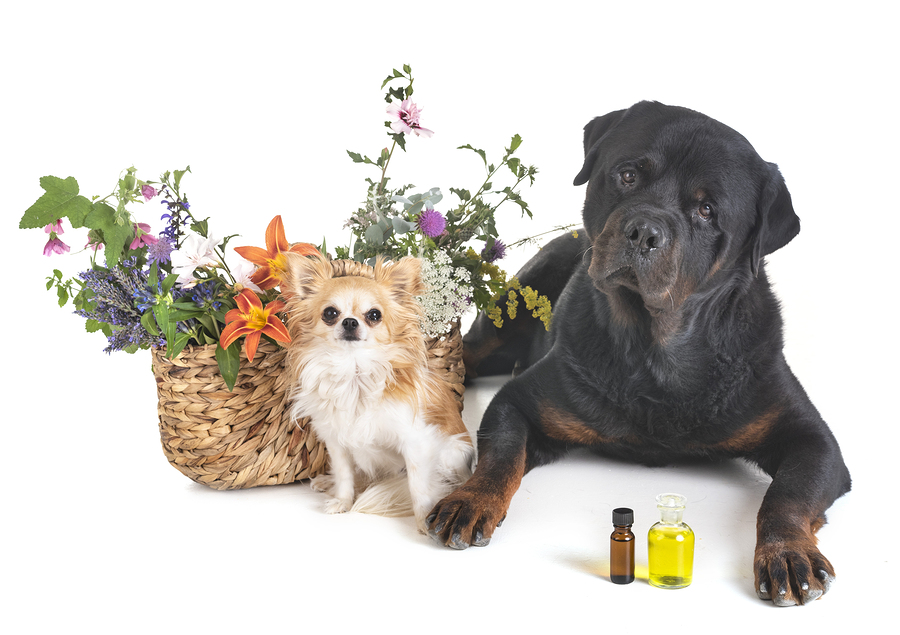
If it is the car travel, consider dispensing anti-nausea medications ahead of the visit (yes, vomiting often accompanies stress diarrhea). Look at calming combos that help with travel anxiety such as Travel Calm, an essential oil combo for dogs who get carsick. Send clients home with canine or feline pheromone products—wipes or sprays—that the owner can use in the carrier and car to and from the clinic. For patients who have a history of travel-related diarrhea, offer to prescribe PVPs—pre-visit pharmaceuticals—such as gabapentin or trazodone to help them relax.

Encourage families to give the nervous dog an extra-long walk and possibly some playtime early on the morning of the appointment to try and stimulate bowel emptying before the dog gets in the car or enters the clinic. Playtime at home for a cat might help as well.

Counterconditioning

Long term, especially if the diarrhea is specifically associated with arriving at the veterinary clinic, you can try some counterconditioning techniques to help put a stop to loose stools. Encourage owners to take their pet for short trips ending up in the parking lot of the veterinary clinic. Then dogs can get out and get some special treats or, even better, some playtime with a favorite toy such as a tug. Cats can get favorite treats. Then happily turn around and take them home. Pets will come to associate trips, even trips that end up at the dreaded vet clinic, with some good things.

As pets deal with a clinic utilizing Fear Free practices, the fear and panic they previously showed when traveling to or arriving at the clinic should subside. As fear and anxiety decrease, so should episodes of stress diarrhea. Everyone will be happier!

This article was reviewed/edited by board-certified veterinary behaviorist Dr. Kenneth Martin and/or veterinary technician specialist in behavior Debbie Martin, LVT.

By Linda LombardiDo you have clients asking about using nutraceuticals for their pets’ behavior issues? Here’s a primer on what they can—and can’t—do.

The term “nutraceutical” is a mashup of “nutrition” and “pharmaceutical.” Beyond that, because they’re unregulated, there’s no legal definition, and every journal article you read will likely start by spending several paragraphs grappling with this fact. For practical purposes, nutraceuticals are food-derived substances that are claimed to have an effect on health. For example, alpha-casozepine, derived from milk protein, affects neurotransmitters in a similar way to benzodiazepines and may help reduce anxiety.

Looking at a list of these products, their claimed effects, and how they’re sold, it can be a little difficult to see how they are different from drugs–after all, some drugs are derived from nature, too. Lisa Radosta, DVM, DACVB, of Florida Veterinary Behavior Service in West Palm Beach, says, “They are really in my mind not that much different from drugs, except they’re unregulated, but in the mind of the consumer they are different because they are ‘natural,’ and that is something that a lot of people are looking for.”

The desire for something “natural” can be based on misconceptions both about nature and about drugs. “Natural” doesn’t necessarily equal “safe”: the natural world is chock-full of poisonous substances. In some cases, clients may simply need some reassurance about the drug options.

“When clients are thinking of behavior meds, they’re thinking of sedatives that will ‘turn their animals into zombies’ and change their personalities,’ says Jill Orlando, DVM, DACVB, of Carolina Veterinary Behavior Clinic in Raleigh, North Carolina. “When they think of a supplement, they don’t think it’s going to affect their animals as strongly as what they perceive a behavioral drug does.” She also notes that people may unconsciously project the stigma of human mental illness–and the associated medications–onto their pets.

But there can be reasons to consider these products beyond client psychology, if only because there are so few approved medications for fear, anxiety, and stress in animals. The trick is to sift through the research to figure out the safe and effective choices.

Dr. Radosta prefers to use the term “supplement” to also include products derived from herbs– essentially all the products clients may find on the internet or at high-end pet stores and bring in to her with questions–and they all require the same careful consideration, first, for safety.

“A lot of these supplements haven’t been given to a group of dogs to see what they do to the liver, to the kidneys; nobody knows,” she says. “So that’s kind of scary. On the other hand, we shouldn’t throw the baby out with the bathwater. The research does show that some of them can offer benefits for fear, anxiety, and stress in animals. We don’t want to throw things away just because they aren’t a drug, but we also don’t want to assume they’re safe.”

Consider the source of a product. “What I tell my clients and veterinarians is, we try to use supplements from companies that we trust–as much as you can trust a company. We try to use supplements made by pharmaceutical companies. It’s not that I love pharmaceutical companies, but it’s that I can hold someone responsible.”

Whatever the source, read the research and evaluate the evidence yourself. Given the lack of regulation, you first need to know if a product has been properly tested for safety in dogs and cats. “For me, that’s key. Did someone give this to a bunch of animals? What is the LD50? Do we know? We shouldn’t be playing around with an animal’s life.”

Regarding evidence for effectiveness, methods of studies can vary widely. One thing to consider, says Orlando: “Is the research done on the actual product, or is it done on the functional ingredient in that products? That’s not to say that that information isn’t useful, but it doesn’t necessarily prove that product is effective.” Other factors include but are not limited to the following:

  • Species used in the study: was the research done on dogs and cats or only on rats and mice?
  • What condition was studied? If a study was narrowly focused on, say, separation anxiety, the substance may not work for other types of anxiety.
  • What was evaluated? Actual behavior or physical measurements such as stress hormones? Both types of studies have strengths and weaknesses.

If you’re still not sure, Dr. Radosta says, consult a veterinary behaviorist—that’s why they’re there!

Once you’ve decided on a product, Dr. Radosta says, make sure clients have reasonable expectations about efficacy. The common expectation that “natural” means “won’t affect the animal as strongly” is correct; it means it’s not going to have as strong a beneficial effect as a drug. Where you might get a 50 percent effect on a behavior from a drug, you can expect about half that from a supplement. “That in my practice is considered a positive outcome, and the day the client takes the supplement home I make that very clear,” she says. “If you say your dog is 25 percent changed, that’s a success.”

Because effectiveness is reduced, more than one supplement may be needed. One of Dr. Radosta’s clients whose dog has an extreme storm phobia now administers 11 capsules a day, a regimen that might add more stress for some owners and pets. These products also tend to be more expensive than their pharmaceutical counterparts, a cost that can add up quickly.

Finally, with either supplements or medications, the ideal solution relies on more than just pills; it should also involve behavioral modification. Realistically, though, this isn’t always going to be possible. Not everyone can afford a skilled trainer, and sometimes life is just too overwhelming to add another burden on clients’ time. “I meet a lot of people here in south Florida who are taking care of elderly parents and I do discuss that with them, but I have empathy,” Dr. Radosta says. “I say straight up: your life looks really stressful to me, how are you feeling, can you do this?”

But nearly everyone can handle some simple changes such as crating a fearful or aggressive dog in another room when company comes to avoid exposing a pet to triggers.

“Behavior modification can’t always happen,” Dr. Radosta says, so sometimes we do what we call medication and management: supplements or medication–something that changes neurochemistry–and managing the environment so the behavior can’t occur.”

This article was reviewed/edited by board-certified veterinary behaviorist Dr. Kenneth Martin and/or veterinary technician specialist in behavior Debbie Martin, LVT.