Blog Archives

Feline behavioral challenges can be complex, and addressing them effectively requires a combination of medical insight, behavior assessment, and practical intervention.

Join us along with Claudia Richter, DVM, DACVB, FFCP-V, for a one-hour webinar, where you’ll explore real-world approaches to managing feline behavior cases and supporting cats and their caregivers in everyday life.”

Helping cats at home can be challenging when fear and anxiety are involved. Pet sitters and mobile veterinary professionals provide vital care, but visits from unfamiliar people can make even routine treatments stressful.

Join Julie Liu, DVM, FFCP-V, for a one-hour RACE-approved webinar, and discover practical ways to make in-home feline care calmer and more effective. You’ll walk away with strategies to prepare before a visit, build trust with cats and their caregivers, and provide common treatments with minimal stress.

You’ll learn:

How to gather key information and create a pre-visit plan that sets every cat up for success

Positive handling techniques to make administering medications and treatments calmer

Tips for giving oral medications effectively while keeping stress low

“Providing Fear Free care in a busy practice doesn’t have to be overwhelming. It starts with simple, actionable steps that make a big difference for patients, clients, and your team.

Join Alison Gottlieb, BS, CVT, VTS (ECC), LSHC-S, Elite FFCP-V, for a one-hour webinar as she shares five easy ways to implement Fear Free strategies in your practice. These approaches not only enhance patient care but also help bring skeptics on board.”

Veterinary professionals regularly face stressful and emotionally charged situations, which can contribute to burnout, compassion fatigue, and reduced quality of care. This course introduces five practical “60-second stress resets” that can be performed anytime, anywhere, without equipment. Learners will explore the science behind micro-resets, practice each technique, and identify opportunities to apply them in real clinical situations.

This micro-course supports individual well-being, enhances team resilience, and helps maintain patient-centered care by teaching veterinary professionals how to pause, reset, and sustain focus throughout their shifts.

A Fear Free® Approach to Supporting Your Team, Your Patients, and Yourself 

A new year brings fresh opportunities to reset routines, strengthen your team culture, and make every patient visit a little calmer. Whether your goal is smoother appointments, a happier team, or simply fewer stressful moments in the day, small, consistent changes can make a big difference. Here are five simple, high-impact ways to reduce stress in your practice in 2026, grounded in Fear Free principles and real-world clinic workflows. 

1. Start Every Day with a Quick Team Reset 

Before the first appointment, take two minutes for a team check-in. 
This can be as simple as: 

  • Sharing the day’s patient list and identifying animals who may need extra support 
  • Making sure everyone knows their role for each appointment 
  • Calling out one positive thing from yesterday’s cases 

These micro-resets help everyone walk into the day aligned, calm, and ready to create low-stress experiences from the very beginning. 

2. Refresh Your Clinic’s Low-Stress Environment 

Environment sets the tone, for both pets and people. Choose one small upgrade this month, such as: 

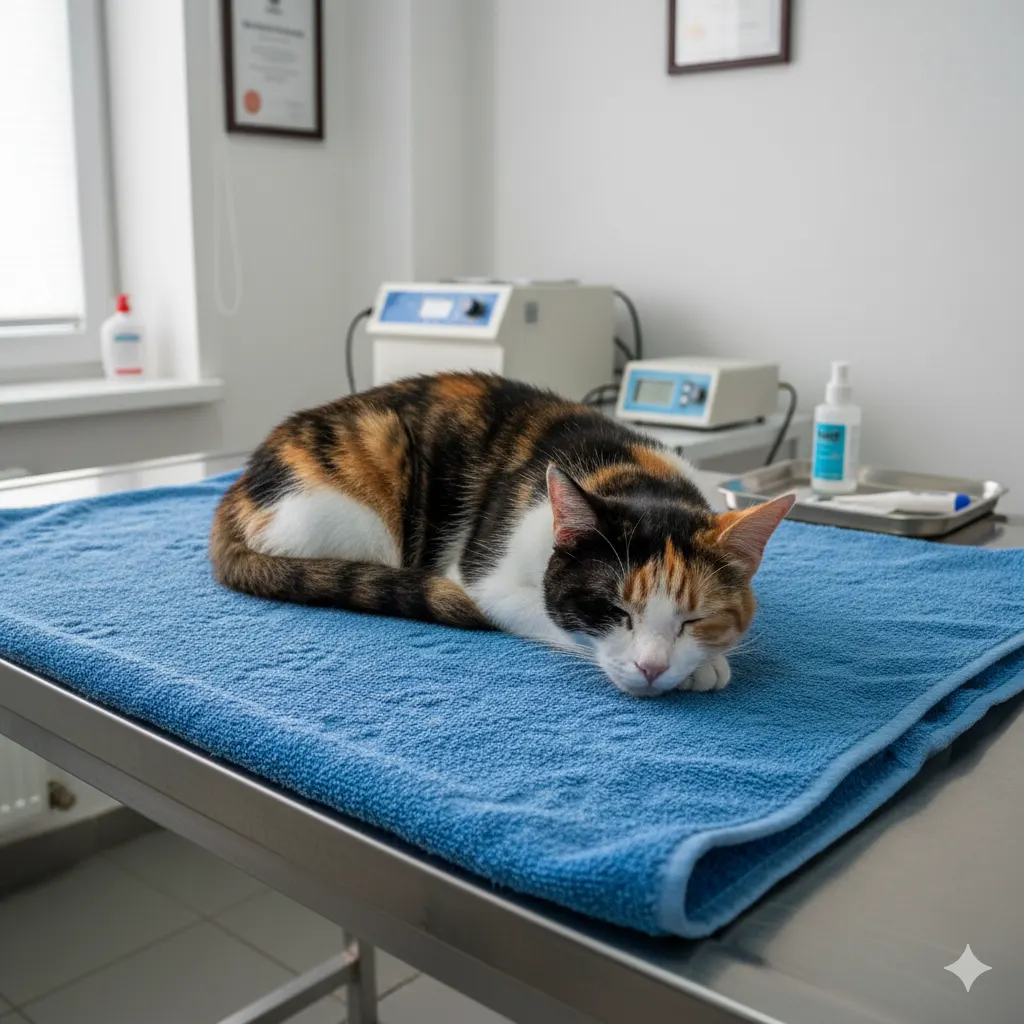
  • Adding soft mats or nonslip surfaces in exam rooms 
  • Refreshing pheromone diffusers 
  • Creating a dedicated “quiet space” for sensitive patients 
  • Reducing clutter or noise in high-traffic areas 

Tiny improvements, especially when done consistently, can significantly decrease Fear, Anxiety, and Stress (FAS) for patients and help the team feel more in control. 

3. Choose One Handling Habit to Improve This Month 

Handling habits shape clinical flow more than we realize. In January, have the whole team pick one Fear Free handling habit to practice daily, such as: 

  • Using treats proactively, not reactively 
  • Letting pets approach on their own terms 
  • Practicing “touch gradients” to prepare for exam steps 
  • Choosing considerate positioning over forceful restraint 

A single consistent habit can make exams smoother, shorten appointment times, and reduce the need for escalated restraint or sedation. 

4. Implement a Stress-Light Triage in Your Workflow 

Adding a quick “stress check” at intake helps the whole day run better. Train front-desk and tech teams to note: 

  • Visible signs of FAS 
  • Patient history of fear or aggression 
  • Possible triggers (e.g., scale, other animals, car rides) 
  • Opportunities for support (pre-visit pharmaceuticals, treats, longer appointment time) 

This tiny step allows you to prepare thoughtfully before the pet enters the exam room, improving safety, efficiency, and emotional wellbeing. 

5. Commit to One Team Wellness Ritual 

A calmer clinic starts with a supported team. Choose one simple ritual to carry through 2026: 

  • A weekly 60-Second Stress Reset together 
  • Mid-day hydration reminders 
  • A “no lunch interruption” policy 
  • A rotating positivity board (gratitude, wins from the week, shout-outs) 

When team members feel cared for, they’re more present, more patient, and more equipped to provide Fear Free care. 

Start the Year Stress-Free, Stay the Course 

Reducing stress in practice doesn’t have to be overwhelming. By focusing on small, intentional changes, your clinic can build momentum and create a calmer, more supportive environment for everyone—pets, clients, and team members alike. 

If your practice is looking for more hands-on tools, tips, or training to support a Fear Free start to 2026, explore our upcoming webinars, microlearning sessions, and monthly resources. 

Ready to take stress reduction even further?  Check out our Fear Free for Humans course and gain practical tools for managing workplace stress, building resilience, and supporting your own wellbeing. 

Helping animals with behavior challenges goes beyond addressing what’s obvious; it means understanding how their health and environment shape their actions.

Join us along with Claudia Richter, DVM, DACVB, FFCP-V, for a one-hour RACE-approved webinar, as she’ll guide you through evaluating behavioral cases, identifying potential medical contributors, and applying practical strategies that support both emotional and physical wellbeing.

You’ll learn:

  • How to recognize behavioral signs that may point to underlying medical issues
  • How to consider medical differential diagnoses for different behavioral signs
  • Diagnostic steps to take when a medical disorder is suspected
  • How to create treatment plans that address both behavioral and medical needs