Cooperative care is more than a set of techniques—it’s a philosophy of partnership that empowers veterinary teams, clients, and patients alike. This course equips veterinary professionals with practical strategies to reduce Fear, Anxiety, and Stress (FAS) during routine and advanced procedures. Through real-world examples and step-by-step guidance, learners will explore how to apply cooperative care methods such as desensitization, counter-conditioning, and low-stress handling in the clinical and home settings to improve animal and staff welfare during veterinary care. Emphasis is placed on recognizing and interpreting subtle behavioral cues, adjusting handling techniques to support patient comfort, offering choice to the animal, and engaging clients in strategies that reinforce care at home.
Preventive care is one of the most powerful ways we can support lifelong health in pets. From routine exams and diagnostics to dental care and parasite prevention, these proactive steps help us catch concerns early and improve outcomes.
But for many pets, “preventive care” does not feel preventive at all. It can feel stressful, unfamiliar, and even frightening.
What if we could change that?
At Fear Free, we believe prevention should not just protect physical health, it should also support emotional wellbeing. When done thoughtfully, preventive care can feel safe, positive, and even rewarding for pets, clients, and veterinary teams alike.
Start Before the Visit Even Begins
A Fear Free approach to prevention starts at home. Preparing pets before they ever enter the clinic can dramatically reduce fear, anxiety, and stress.
Encourage pet parents to:
Use positive reinforcement to build comfort with carriers, car rides, and handling
Practice gentle exam-like interactions, such as looking at ears, paws, and mouth
Consider pre-visit pharmaceuticals or calming aids when appropriate
Bring familiar items like blankets, toys, or treats to the appointment
When pets arrive already feeling more secure, the entire experience shifts
Create a Calm and Predictable Experience
Inside the clinic, small adjustments can make a big difference.
Preventive visits should prioritize:
Non-slip surfaces and comfortable positioning
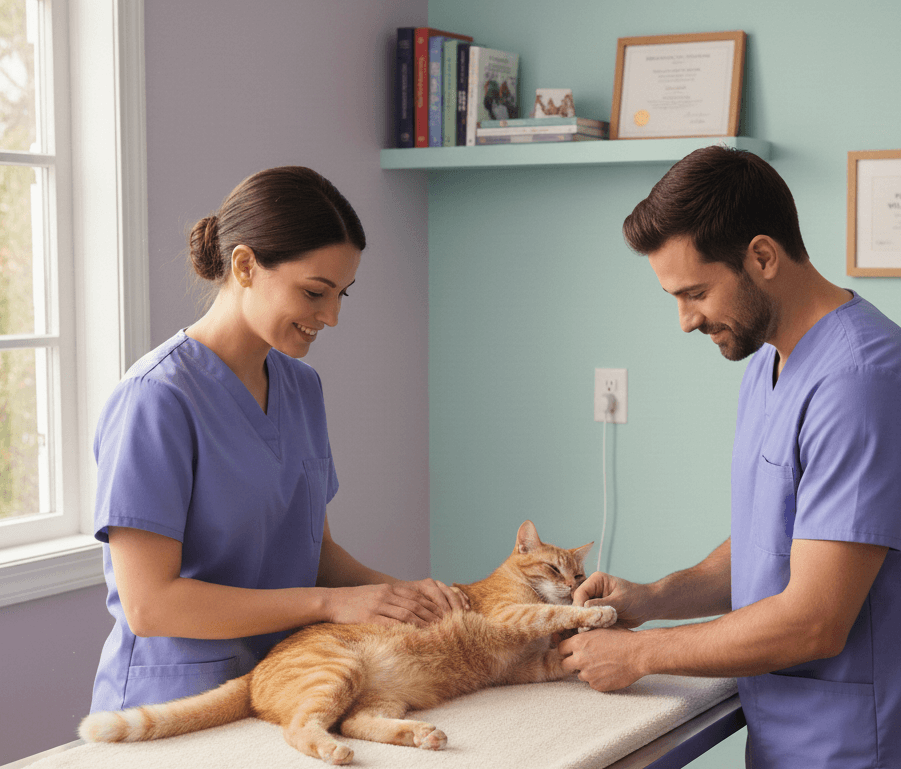
Minimal restraint and gentle handling techniques
Quiet spaces and reduced wait times whenever possible
Reading body language and allowing breaks when needed
When pets feel a sense of control and safety, they are far more likely to cooperate and recover quickly from the experience.
Pair Care with Positive Experiences
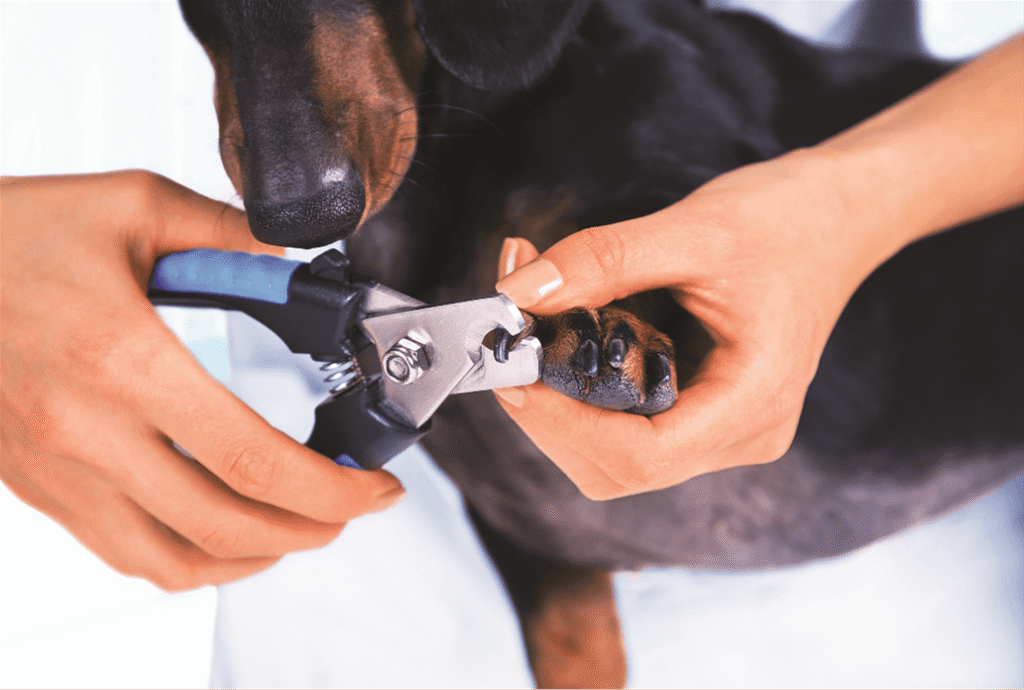
Preventive care often includes procedures that can be uncomfortable or unfamiliar, such as blood draws, nail trims, or imaging.
A Fear Free approach means:
Breaking procedures into smaller, manageable steps
Using cooperative care techniques to build participation
Adjusting timing or approach based on the pet’s emotional state
Prioritizing emotional safety alongside medical goals and determining “needs” vs. “wants” – what must happen today for the health and safety of the pet compared to what we would like to accomplish (a diagnostic radiograph vs. a nail trim)
Sometimes, slowing down actually leads to better outcomes, both medically and behaviorally.
Support the Human-Animal Bond
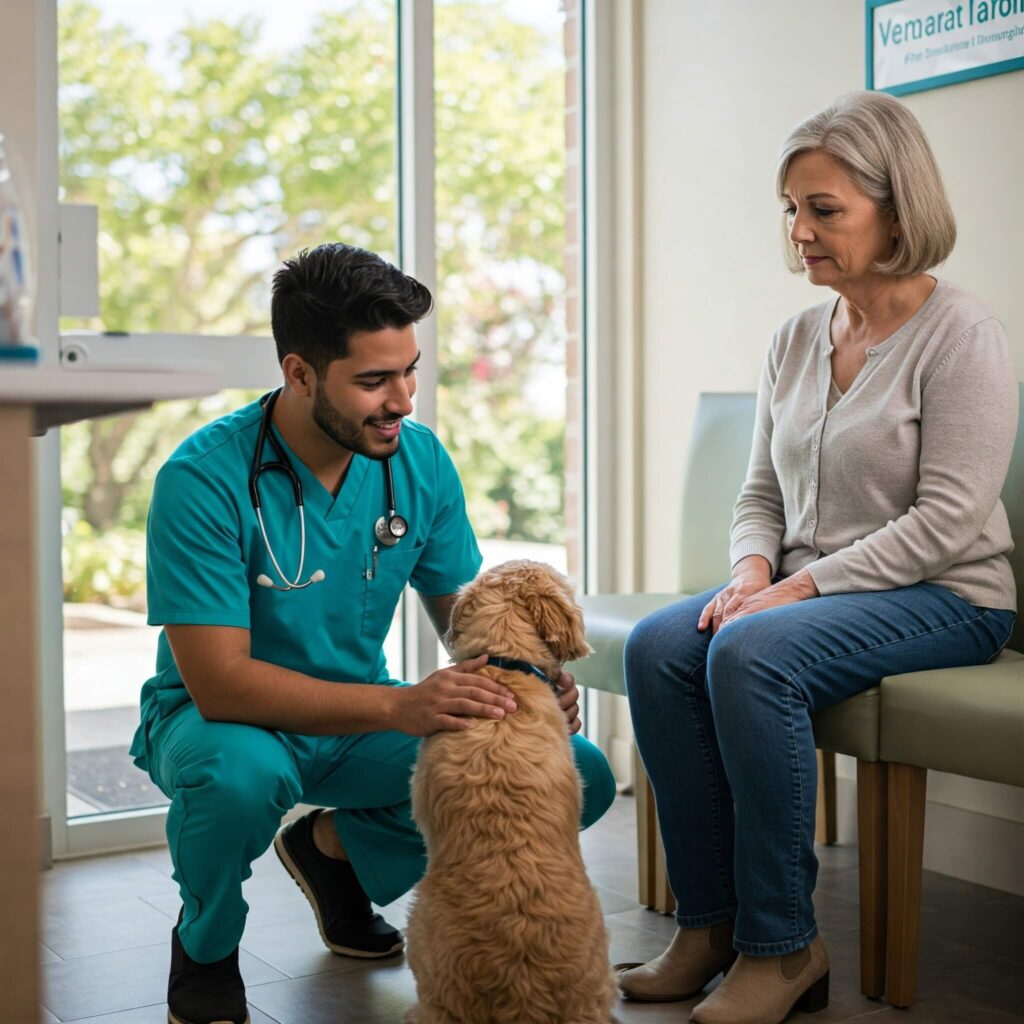
When pets have positive preventive care experiences, it does more than reduce stress in the moment. It strengthens trust.
Pet parents feel more confident bringing their pets in for care. Veterinary teams can perform more thorough exams. And pets learn that handling and treatment do not have to be scary.
This creates a ripple effect that supports long-term health, compliance, and overall wellbeing.
Prevention, Reimagined
Preventive care is not just about avoiding disease, it is about creating a foundation for a lifetime of positive experiences.
By integrating Fear Free principles into every step of the process, we can transform prevention from something pets endure into something they can comfortably navigate.
Because when prevention feels like a treat, everyone benefits.
Leadership shapes more than outcomes, it influences your team’s stress levels, communication patterns, and overall culture. Conscious, intentional leadership begins with self-awareness and extends into everyday interactions that build trust, psychological safety, and resilience.
Join Jennifer Edwards, DVM, ACC, CPC, ELI-MP, FFCP-V, for this RACE- and VHMA-approved course, where you’ll learn how to move beyond reactive leadership and create a healthy, high-functioning team environment. You’ll explore how your energy, habits, and internal patterns affect decision-making, communication, and team wellbeing, then apply conscious leadership principles to real-world challenges and high-pressure situations.
Through practical strategies and real-world applications, you’ll gain tools to recognize early signs of compassion fatigue and burnout, strengthen psychological safety through daily leadership behaviors, and communicate with clarity and compassion during difficult moments. This course will help you support individual wellbeing while fostering shared ownership of a resilient, connected team culture.
You’ll learn how to:
Recognize early indicators of compassion fatigue and burnout along an emotional and behavioral continuum
Understand how internal patterns and energy states influence leadership effectiveness, communication, and decision-making
Use grounding and self-regulation strategies to shift from reactivity to intentional leadership
Build and maintain psychological safety through consistent, everyday leadership behaviors
Apply conscious communication techniques to support team members during stress or struggle
Strengthen team resilience and encourage shared responsibility for a healthy workplace culture
Demonstrate leadership behaviors that reduce defensiveness and promote openness, trust, and connection
Stress can show up at every stage of a veterinary visit, affecting team members, clients, and the overall care experience. Recognizing common stressors throughout the patient journey and applying practical, Fear Free strategies can support calm communication and collaboration from intake through discharge.
Join Amelia Knight Pinkston, VMD, cVMA, FFCP-V, for a one-hour RACE-approved webinar and learn how thoughtful, in-the-moment approaches can reduce fear, anxiety, and stress for both humans and animals while supporting sustainable wellbeing in the veterinary workplace.
You’ll learn:
How to recognize signs of stress responses in humans and identify contributing factors across four key categories
Ways to apply a considerate, Fear Free approach for humans through observation, pausing, identification, and boundary setting
In-the-moment stress reduction techniques to decrease fear, anxiety, and stress in real time
How to reflect on personal habits, stress responses, and boundaries to support long-term wellbeing
How to develop a considerate approach for veterinary teams and pet owners using the 3 C’s and 4 S’s
In “Micro-Moments of Trust in the Clinic,” you’ll explore how small, often unnoticed actions can significantly influence patient and client emotional safety. By the end of this course, you will be able to identify these micro-moments during routine clinical interactions, explain their impact, and select Fear Free aligned actions to support trust in your daily workflows. You’ll gain a deep understanding of how these moments foster trust and reduce fear, anxiety, and stress in veterinary settings.
Mindful Veterinary Practice: Reducing Stress for Teams and Patients is a practical, science-based course designed to help veterinary professionals recognize, manage, and reduce stress in themselves, their teams, and their patients. Through an integrated Fear Free approach, learners explore how stress shows up across people, animals, environments, and workflows, and how mindfulness and lifestyle medicine principles can be applied in real clinical settings. This course combines neuroscience, behavioral awareness, and actionable tools to support emotional regulation, improve patient cooperation, and foster a calmer, more resilient clinic culture. Learners gain practical strategies they can use immediately, from recognizing early stress signals and preventing escalation, to creating sensory-friendly environments and embedding mindfulness into daily workflows. The result is safer handling, stronger teamwork, improved well-being, and more compassionate patient care.
Veterinary professionals regularly face stressful and emotionally charged situations, which can contribute to burnout, compassion fatigue, and reduced quality of care. This course introduces five practical “60-second stress resets” that can be performed anytime, anywhere, without equipment. Learners will explore the science behind micro-resets, practice each technique, and identify opportunities to apply them in real clinical situations.
This micro-course supports individual well-being, enhances team resilience, and helps maintain patient-centered care by teaching veterinary professionals how to pause, reset, and sustain focus throughout their shifts.
A Fear Free® Approach to Supporting Your Team, Your Patients, and Yourself
A new year brings fresh opportunities to reset routines, strengthen your team culture, and make every patient visit a little calmer. Whether your goal is smoother appointments, a happier team, or simply fewer stressful moments in the day, small, consistent changes can make a big difference. Here are five simple, high-impact ways to reduce stress in your practice in 2026, grounded in Fear Free principles and real-world clinic workflows.
1. Start Every Day with a Quick Team Reset
Before the first appointment, take two minutes for a team check-in. This can be as simple as:
Sharing the day’s patient list and identifying animals who may need extra support
Making sure everyone knows their role for each appointment
Calling out one positive thing from yesterday’s cases
These micro-resets help everyone walk into the day aligned, calm, and ready to create low-stress experiences from the very beginning.
2. Refresh Your Clinic’s Low-Stress Environment
Environment sets the tone, for both pets and people. Choose one small upgrade this month, such as:
Adding soft mats or nonslip surfaces in exam rooms
Refreshing pheromone diffusers
Creating a dedicated “quiet space” for sensitive patients
Reducing clutter or noise in high-traffic areas
Tiny improvements, especially when done consistently, can significantly decrease Fear, Anxiety, and Stress (FAS) for patients and help the team feel more in control.
3. Choose One Handling Habit to Improve This Month
Handling habits shape clinical flow more than we realize. In January, have the whole team pick one Fear Free handling habit to practice daily, such as:
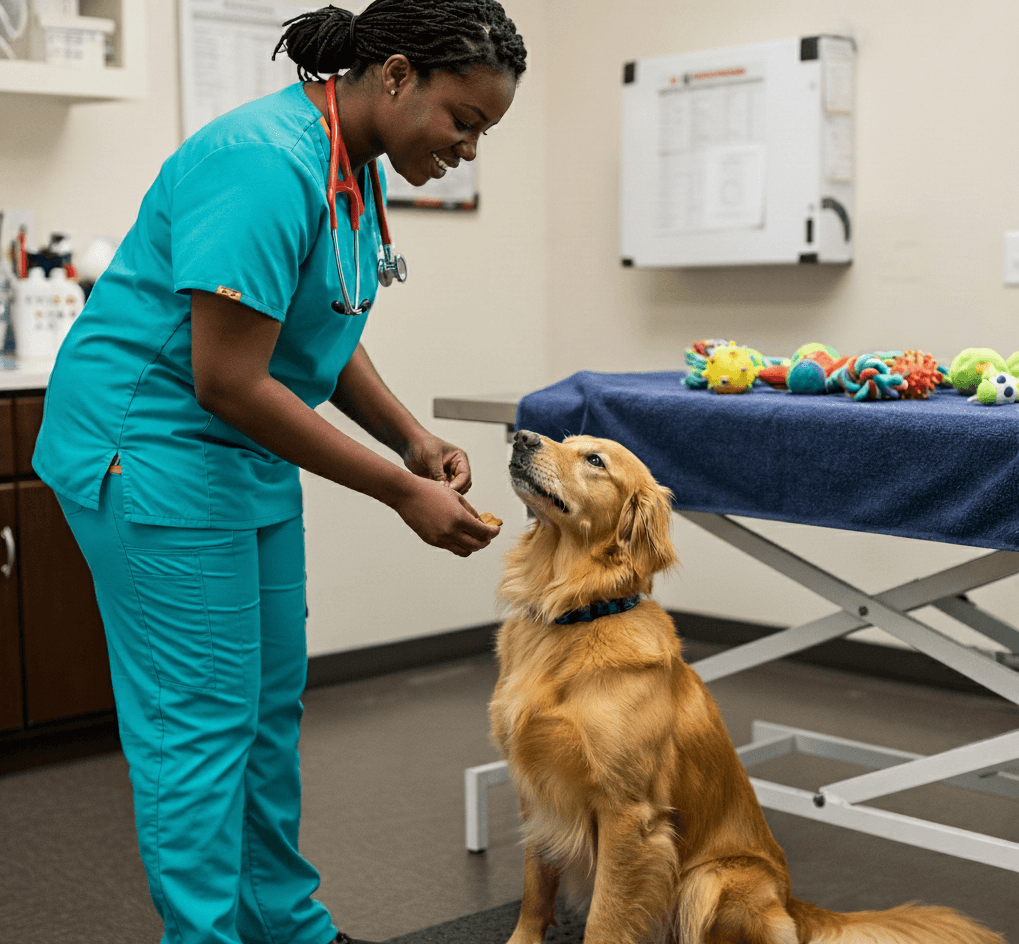
Using treats proactively, not reactively
Letting pets approach on their own terms
Practicing “touch gradients” to prepare for exam steps
Choosing considerate positioning over forceful restraint
A single consistent habit can make exams smoother, shorten appointment times, and reduce the need for escalated restraint or sedation.
4. Implement a Stress-Light Triage in Your Workflow
Adding a quick “stress check” at intake helps the whole day run better. Train front-desk and tech teams to note:
Visible signs of FAS
Patient history of fear or aggression
Possible triggers (e.g., scale, other animals, car rides)
Opportunities for support (pre-visit pharmaceuticals, treats, longer appointment time)
This tiny step allows you to prepare thoughtfully before the pet enters the exam room, improving safety, efficiency, and emotional wellbeing.
5. Commit to One Team Wellness Ritual
A calmer clinic starts with a supported team. Choose one simple ritual to carry through 2026:
A weekly 60-Second Stress Reset together
Mid-day hydration reminders
A “no lunch interruption” policy
A rotating positivity board (gratitude, wins from the week, shout-outs)
When team members feel cared for, they’re more present, more patient, and more equipped to provide Fear Free care.
Start the Year Stress-Free, Stay the Course
Reducing stress in practice doesn’t have to be overwhelming. By focusing on small, intentional changes, your clinic can build momentum and create a calmer, more supportive environment for everyone—pets, clients, and team members alike.
If your practice is looking for more hands-on tools, tips, or training to support a Fear Free start to 2026, explore our upcoming webinars, microlearning sessions, and monthly resources.
Ready to take stress reduction even further? Check out our Fear Free for Humans course and gain practical tools for managing workplace stress, building resilience, and supporting your own wellbeing.
In Fear Free veterinary care, reducing fear, anxiety, and stress (FAS) isn’t just about treats and gentle handling—it also means recognizing when sedation is the kindest choice. From radiographs to grooming, procedural sedation and analgesia (PSA) can enhance safety, reduce FAS, and create a better experience for everyone involved. Join us for a webinar with Kate Lafferty, BFA, RLAT, CVT, VTS (Anesthesia & Analgesia), FFCP-V, for a deep dive into sedation strategies that support both patient comfort and team success. This webinar is ideal for veterinary professionals looking to strengthen their sedation protocols while upholding Fear Free principles.