In this engaging 50-minute webinar, Dr. Natalie Marks will explore how the foundational principles of Fear Free can transform your clinic’s marketing approach. Designed specifically for veterinary professionals, this session offers practical strategies to help your team attract emotionally well patients and the pet parents who prioritize their wellbeing.
From refreshing your understanding of Fear Free fundamentals to building a client base that aligns with your practice values, you’ll walk away with actionable insights to strengthen your messaging, enhance your team’s confidence, and elevate the overall experience for pets and people alike. This session is ideal for Fear Free Certified Professionals and those looking to integrate positive, purpose-driven marketing into everyday practice.
There are many training philosophies and certifications in the animal behavior world, which can make understanding the options both interesting and complex.
Join us for a dynamic panel discussion with trusted veterinary and training experts as we explore what sets Fear Free Certified Animal Trainers apart, clarify common training terms, and share how to confidently navigate the wide world of training approaches.
Food or toy distractions can be an exceptionally useful tool in Fear Free. But they must be used appropriately, and in the correct situations, to ensure they actually decrease or prevent FAS, rather than inadvertently make things worse.
This one-hour course will empower you to know when to use distractions (and when not to use them), how to properly implement them, and what to do “in the moment.” Through several video examples and scenarios such as nail trims and vaccines, you will learn what to do “in the moment” as well.
This course, approved for 1 RACE CE hour, was written by Monique Feyrecilde, LVT, VTS (Behavior)
Lesson 1: Introduction to the distraction method Lesson 2: Types of distractions Lesson 3: Appropriate times to use distraction Lesson 4: How to implement distractions Lesson 5 & 6: When and why a distraction may not be appropriate Lesson 7: Examples of appropriate use of distractions Lesson 8: Alternatives to the use of distractions
EFear, anxiety, and stress can make veterinary visits challenging for both pets and their owners. Our What’s a PVP? handout helps pet parents understand how Pre-Visit Pharmaceuticals (PVPs) can reduce fear and create a calmer, more positive experience at the vet. Share this resource with your clients to help them feel confident in supporting their pet’s emotional wellbeing.
Want to provide even more guidance? Share this expert blog with your clients for additional insights on how PVPs can help pets feel safer and more comfortable at the vet.
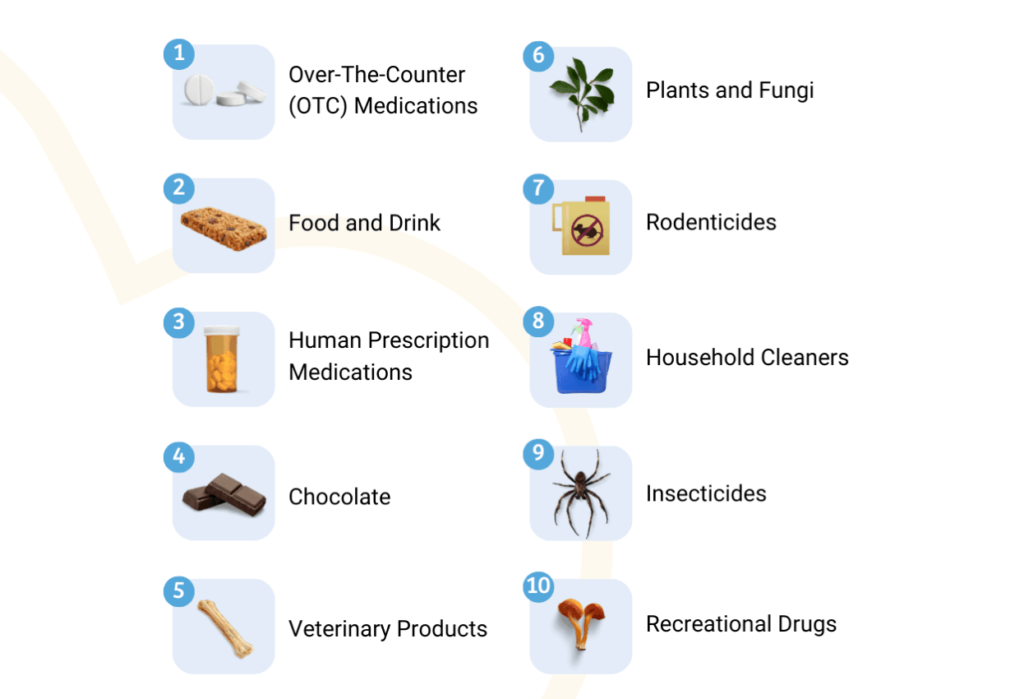
Each year, the ASPCA Animal Poison Control Center (APCC) analyzes nationwide data on toxic exposures in pets. In 2024, the APCC received over 365,000 calls related to toxic substances, highlighting the most common risks encountered by dogs and cats. This handout provides professionals with essential insights into these top toxins, helping you educate clients, prevent toxic exposures, and ensure prompt, effective treatment when needed.
While our profession originated in preventive medicine, many veterinarians today spend most of their time on chronic disease detection and management. Some of this shift is due to cats living inside the home with longer lifespans. However, other significant factors include pet parents waiting longer to seek veterinary care due to myths about cat health and the rising costs of veterinary medicine.
As Fear Free Certified Professionals, we don’t just consider physical health but also the emotional health of the feline patient, pet parent, and our teams. When specifically thinking about how this applies to the diagnosis and management of our feline diabetic patients, there are two fundamental tenets for success: educating cat caregivers on signs of diabetes for earlier detection and offering alternative treatment options for qualifying patients to ensure complete health.
With a diagnosis of diabetes, some colleagues may question why we need another treatment besides insulin. For one, owner compliance with needles, insulin administration, and insulin overdosing are of concern. Also, we know that there is an increasing number of cats being diagnosed with diabetes. An estimated 600,000 cats in the U.S. are diagnosed with diabetes during their lifetime, with the prevalence of this devastating disease increasing over the past decade. However, the most crucial statistic from research shows that 125,000 cats go untreated1.
Early Detection
We must continue to educate pet parents about the more common signs of diabetes. Urban myths circulate with inaccurate information, such as the idea that indoor cats don’t need routine veterinary care and that these cats vocalize when they don’t feel well.
Instead of acquiescing, let’s provide simple early-detection guidelines. Here are the four most common signs of feline diabetics displayed through the mnemonic “MEOW:”
More eating and drinking
Excessive appetite
Overweight
Weight loss that occurs suddenly
This can be used in several social media posts—be sure to communicate this to pet parents where they can best receive information!
In addition to the most common signs, it’s also helpful to give pet parents an idea of other risks. Some of the increased risk factors for dogs hold for cats, like chronic pancreatitis, being middle age, and use of steroids, but there are definite differences
that your cat’s parents want to know! This is especially true with how much of a role obesity plays – cats with an obese body condition score are four times more likely to develop diabetes! Besides the other complications of obesity, this is a big reason to ALWAYS give our patients a body condition score and discuss appropriate weight management guidelines. Indoor cats, neutered males, chronic kidney cats, and hyperthyroid kitties are also at risk.
When pet parents call for an appointment based on the clinical signs observed at home, continuing the education process during the physical exam is essential. Cats are very similar in pathophysiology to overweight adults; 80% (or more)2 have Type 2 diabetes. This is due to either an insensitivity or resistance to insulin in tissues. Pancreatic beta cells don’t like a high glucose environment or being overtaxed. When that happens, we see the progressive loss of beta-cell insulin production and burnout.
Diagnosis of diabetes also requires diagnostics. Let’s recommend a foundational diagnostic workup instead of just a blood glucose spot check. This includes a full CBC (complete blood count), a chemistry panel with electrolytes, a concurrent urinalysis with culture (preferably low colony count), a UPC (urine protein: creatinine ratio), blood pressure, and a thyroid panel. While many of our patients develop their diabetic state secondary to adipocyte inflammation, we can see other associated disease states like chronic kidney disease, hypertension, hyperthyroidism, and acromegaly.
Fear Free Treatment Options
Insulin is a successful treatment option for many diabetic cats. However, a large population remains completely untreated, and for those yet to be diagnosed, insulin may not be a good fit for the family’s lifestyle. Veterinary teams must provide safe and effective treatment alternatives.
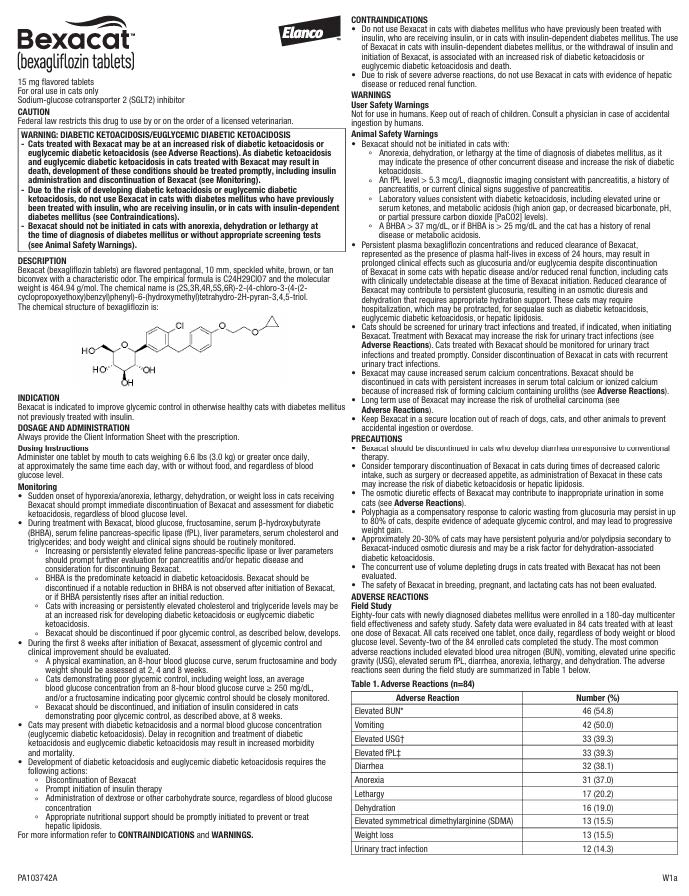
Bexacat™ (bexagliflozin tablets) is the first sodium-glucose cotransporter 2 (SGLT2) inhibitor approved by the FDA in any animal species. Bexacat™ introduces a mechanism of action for veterinarians and pet owners that offers a non-insulin, needle-free, once-daily oral medication specifically designed for cats with diabetes mellitus. This first-in-class therapeutic is indicated to improve glycemic control in otherwise healthy cats with diabetes mellitus NOT previously treated with insulin.
Let’s consider what’s different about the mechanism of Bexacat™ vs. traditional insulin. Insulin drives glucose into the cells, whereas Bexacat™ drops blood glucose levels by promoting urinary excretion or preventing renal glucose reabsorption.
Several differentiating features of Bexacat™ help promote physical and emotional health. First, unlike traditional insulin, Bexacat™ does not require dosing calculations or titration, measuring in syringes, or potential dosing errors. It’s one flavored tablet per cat daily and can be given in food. Not only does this streamline the process for clients, but it also helps them efficiently manage their schedules or travel demands by
having other caregivers participate. The tablet has been shown to have 96-97% palatability in studies3, which also encourages easing client compliance!
Another unique characteristic of Bexacat™ is that dosing is independent of our patient’s blood sugar or if the cat gains or loses weight. This is incredibly helpful in easing the minds of cat parents, especially as we start to talk about the possibility of remission monitoring. We need a minimum weight of 3kg for cats taking Bexacat™.
The essential piece of success is case selection. At this point, Type 1 Diabetics and feline patients who have been on traditional insulin are not candidates for Bexacat™ use. This is because when cats have been diabetics for a long time or are Type 1 (insulin-dependent), they don’t have enough healthy B-cells in their pancreas to produce insulin – an essential qualification to use Bexacat™. The longer a cat has diabetes mellitus, the higher the risk of amyloidosis and beta cell depletion. A newly diagnosed cat will likely have a larger beta cell mass and be more likely to be able to produce at least some insulin. Cats also need to be able to secrete endogenous insulin. However, no accurate test exists to determine this. Glucose toxicity from hyperglycemia is toxic to beta cells.
Finally, patients also need qualifying lab work. Any significant renal (Stage III IRIS or higher) or significant hepatic disease disqualifies the patient. We also need to rule out DKA (diabetic ketoacidosis). But, the final piece, and what may be very new to many of us, is a beta-hydroxbutyrate (BHBA) level of <37 mg/dL or 3.6 mmol/L and precaution of <25 mg.dl or 2.4 mmol/L if history of renal disease or metabolic acidosis. We can use a BHBA level of 2.4 mmol/L if using a handheld monitor. If ketones are in the urine, exclude the cat from being a good candidate.
Chandler M, Cunningham S, Lund EM, Khanna C, Naramore R, Patel A, Day MJ. Obesity and Associated Comorbidities in People and Companion Animals: A One Health Perspective. J Comp Pathol. 2017 May;156(4):296-309.
Elanco Animal Health. Data on File.
Important Safety Information:
Before using Bexacat, you must read the entire package insert, including the boxed warning. Cats treated with Bexacat may be at an increased risk for conditions called diabetic ketoacidosis or euglycemic diabetic ketoacidosis, both of which may result in death. It is critical that cats taking Bexacat be examined by a veterinarian promptly if sudden decreases in appetite or water consumption occur, or if weight loss, tiredness, vomiting, diarrhea, or weakness are seen. Discontinue Bexacat and call your veterinarian immediately if any of these occur as they could be signs of diabetic ketoacidosis or
euglycemic diabetic ketoacidosis. Before giving Bexacat, be sure to talk with your veterinarian about any past illnesses your cat has had including if your cat has ever been on insulin, as cats that have been treated with insulin should not receive Bexacat. Do not use Bexacat if your cat has experienced pancreatitis, liver disease or reduced kidney function as serious side effects may occur. Bexacat is available by veterinary prescription only. Not for human use. Keep out of reach of children. Contact a physician immediately if swallowed accidentally.
Bexacat, Elanco and the diagonal bar logo are trademarks of Elanco or its affiliates.
This article was reviewed/edited by board-certified veterinary behaviorist Dr. Kenneth Martin and/or veterinary technician specialist in behavior Debbie Martin, LVT.
Want to learn more about Fear Free? Sign up for our newsletter to stay in the loop on upcoming events, specials, courses, and more by clicking here.
This is Part Three of a three-part series on effective parasite prevention and preserving the human-animal bond through the entire process.
Parasite infestations are more than a gross nuisance. In addition to increasing the risk of vector-borne diseases for pets and pet parents, the complications that come with fleas and ticks can potentially compromise the human-animal bond, significantly impacting the emotional wellbeing of both pets and owners.
Client education and empowerment can shine a much-needed light on this rising concern and ensure pet parents and their pets enjoy uninterrupted comfort, health, and companionship.
The emotional toll of parasite infestations
Flea and tick infestations can disrupt daily life and create significant fear and stress for pets and their owners. While health-related concerns such as vector-borne disease transmission, allergic reactions (such as flea allergy dermatitis), and pet discomfort are the priority, negative impacts on the pet and pet parent’s emotional wellbeing must also be considered and addressed. These include:
Behavior changes — Affected pets may be more irritable and restless or seek isolation. Such uncharacteristic changes can be frightening for the pet and stressful for the owner, especially when the underlying cause goes undiagnosed.
Altered routines — After an infestation is discovered, pet treatment and environmental eradication measures can disrupt the household routine.
Physical distance between pet and owner — Owners may change how they interact with their pet, including new sleeping arrangements or avoiding close contact. This can create apprehension and uncertainty for pets and decrease the sense of comfort and security previously provided by the human-animal bond.
Guilt and worry over the pet’s condition — Parasite infestations can cause pet parents to feel shame and guilt over their pet’s condition. Watching the pet struggle with discomfort or associated disease can lead to pronounced worry and fear, which can heighten the pet’s already stressful state.
Knowledge gap: Pet parents and parasiticide awareness
Despite the availability of numerous safe and effective parasiticide products, many pet parents remain unaware of how easy it is to protect their pets from flea and tick infestations and related diseases. To help pets and owners avoid unnecessary suffering, veterinary teams should address common knowledge gaps, such as:
Risk — Pet parents may not understand that a clean home or indoor-only living arrangement doesn’t preclude their pet from parasitic infestation. They also may not realize that it takes only one flea or tick to cause suffering, illness, infestation, or zoonotic risk.
Prevention—Pet parents may not know that year-round preventives don’t merely keep fleas and ticks away; they can also prevent harmful disease transmission from fleas and ticks.
Product efficacy and safety — Pet parents may not understand the significant differences between over-the-counter, “all-natural,” and prescription-only products. Educating pet parents on the value, safety, and quality of research-backed and FDA-approved products, including how they work and proper administration techniques, can ensure greater protection, health, and peace of mind.
Client education and creating a Fear Free experience
Educating the pet parent can alleviate parasite-related fears by raising awareness about parasitic diseases and prevention. By building trust and confidence, pet parents can take a more proactive role in their pet’s care, knowing how to identify, address, and prevent fleas and ticks. The veterinary team can further empower pet parents and drive parasiticide compliance by promoting a Fear Free approach to parasite prevention. This includes:
Determining product preferences — Matching the right preventive type to each patient and client can increase compliance by decreasing administration-related stress. For example, pets who are fearful about topical applications and associated handling and restraint may readily accept a chewable tablet.
Understanding product administration and use — Talking clients through the process and letting them see the preventive and how it is administered can increase confidence and comfort when they handle the product themselves.
Creating positive associations with parasite prevention tasks — Parasite-related pet care tasks such as medicating the pet, checking for fleas and ticks, and removing parasites from the skin or coat can trigger fear and anxiety and create barriers to compliance. Coach pet parents on how to pair these tasks with something the pet loves, such as a special treat, toy, or experience, through classical conditioning. Remind them that repetition and consistency are key to ensuring better cooperation and a positive, lifelong result.
Despite their tiny stature, fleas and ticks can have an enormous impact on the physical and emotional health of pets and owners, including the all-important human-animal bond. Comprehensive protection begins with effective client education and empowerment. This ensures that pet parents not only understand the need for appropriate preventive actions but know how to provide them in a way that strengthens their pet’s defenses as well as their shared love and trust.
PM-US-24-1348
This article was reviewed/edited by board-certified veterinary behaviorist Dr. Kenneth Martin and/or veterinary technician specialist in behavior Debbie Martin, LVT.
Continue learning through Part One & Part Two of this series.
Want to learn more about Fear Free? Sign up for our newsletter to stay in the loop on upcoming events, specials, courses, and more by clicking here.