Muzzle, Medication, Management, Magic
Alaska is a three-and-a-half-year-old white German Shepherd, who was adopted from a pet  store when she was three months old. Early veterinary visits had caused her to become fearful. Medication didn’t help and she required heavy restraint. Her pet parents called our clinic about taking her on as it had been suggested that she might prefer a female veterinarian.
We requested that they start to get Alaska comfortable with a muzzle at home and to do drop-in visits when our clinic wasn’t busy. They did all this over the course of a month. For the first visit, we asked Alaska’s previous vet to write her a prescription for Trazodone and advised her owner to give it on an empty stomach 12 hours and two hours before the exam, because of the hepatic first pass effect of the drug.
We booked out extra time for the visit. We took down preliminary info like diet, likes and dislikes, activity, allergies, etc., from mom while dad waited outside with Alaska. Her mom told us that at the previous vet, the exam room was small and that Alaska didn’t like being confined, so we pushed our rolling exam table against the counter, leaving an open space in the exam room. We had already started the lavender diffuser and Baby Einstein classical music.
To mask any hospital odor, the tech, assistant, and I washed our hands and exposed arms, dried them thoroughly, and applied Bath and Body Works Stress Relief Eucalyptus and Spearmint body lotion. The pet parents walked a muzzled Alaska into the room and we gave her space to walk and investigate. The assistant crouched to her level, and I sat on the lowered rolling table. We stretched out our arms for her to sniff….no growls! However, her ears were flat back. I called that to everyone’s attention and explained to her parents that she was wary, stressed, and afraid, and that we needed to move cautiously and slowly. As she made her rounds to us and looked us in the face, we closed our eyes or turned away, so we weren’t staring at her, while we talked to her gently and started to stroke her.
We started feeding her peanut butter, and I was able to look at her eyes from an angle, and slowly went to her ears, but she raised her lip at the otoscope, so I stopped and let her regroup. Mom then said she didn’t like ears, feet, or back touched. Eventually, Alaska’ s ears came from flat to sideways elevated to straight up. She nudged the assistant for attention, and I was able to palpate her abdomen, examine her haircoat, and auscultate her heart and lungs. The assistant continued with the peanut butter, mom with bits of chicken, and lots of neck rubs and sweet talk, and I was able to give her four vaccinations. We paused at that point, as she needed to have blood drawn for a heartworm test.
I wish I had grabbed my cell phone; Alaska was lying in the middle of the floor, back legs curled around, front feet outstretched, ears straight up, and if it weren’t for the panting, looking completely relaxed as if she were at home. The parents were amazed and happy; this had never happened before.
While they wanted to get everything done in one visit, I persuaded them that we should stop at this point so she would have a positive visit to build on. (I had squirted some alcohol on a lateral saphenous vein to see how she would take it, and while she didn’t growl, she didn’t like it, so more peanut butter to the rescue.) The owners concurred, and I had them take some Solliquin to start her on, and advised them to come back in a month. In all likelihood we will have to give some IM dexdormitor to draw the blood, but I think we can build on today’s visit. The pet parents couldn’t stop thanking us for taking the time and making the extra effort to understand their beloved dog. I love Fear Free!
Cathy Grey, DVM, Oakdale Animal Hospital, Oakdale, New York

 year I’ve raised a pup following Summit’s training guidelines based on positive reinforcement and what puppies can handle at each developmental stage. Each pup explores the world in tiny increments based on what they tell me through body language about how the new environment feels to them. Sometimes we don’t even get out of the car if the pup seems to be hesitant. If they’re not ready for a new place, we go somewhere they have already been to build confidence. Each pup is born with unique strengths and levels of confidence. The big and bold ones move through environments more quickly than timid pups. My current pup, Jazz, came to me at 11 months of age. She was timid about change, so we moved slowly and calmly. We joined a scent work class, which allows the dogs to move freely at their own pace. This built her confidence quickly and now she rocks in almost any setting. Watching what your pet tells you through body language (relaxed, happy, withdrawn, cowering) is key to a truly Fear Free companion.
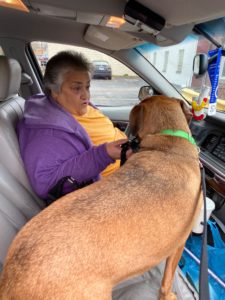 Canasta is fearful of strangers and handling, which makes veterinary visits difficult for both Canasta and her caregiver. I recently started working with Canasta on basket muzzle training and being more comfortable with strangers, but she was in need of bloodwork immediately. Her veterinarian prescribed pre-visit pharmaceuticals, and I worked with the technician to create a handling plan and came to the visit to assist. When Canasta walked in wearing her basket muzzle, I used gentle control to restrain her while the technician drew blood. Canasta even took a treat from the technician when we were done, which is a huge win! Her mother was crying, knowing her dog did so well, and I will continue to work on cooperative care with the caregiver and Canasta.
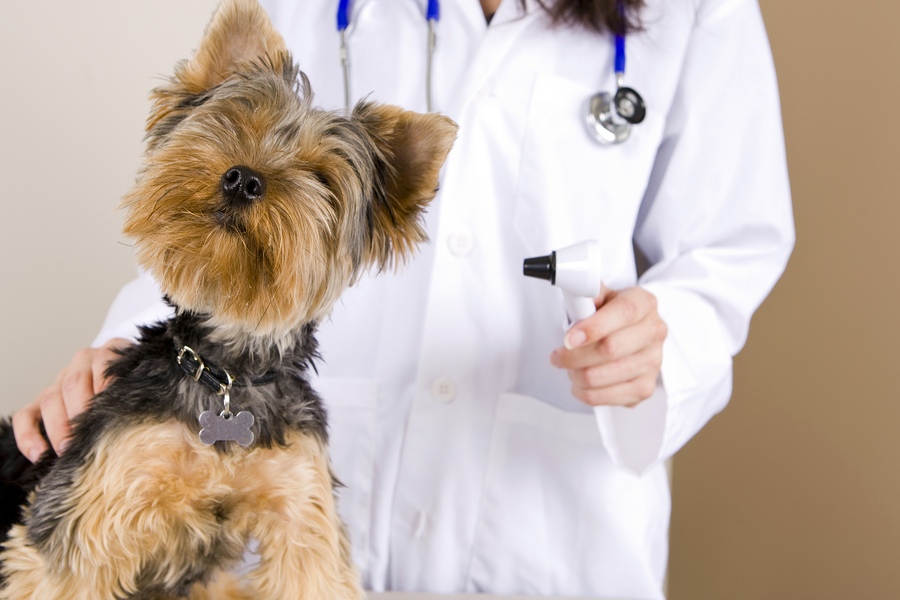
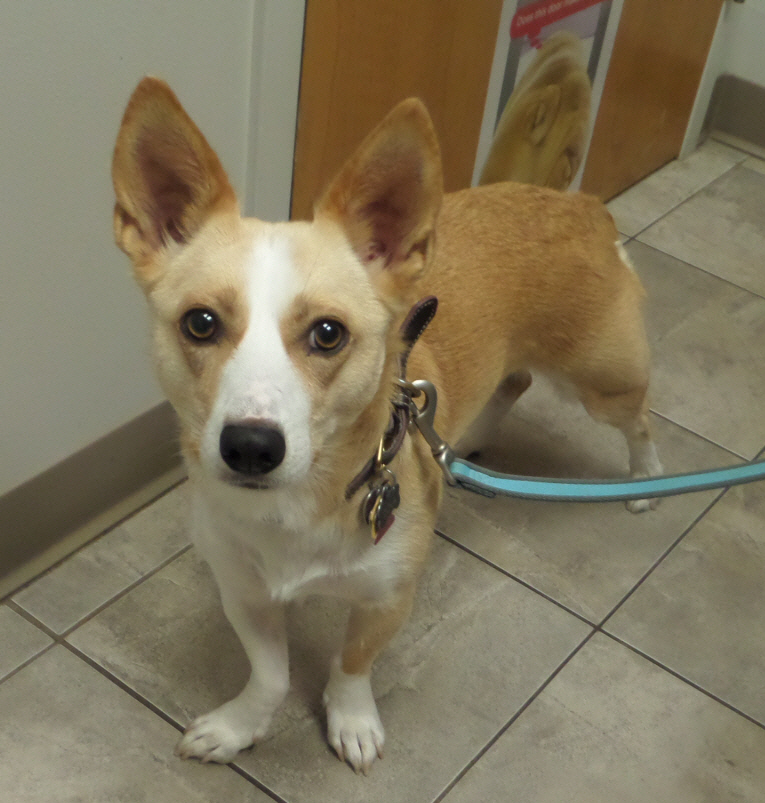
 veterinarian, Dianicia Kirton, DVM, whose Hopkinton, Massachusetts, practice is Fear Free certified, has been recommending that Sushi get her teeth cleaned but my sister was hesitant. The veterinarian addressed each of her concerns until eventually she was ready to move forward. A few weeks later, Sushi’s mom brought her in for the teeth cleaning, although she was still nervous and reluctant. The veterinarian and staff were very calming and worked on Sushi quickly. Everything went well, and Sushi was her normal, happy self afterward. My sister told the vet that she felt like she had been “Fear Freed,” and Dr. Kirton responded, “Yes, it’s as much for the people as it is for the animals.” My sister was happy with the whole experience and thankful to have found a practice that uses these methods!
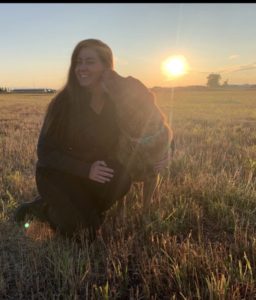 Pennie, a 7-year-old 78-pound Chesapeake Bay Retriever, had never had a full veterinary exam after her puppy vaccines because she bared her teeth and growled at veterinary team members at every clinic she was taken to. When she was brought to us, we implemented several Fear Free strategies, spending 45 minutes building her trust both outside the clinic and in the exam room. We were able to get her to stand on the lift table and receive vaccinations without being muzzled. On her third visit, we were able to lift her lips and examine her teeth. Now she boards with us routinely and is a big part of our veterinary practice family. Implementing these Fear Free tools has changed Pennie’s life and her owner is now able to better understand and relate to her dog, making it much safer to take her for walks and be groomed.
 We love our Fear Free veterinary hospital. At TLC, there are separate areas for cats and dogs. We took our two cats in last week, and the exam room was comfortable, with shelves for the cats to explore. A board listed the names of the technician and veterinarian who would be seeing the cats, so we knew who would be treating them. The technician who went over the intake information was sweet and tender with Lucy and Lilu. An email ahead of time alerted us that a new veterinarian would be seeing the cats. She was calm and handled the cats gently. Both cats were calm throughout the visit—although Lucy didn’t much like having her teeth examined—and when they got home they came out of their carriers calmly and went about their day. Lilu was her regular self and didn’t hide away as she has on some prior visits to other clinics. The clinic called the next day to see how the cats reacted to their vaccines and visit. We feel we have found our new clinic!
 reactive. During her first appointment she was quite nervous, but with the help of some peanut butter as a distraction she allowed us to pet her. We decided that that was a win and that Zola would benefit from coming back another time after having gabapentin to help calm her. At her next visit, Zola was visibly more relaxed, and we had a Kong full of peanut butter ready for her. Knowing that Zola did better with minimal restraint we kept her focused on the Kong and were able to do a full exam, vaccinations and a blood draw. Zola’s owners had never seen her so relaxed at the vet and she has since come back willing and happy to see us.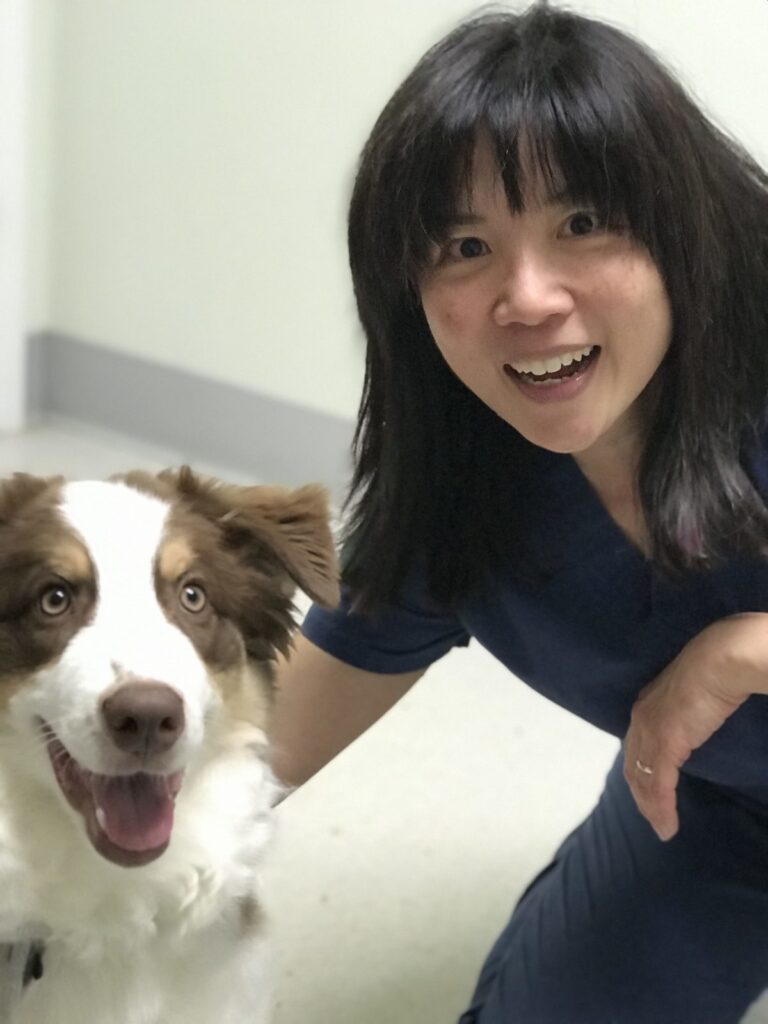
 I’m a Fear Free trainer, but there are no veterinarians I trust in my town, so I travel an hour to TLC Pet Hospital in Albuquerque and have had the most amazing experiences, thanks to the patience, kindness, and knowledge of the staff there. My dogs are fearful, and one is especially vet-phobic after traumatic experiences elsewhere. Some of his past vet visits have been so anxiety-inducing for him that I also end up in tears. But with gabapentin on board and the Fear Free approach from Dr. Long and Sam the veterinary assistant, my dog was wagging, approaching them, licking their faces, asking for pets, and acting like the brave and social dog he is at home. All of us in the room were floored by the change! At the next checkup he took food from them, did some chin-rest stationing with them, targeted their hands, and showed off his tricks. My own fear, anxiety, and stress levels have been drastically reduced thanks to their dedication to Fear Free vet visits. I’ll continue to do the two-hour round trip because I love having a veterinarian who listens to me and treats me like an adult, and because my dogs’ mental and emotional health is taken as seriously as their physical health at TLC. I am so thankful for their care and commitment to Fear Free vet visits and their overall friendly clinic.
 I work closely with the veterinary hospitals in my town. The team at Appalachian New River Veterinary Associates (ANRVA) referred Toby to me. Toby was terrified at the veterinary hospital and could not take food, even as a young puppy. I established a rapport with Toby away from the veterinary hospital. I did this using special food and something else Toby loved – play! Toby learned foundation behaviors that gave some predictability to our sessions and helped him feel safe.
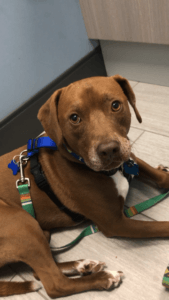 Maxwell is a 7-year-old retriever/hound mix who was rescued from a hoarding situation with more than 100 dogs. Maxwell was the most fearful of them. We don’t know a lot about Maxwell’s day-to-day life while on the hoarder’s property, but volunteers reported that he was kept in a small shed without much social interaction.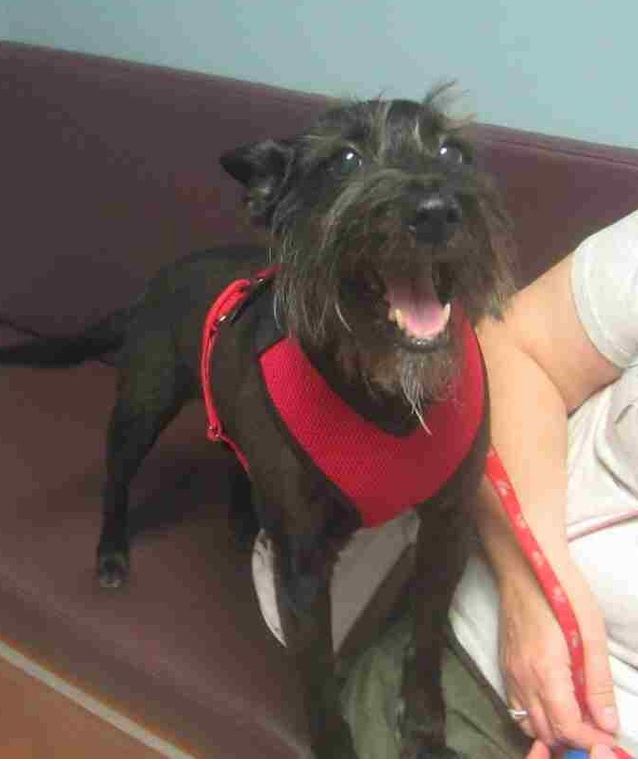
 owner told us that his previous clinic had to muzzle him, and he was handled somewhat roughly. She wanted to get away from that. On his first visit we just got a feel for his comfort level. He barked and growled at us in the room but took treats willingly. He allowed an otoscopic exam but was tense, and when the stethoscope was introduced, he actively tried to bite. Approaching him with a muzzle sent him into a panic. We sent some Trazodone home with him that day for future visits and discussed doing a set of behavioral visits to help desensitize him to handling and instruments.
 able to make her visit less stressful and even a bit enjoyable. Our veterinarian is part of a Fear Free practice (Thank you,
 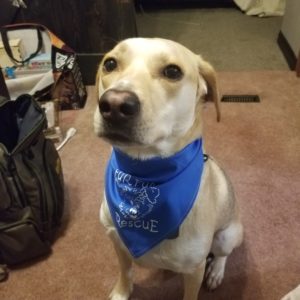 We were beside ourselves on how to handle taking Roger to the vet. We put him through basic obedience and advanced obedience classes twice to learn manners and how to act appropriately. He has done great in our home and in our families’ homes as we know how to handle his anxiety. In our vet’s office, though, Roger would go crazy as his anxiety shot through the roof from all the smells and people. Thanks to the Fear Free program and team at Frey Pet Hospital, Roger can feel safer and happier