Blog Archives

Although trainers are not medical professionals and cannot diagnose conditions or prescribe medications, there are still several ways in which we can use our expertise to help veterinarians help animals in pain. Use this handout to help educate potential training partners.
How Trainers Can Help Animals In Pain
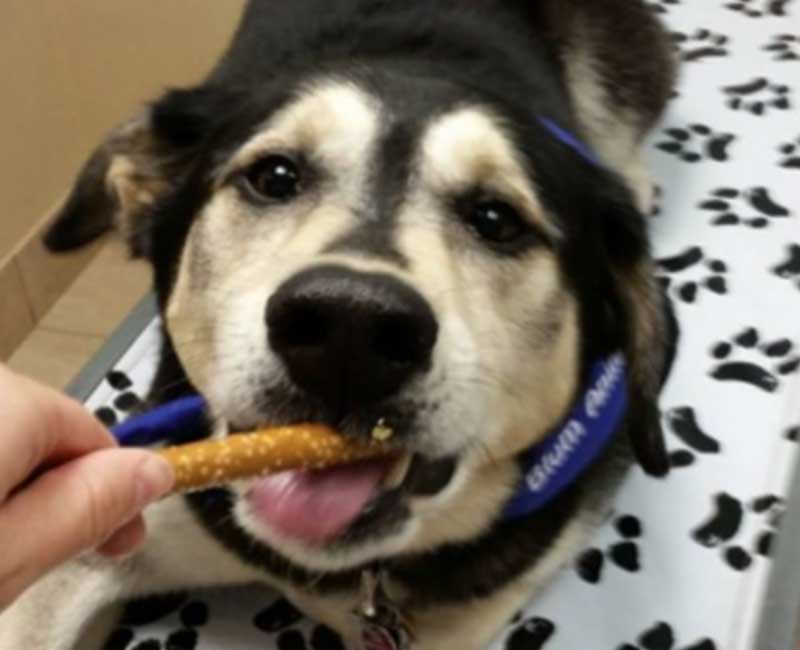
When you think of a happy dog or a blissful cat, often images of a treat-spoiled dog or cat basking in the presence of some catnip come to mind. And it’s true. Cats and dogs love those things. But when used in the right context, these seemingly simple little joys can be more than just recreational forms of happiness for our best friends. When it comes to reducing fear, anxiety, and stress in our pets during veterinary visits, the right use of treats and other tactics can make for powerful tools. In this podcast, featuring Dr. Natalie Marks of Blum Animal Hospital and Dr. John Talmadge of Bigger Road Veterinary Clinic, we talk about the treat ladder’s literal role in creating a Fear Free veterinary visit as well as its part in the larger Fear Free ideology and approach.

This episode coincides with the launch of one Fear Free’s newest and most exciting additions to our lineup of Educational modules: Fear Free Foundation for Kittens & Puppies. Course authors Kenneth M. Martin, DVM, DACVB (Behavior), Debbie A. Martin, CPDT-KA, KPA CTP, LVT, VTS (Behavior), and Mikkel Becker, CPDT-KA, CDBC, CTC. KPA Graduate, give listeners an inside look into the course and talk about why behavior prevention is so important—even for veterinary professionals.

In only months since launching, Fear Free certifications have been growing tremendously. As of this recording, more than 700 veterinary professionals have become certified and more than 3,200 have registered and are in the process of becoming certified. But it’s not just about the numbers. Fear Free is about looking out for our best friends, and nobody appreciates that more than their owners. In this podcast, through the lens of a client named Alex Patinios (our first featured client on a podcast ever) and his dog Dakota’s experience with Dr. Bloom, we get to hear what Fear Free means from a client’s perspective. This is a powerful case study that shows just how impactful Fear Free can be for the people and animals that the veterinary industry is dedicated to serving.

Body Language and Signs of FAS in Dogs & Cats

Understanding and assessing your patients’ body language is an essential part of Fear Free. It also plays an important role in client education for a client to understand and buy into Fear Free and your recommendations. Print out the two pages of body language slides, laminate them, and place them into each exam room. You could also place them into your waiting area, and into your staff common areas to serve as an educational tool.

FAS Spectrum Handouts

The bulk of communication between humans is through body language and the same goes for animals. It’s important for both your team and your customers to understand the often subtle signs of fear, anxiety, and stress that their pet is expressing. Use these FAS Spectrum sheets to visually explain the different signs of FAS and the corresponding levels of arousal. Handouts available for dogs, cats, horses, birds, and rats.