Blog Archives

Susan M. Ewing

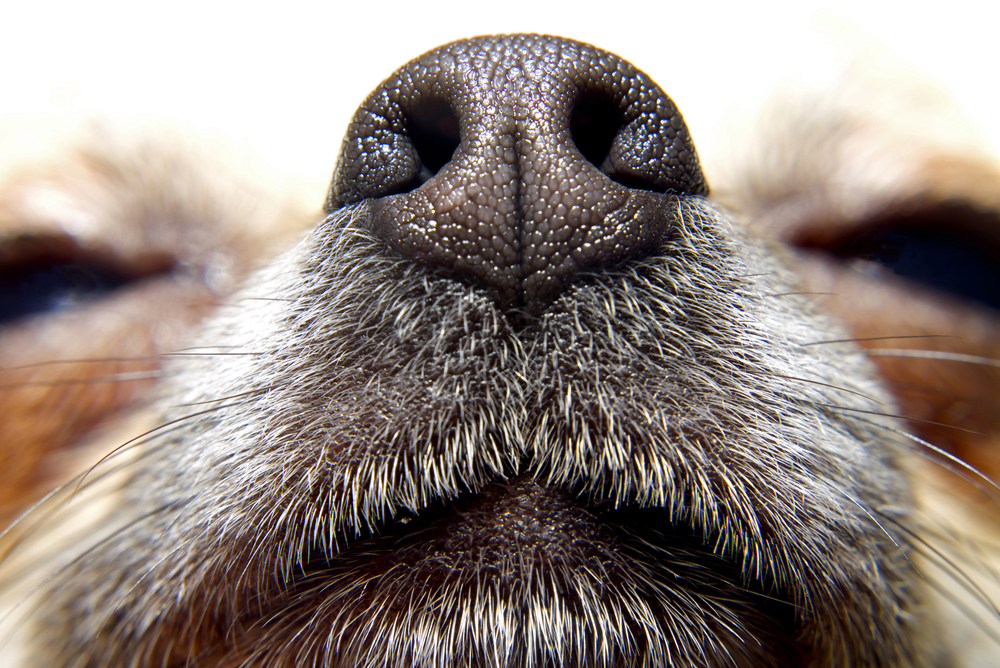
Both dogs and cats rely heavily on scent to interpret their surroundings while humans rely more on sight. Blindfold a human just before a visit to a doctor or emergency room, and the stress level would be higher than if the person could see, but most people would at least be able to hear and understand what was happening in the way of treatment. We can’t explain to our pets what is happening, or why they are in a hospital. Take away their sense of smell and you’ve taken away their ability to interpret their world, adding more stress to an already stressful situation. By understanding the effects of scents, you can help them stay calm.

Ban Bleach

No one intentionally stops a dog or cat from smelling, but disinfectants can do just that. Bleach and other disinfectants with a harsh odor can make a pet “nose blind,” creating stress when they try, and fail, to learn about their environment. In one study, “Minimising Stress for Patients in the Veterinary Hospital: Why It Is Important and What Can be Done About It” (published online in Veterinary Sciences, April 13, 2017), lead author Janice K.F. Lloyd cites Karen L. Overall, VMD, in the Manual of Behavioral Medicine for Dogs and Cats: “A solution of bleach, even as low as 1 percent, can destroy olfactory neurones, resulting in a loss of information and heightening anxiety.”

While disinfecting is essential, using one that doesn’t have a harsh odor may help to lessen the negative effect on a pet’s nose. At Applebrook Animal Hospital in Ooltewah, Tennessee, Kathryn Primm, DVM, uses Rescue disinfectant, a hydrogen peroxide product with little odor, which also dries quickly.

Scents From Other Animals

When pets are able to smell, identifying stress in other animals can increase their own level of stress. Secondarily, humans may also experience some stress when smelling clinic odors. Most pets are quick to respond to their owners’ emotions, and if that emotion is stress, it’s going to affect the pet.

“When we have bad odors suddenly, like anal glands,” says Dr. Primm, “it is critical that they be cleaned and deodorized completely, or they will cause fear in all the pets that perceive them.” For those kinds of odors, Primm uses K.O.E. (Kennel Odor Eliminator) by Thornell, a product that quickly eliminates odors and comes in a concentrate, a spray, and individual wipes.

Sometimes, when possible, opening a window can help. Many pets will become distracted from their environment as they process scents from outdoors. Synthetic pheromones may also help to calm a dog or cat. Plug-in pheromone diffusers may reduce stress in a waiting room, and doctors or technicians can spray their clothes with the pheromones. Use diffusers or sprays with caution around birds and fish.

Many people appreciate the calming effects of lavender and chamomile, and both of these scents seem to calm pets, too. Be careful how you use them, though. Certain diffused essential oils can cause some respiratory distress in cats so use them with caution, and alert clients to the risks of active diffusers in the home to pets.

With so many pets depending on their noses for information, it makes sense to pay attention to scents.

This article was reviewed/edited by board-certified veterinary behaviorist Dr. Kenneth Martin and/or veterinary technician specialist in behavior Debbie Martin, LVT.


Reducing Dog Bites by Understanding the Secret Language of Dogs

Dog bites and injury to veterinarians, staff, and pet professionals are often considered an occupational hazard. Many of the situations that may result in a dog bite can be prevented by understanding the language and emotions of dogs.

Celebrity dog trainer and author Victoria Stilwell discusses dog body language, behavior, and how to safely interact with dogs as part of National Dog Bite Prevention Week.

Stilwell is joined by State Farm Brand Specialist Heather Paul, who discusses dog bite insurance claims data for 2018, dog bite liability, and how the insurance company is working to reduce dog-related injuries as a member of the Dog Bite Prevention Coalition.

Sponsored by State Farm

|

Establishing & Strengthening Trainer Relationships With Veterinary Practices

Establishing a relationship with a trainer is a great way to set your current and future clients up for success, increase revenues, and help to eliminate pet relinquishment and euthanasia. While it may be simple to find a trainer in your area, finding one who fits with your style, needs, and scheduling can become difficult. Dr. Marty Becker, founder of Fear Free, and Mikkel Becker, Lead Animal Trainer for Fear Free, team up to walk you through the process of finding a trainer who fits your practice needs.

Reducing Fear in Veterinary Dentistry for Pets & Pet Owners

In this webinar, Heidi Lobprise, DVM, Diplomate AVDC, will show you how to apply the core concepts of Fear Free to make sure pets get the dental care they need. Sponsored by Zoetis.

Postcards from the Cat: Highlights of Feline Communication & Natural Behavior

Learn about the facets of feline communication and behavior, as it relates to working and living with this truly fascinating species.

Dr. Marie Hopfensperger is one of two board-certified veterinary behaviorists in the state of Michigan. She graduated with honors from the College of Veterinary Medicine at Michigan State University in 2009. She was a small animal primary care veterinarian in northern Michigan before returning to academia to pursue her passion for behavior. She completed a non-traditional residency, spending time at North Carolina State University and Michigan State University. She has taught primary care and behavior medicine at Michigan State since 2013. Her areas of interest are behavioral medication, aggression, and feline inappropriate urination. Her household includes a human son, two cats, two dogs, two parakeets, and a rabbit, most of whom were adopted from area shelters.

Take a Penny, Leave a Penny: Sharing Best Practices from 2018

As a Fear Free Certified Practice, you are already doing so many great things to safeguard the emotional wellbeing of your patients, clients, and care team. What better way to ring in the new year than to hear and see what unique and creative hacks your Fear Free Certified Practices colleagues have come up with? You don’t have to do anything! Just sit back, relax, enjoy, and be inspired!

Communicating Fear Free to Pet Owners: Why It Matters

If you’re not sure what “Clients are made aware of Fear Free tools and techniques” means or not sure why it matters, then join Practice Certification Manager, Dr. Rachel Abrams for a down-n-dirty discussion of what this looks like and why it made its way into the Practice Certification standards.

Every pet’s final visit to the veterinarian should be as Fear Free as the first. In this one-hour module, you will learn how to utilize pre-planning to create a meaningful and low-stress experience for pet and owner. It will cover uses of pre-euthanasia sedation and anesthesia to give the pet a gentle euthanasia and the benefits and downsides of different euthanasia techniques. Also explored will be the dangers of compassion fatigue and how to prevent or alleviate it.

This course was written by Kathleen Cooney, DVM, MS, CHPV, founder of the Companion Animal Euthanasia Training Academy.