Blog Archives

Neurodiversity encompasses the natural variations in human brain function and behavior, including conditions such as autism, ADHD, dyslexia, and more. In the veterinary field, understanding neurodiversity is essential for creating inclusive, supportive environments for both clients and team members. This course equips veterinary professionals with the awareness, strategies, and tools to effectively communicate, accommodate sensory and processing differences, and foster a practice culture that values all forms of thinking and interaction.

In today’s veterinary environment, technical skill alone is not enough to build a thriving, high-performing team. The most effective clinics are those where team members feel safe to speak up, ask questions, admit mistakes, and support one another without fear of judgment or blame. This is known as psychological safety, and it is a foundational element of both team well-being and patient care.

What Is Psychological Safety?

Psychological safety, a concept popularized by Amy Edmondson, refers to a shared belief that a team is safe for interpersonal risk-taking. In a psychologically safe clinic, team members feel confident that they will not be embarrassed, punished, or dismissed for speaking up.

This does not mean lowering standards or avoiding accountability. Instead, it creates an environment where individuals can contribute fully, learn openly, and collaborate effectively.

Why It Matters in Veterinary Medicine  

Veterinary teams operate in fast-paced, emotionally charged environments where communication and trust directly impact outcomes. When psychological safety is present:

  • Team members are more likely to share observations about patient behavior early, allowing for proactive adjustments that support reduced stress handling
  • Mistakes are discussed openly, leading to learning and continuous improvement
  • Staff feel more supported, reducing burnout and turnover
  • Collaboration improves across roles, from reception to technicians to veterinarians

Ultimately, psychological safety supports better experiences for both people and pets.

Signs Your Clinic May Be Lacking Psychological Safety 

Even the most well-intentioned teams can struggle in this area. Some common indicators include:

  • Hesitation to ask questions or clarify instructions
  • Fear of speaking up about patient concerns
  • Blame-focused responses when things go wrong
  • Limited participation in team discussions
  • High levels of stress, frustration, or disengagement

Recognizing these signs is the first step toward meaningful change.

How to Build Psychological Safety in Your Clinic

Creating psychological safety is an ongoing process that requires intention, consistency, and leadership at every level of the team.

1. Model Open and Respectful Communication

Leaders set the tone. When managers and veterinarians openly ask for input, admit when they do not have all the answers, and respond respectfully to feedback, it signals that others can do the same.

Simple phrases like:

  • “What are you seeing?”
  • “Does anyone have a different perspective?”
  • “I may be missing something, what do you think?”

can make a powerful difference.

2. Normalize Questions and Learning

Encourage curiosity by framing questions as a strength, not a weakness. In a clinical setting, asking questions can prevent errors and improve patient care.

Celebrate moments of learning, whether it is a new technique, a better communication strategy, or an improved approach to supporting reduced stress experiences.

3. Respond to Mistakes with Curiosity, Not Blame

Mistakes happen in every clinic. How they are handled determines whether team members feel safe to speak up in the future.

Shift from:

  • “Who made this mistake?”

to:

  • “What led to this, and how can we prevent it next time?”

This approach fosters accountability while maintaining trust.

4. Encourage Inclusive Participation 

Create space for every voice, not just the most experienced or outspoken. This includes:

  • Inviting input from all roles during case discussions
  • Checking in with quieter team members
  • Rotating opportunities for team members to lead discussions or share insights

Diverse perspectives strengthen decision-making and improve patient outcomes.

5. Provide Clear Expectations and Support

Psychological safety does not mean ambiguity. In fact, clarity builds confidence.

Ensure team members understand:

  • Their roles and responsibilities
  • Clinic protocols and expectations
  • Where to go for help or clarification

When expectations are clear, team members can engage more fully without fear of “getting it wrong.”

6. Recognize and Reinforce Positive Behaviors

Acknowledge when team members speak up, support one another, or contribute ideas. Recognition reinforces the behaviors that create a safe and collaborative culture.

This can be as simple as:

  • “I appreciate you bringing that up”
  • “That was a great observation about the patient’s behavior”
  • “Thanks for asking that question, it helped clarify things for everyone”

The Connection to Reduced Stress Care

Psychological safety within the team directly impacts how care is delivered. When team members feel supported and confident:

  • They are more attuned to early signs of stress in patients
  • They are more likely to advocate for adjustments in handling or environment
  • They communicate more effectively with clients, building trust and compliance

A calm, cohesive team creates a calmer experience for pets and the people who care for them.

Moving Forward

Creating psychological safety is not a one-time initiative. It is a culture that is built over time through daily interactions, intentional leadership, and shared commitment.

Start small. Choose one or two strategies to implement this week, and build from there. Over time, these efforts will create a clinic environment where team members feel valued, supported, and empowered to do their best work.

And when your team thrives, your patients benefit, your clients feel the difference, and your entire practice becomes stronger.


Subtle or hidden pain in veterinary patients can have a major impact on their welfare, behavior, and overall care. Recognizing and addressing these less obvious signs is essential for improving comfort and supporting effective treatment outcomes.

Join us along with Robin Downing, DVM, MS, DBe, DAAPM, DACVSMR, CVPP, Elite FFCP-V, for a one-hour RACE-approved webinar and explore practical strategies for identifying and managing subtle or chronic pain in veterinary patients.

You’ll learn:

  • An overview of chronic maladaptive pain and how it affects veterinary patients
  • Your bioethical and Fear Free obligations for identifying and treating pain
  • How to conduct a thorough pain screening evaluation
  • The steps to take once pain has been identified to support effective treatment

Pain and discomfort are often hidden contributors to problem behaviors in dogs and cats, with studies showing up to 82% of referred patients having underlying issues. Many animals mask pain, showing subtle changes in posture, movement, social interactions, or emotional reactivity that traditional exams can miss.

Join Lisa Radosta, DVM, DACVB Board-Certified Veterinary Behaviorist, FFCP-V, for a one-hour webinar and learn how behavioral observation can reveal underlying pain and illness. Real-world cases will demonstrate how pain affects learning, tolerance, and emotional responses, helping you improve patient welfare and treatment outcomes.

You’ll learn:

  • Behavioral indicators of pain in dogs and cats, including subtle changes in activity, social behavior, and responsiveness
  • How to observe patients and conduct a touchless pain exam
  • How pain trials interact with behavior medications
  • Ways to incorporate behavioral observation into routine pain assessments to improve early detection and guide more effective multimodal treatment strategies


Pheromones are a powerful yet often underutilized tool for improving well-being during interactions with veterinary professionals. This webinar explores how species-specific pheromones can help strengthen the “trust triangle” between pets, owners, and veterinary teams by reducing fear, promoting emotional safety, and supporting smoother exams and procedures. Attendees will learn how to integrate pheromones into real workflow touchpoints—from lobby to exam room to treatment areas—and how to communicate their value to pet owners in a clear, confidence-building way. Participants will walk away with practical guidance they can implement immediately to enhance patient comfort, improve team efficiency, and elevate the overall client experience.

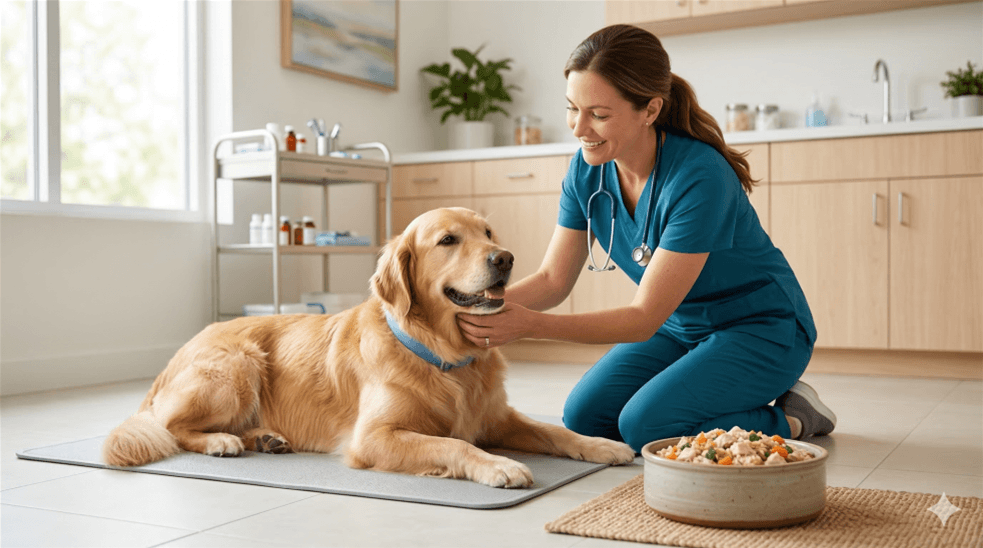
Nutrition is a powerful yet often underutilized clinical tool, particularly for patients experiencing pain, inflammation, or recovery challenges. This course explores how fresh food diets, when used appropriately, can support healing, comfort, and overall well-being. Learners will gain practical guidance on indications and contraindications, safe transition strategies, and team-based implementation of feeding protocols in real veterinary settings. Grounded in evidence-based nutrition and aligned with Fear Free principles, this course equips veterinary professionals with clear, actionable tools to support patient comfort and clinical outcomes through mealtime decisions.

Cooperative care is more than a set of techniques—it’s a philosophy of partnership that empowers veterinary teams, clients, and patients alike. This course equips veterinary professionals with practical strategies to reduce Fear, Anxiety, and Stress (FAS) during routine and advanced procedures. Through real-world examples and step-by-step guidance, learners will explore how to apply cooperative care methods such as desensitization, counter-conditioning, and low-stress handling in the clinical and home settings to improve animal and staff welfare during veterinary care. Emphasis is placed on recognizing and interpreting subtle behavioral cues, adjusting handling techniques to support patient comfort, offering choice to the animal, and engaging clients in strategies that reinforce care at home.

Preventive care is one of the most powerful ways we can support lifelong health in pets. From routine exams and diagnostics to dental care and parasite prevention, these proactive steps help us catch concerns early and improve outcomes.

But for many pets, “preventive care” does not feel preventive at all. It can feel stressful, unfamiliar, and even frightening.

What if we could change that?

At Fear Free, we believe prevention should not just protect physical health, it should also support emotional wellbeing. When done thoughtfully, preventive care can feel safe, positive, and even rewarding for pets, clients, and veterinary teams alike.

Start Before the Visit Even Begins

A Fear Free approach to prevention starts at home. Preparing pets before they ever enter the clinic can dramatically reduce fear, anxiety, and stress.

Encourage pet parents to:

  • Use positive reinforcement to build comfort with carriers, car rides, and handling
  • Practice gentle exam-like interactions, such as looking at ears, paws, and mouth
  • Consider pre-visit pharmaceuticals or calming aids when appropriate
  • Bring familiar items like blankets, toys, or treats to the appointment

When pets arrive already feeling more secure, the entire experience shifts

Create a Calm and Predictable Experience

Inside the clinic, small adjustments can make a big difference.

Preventive visits should prioritize:

  • Non-slip surfaces and comfortable positioning
  • Minimal restraint and gentle handling techniques
  • Quiet spaces and reduced wait times whenever possible
  • Reading body language and allowing breaks when needed

When pets feel a sense of control and safety, they are far more likely to cooperate and recover quickly from the experience.

Pair Care with Positive Experiences

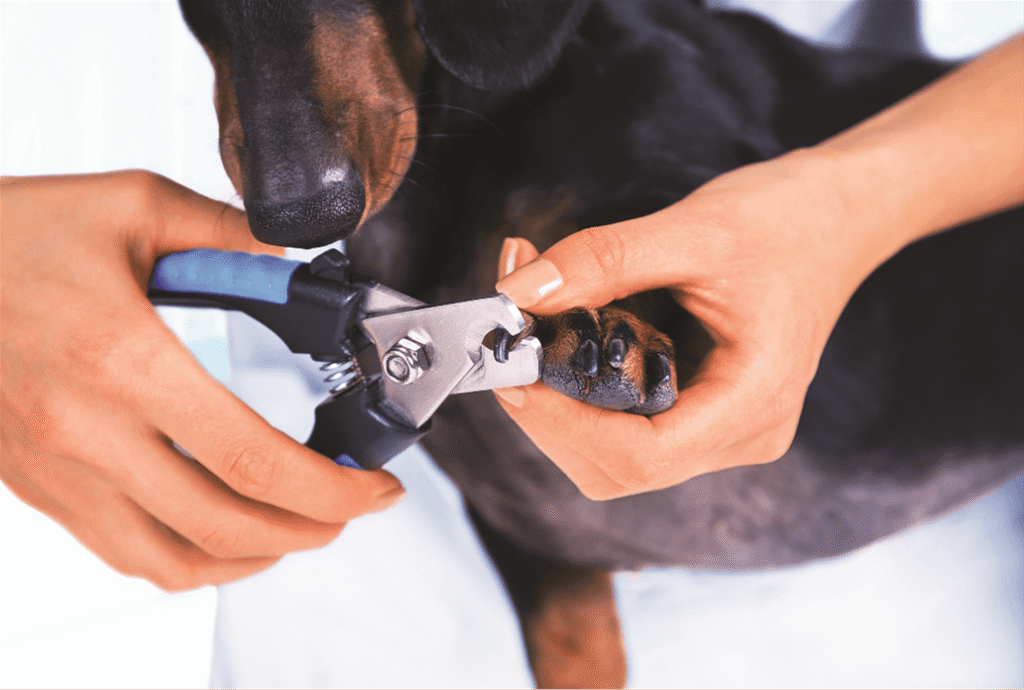
Preventive care often includes procedures that can be uncomfortable or unfamiliar, such as blood draws, nail trims, or imaging.

A Fear Free approach means:

  • Breaking procedures into smaller, manageable steps
  • Using cooperative care techniques to build participation
  • Adjusting timing or approach based on the pet’s emotional state
  • Prioritizing emotional safety alongside medical goals and determining “needs” vs. “wants” – what must happen today for the health and safety of the pet compared to what we would like to accomplish (a diagnostic radiograph vs. a nail trim)

Sometimes, slowing down actually leads to better outcomes, both medically and behaviorally.

Support the Human-Animal Bond

When pets have positive preventive care experiences, it does more than reduce stress in the moment. It strengthens trust.

Pet parents feel more confident bringing their pets in for care. Veterinary teams can perform more thorough exams. And pets learn that handling and treatment do not have to be scary.

This creates a ripple effect that supports long-term health, compliance, and overall wellbeing.

Prevention, Reimagined

Preventive care is not just about avoiding disease, it is about creating a foundation for a lifetime of positive experiences.

By integrating Fear Free principles into every step of the process, we can transform prevention from something pets endure into something they can comfortably navigate.

Because when prevention feels like a treat, everyone benefits.

Trust is essential in every veterinary interaction, influencing relationships with your team, clients, and patients while enhancing communication, reducing stress, and promoting positive outcomes.

Join us along with Angela Logsdon, LVT, RVT, CVT, ABCDT, CCFP, FFCP-V, for a one-hour webinar and discover how veterinary teams can use behavior and body language to strengthen trust throughout the clinic.