Blog Archives

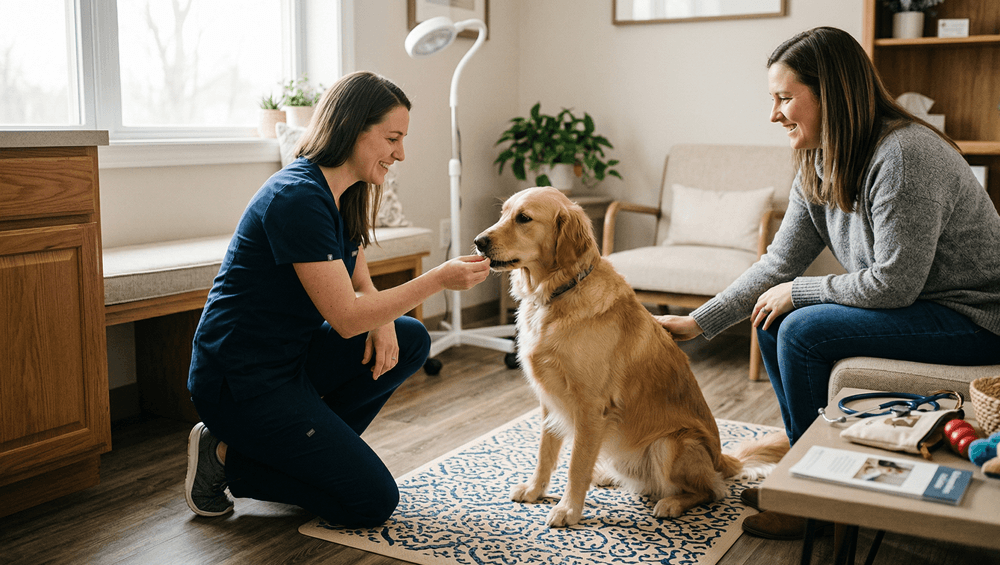
Mindful Veterinary Practice: Reducing Stress for Teams and Patients is a practical, science-based course designed to help veterinary professionals recognize, manage, and reduce stress in themselves, their teams, and their patients. Through an integrated Fear Free approach, learners explore how stress shows up across people, animals, environments, and workflows, and how mindfulness and lifestyle medicine principles can be applied in real clinical settings.
This course combines neuroscience, behavioral awareness, and actionable tools to support emotional regulation, improve patient cooperation, and foster a calmer, more resilient clinic culture. Learners gain practical strategies they can use immediately, from recognizing early stress signals and preventing escalation, to creating sensory-friendly environments and embedding mindfulness into daily workflows. The result is safer handling, stronger teamwork, improved well-being, and more compassionate patient care.

Veterinary professionals regularly face stressful and emotionally charged situations, which can contribute to burnout, compassion fatigue, and reduced quality of care. This course introduces five practical “60-second stress resets” that can be performed anytime, anywhere, without equipment. Learners will explore the science behind micro-resets, practice each technique, and identify opportunities to apply them in real clinical situations.

This micro-course supports individual well-being, enhances team resilience, and helps maintain patient-centered care by teaching veterinary professionals how to pause, reset, and sustain focus throughout their shifts.

A Fear Free® Approach to Supporting Your Team, Your Patients, and Yourself 

A new year brings fresh opportunities to reset routines, strengthen your team culture, and make every patient visit a little calmer. Whether your goal is smoother appointments, a happier team, or simply fewer stressful moments in the day, small, consistent changes can make a big difference. Here are five simple, high-impact ways to reduce stress in your practice in 2026, grounded in Fear Free principles and real-world clinic workflows. 

1. Start Every Day with a Quick Team Reset 

Before the first appointment, take two minutes for a team check-in. 
This can be as simple as: 

  • Sharing the day’s patient list and identifying animals who may need extra support 
  • Making sure everyone knows their role for each appointment 
  • Calling out one positive thing from yesterday’s cases 

These micro-resets help everyone walk into the day aligned, calm, and ready to create low-stress experiences from the very beginning. 

2. Refresh Your Clinic’s Low-Stress Environment 

Environment sets the tone, for both pets and people. Choose one small upgrade this month, such as: 

  • Adding soft mats or nonslip surfaces in exam rooms 
  • Refreshing pheromone diffusers 
  • Creating a dedicated “quiet space” for sensitive patients 
  • Reducing clutter or noise in high-traffic areas 

Tiny improvements, especially when done consistently, can significantly decrease Fear, Anxiety, and Stress (FAS) for patients and help the team feel more in control. 

3. Choose One Handling Habit to Improve This Month 

Handling habits shape clinical flow more than we realize. In January, have the whole team pick one Fear Free handling habit to practice daily, such as: 

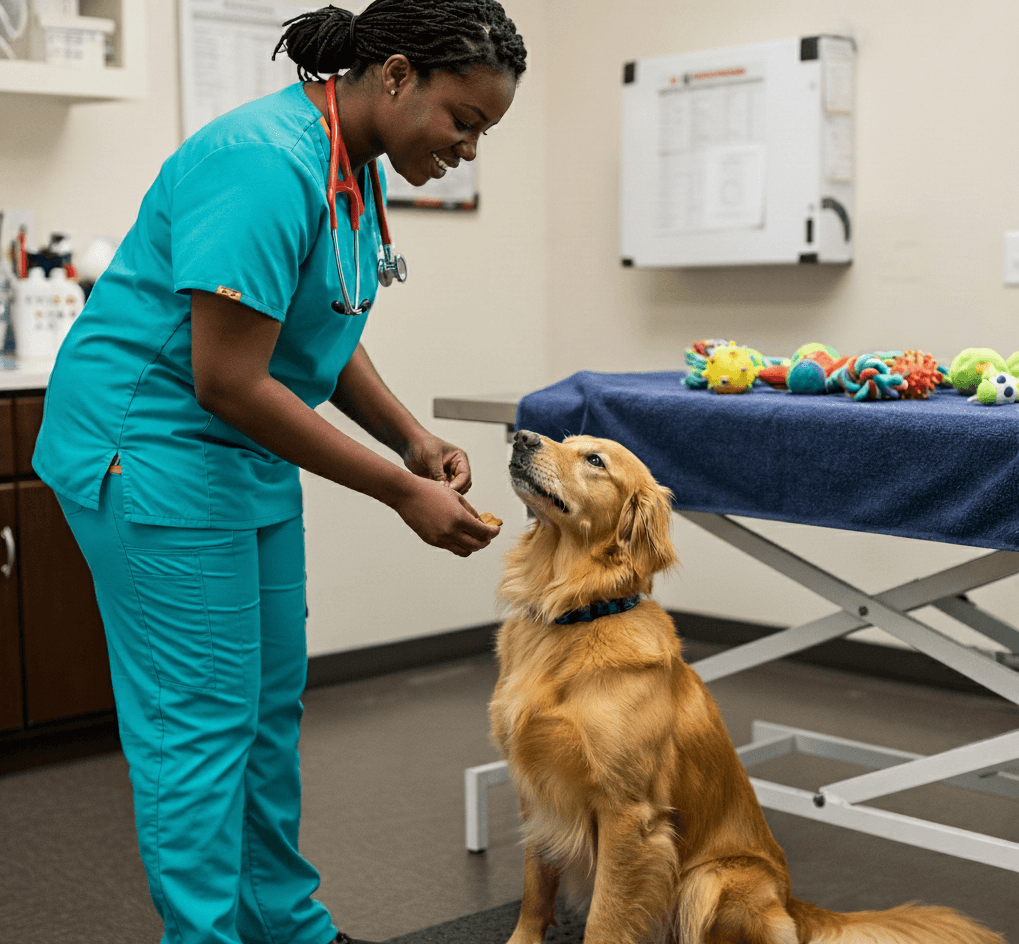
  • Using treats proactively, not reactively 
  • Letting pets approach on their own terms 
  • Practicing “touch gradients” to prepare for exam steps 
  • Choosing considerate positioning over forceful restraint 

A single consistent habit can make exams smoother, shorten appointment times, and reduce the need for escalated restraint or sedation. 

4. Implement a Stress-Light Triage in Your Workflow 

Adding a quick “stress check” at intake helps the whole day run better. Train front-desk and tech teams to note: 

  • Visible signs of FAS 
  • Patient history of fear or aggression 
  • Possible triggers (e.g., scale, other animals, car rides) 
  • Opportunities for support (pre-visit pharmaceuticals, treats, longer appointment time) 

This tiny step allows you to prepare thoughtfully before the pet enters the exam room, improving safety, efficiency, and emotional wellbeing. 

5. Commit to One Team Wellness Ritual 

A calmer clinic starts with a supported team. Choose one simple ritual to carry through 2026: 

  • A weekly 60-Second Stress Reset together 
  • Mid-day hydration reminders 
  • A “no lunch interruption” policy 
  • A rotating positivity board (gratitude, wins from the week, shout-outs) 

When team members feel cared for, they’re more present, more patient, and more equipped to provide Fear Free care. 

Start the Year Stress-Free, Stay the Course 

Reducing stress in practice doesn’t have to be overwhelming. By focusing on small, intentional changes, your clinic can build momentum and create a calmer, more supportive environment for everyone—pets, clients, and team members alike. 

If your practice is looking for more hands-on tools, tips, or training to support a Fear Free start to 2026, explore our upcoming webinars, microlearning sessions, and monthly resources. 

Ready to take stress reduction even further?  Check out our Fear Free for Humans course and gain practical tools for managing workplace stress, building resilience, and supporting your own wellbeing. 

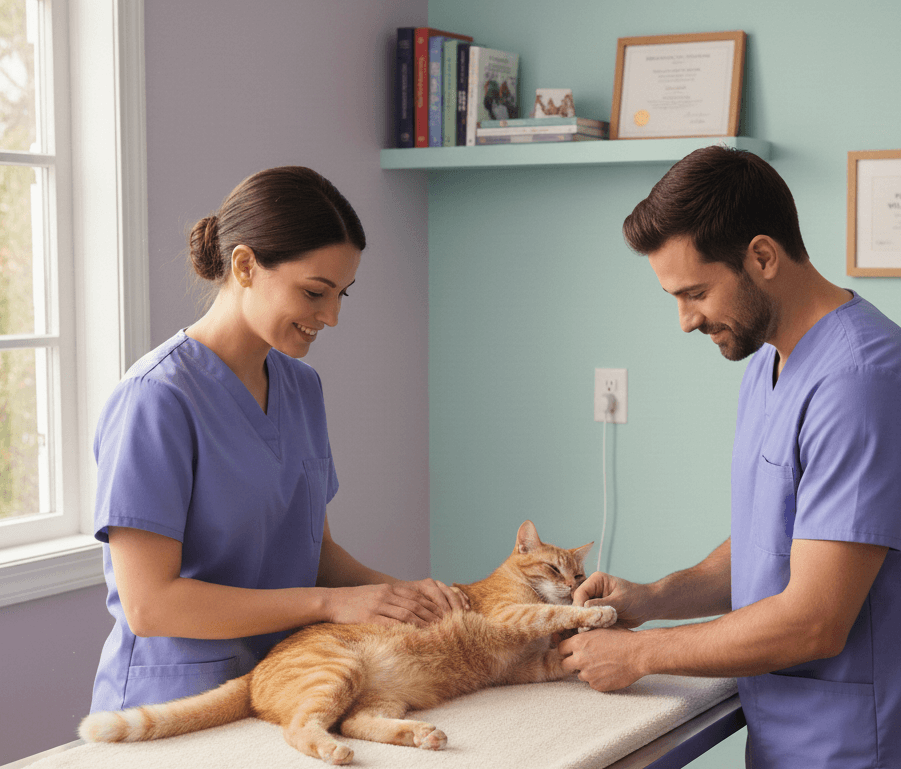
This course introduces veterinary professionals to the Fear Free approach specifically tailored for feline patients. Through a series of focused lessons, learners will explore communication strategies, considerate handling techniques, touch gradients, appropriate use of rewards, and gentle control methods. Practical scenarios and case studies will help reinforce strategies for reducing fear, anxiety, and stress (FAS) in cats during veterinary visits. Learners will leave equipped with the knowledge and resources to integrate cooperative care into daily workflows, creating a better experience for cats, clients, and veterinary teams.

In Fear Free veterinary care, reducing fear, anxiety, and stress (FAS) isn’t just about treats and gentle handling—it also means recognizing when sedation is the kindest choice. From radiographs to grooming, procedural sedation and analgesia (PSA) can enhance safety, reduce FAS, and create a better experience for everyone involved.
​​​​​​​
Join us for a webinar with Kate Lafferty, BFA, RLAT, CVT, VTS (Anesthesia & Analgesia), FFCP-V, for a deep dive into sedation strategies that support both patient comfort and team success. This webinar is ideal for veterinary professionals looking to strengthen their sedation protocols while upholding Fear Free principles.

There are many training philosophies and certifications in the animal behavior world, which can make understanding the options both interesting and complex.

Join us for a dynamic panel discussion with trusted veterinary and training experts as we explore what sets Fear Free Certified Animal Trainers apart, clarify common training terms, and share how to confidently navigate the wide world of training approaches.

Food or toy distractions can be an exceptionally useful tool in Fear Free. But they must be used appropriately, and in the correct situations, to ensure they actually decrease or prevent FAS, rather than inadvertently make things worse.

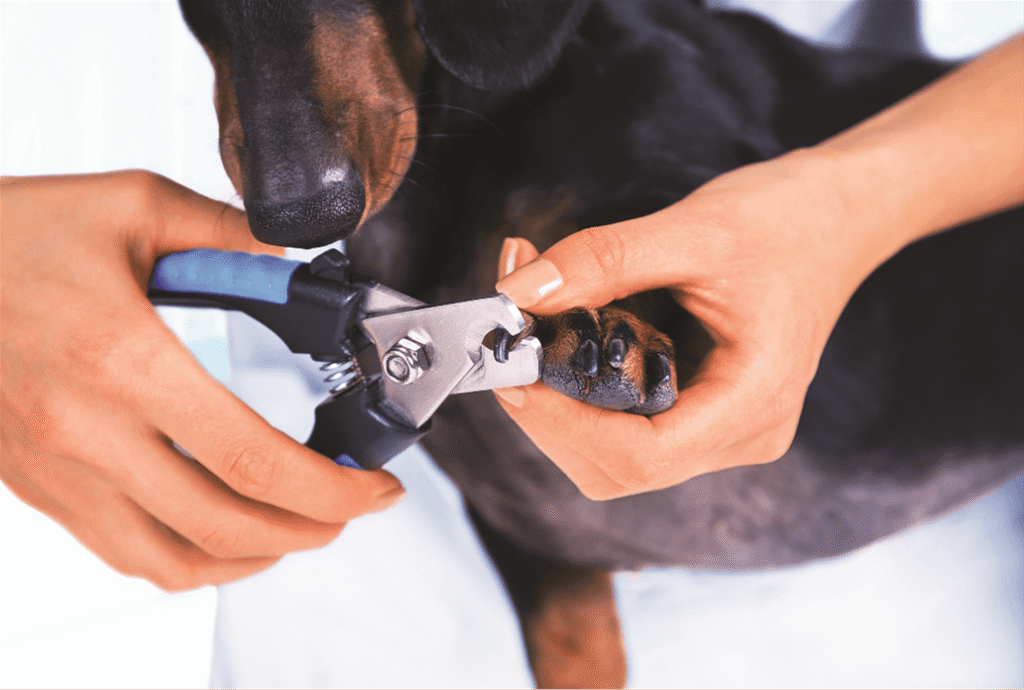
This one-hour course will empower you to know when to use distractions (and when not to use them), how to properly implement them, and what to do “in the moment.” Through several video examples and scenarios such as nail trims and vaccines, you will learn what to do “in the moment” as well.

This course, approved for 1 RACE CE hour, was written by Monique Feyrecilde, LVT, VTS (Behavior)

Lesson 1: Introduction to the distraction method
Lesson 2: Types of distractions
Lesson 3: Appropriate times to use distraction
Lesson 4: How to implement distractions
Lesson 5 & 6: When and why a distraction may not be appropriate
Lesson 7: Examples of appropriate use of distractions
Lesson 8: Alternatives to the use of distractions

1 RACE CE hour

Creating a high-quality end-of-life period is a critical aspect of veterinary practice. Although we can’t prevent the inevitable passing of a beloved pet, we can advocate for patient comfort and support pet parents through end-of-life care decisions. Fear Free Certified® Professionals are uniquely qualified to help pets with terminal and progressive diseases overcome not only physical barriers to increased life quality but also emotional and behavioral impacts. Here, we discuss best practices to improve quality of life (QOL) during a pet’s last days.

Assessment and Planning

Effective end-of-life care begins with a thorough patient assessment and history to evaluate the pet’s current QOL, establish management goals, and develop a treatment plan in partnership with the pet owner. Many physical, emotional, and social factors contribute to patient comfort and wellbeing, with each weighted differently for individual pets. A professional QOL scale provides clients and the veterinary team with an objective measurement tool to track disease progression and QOL changes, facilitating discussions about palliative care or euthanasia.

Palliative and Hospice Care

Palliative and hospice care focus on reducing the impact of disease symptoms, improving comfort when a cure is unlikely, and supporting pet families during a pet’s final days. Many hospice caregivers provide in-home services, which can help reduce stress levels and give the family more time with the pet. Hospice care often culminates in euthanasia or a medically assisted natural death.

Supporting Quality of Life

End-of-life care should focus primarily on implementing strategies to manage pet comfort. Pet professionals should consider the following QOL assessment categories to develop effective interventions:

  • Happiness — Increase pet happiness by modifying activities they once enjoyed and continuing to provide enjoyable social interactions and play.
  • Mental state — Pets experiencing pain, cognitive decline, or other effects of chronic illness may also suffer from fear, anxiety, and stress that impacts life quality. Address behavioral changes with medications, supplements, training, calming aids, and household management.
  • Pain — Uncontrolled pain is the hallmark of reduced QOL. Address pain early and aggressively, emphasizing the importance of pain control to clients. Medications, rehabilitation, and alternative treatments are viable options.
  • Appetite — Consider appetite stimulants, antiemetics, and high-energy diets for pets dealing with anorexia or weight loss.
  • Hygiene — Pets unable to stay clean are uncomfortable and at risk for skin infections. Work with clients to find solutions that are not overly burdensome, such as bathing, diapers or belly bands, or medications to control urinary and GI conditions.
  • Hydration — At-home subcutaneous fluids are an excellent solution for keeping chronically ill pets hydrated when they are unable or unwilling to drink enough water.
  • Mobility — Poor mobility can limit a dog’s ability to interact with the world around them. Address mobility by selecting safe pain and anti-inflammatory medications and by modifying the home environment with rugs or runners to provide traction. Support harnesses and carts may also be appropriate.

Client Support

Open and empathetic communication with pet owners is essential during the end-of-life period. Veterinary professionals should provide education about the pet’s condition, prognosis, and care options and remain open-minded and non-judgemental during discussions. End-of-life care can take a physical, emotional, and financial toll on clients. Offering simple treatment regimens with the most bang for their buck can reduce the caregiving burden and prevent breakdowns in the human-animal bond.

With a compassionate approach, veterinary professionals can provide exceptional care and QOL during a pet’s final days. The Dechra Quality of Life Survey helps veterinary professionals and pet owners take a step back to objectively assess the pet’s current state and track changes over time. We encourage pet professionals to share the survey with clients and use their answers to discuss treatments and guide decision-making.

For pets facing a lymphoma diagnosis or relapse whose owners cannot or do not wish to pursue chemotherapy, consider Laverdia, an oral drug designed to target cancer cells and spare healthy ones to prolong time to progression (TTP) in canine lymphoma. Learn more about Laverdia here.

This article was reviewed/edited by board-certified veterinary behaviorist Dr. Kenneth Martin and/or veterinary technician specialist in behavior Debbie Martin, LVT.

Want to learn more about Fear Free? Sign up for our newsletter to stay in the loop on upcoming events, specials, courses, and more by clicking here.

Brought to you by our friends at Dechra.