Blog Archives

There are many training philosophies and certifications in the animal behavior world, which can make understanding the options both interesting and complex.

Join us for a dynamic panel discussion with trusted veterinary and training experts as we explore what sets Fear Free Certified Animal Trainers apart, clarify common training terms, and share how to confidently navigate the wide world of training approaches.

Food or toy distractions can be an exceptionally useful tool in Fear Free. But they must be used appropriately, and in the correct situations, to ensure they actually decrease or prevent FAS, rather than inadvertently make things worse.

This one-hour course will empower you to know when to use distractions (and when not to use them), how to properly implement them, and what to do “in the moment.” Through several video examples and scenarios such as nail trims and vaccines, you will learn what to do “in the moment” as well.

This course, approved for 1 RACE CE hour, was written by Monique Feyrecilde, LVT, VTS (Behavior)

Lesson 1: Introduction to the distraction method
Lesson 2: Types of distractions
Lesson 3: Appropriate times to use distraction
Lesson 4: How to implement distractions
Lesson 5 & 6: When and why a distraction may not be appropriate
Lesson 7: Examples of appropriate use of distractions
Lesson 8: Alternatives to the use of distractions

1 RACE CE hour

EFear, anxiety, and stress can make veterinary visits challenging for both pets and their owners. Our What’s a PVP? handout helps pet parents understand how Pre-Visit Pharmaceuticals (PVPs) can reduce fear and create a calmer, more positive experience at the vet. Share this resource with your clients to help them feel confident in supporting their pet’s emotional wellbeing.

Want to provide even more guidance? Share this expert blog with your clients for additional insights on how PVPs can help pets feel safer and more comfortable at the vet.

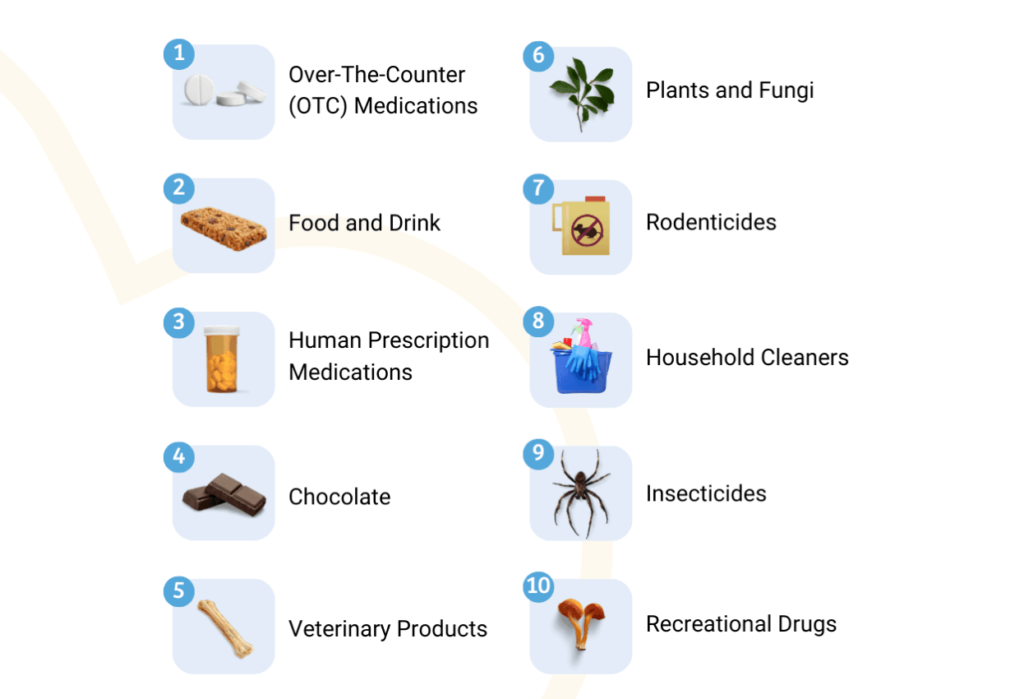
Each year, the ASPCA Animal Poison Control Center (APCC) analyzes nationwide data on toxic exposures in pets. In 2024, the APCC received over 365,000 calls related to toxic substances, highlighting the most common risks encountered by dogs and cats. This handout provides professionals with essential insights into these top toxins, helping you educate clients, prevent toxic exposures, and ensure prompt, effective treatment when needed.

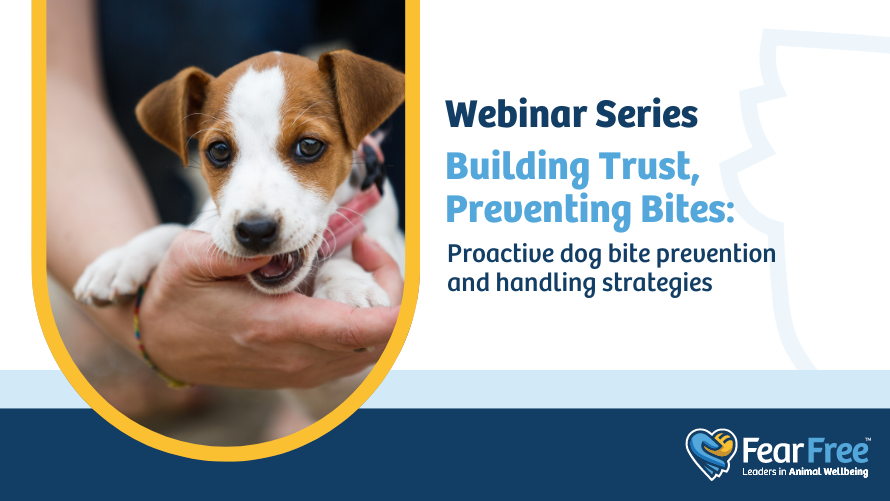
Building Trust, Preventing Bites: Proactive dog bite prevention and handling strategies

Join us as we explore how being proactive, rather than reactive, can significantly enhance workplace safety and foster a harmonious environment for both humans and pets. Discover practical techniques and approaches to mitigate potential aggression and create a happier, safer workplace for everyone involved.

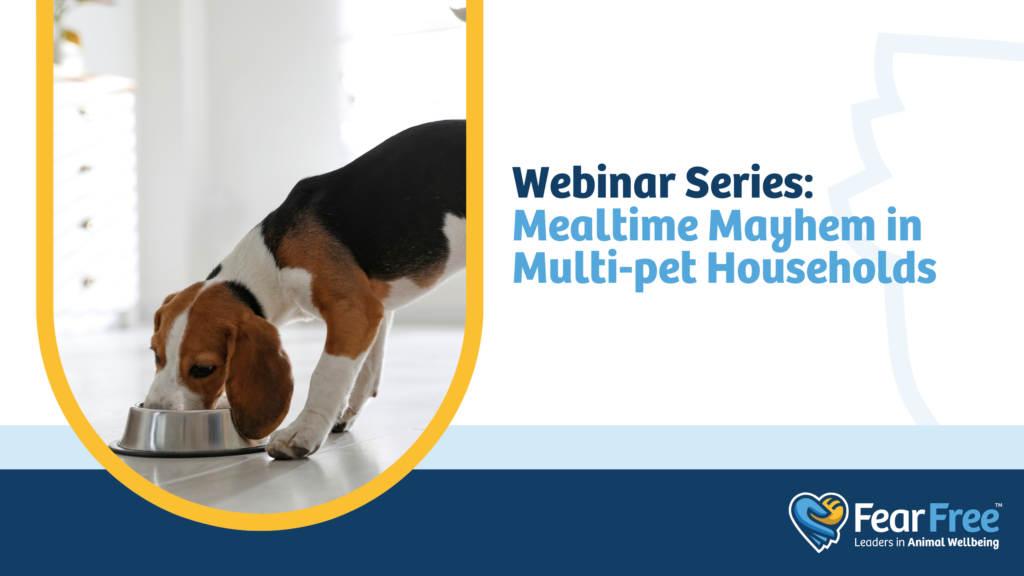
Mealtime Mayhem in Multipet Households

Does mealtime feel frenzied or nerve-wracking when caring for multiple pets in the same household? It’s not uncommon for pet professionals, and even pet parents themselves, to feel frazzled or even anxious during these moments, but have you also considered how the pets might be feeling in the frenzy?

Press Pause on the Parvo Panic!

Preventing a case from becoming an outbreak; Parvo is a widespread issue, despite effective vaccination protocols. Dogs and puppies who enter shelters often have little to no protection, and are vulnerable to parvo’s devastating effects. For veterinary professionals working in shelters, a parvo outbreak is a constant threat. Join Fear Free Certified® Veterinarian, Dr. Brian DiGangi, DVM, MS, DABVP (Canine and Feline Practice, Shelter Medicine Practice), Elite FFCP, as he discusses how to prevent a parvo outbreak in a shelter setting. In this webinar, we will: Discuss resources needed to manage canine parvovirus in shelters with respect to Fear Free principles Identify gaps in preventive care and biosecurity that increase parvo risk Understand the impact of treatment options on disease course and fear, anxiety, stress, and frustration

Brought to you by our friends at Elanco.

Fear Free Spaces: Designing your Fear Free Environment

Do you want to create a space that better reduces fear, anxiety, and stress (FAS) in pets? Join us as Roger Layman, Elite FFCP, AIA, NCARB, discusses how Fear Free can enhance your clinic or shelter design, whether you are rearranging, remodeling, or building a brand new space. A new building or remodel provides the perfect opportunity to interweave FAS-reducing design into your plans, but your current space can also be reimagined to reduce FAS. Register now to learn how to create a safe and serene space for pets, pet parents, and your team!

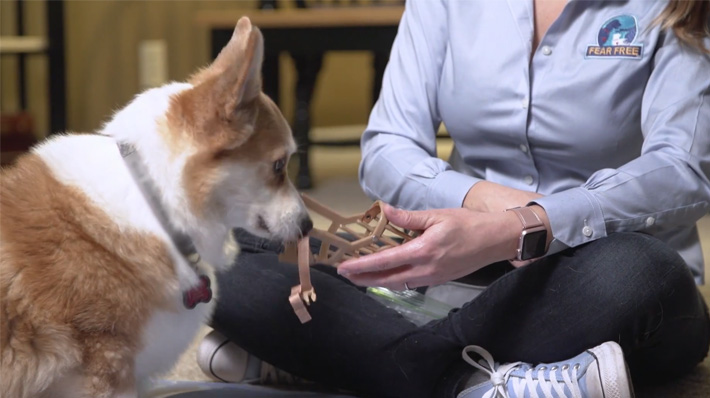
Muzzle training is essential training for a new dog. Creating comfort and ease with wearing a muzzle can help build confidence and make treatments easier for both you and the dog. Mikkel Becker, CBCC-KA, KPA CTP, CDBC, CPDT-KA, CTC, and Debbie Martin RVT, CPDT-KA, KPA CTP, VTS (Behavior), will show you how to safely and effectively muzzle train.

You must be a Fear Free member and logged in to view this webinar

Fear Free Practice Certification:
Are you looking to take Fear Free to the next level at your practice? Interested in learning how the practice certification process works, what your practice needs to be eligible, and how it can benefit you and your patients? Curious about creating a more positive work environment and team culture? Join Dr Jennifer Merlo, Director of Veterinary Affairs, and hospital as we discuss all things Practice Certification. Come armed with questions about the process, benefits, and how to get started!