 By Shepherd Veterinary Software
Fear, anxiety, and stress (FAS) are not exclusive to our veterinary patients. For some practice owners, the mere thought of switching to a cloud-based software triggers a similar negative spiral. Fear of change can prevent them from appreciating how a serverless system could optimize their workflow and support future practice growth.
Like any fear, apprehension about changing software is best conquered with knowledge. Let Shepherd Veterinary Software address the most common fears and stressors. Learn about the comfort and peace of mind that comes with being in the cloud.
Fear: Data migration will be an enormous hassle
This is perhaps the biggest concern among veterinary practice owners and managers—for good reason. In the past, transferring inventory and patient records was painstakingly inefficient, not only because of data loss during the transfer, but also due to the financial loss from closing the practice during the process.
Reality: Modern cloud-based veterinary practice management systems (PIMS) such as Shepherd Veterinary Software provide step-by-step assistance that streamlines the data migration process. Shepherd’s experienced team understands the implications of switching from server to cloud-based software and provides a wealth of resources and advice to ease the transition and help you anticipate and minimize potential challenges.
Anxiety: My team will struggle to learn the new system and be less productive
No matter how inefficient or frustrating your current PIMS, most team members will find switching to a new, entirely unfamiliar software daunting.
Reality: Modern software options have intuitive, user-friendly designs that reduce errors and increase productivity for all skill levels. With the help of self-paced training modules, ongoing software support, and skill-building resources, most veterinary staff can feel confident using a new PIMS like Shepherd in as little as a few hours. And, if the team hits a snag during the learning process, Shepherd’s support team is only a call or click away.
Stress: My practice data will not be secure stored in the cloud
When it comes to practice data, on-site servers can provide practice owners with false peace of mind. A physical unit in your clinic or hospital may feel well protected, but server-based PIMS are often more vulnerable to cyber attacks and malware, not to mention physical threats such as fire and water damage.
Reality: Remote cloud-based storage safeguards your practice’s data through expert monitoring that will identify and address any threat. Automatic security updates and patches keep the system one step ahead of hackers and cyber threats, and automatic syncing ensures access to the latest patient and practice information. There’s also no costly downtime waiting for IT or the release of a system-wide update.
Fear: The benefits won’t be worth the effort
Cloud-based veterinary software is a significant investment of a practice’s finances and resources. It’s only natural to question its proposed benefits and value.
Reality: As veterinary teams quickly discover, serverless software delivers powerful, game-changing advantages that extend beyond practice management to elevate patient care, enhance the client experience, and shape future growth.
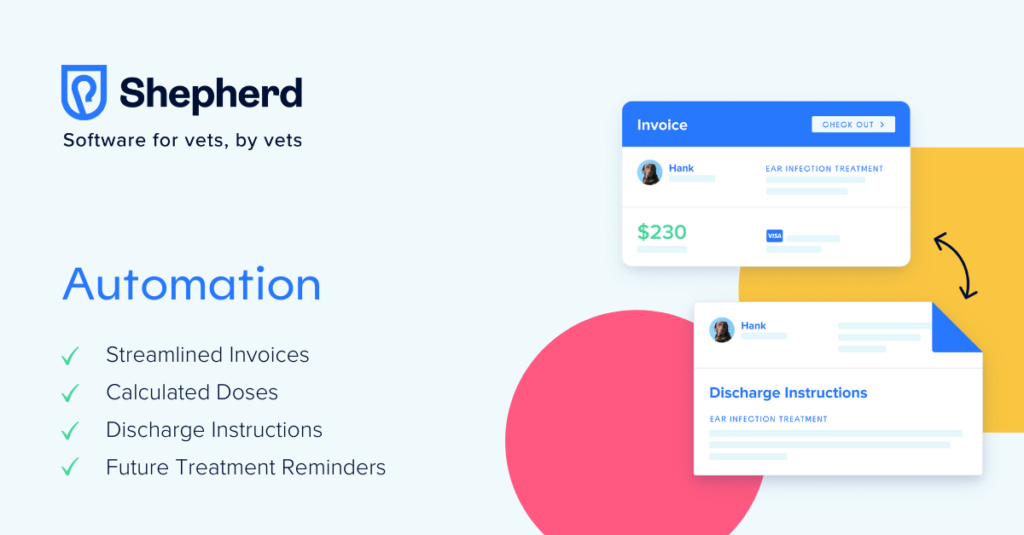
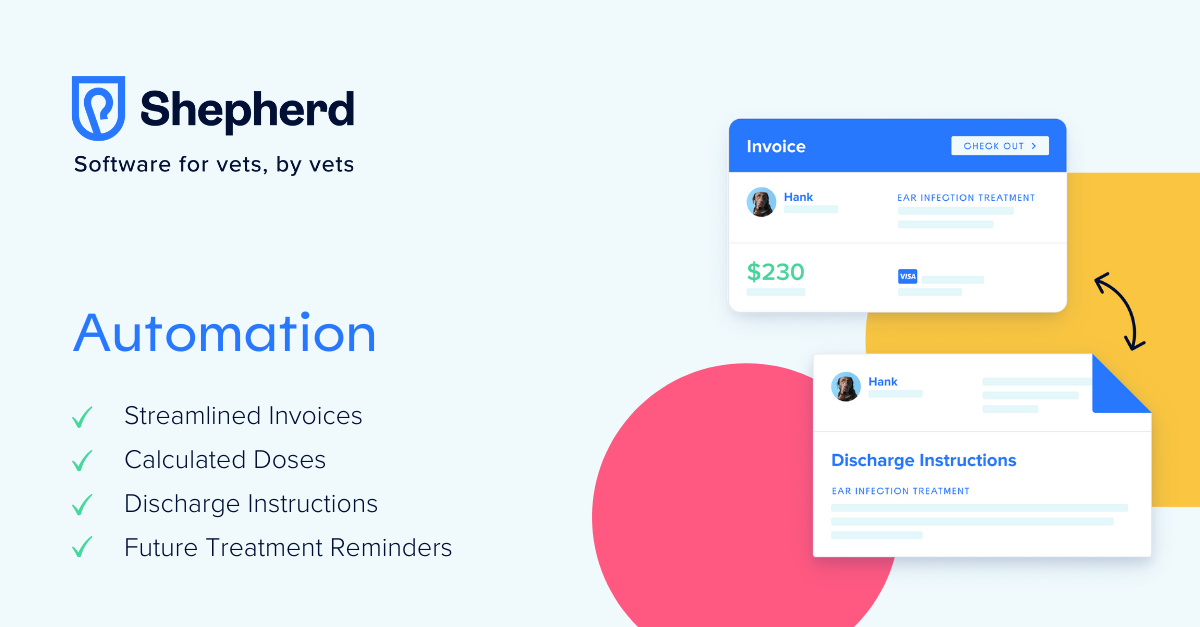
- Improved accuracy — Automated charge capture ensures consistency across all documents, including the patient chart, estimate, and invoice.
- Increased revenue — Smooth workflows and quick-fill SOAPs mean you can fit in more appointments and care for more patients without staying late.
- Easier oversight and case management — Remote access allows you to view the practice dashboard, inventory, and patient records from any location with an internet connection.
- More time to spend with patients and clients — Automated features and powerful integrations eliminate the need for time-consuming repetitive tasks so you can focus on patient care.
- Stronger client relationships — Enhanced communication tools, such as messaging and pet portals, help develop the veterinarian-client-patient bond.
- Better job satisfaction — Increased efficiency and smooth workflow put the joy back in veterinary medicine, resulting in a healthier practice culture.
Anxiety: Team members fear that remote access will blur the work-home boundary
Many professionals have discovered that working remotely has an unexpected downside—an “always available” mentality that erodes the work-home life boundary. As a result, some practice owners and veterinary team members may hesitate to embrace remotely accessible cloud-based PIMS. They fear that because of the flexible software, they will be pressured to always be available.
Reality: Remote access can re-envision rather than add to the workload. It allows veterinarians and practice leaders to check in on daily operations, review the schedule, answer questions about a specific case, and take much-needed breaks without losing touch—or control—of the practice.
Stress: Clients won’t understand the change, especially if service is disrupted
Successful software transitions rely on careful planning. It’s important to notify clients as early as possible about anticipated schedule changes or closures. Instead of explaining that your practice is “changing software,” talk in terms of client benefits (e.g., better communication, reduced wait times, simplified check-in).
Reality: This change can build excitement! Upgrading your software demonstrates your practice’s commitment to exceptional client and patient service. With the right approach, you can help anxious clients understand that the temporary inconvenience will result in long-term gain.
Change is never easy, but the transition to cloud-based software is nothing to fear. Discover how veterinarian-designed Shepherd Veterinary Software can elevate your practice’s performance, increase efficiency, and help you rediscover the joy of veterinary medicine. Contact the Shepherd team to schedule a personalized demo and let your software-switching fears float away in the cloud.