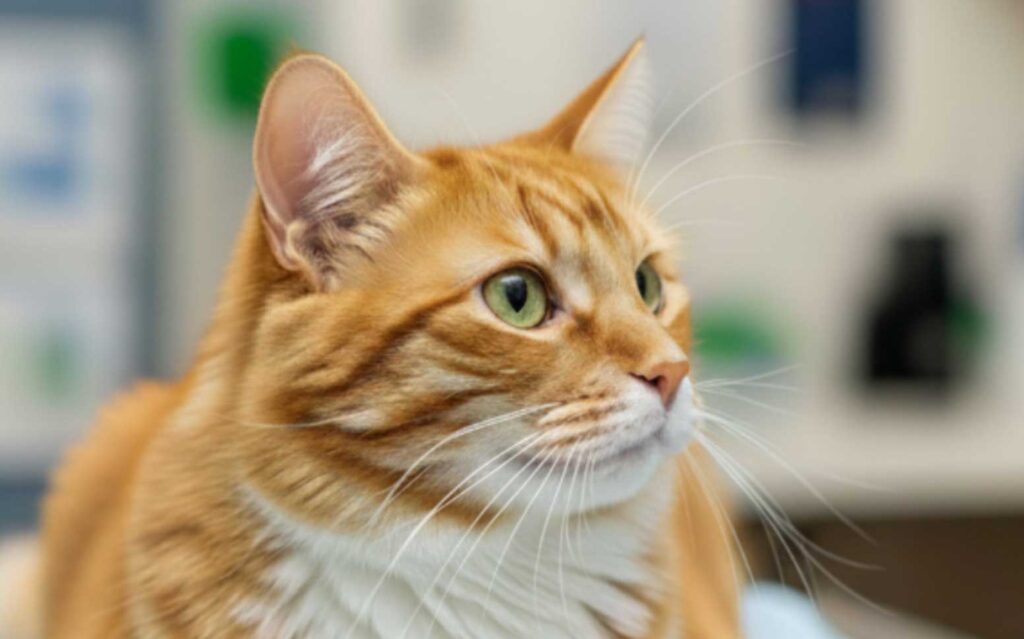
This course introduces veterinary professionals to the Fear Free approach specifically tailored for feline patients. Through a series of focused lessons, learners will explore communication strategies, considerate handling techniques, touch gradients, appropriate use of rewards, and gentle control methods. Practical scenarios and case studies will help reinforce strategies for reducing fear, anxiety, and stress (FAS) in cats during veterinary visits. Learners will leave equipped with the knowledge and resources to integrate cooperative care into daily workflows, creating a better experience for cats, clients, and veterinary teams.
Blog Archives

Pre-visit medications can transform a stressful appointment into a smooth, Fear Free experience—but only if clients understand and accept them. Communicating the “why” behind these tools can sometimes feel challenging, even for seasoned teams. Join us for a practical, case-based session with veterinary behaviorist Dr. Lisa Radosta as she shares communication strategies, empathy-driven approaches, and ready-to-use scripts that build trust and support client compliance.

In Fear Free veterinary care, reducing fear, anxiety, and stress (FAS) isn’t just about treats and gentle handling—it also means recognizing when sedation is the kindest choice. From radiographs to grooming, procedural sedation and analgesia (PSA) can enhance safety, reduce FAS, and create a better experience for everyone involved.
Join us for a webinar with Kate Lafferty, BFA, RLAT, CVT, VTS (Anesthesia & Analgesia), FFCP-V, for a deep dive into sedation strategies that support both patient comfort and team success. This webinar is ideal for veterinary professionals looking to strengthen their sedation protocols while upholding Fear Free principles.

Emotional wellbeing is essential to overall health for both the animals we care for and ourselves. Supporting our own mental and emotional health helps prevent burnout and compassion fatigue, allowing us to be more present, effective, and compassionate in our roles as pet professionals and and caregivers.
Join us for a webinar with Melyssa Allen, MA, NBC-HWC, DipACLM, as we explore the importance of stress management, social connection, and a positive mindset. We’ll discuss how these elements influence personal wellbeing and help create calmer, more supportive environments for the pets around us.

Physical wellbeing is the foundation for showing up as our best selves—both for the animals in our care and for each other. Just as we prioritize comfort and health for pets, it’s vital to extend that same level of care to ourselves to maintain energy, focus, and emotional resilience in veterinary and pet care environments.
Join us for a webinar with Melyssa Allen, MA, NBC-HWC, DipACLM, as we explore the six pillars of lifestyle medicine and their role in supporting wellbeing. We’ll focus on the core behaviors of nutrition, physical activity, and sleep, and how they influence not only our physical health but the quality of care we provide to pets every day.

Creating a high-performing, Fear Free–aligned team starts with a clear definition of success, strong leadership, and a thoughtful approach to change. In busy environments, setting the foundation for effective team dynamics can make all the difference in long-term success and staff wellbeing.
Join us for a webinar with Tori Williams, FFCP-V, Founder, Lemonade Coaching & Consulting, as we explore how to apply change management principles in clinical settings, define success collaboratively, and clarify leadership roles to support team alignment. You’ll walk away with practical tools to strengthen team culture and lead with purpose.

In this engaging 50-minute webinar, Dr. Natalie Marks will explore how the foundational principles of Fear Free can transform your clinic’s marketing approach. Designed specifically for veterinary professionals, this session offers practical strategies to help your team attract emotionally well patients and the pet parents who prioritize their wellbeing.
From refreshing your understanding of Fear Free fundamentals to building a client base that aligns with your practice values, you’ll walk away with actionable insights to strengthen your messaging, enhance your team’s confidence, and elevate the overall experience for pets and people alike.
This session is ideal for Fear Free Certified Professionals and those looking to integrate positive, purpose-driven marketing into everyday practice.

There are many training philosophies and certifications in the animal behavior world, which can make understanding the options both interesting and complex.
Join us for a dynamic panel discussion with trusted veterinary and training experts as we explore what sets Fear Free Certified Animal Trainers apart, clarify common training terms, and share how to confidently navigate the wide world of training approaches.

Food or toy distractions can be an exceptionally useful tool in Fear Free. But they must be used appropriately, and in the correct situations, to ensure they actually decrease or prevent FAS, rather than inadvertently make things worse.
This one-hour course will empower you to know when to use distractions (and when not to use them), how to properly implement them, and what to do “in the moment.” Through several video examples and scenarios such as nail trims and vaccines, you will learn what to do “in the moment” as well.
This course, approved for 1 RACE CE hour, was written by Monique Feyrecilde, LVT, VTS (Behavior)
Lesson 1: Introduction to the distraction method
Lesson 2: Types of distractions
Lesson 3: Appropriate times to use distraction
Lesson 4: How to implement distractions
Lesson 5 & 6: When and why a distraction may not be appropriate
Lesson 7: Examples of appropriate use of distractions
Lesson 8: Alternatives to the use of distractions
1 RACE CE hour