Blog Archives

Puppy Socialization: Running a Puppy Socialization Program in Your Practice

Normal or abnormal, all puppies can benefit from a puppy socialization program. Offering a puppy socialization program in your practice is a great way to have your clients bond with the practice, monitor puppy development, and ensure that clients get support during this critical period. In this final webinar in the puppy socialization series, Rachel Lees, RVT, KPA CTP, VTS (Behavior), reviews how to set up a program, tailor it to your practice, and support puppies who are “lemons” during their participation.

Puppy Socialization: Is This Puppy Normal or a “Lemon”?

Once you know what you are looking at and can identify puppies who are “lemons,” what do you do about them? In this webinar, Dr. Elizabeth Feltes, ACVB Resident in Private Practice, and Amanda Eick, RVT, KPA CTP, VTS (Behavior), cover options from pheromones to supplements to medications used to get these little lemons back on track and keep them in their homes. Find out how they approach these puppies during puppy consultations and what you can do in your hospital to improve the lives of everyone involved.

Sponsored by Ceva.

Crash, Boom, Bang! Addressing Noise Aversion in Dogs

It is estimated that a third of dogs suffer from some form of noise aversion. If you saw 12 dogs yesterday, four of them are likely to develop noise sensitivities in their lifetime. Not only can a fear of sounds be physiologically and emotionally damaging for dogs, but it can also strain the human-animal relationship. This session will provide you with strategies for how to approach, prevent, and treat sound sensitivities, including teaching desired coping skills. Sponsored by Zoetis.

Puppy Socialization: Is This Puppy Normal or a “Lemon”?

Ever wonder if the behaviors a client is describing are normal? What behaviors should your watch for that can tell you if a puppy is going to need more help? In this webinar, Dr. Elizabeth Feltes, ACVB Resident in Private Practice, and Amanda Eick, RVT, KPA CTP, VTS (Behavior), review normal puppy socialization and development and how to identify “lemons” who may show up in your practice. This presentation includes a review of body language in puppies using video and photos. Sponsored by Ceva.

Reducing Dog Bites by Understanding the Secret Language of Dogs

Dog bites and injury to veterinarians, staff, and pet professionals are often considered an occupational hazard. Many of the situations that may result in a dog bite can be prevented by understanding the language and emotions of dogs.

Celebrity dog trainer and author Victoria Stilwell discusses dog body language, behavior, and how to safely interact with dogs as part of National Dog Bite Prevention Week.

Stilwell is joined by State Farm Brand Specialist Heather Paul, who discusses dog bite insurance claims data for 2018, dog bite liability, and how the insurance company is working to reduce dog-related injuries as a member of the Dog Bite Prevention Coalition.

Sponsored by State Farm

Course Overview

In this module, we will review the signs and risk factors associated with infectious diseases in dogs and cats. We will cover how to minimize disease risk when training pets as well as how to properly disinfect and manage the training environment.

This module has been approved for 1.5 RACE CEU and 1 CEU from CCPDT, IAABC and KPA.

The one-hour course is only for trainers with renewal credits and costs 1 credit.

Lesson One: Common infectious diseases of dogs and cats

After completing this lesson, you will be able to:

  • Recognize possible signs for various types of infectious diseases in dogs and cats
  • List common modes of transmission

Lesson Two: Minimizing disease risk when training

At the end of this lesson, you will be able to:

  • Identify ways of minimizing the spread of disease in the training setting
  • Recognize the components of a clean environment and how to achieve it
  • Identify when to liaise with veterinary professionals over preventative health concerns

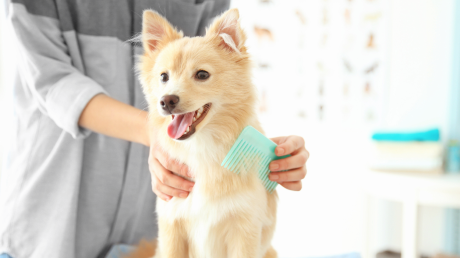
How many times have you seen an animal shy away from the blow dryer or the nail clippers? How about trembling in the bathtub? Many animals don’t necessarily enjoy having their feet handled, getting a haircut, or taking a bath. But there’s a lot that groomers can do to make those things more comfortable (and even fun!) for them.

The Fear Free Groomer Certification Program teaches you how to use Fear Free concepts to ensure that the grooming experience is as enjoyable as possible for every pet, every time. Step-by-step video clips and slides show you how to teach animals to love the grooming table, clippers, the bathtub, the blow dryer, grooming shears, the groomer’s loop, and more.

Whether it is the animal’s very first visit to the salon or they have already developed a fear, you can help them. You’ll learn how to recognize even the most subtle signs of stress, and you’ll be well equipped on how exactly you can help a pet who is feeling stressed.

You’ll learn how to set the salon environment up to help ensure Fear Free grooms, from the moment a pet enters the salon, throughout the groom, and until the moment they leave. This includes shop layout, sights, sounds, smells, entrances and exits, and more.

All this translates into happier pets, more frequent visits, and satisfied pet owners spreading the word about how much fun their dog or cat had at your salon. Decrease stress on you and the animals, and increase your revenue!

The purchase of the Fear Free Groomer Certification Program provides you with an annual membership for the program, which requires an annual renewal fee and completion of additional annual CE to maintain your membership.

This course has been approved by the PACCC for 5 CEU
|

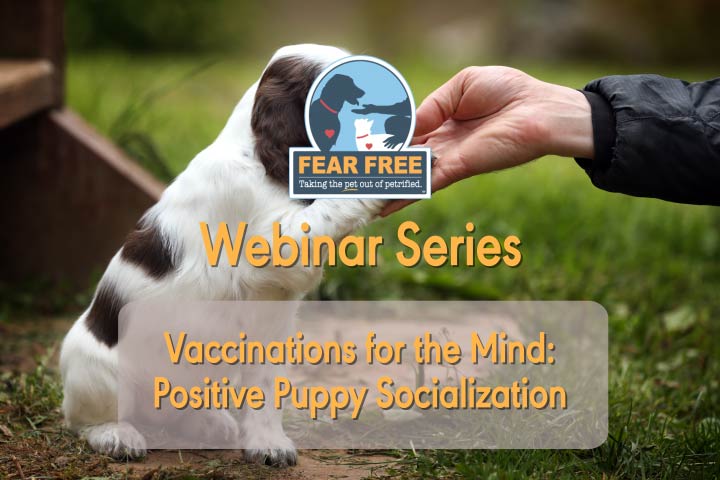
Vaccinations for the Mind: Positive Puppy Socialization

Monique Feyrecilde, CVT, VTS (Behavior)

Puppies should explore the world and the people with whom they share it. When clients bring home a puppy, they have a golden opportunity to protect their newest family member from fear and anxiety later in life. By making a positive puppy transition and socialization plan, owners can help puppies have a smooth and happy puppyhood, adolescence, and adulthood. In this Fear Free webinar, sponsored by Ceva, Monique Feyrecilde, CVT, VTS (Behavior) covers techniques, products, and client education to get puppies started off on the right paw; how early detection and intervention can help shy puppies blossom; and more. Sponsored by Ceva.

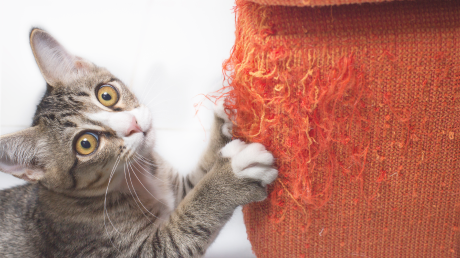
In this one-hour module, you will learn what natural functions scratching serves for cats; common owner responses to scratching and the problems associated with them; and the potential fallout from declawing cats. Most importantly, you’ll come away with several safe and effective alternative solutions to the problem of unwanted scratching, and a made-for-owners handout to help guide them in the right direction.

This module is open to all professionals that are already signed up for the certification program, and is RACE approved for 1 hours in the category of Scientific.

    Feline Destructive Scratching is divided into five lessons:

  • Lesson 1: Feline Scratching Defined (The Good)
  • Lesson 2: Scratching as a Problem for Owners (The Bad)
  • Lesson 3: Common Responses (The Ugly)
  • Lesson 4: Why Not Surgically Declaw Cats?
  • Lesson 5: Safe, Effective Alternatives to Declawing
While Fear Free can often seem as though it’s only about animals’ emotional wellbeing, Fear Free is passionate about the science of animal care as well. Gary Landsberg, DVM, DACVB, DECAWBM (CA), Head of Research at Fear Free, brings you behind the scenes to tell you how Fear Free is advancing research in the field of veterinary medicine.