Blog Archives

Fear Free Spaces: Designing your Fear Free Environment

Do you want to create a space that better reduces fear, anxiety, and stress (FAS) in pets? Join us as Roger Layman, Elite FFCP, AIA, NCARB, discusses how Fear Free can enhance your clinic or shelter design, whether you are rearranging, remodeling, or building a brand new space. A new building or remodel provides the perfect opportunity to interweave FAS-reducing design into your plans, but your current space can also be reimagined to reduce FAS. Register now to learn how to create a safe and serene space for pets, pet parents, and your team!

|

Course Overview

In many cases, focusing exclusively on physical health or on behavior limits our ability to foster overall well-being and achieve successful outcomes for animals. The goal of this course is to help you better understand these connections so that you can best serve animals and their people—whether you work in a veterinary or training environment.

In this course, we will discuss the intersections among physical health and behavior, the impacts of stress, and the connection among immune function, the microbiome, pain, and behavior. 

This course contains six lessons:

  • Lesson 1: Connections Between Physical Health and Behavior
  • Lesson 2: Stress Impacts, Cortisol, and Allostasis
  • Lesson 3: Immune Function and Behavior
  • Lesson 4: The Microbiome and Behavior
  • Lesson 5: How Pain Affects Behavior
  • Lesson 6: Collaboration Among Veterinary and Behavior Professionals

This course was written by Kristina Spaulding, PhD, CAAB and Amy Learn, VMD, DACVB, IAABC-CABC and is approved for ONE hour of RACE CE and ONE hour of IAABC CE.

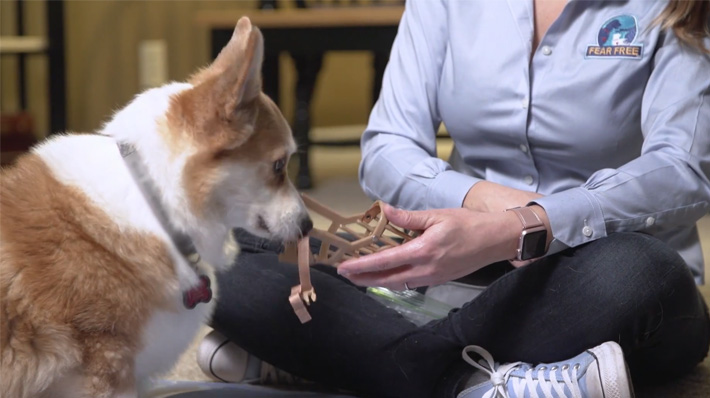
Muzzle training is essential training for a new dog. Creating comfort and ease with wearing a muzzle can help build confidence and make treatments easier for both you and the dog. Mikkel Becker, CBCC-KA, KPA CTP, CDBC, CPDT-KA, CTC, and Debbie Martin RVT, CPDT-KA, KPA CTP, VTS (Behavior), will show you how to safely and effectively muzzle train.

You must be a Fear Free member and logged in to view this webinar

By Dr. Natalie Marks, DVM, CVJ, Elite FFCPAs a practicing veterinarian and previous practice owner for more than two decades, I’ve witnessed quite a bit of evolution within our industry. There continue to be advances in diagnostic technologies, telemedicine, novel therapeutics for dermatology and osteoarthritis, and a dramatic shift from independent practice ownership to corporatization. However, one of the most important discoveries and initiatives has been the concept of Fear Free, the initiative dedicated to the physical and emotional health of our patients and clients through the reduction of fear, anxiety, and stress.

However, Fear Free is, and can be, more. It is a lifestyle and guide on how to practice and manage and educate. Client trust and compliance is key to a successful veterinary-client-patient relationship, and that’s difficult to achieve when fear, anxiety, and stress surround exam room interactions and associated communications. This is never more evident than when trying to manage wound care. The aftercare associated with an incision, a laceration repair, a skin lesion, or a superficial burn can be extensive and complicated, often with multiple medications, bandage care, an Elizabethan collar, and an incredibly stressed patient and pet parent. This negatively affects patient care and the veterinary team as frustrated pet parents call and email frequently, taking veterinary professionals away from patient care in hospital.

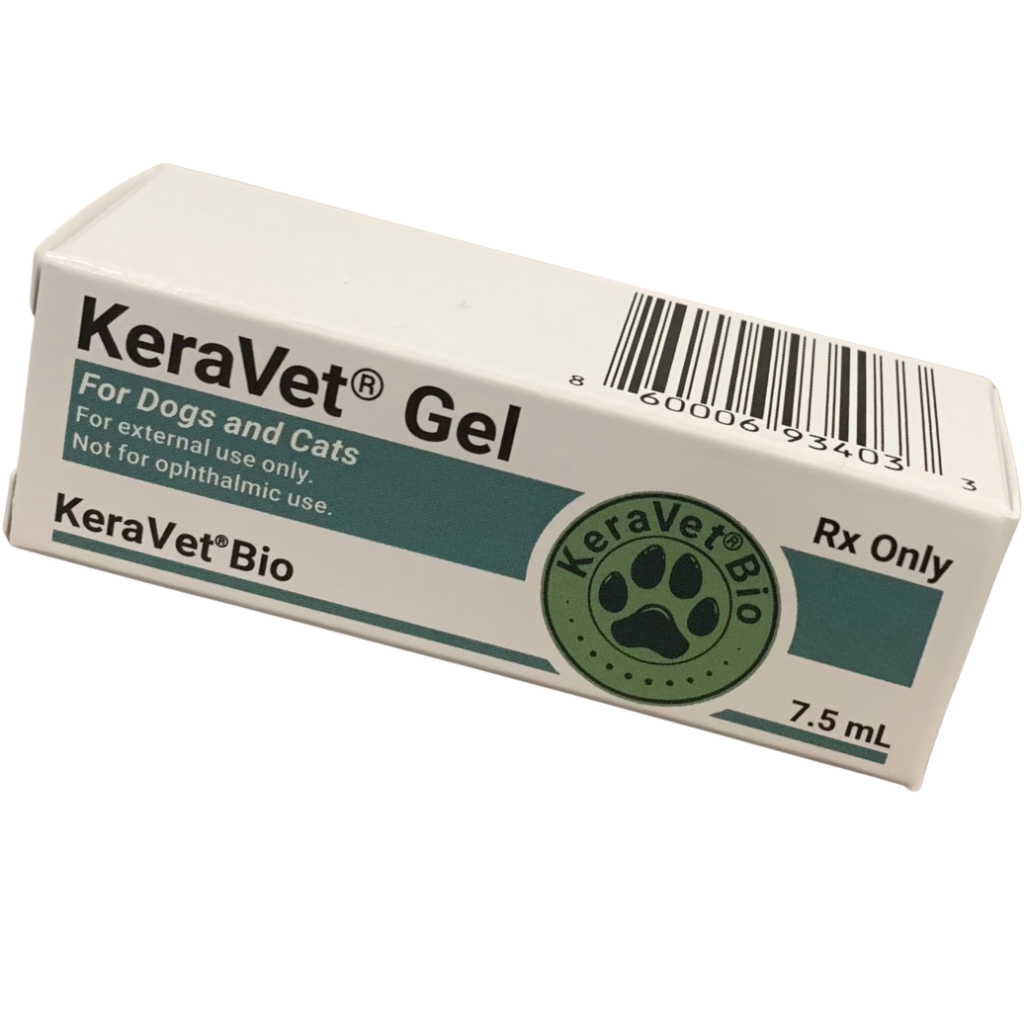
There’s now a single solution for improved wound healing for patients, reduction of the home care burden for pet parents, and preservation of emotional health for patient, pet parent, and the veterinary health care team. KeraVet® Gel is a first-of-its-kind wound care product.  As a scientist, safety and efficacy of any new product is top of mind.  I’ve been impressed with the initial studies with this product, which has a keratin-based patent-protected technology to promote a moist wound environment and barrier to the environment as well as a bitterant to deter licking behavior, enabling us to send a patient home without that collar that so often leads to increased stress for both the patient and our client. That said, it is important to note that there can be a risk to the human-animal bond when we frequently apply something to our pets that tastes unpleasant, and for some pets that can be more stressful than protective clothing, bandages, or an Elizabethan collar. Each animal is an individual and their needs should be taken into account when deciding on the best solution for wound healing.

In the right circumstances, though, this product can be a game changer. One of the tenets I lived by as a practice owner was “best medicine leads to best business.” Our clients want to see the value in the care they are investing in, that it’s convenient and safe, and that it addresses their family member’s physical and emotional health. When we choose to use KeraVet® gel, we give our clients a single effective solution addressing both of their needs, thus building trust and compliance, and strengthening the human-animal bond. These are the clients who return and refer and stay lifelong members of our hospitals.

This article was reviewed/edited by board-certified veterinary behaviorist Dr. Kenneth Martin and/or veterinary technician specialist in behavior Debbie Martin, LVT.

Natalie Marks is a veterinarian, consultant, educator, media expert, an advisor for KeraVet Bio, on the Executive Committee of VANE (Veterinary Angel Network), and an Elite Fear Free Certified Professional. She is passionate about working with colleagues and mentees and moving the needle forward with innovation with companies like KeraVet Bio. Learn more about Dr. Marks at marksdvmconsulting.com and KeraVet Bio at https://keravetbio.com/

Want to learn more about Fear Free? Sign up for our newsletter to stay in the loop on upcoming events, specials, courses, and more by clicking here.

[vc_single_image image=”3003425″]

By Shepherd Veterinary Software

Fear, anxiety, and stress (FAS) are not exclusive to our veterinary patients. For some practice owners, the mere thought of switching to a cloud-based software triggers a similar negative spiral. Fear of change can prevent them from appreciating how a serverless system could optimize their workflow and support future practice growth.

Like any fear, apprehension about changing software is best conquered with knowledge. Let Shepherd Veterinary Software address the most common fears and stressors. Learn about the comfort and peace of mind that comes with being in the cloud.

Fear: Data migration will be an enormous hassle

This is perhaps the biggest concern among veterinary practice owners and managers—for good reason. In the past, transferring inventory and patient records was painstakingly inefficient, not only because of data loss during the transfer, but also due to the financial loss from closing the practice during the process.

Reality: Modern cloud-based veterinary practice management systems (PIMS) such as Shepherd Veterinary Software provide step-by-step assistance that streamlines the data migration process. Shepherd’s experienced team understands the implications of switching from server to cloud-based software and provides a wealth of resources and advice to ease the transition and help you anticipate and minimize potential challenges.

Anxiety: My team will struggle to learn the new system and be less productive

No matter how inefficient or frustrating your current PIMS, most team members will find switching to a new, entirely unfamiliar software daunting.

 Reality: Modern software options have intuitive, user-friendly designs that reduce errors and increase productivity for all skill levels. With the help of self-paced training modules, ongoing software support, and skill-building resources, most veterinary staff can feel confident using a new PIMS like Shepherd in as little as a few hours. And, if the team hits a snag during the learning process,  Shepherd’s support team is only a call or click away.

Stress: My practice data will not be secure stored in the cloud

When it comes to practice data, on-site servers can provide practice owners with false peace of mind. A physical unit in your clinic or hospital may feel well protected, but server-based PIMS are often more vulnerable to cyber attacks and malware, not to mention physical threats such as fire and water damage.

Reality: Remote cloud-based storage safeguards your practice’s data through expert monitoring that will identify and address any threat. Automatic security updates and patches keep the system one step ahead of hackers and cyber threats, and automatic syncing ensures access to the latest patient and practice information. There’s also no costly downtime waiting for IT or the release of a system-wide update.

Fear: The benefits won’t be worth the effort

Cloud-based veterinary software is a significant investment of a practice’s finances and resources. It’s only natural to question its proposed benefits and value.

Reality: As veterinary teams quickly discover, serverless software delivers powerful, game-changing advantages that extend beyond practice management to elevate patient care, enhance the client experience, and shape future growth.

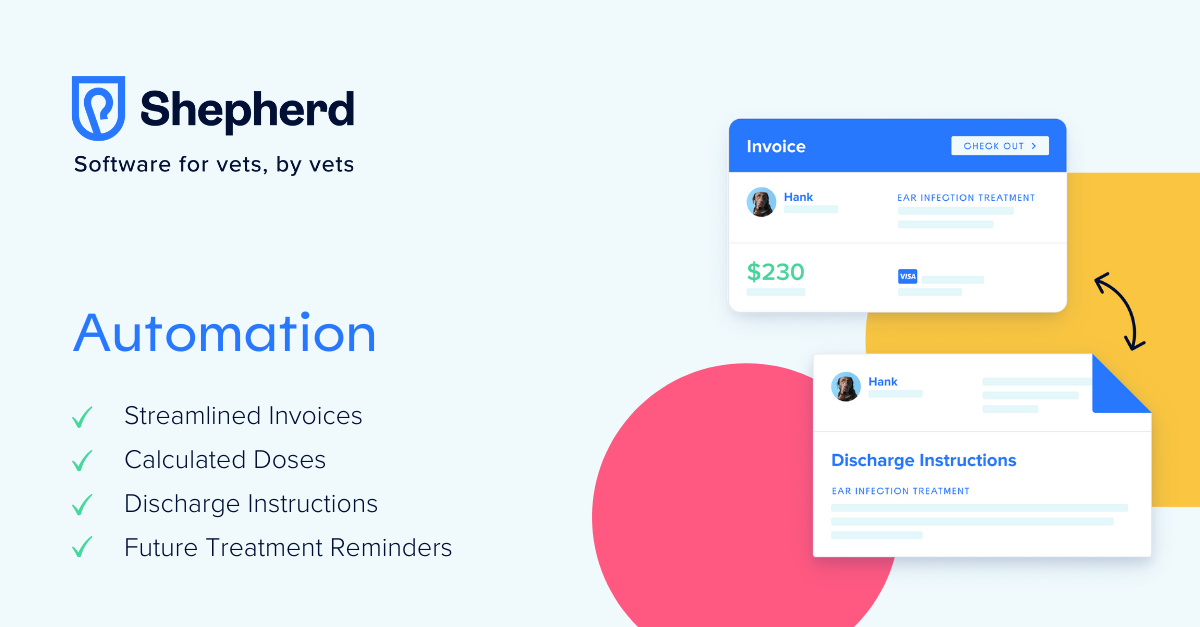
  • Improved accuracy — Automated charge capture ensures consistency across all documents, including the patient chart, estimate, and invoice.
  • Increased revenue — Smooth workflows and quick-fill SOAPs mean you can fit in more appointments and care for more patients without staying late.
  • Easier oversight and case management — Remote access allows you to view the practice dashboard, inventory, and patient records from any location with an internet connection.
  • More time to spend with patients and clients — Automated features and powerful integrations eliminate the need for time-consuming repetitive tasks so you can focus on patient care.
  • Stronger client relationships — Enhanced communication tools, such as messaging and pet portals, help develop the veterinarian-client-patient bond.
  • Better job satisfaction — Increased efficiency and smooth workflow put the joy back in veterinary medicine, resulting in a healthier practice culture.

Anxiety: Team members fear that remote access will blur the work-home boundary

Many professionals have discovered that working remotely has an unexpected downside—an “always available” mentality that erodes the work-home life boundary. As a result, some practice owners and veterinary team members may hesitate to embrace remotely accessible cloud-based PIMS. They fear that because of the flexible software, they will be pressured to always be available.

Reality: Remote access can re-envision rather than add to the workload. It allows veterinarians and practice leaders to check in on daily operations, review the schedule, answer questions about a specific case, and take much-needed breaks without losing touch—or control—of the practice.

Stress: Clients won’t understand the change, especially if service is disrupted

Successful software transitions rely on careful planning. It’s important to notify clients as early as possible about anticipated schedule changes or closures. Instead of explaining that your practice is “changing software,” talk in terms of client benefits (e.g., better communication, reduced wait times, simplified check-in).

Reality: This change can build excitement! Upgrading your software demonstrates your practice’s commitment to exceptional client and patient service. With the right approach, you can help anxious clients understand that the temporary inconvenience will result in long-term gain.

Change is never easy, but the transition to cloud-based software is nothing to fear. Discover how veterinarian-designed Shepherd Veterinary Software can elevate your practice’s performance, increase efficiency, and help you rediscover the joy of veterinary medicine. Contact the Shepherd team to schedule a personalized demo and let your software-switching fears float away in the cloud.

Tail Wagging Treatments: Fear Free in Veterinary Rehab Settings

There are a wealth of opportunities after graduation, one of those being veterinary rehabilitation. Whether you become a rehabilitation veterinarian or weave rehabilitation into your general practice treatment plans, join us as we discover how to reduce fear, anxiety, and stress in pets during their rehabilitation. This webinar will discuss the possibilities of veterinary rehabilitation post-graduation, common stressful events for pets during their rehabilitation treatments, and methods to reduce FAS within your treatment plans.

Reclaim Your Spark: Identifying & Managing Emotional Triggers

As pet professionals, we often battle compassion fatigue, burnout, and overwhelm. In this webinar, we will discuss emotional triggers, how to identify these triggers in ourselves, teammates, and clients, and how to address and manage said triggers. You no longer have to choose between your passion for your work, the welfare of animals, and your own well-being. Join Kari Knutson, MA, to learn about tools that will support you in being your best self at work, working more effectively, and loving what you do again.

|

Rethinking Diabetes Mellitus Treatment in the Cat Using SGLT2 inhibitors successfully

Have you ever wished for an alternative treatment to insulin for diabetes in cats, one that is as easy as a once-daily pill? Dive into this feline-focused webinar discussing the latest innovative diabetes treatment for cats! In this webinar, Dr. Cynthia Ward will discuss the need-to-know information surrounding the recently released drug, SGLT2 inhibitor Bexacat. This presentation will share the unique features of Bexacat and how to use it successfully in clinical patients including optimal patient selection, monitoring guidelines, and relevant adverse effects.

Brought to you by our friends at Elanco.

Fear Free Practice Certification:
Are you looking to take Fear Free to the next level at your practice? Interested in learning how the practice certification process works, what your practice needs to be eligible, and how it can benefit you and your patients? Curious about creating a more positive work environment and team culture? Join Dr Jennifer Merlo, Director of Veterinary Affairs, and hospital as we discuss all things Practice Certification. Come armed with questions about the process, benefits, and how to get started!

To The Rescue: Five Tips For Stopping The Spread of Canine Influenza

Canine influenza is becoming a hot topic within all pet professional spaces, particularly within the veterinary medicine space. Join us as Dr. Natalie Marks shares the top facts every veterinary professional should know about canine influenza. Not only will important medical and transmission highlights be discussed, but also the role disinfection plays in disease prevention and the creation of an emotionally healthy practice. Dr. Marks will share the anatomy of the respiratory system and its role in physical and emotional health, as well as client messaging around respiratory disease and prevention.

Brought to you by our friends at Virox.
https://virox.com