Blog Archives

Using Fear Free Principles to Improve Anesthetic Safety In Complicated Patients

Decreasing fear, anxiety, stress (FAS), and pain leads to safer anesthesia by allowing a lower dose of sedative and anesthetic drugs needed for anesthesia premedication, induction, maintenance, and recovery. Lower drug dosages are especially critical in complicated patients with underlying disease and physiologic compromise. In this discussion, Tamara Grubb DVM, PhD, DACVAA, will explore the role of Fear Free principles in anesthetic safety, especially in the compromised/complicated patient.

Brought to you by Zoetis Petcare.
[wcm_restrict plans=”level-1-group-leader, certified-practice, groomer-certification, animal-trainer, student, sitter-certification-program, boarding-daycare-certification-program”]

Fear Free Principles in an Orthopedic Exam (Full Video)

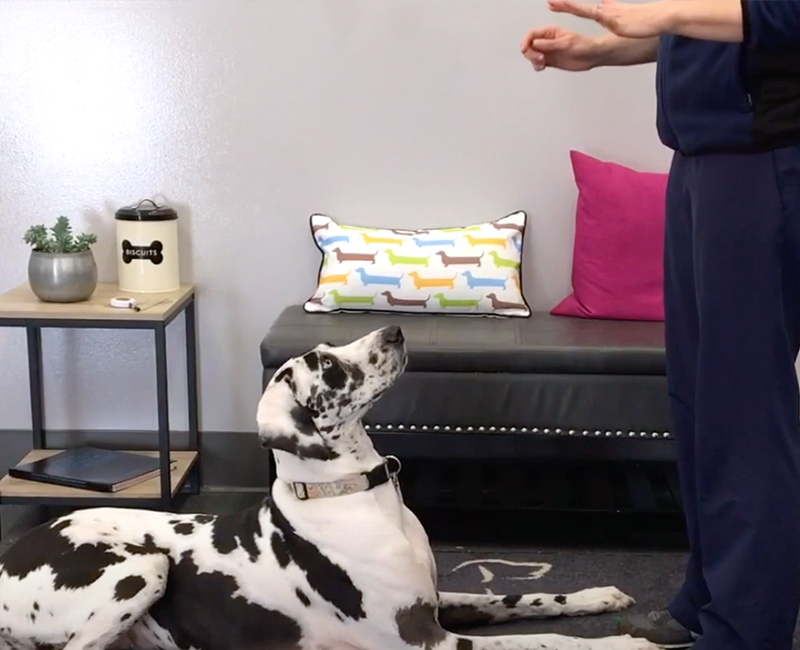
Kristin Kirkby Shaw, DVM, MS, PhD, DACVS-SA, demonstrates the use of Fear Fear principles in an orthopedic exam.

You must be a Fear Free member and logged in to view this webinar

Course Overview

Bath time is scary for many animalswhether it’s the sound of the water, the feel of it on their skin, being restrained, or the tub itself. This one-hour module will teach you how to break down the bathing process into individual components that can be worked on separately to allow for calmer, safer bathing experiences. We will provide step-by-step desensitization and counterconditioning plans for every componentintroducing the shampoo bottle, entering the tub, introducing water, and introducing the sound and feel of the dryer. You’ll also learn what you can do to modify the bathing environment to make it more inviting and less stressful for animals.

There are three lessons in this course:

Lesson 1: Overview of Fear Free Bathing and Positive Reinforcement
Lesson 2: Introduction to the Tub
Lesson 3: Modifying the Environment for Success

This one-hour course was designed for Fear Free groomers but is also open to our veterinary professional and trainer members. It was written by Terrie Hayward, M.Ed., KPA Faculty Member, CPDT-KA, CSAT, co-author of the book Grooming Without Stress, and is approved for one hour of RACE CE.

How to Get a Written Offer In Hand Before Interviewing

Finding a new job can be a high-stress and time-consuming process. If you stop to think about it, it’s not all that transparent either. When you ask about compensation, you’ll get vague answers like, “Our RANGE is this.” They may even initiate the conversation with the all-too-common trick question, “So what are you looking to make in your next role?”

After they succeed in making you comfortable with their non-answer, you’ll start the screening process. Phone calls upon phone calls followed by interviews upon interviews. This can take days, weeks, possibly months depending on your class schedule and availability. Then, at the very end, they make you the offer, which is the point which will determine if all the personal time you just gave them was worth it. If that offer is lower than you expected and you decline it, all that time is wasted and you’ll have to do it over again with another employer.

The last thing you want to waste during veterinary school is time. You have chosen to become a part of one of the most admirable professions in the world. You deserve a transparent process that values your time. Join Paul Diaz, founder of Hire Power Consulting, to learn how his company is working to help veterinarians level the job search playing field by empowering you to decide who you give your time to AFTER they provide you with a detailed offer first.

Course Overview

The CSR is the client’s first point of contact with the veterinary clinic. They play an important role in communicating the Fear Free concept and helping the client prepare their pet for a Fear Free vet visit. This module will help CSRs better understand how to “Speak Fear Free” to clients. It will provide sample scripts and tips. It will also provide them with a better understanding of the FAS scale, an awareness of their surroundings, the knowledge of what steps to take to ensure a positive experience for each pet, and more.

This course was written by Louise Dunn.

This course consists of three lessons:

  • Lesson 1: The CSRs Role for the Pre-Visit
  • Lesson 2: Creating the Fear Free Environment
  • Lesson 3: How to “Speak Fear Free” to Clients

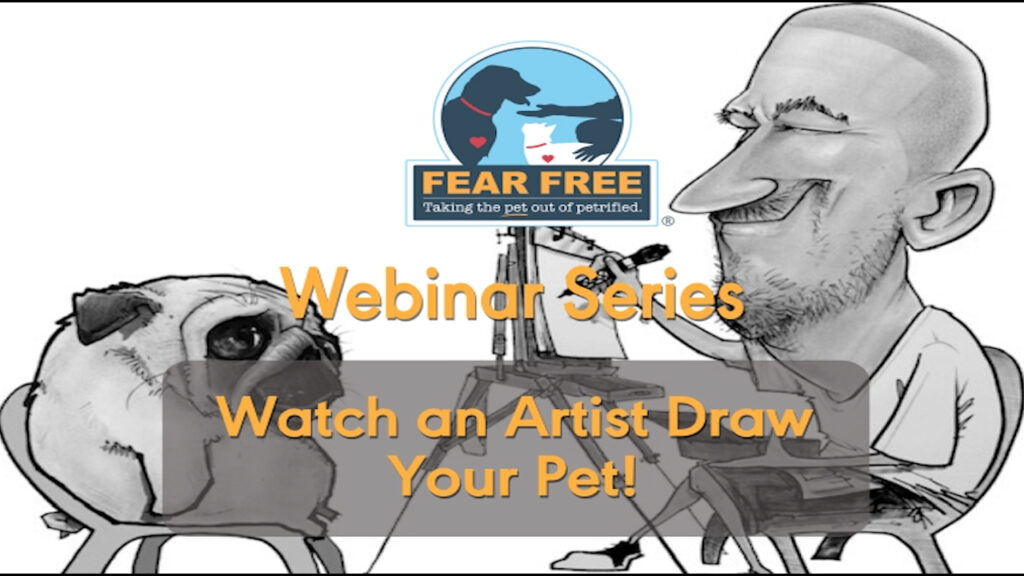
Watch an Artist Draw Your Pet!

In this fun webinar, John LaFree of Canine Caricature Pet Portraits gives away two pet caricature portraits. One was done prior to the webinar, and the other is drawn during the webinar, where John will be telling us how he got into this business as well as the off-the-wall requests he’s gotten for pet portraits.

Check out Canine Caricature Pet Portraits here: https://caninecaricatures.com/

Course Overview

True enrichment goes way beyond simply providing dogs with food puzzles each day. For instance, a comprehensive enrichment strategy incorporates all types of enrichment: social, occupational, physical, nutritional, and sensory. This course will show you how to engage all the senses, as well as how to thoughtfully determine which enrichment activities are most appropriate for individual dogs, how to enrich the lives of dogs in a veterinary clinic, and those who are recovering from an injury and on restricted exercise.

This course, approved for 1 RACE-approved CE hour, was written by Laura Ryder, CPDT-KA, KPA CTP, IMDT.

This course consists of four lessons:

  • Lesson 1: Exploring enrichment using all the senses
  • Lesson 2: Identifying the right balance
  • Lesson 3: Enrichment for dogs in the vet clinic
  • Lesson 4: Enrichment for dogs on restricted exercise or cage rest