
Blog Archives

Veterinary professionals regularly face stressful and emotionally charged situations, which can contribute to burnout, compassion fatigue, and reduced quality of care. This course introduces five practical “60-second stress resets” that can be performed anytime, anywhere, without equipment. Learners will explore the science behind micro-resets, practice each technique, and identify opportunities to apply them in real clinical situations.

This micro-course supports individual well-being, enhances team resilience, and helps maintain patient-centered care by teaching veterinary professionals how to pause, reset, and sustain focus throughout their shifts.
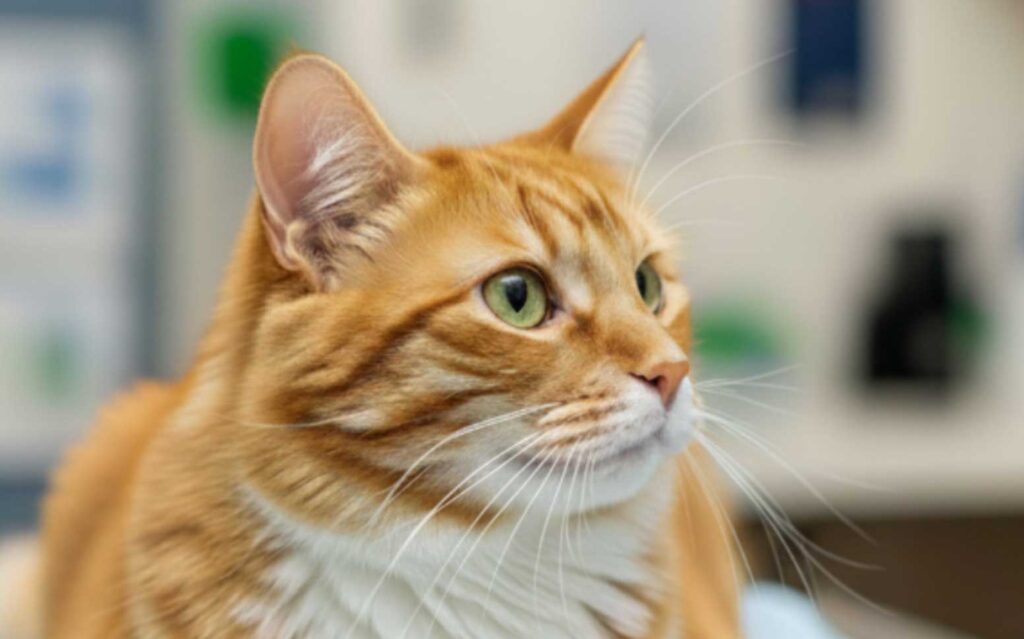
This course introduces veterinary professionals to the Fear Free approach specifically tailored for feline patients. Through a series of focused lessons, learners will explore communication strategies, considerate handling techniques, touch gradients, appropriate use of rewards, and gentle control methods. Practical scenarios and case studies will help reinforce strategies for reducing fear, anxiety, and stress (FAS) in cats during veterinary visits. Learners will leave equipped with the knowledge and resources to integrate cooperative care into daily workflows, creating a better experience for cats, clients, and veterinary teams.

Pre-visit medications can transform a stressful appointment into a smooth, Fear Free experience—but only if clients understand and accept them. Communicating the “why” behind these tools can sometimes feel challenging, even for seasoned teams. Join us for a practical, case-based session with veterinary behaviorist Dr. Lisa Radosta as she shares communication strategies, empathy-driven approaches, and ready-to-use scripts that build trust and support client compliance.

In Fear Free veterinary care, reducing fear, anxiety, and stress (FAS) isn’t just about treats and gentle handling—it also means recognizing when sedation is the kindest choice. From radiographs to grooming, procedural sedation and analgesia (PSA) can enhance safety, reduce FAS, and create a better experience for everyone involved.
​​​​​​​
Join us for a webinar with Kate Lafferty, BFA, RLAT, CVT, VTS (Anesthesia & Analgesia), FFCP-V, for a deep dive into sedation strategies that support both patient comfort and team success. This webinar is ideal for veterinary professionals looking to strengthen their sedation protocols while upholding Fear Free principles.

Zoonotic diseases are a critical concern in environments where close contact between animals and humans is common, such as veterinary clinics and boarding facilities. With a wide range of bacterial, viral, parasitic, and fungal infections to consider, understanding how these diseases spread and how to prevent them is crucial for safeguarding the health of both people and animals.

Join us for a webinar with Sami Engle Price, MS, PHR, CVPM, CPACO, CCFP, as we explore common zoonotic diseases, how they spread, and key prevention strategies to protect both animals and people. You’ll also learn how to manage outbreaks effectively and minimize risks in high-exposure environments.

Feline Infectious Respiratory Disease (FIRD) is a highly contagious illness that can affect cats in both household and multi-cat environments. With multiple pathogens involved, it’s essential to understand how the disease spreads and how to prevent it—especially in high-risk settings like veterinary clinics and boarding facilities.

Join us for a webinar with Sami Engle Price, MS, PHR, CVPM, CPACO, CCFP, as we explore the key causes, symptoms, and transmission of FIRD. We’ll also cover effective prevention strategies, including vaccination, isolation techniques, and disinfection protocols to help reduce risk, manage outbreaks, and support feline wellbeing in any care environment.

Canine Infectious Respiratory Disease Complex (CIRDC), commonly known as “”Kennel Cough,”” is a contagious respiratory illness that can affect dogs in various environments, including veterinary clinics and dog boarding facilities. With its many causes and transmission methods, it’s important to stay informed on prevention strategies, hygiene practices, and early detection to minimize outbreaks and ensure the health of both dogs and staff.

Join us for a webinar with Sami Engle Price, MS, PHR, CVPM, CPACO, CCFP, as we dive into CIRDC, exploring its causes, symptoms, and transmission, as well as effective prevention and control measures to implement in high-risk environments.

Emotional wellbeing is essential to overall health for both the animals we care for and ourselves. Supporting our own mental and emotional health helps prevent burnout and compassion fatigue, allowing us to be more present, effective, and compassionate in our roles as pet professionals and and caregivers.
​​​​​​​
Join us for a webinar with Melyssa Allen, MA, NBC-HWC, DipACLM, as we explore the importance of stress management, social connection, and a positive mindset. We’ll discuss how these elements influence personal wellbeing and help create calmer, more supportive environments for the pets around us.