Blog Archives

Why the behavioral changes clients observe at home can be the most important clues to feline pain.

The Gap Between Home and Clinic

Cats are naturally inclined to mask discomfort, and that tendency is often amplified in a clinical setting. Stress and hypervigilance can suppress behavioral pain cues entirely, which means the signs most likely to inform your assessment are often happening at home, not in the exam room.

An estimated 70% of cats do not receive regular veterinary care (CATalyst Council, Feline Market Insights Report Vol II, 2025), and chronic pain is a leading contributor to delayed diagnosis and reduced quality of life in feline patients. The behavioral shifts that signal something is wrong, including changes in appetite, grooming, mobility, mood, and vocalizations, are most observable in a familiar home environment.

What Clients Can Watch For

Helping clients know what to look for between visits is one of the most practical things a Fear Free practice can do. Common signs worth tracking include:

AppetiteChanges in how much is eaten or how often the food bowl is visited; eating on one side of the mouth, dropping food, drooling, or pawing at the mouth may signal oral or dental pain.
ThirstChanges in drinking behavior: visits to the water bowl and amount of water consumed may increase or decrease
TouchIncreased sensitivity to touch: either avoiding touch or becoming irritable or aggressive when touched
MobilityReluctance to move/jump: slow, hesitant, stiff and/or deliberate movements
GroomingLittle to no grooming: dull, greasy, matted and/or soiled coat; Overgrooming, especially if in a localized area.
EliminationLack of bladder/bowel control: increase in accidents outside the litterbox, especially if they are close to or near the box.
HidingIncrease in hiding and/or hiding in unusual places
EnergyChanges in energy level: less energy, lethargic
MoodChanges in mood: disoriented, confused, disinterested, or restless at night
VocalizationsChanges in vocalizations: meowing excessively, persistent crying, yowling, or totally silent. Note – purring isn’t always a sign of happiness.
PlayChanges in frequency and intensity of play: decrease in play and/or doesn’t respond to favorite toys
PostureChanges in posture: increased time crouching, hunching or lowering of head, sitting in an unusual way – sticking a leg out or favoring a side

If a client notices one or more of these signs, it is worth a conversation with your team.

A Note on Sylvester

Recognizing pain early is an important part of Fear Free care. When subtle changes are identified sooner, veterinary teams can intervene earlier, helping prevent discomfort from escalating and reducing the stress associated with delayed diagnosis or unrecognized pain.

Sylvester offers veterinary practices a purpose-built tool designed to support this goal. Using computer vision and established feline pain science, Sylvester helps identify subtle behavioral and facial changes that may indicate pain, providing clinicians with additional insight to guide proactive care. When used by pet parents at home, it may also capture behaviors that are easier to observe when cats are relaxed in their normal environment.

By supporting earlier conversations about health and wellbeing, tools like Sylvester can help veterinary teams strengthen relationships with clients while creating calmer, more compassionate clinical experiences for cats.

Click here to download a resource you can provide to your clients to help them spot the early signs of pain in cats.

To learn more about Sylvester, visit www.sylvester.ai
Fear Free Certified Practices can learn more about a special offer by logging into their account and visiting: https://www.fearfree.com/friend/sylvester-ai/



Veterinary professionals regularly face stressful and emotionally charged situations, which can contribute to burnout, compassion fatigue, and reduced quality of care. This course introduces five practical “60-second stress resets” that can be performed anytime, anywhere, without equipment. Learners will explore the science behind micro-resets, practice each technique, and identify opportunities to apply them in real clinical situations.

This micro-course supports individual well-being, enhances team resilience, and helps maintain patient-centered care by teaching veterinary professionals how to pause, reset, and sustain focus throughout their shifts.

Pre-visit medications can transform a stressful appointment into a smooth, Fear Free experience—but only if clients understand and accept them. Communicating the “why” behind these tools can sometimes feel challenging, even for seasoned teams. Join us for a practical, case-based session with veterinary behaviorist Dr. Lisa Radosta as she shares communication strategies, empathy-driven approaches, and ready-to-use scripts that build trust and support client compliance.

In Fear Free veterinary care, reducing fear, anxiety, and stress (FAS) isn’t just about treats and gentle handling—it also means recognizing when sedation is the kindest choice. From radiographs to grooming, procedural sedation and analgesia (PSA) can enhance safety, reduce FAS, and create a better experience for everyone involved.
​​​​​​​
Join us for a webinar with Kate Lafferty, BFA, RLAT, CVT, VTS (Anesthesia & Analgesia), FFCP-V, for a deep dive into sedation strategies that support both patient comfort and team success. This webinar is ideal for veterinary professionals looking to strengthen their sedation protocols while upholding Fear Free principles.

Emotional wellbeing is essential to overall health for both the animals we care for and ourselves. Supporting our own mental and emotional health helps prevent burnout and compassion fatigue, allowing us to be more present, effective, and compassionate in our roles as pet professionals and and caregivers.
​​​​​​​
Join us for a webinar with Melyssa Allen, MA, NBC-HWC, DipACLM, as we explore the importance of stress management, social connection, and a positive mindset. We’ll discuss how these elements influence personal wellbeing and help create calmer, more supportive environments for the pets around us.

Physical wellbeing is the foundation for showing up as our best selves—both for the animals in our care and for each other. Just as we prioritize comfort and health for pets, it’s vital to extend that same level of care to ourselves to maintain energy, focus, and emotional resilience in veterinary and pet care environments.

Join us for a webinar with Melyssa Allen, MA, NBC-HWC, DipACLM, as we explore the six pillars of lifestyle medicine and their role in supporting wellbeing. We’ll focus on the core behaviors of nutrition, physical activity, and sleep, and how they influence not only our physical health but the quality of care we provide to pets every day.

Creating a high-performing, Fear Free–aligned team starts with a clear definition of success, strong leadership, and a thoughtful approach to change. In busy environments, setting the foundation for effective team dynamics can make all the difference in long-term success and staff wellbeing.

Join us for a webinar with Tori Williams, FFCP-V, Founder, Lemonade Coaching & Consulting, as we explore how to apply change management principles in clinical settings, define success collaboratively, and clarify leadership roles to support team alignment. You’ll walk away with practical tools to strengthen team culture and lead with purpose.

Food or toy distractions can be an exceptionally useful tool in Fear Free. But they must be used appropriately, and in the correct situations, to ensure they actually decrease or prevent FAS, rather than inadvertently make things worse.

This one-hour course will empower you to know when to use distractions (and when not to use them), how to properly implement them, and what to do “in the moment.” Through several video examples and scenarios such as nail trims and vaccines, you will learn what to do “in the moment” as well.

This course, approved for 1 RACE CE hour, was written by Monique Feyrecilde, LVT, VTS (Behavior)

Lesson 1: Introduction to the distraction method
Lesson 2: Types of distractions
Lesson 3: Appropriate times to use distraction
Lesson 4: How to implement distractions
Lesson 5 & 6: When and why a distraction may not be appropriate
Lesson 7: Examples of appropriate use of distractions
Lesson 8: Alternatives to the use of distractions

1 RACE CE hour

EFear, anxiety, and stress can make veterinary visits challenging for both pets and their owners. Our What’s a PVP? handout helps pet parents understand how Pre-Visit Pharmaceuticals (PVPs) can reduce fear and create a calmer, more positive experience at the vet. Share this resource with your clients to help them feel confident in supporting their pet’s emotional wellbeing.

Want to provide even more guidance? Share this expert blog with your clients for additional insights on how PVPs can help pets feel safer and more comfortable at the vet.

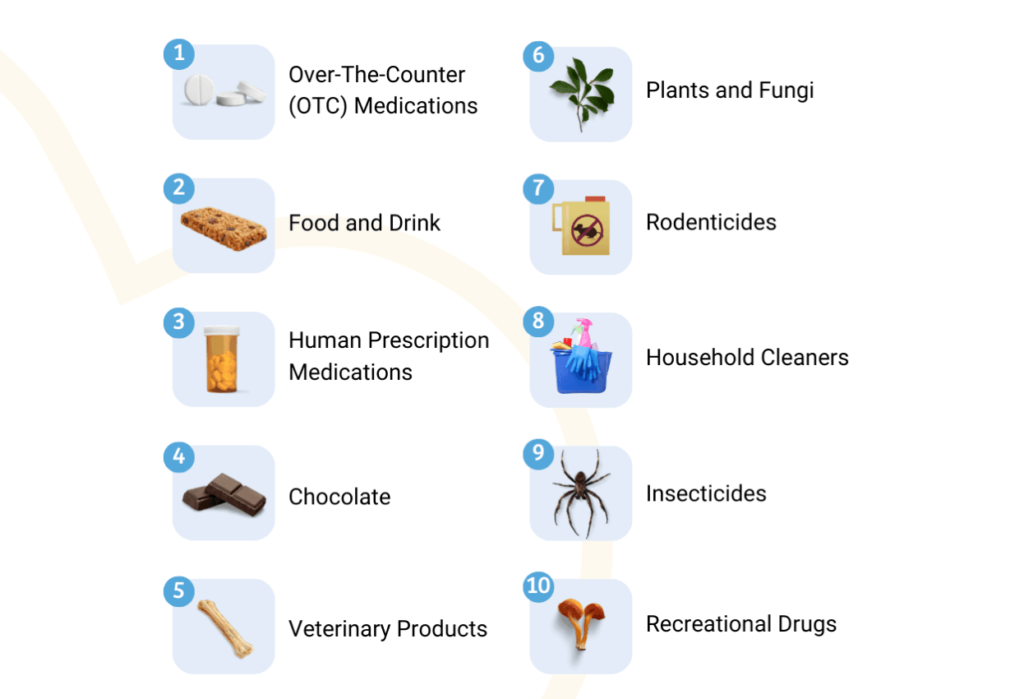
Each year, the ASPCA Animal Poison Control Center (APCC) analyzes nationwide data on toxic exposures in pets. In 2024, the APCC received over 365,000 calls related to toxic substances, highlighting the most common risks encountered by dogs and cats. This handout provides professionals with essential insights into these top toxins, helping you educate clients, prevent toxic exposures, and ensure prompt, effective treatment when needed.