Blog Archives

Course Overview

In this module, we will review the signs and risk factors associated with infectious diseases in dogs and cats. We will cover how to minimize disease risk when training pets as well as how to properly disinfect and manage the training environment.

This module has been approved for 1.5 RACE CEU and 1 CEU from CCPDT, IAABC and KPA.

The one-hour course is only for trainers with renewal credits and costs 1 credit.

Lesson One: Common infectious diseases of dogs and cats

After completing this lesson, you will be able to:

  • Recognize possible signs for various types of infectious diseases in dogs and cats
  • List common modes of transmission

Lesson Two: Minimizing disease risk when training

At the end of this lesson, you will be able to:

  • Identify ways of minimizing the spread of disease in the training setting
  • Recognize the components of a clean environment and how to achieve it
  • Identify when to liaise with veterinary professionals over preventative health concerns
|||||||||||||||||||||||||||

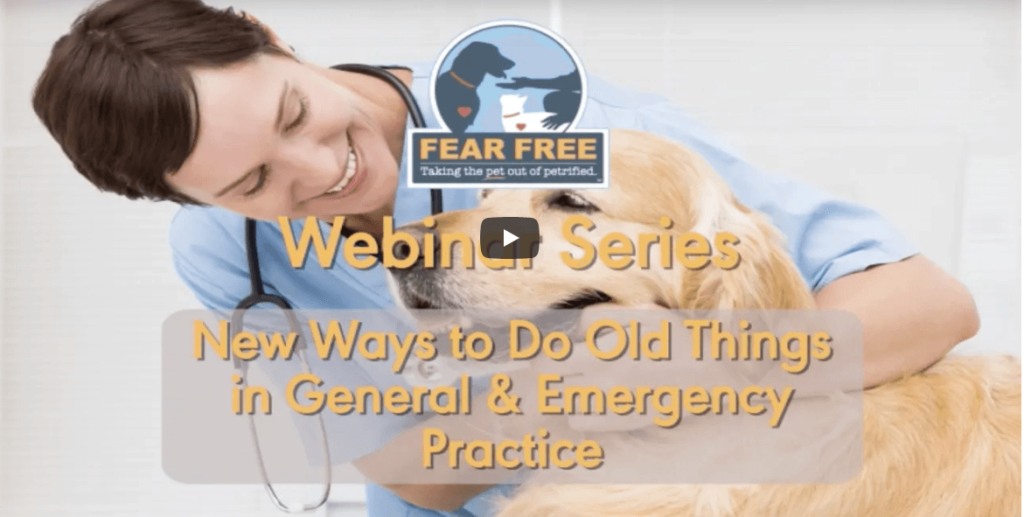
New Ways to Do Old Things in General and Emergency Practice

Most dogs, cats, and pet owners don’t like visiting the veterinary hospital. Their experience is far from spa-tacular! From vaccinations to X-rays, healthcare providers and pet owners are desperate for gentler, more enjoyable ways to perform common procedures. In this webinar, Jonathan Bloom, DVM, goes beyond theory and philosophy and explores innovative Fear Free-based techniques used in practice to create the best experience imaginable for pets, pet owners, and healthcare providers. Sponsored by Elanco.

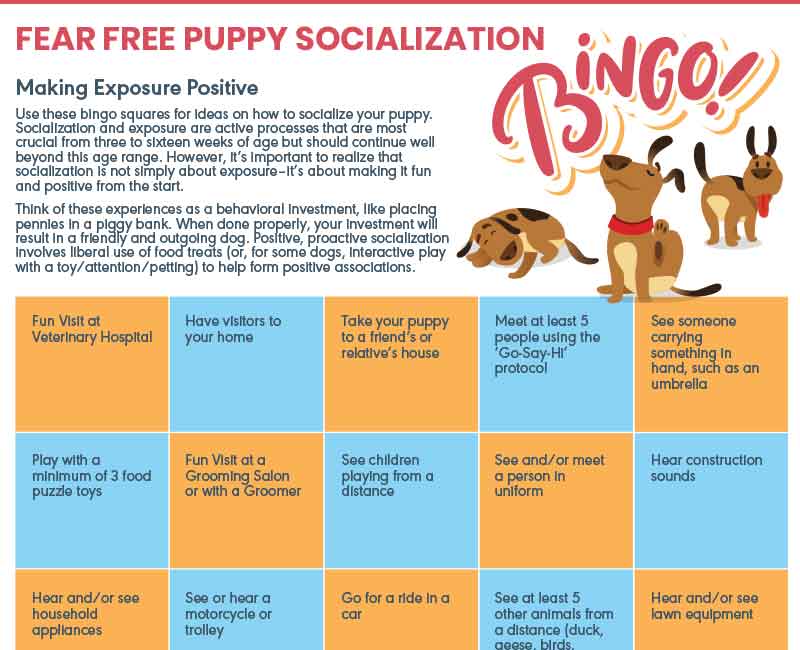
Puppy and Kitten Socialization Bingo

The socialization period of puppies and kittens is extremely important in the formation of a happy, healthy, and well-adjusted pet. Help your clients take full advantage of this in a fun and engaging way with these socialization bingo cards!

|

From Pit Bulls To Pugs: State Farm Is A Good Neighbor

Learn now to educate adults and children about responsible pet ownership, the importance of being kind to animals, the benefits of volunteerism, why State Farm doesn’t judge dogs on the basis of breed when issuing its policies, and the 25-year history of the State Farm Arson Dog Program, one of the only accelerant detection canine training programs in North America. Sponsored by State Farm.

The Science for Pheromone Therapy: Show Me the Evidence

In this webinar, Gary Landsberg, DVM, DACVB, DECAWBM (CA) discusses what pheromones are and how they work, as well as evidence of efficacy for use in home and in the veterinary clinic. Sponsored by our friends at Ceva.

Additional references available here.

Course Overview

In this course, you will learn ways in which the Fear Free Animal Trainer can partner in Fear Free efforts to keep animals calm during veterinary care, procedures, and even on the day of surgery. This includes teaching animals the concept of a Treat-Ment station, training them to accept passive restraint, and acclimating them to sounds and equipment used during common diagnostic procedures.

While it’s impossible to train for every possible scenario, general training strategies can be practiced, such as training a dog to lie on his side while being handled, preparing him for an injection, or teaching him to indicate his willing consent for handling or care.

Through several in-hospital and at-home video tutorials, you will learn step-by-step how to proactively prepare animals for procedures such as ECGs, radiographs, ultrasounds, surgery, and more.

This module has been approved for 1.5 CEUs from CCPDT, IAABC, and KPA as well as 1 RACE approved CE hour.