When dogs with sociable natures are not able to interact with other dogs or people as freely as they wish, they can feel frustrated. Use this handout to help educate your clients on ways to alleviate leash reactivity.
When dogs with sociable natures are not able to interact with other dogs or people as freely as they wish, they can feel frustrated. Use this handout to help educate your clients on ways to alleviate leash reactivity.

Looking for a creative, touching, narrative way to communicate Fear Free to clients, colleagues, coworkers and more? These promotional videos are the perfect combination of heartfelt and realistic about the way Fear Free is changing the veterinary industry. We encourage you to share directly from YouTube, embed on your website, share across social media and more.
Adding one of our promotional videos to your site is easy! Simply click on the link below the video and you will be re-directed to the video’s page on YouTube. Click the ‘Share’ button and then click ‘Embed’. Copy and paste this HTML code to your webpage.
[wcm_restrict plans=”level-1-group-leader, certified-practice, certified-practice-leader, groomer-certification, animal-trainer, student, sitter-certification-program, boarding-daycare-certification-program”]
[ddownload id=”109263″ style=”button” button=”blue”]
[ddownload id=”109262″ style=”button” button=”blue”]
[/wcm_restrict]
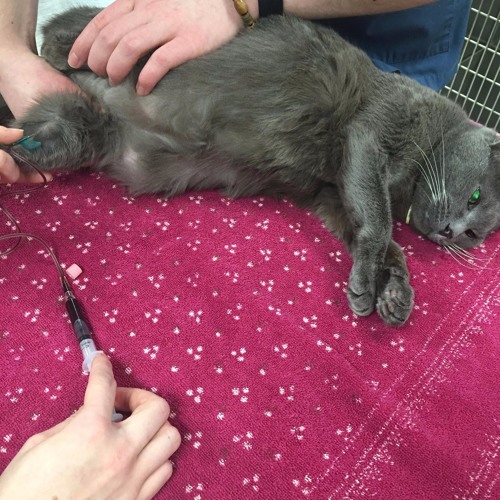
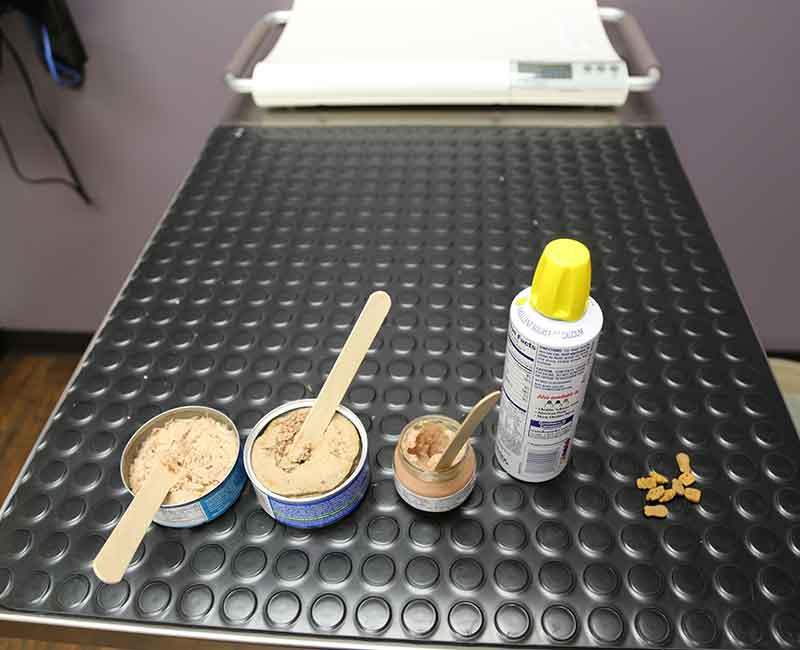
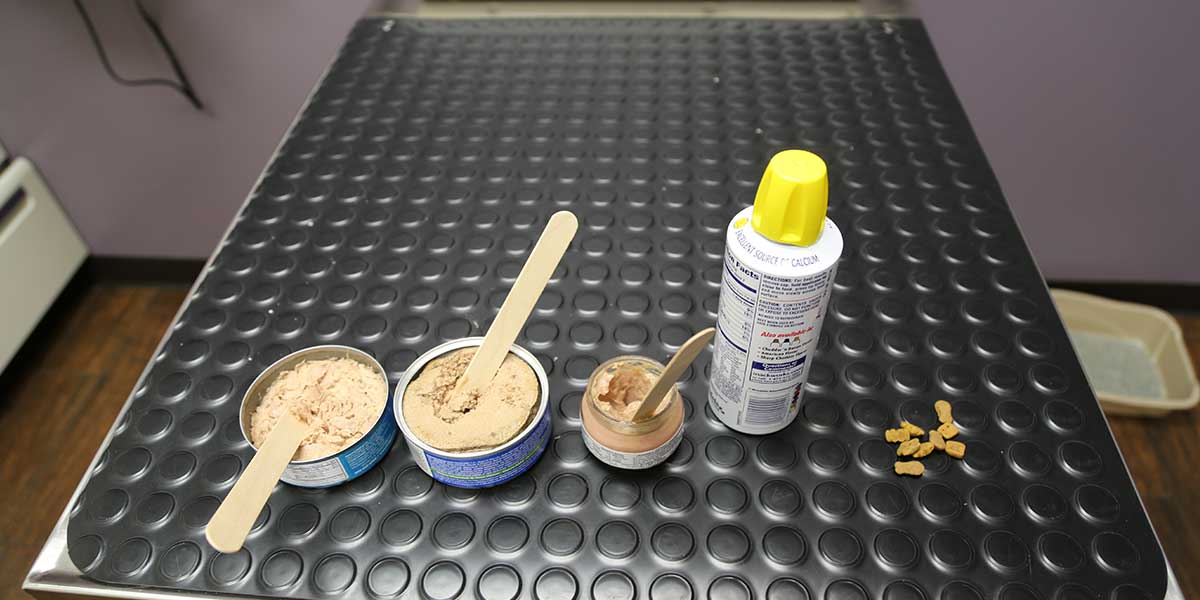 When many people think of a happy dog or a blissful cat, often images of a treat-spoiled dog or cat basking in the presence of some catnip come to mind. And it’s true. cats and dogs love those things. But when used in the right context, these seemingly simple little joys can be more than just recreational forms of happiness for our best friends. When it comes to reducing fear, anxiety, and stress in our pets during veterinary visits, the right use of treats and other tactics can make for powerful tools. In this podcast, featuring Dr. Natalie Marks of Blum Animal Hospital and Dr. John Talmadge of Bigger Road Veterinary Clinic, we talk about the treat ladder’s literal role in creating a Fear Free veterinary visit as well as its part in the larger Fear Free ideology and approach.
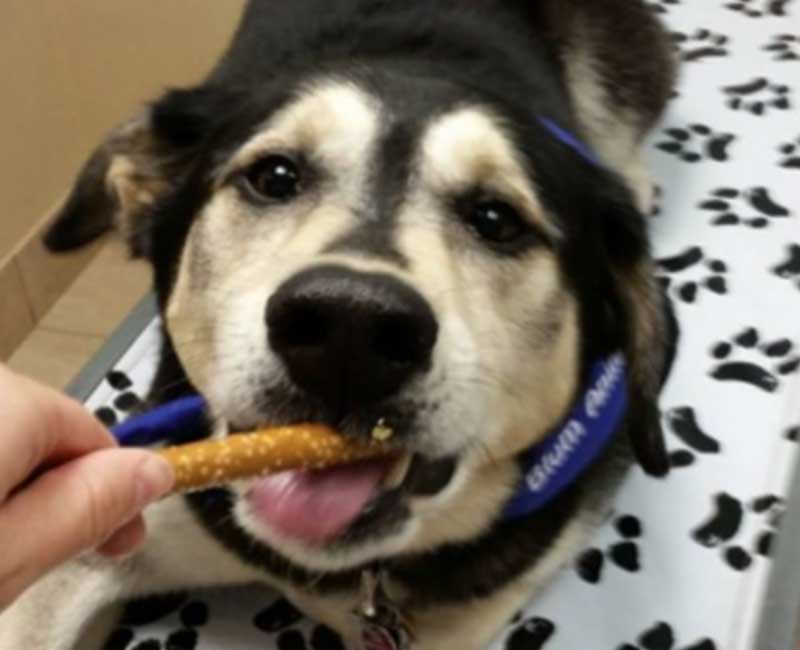
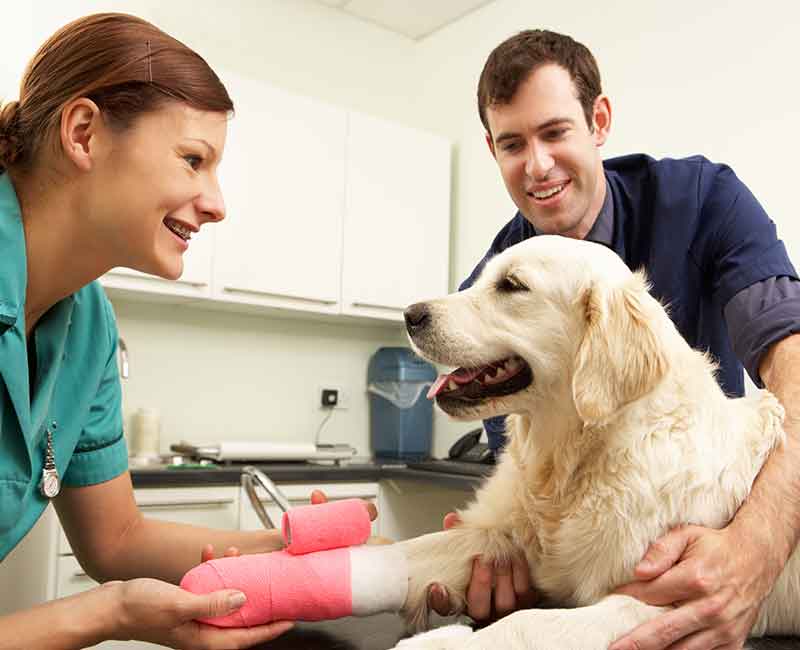
 It can often be said that technicians are the backbone of the veterinary clinic. They spend their days (and nights) in the trenches and see little of the glamour of veterinary medicine – if there is such a thing. With Fear Free certifications blossoming around the country (and world), it’s important to understand how technicians play a role in the Fear Free process. In this podcast, hear firsthand from two leading Fear Free certified technicians, Emily Korber and Tabitha Sias Kucera, talk about the role technicians play in Fear Free.
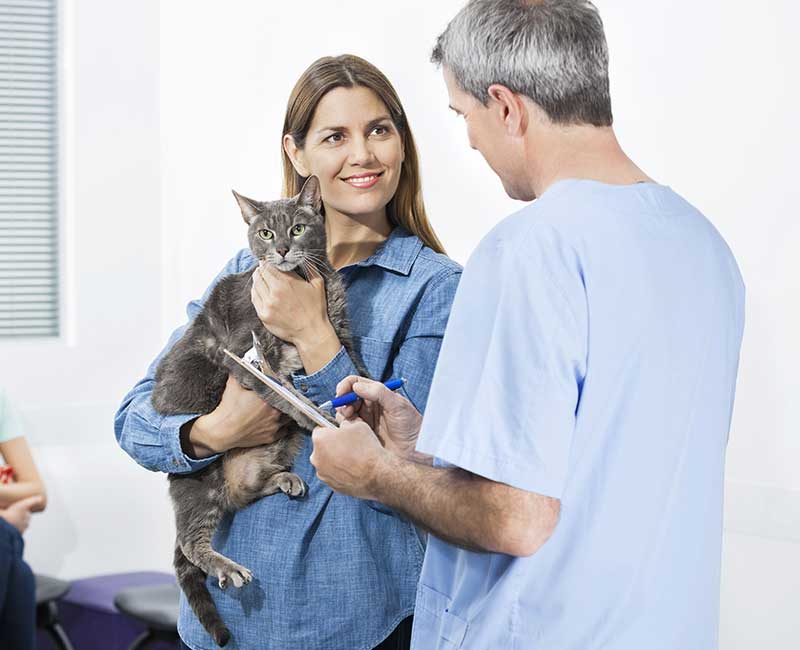
The bulk of communication between humans is through body language and the same goes for animals. It’s important for both your team and your customers to understand the often subtle signs of fear, anxiety, and stress that their pet is expressing. Use these FAS Spectrum sheets to visually explain the different signs of FAS and the corresponding levels of arousal. Handouts available for dogs, cats, horses, birds, and rats.