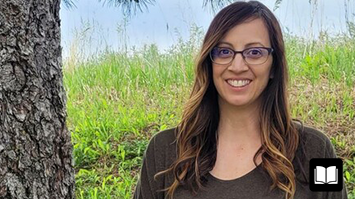
Alyson Evans, RVT, CVT, Elite FFCP, CCFPAs many of you have read previously, I have been suffering from burnout. It took me a full year to accept that I needed to seek professional help to address my emotional ailments. Some days were better than others and some were darker.
From the day I went onto the Sondermind website and filled out the questionnaire about what I needed to address, I knew I was done holding onto so much darkness, hurt, and feelings of failure and worthlessness. A therapist contacted me within the day, and I scheduled my first appointment.
During my first session I burst into tears and felt relief. More, I felt the start of freedom from everything weighing me down. My weekly sessions dove into dark places that I didn’t realize were affecting me in an unhealthy way.
I have learned so much: That the emotional baggage of a recent trauma I had witnessed was called secondary trauma. And that when burnout and secondary trauma come together, the result is compassion fatigue.
I know many people are terrified of seeking professional help, believing it is a sign of weakness. It isn’t. Seeking professional help is a sign of strength and self-worth, recognition that it’s okay to put ourselves first. It’s difficult to do that, especially if we are veterinary professionals, but humans are not meant to fix everything on their own. We aren’t meant to be all-knowing and all-healing, let alone self-healing, at least not without a little help and guidance.
At a recent therapy session, I didn’t have much to talk about other than two vivid dreams, unusual because typically my dreams fade away rather than sticking in my memory. In the first, I was bitten on my right wrist and left ankle by a snake. After some research, I learned that this dream signifies overcoming a mental obstacle or issue as well as dealing with criticism. Both were accurate. I felt like I had been healing but hadn’t fully realized it. In the next dream, our neighbor, with whom I’ve had issues in the past, was drawing beautiful chalk murals on our sidewalk. She told me she wanted to start over and admitted that she had not been very nice to me for the past two years.
When I told my therapist about these dreams, I explained that I thought they were signaling that I was free to move on and move forward from the darkness I had been harboring. My therapist, smiling, nodded her head in agreement and for the first time I felt pride in myself and how far I have come.
My therapist once asked how I would know that I had achieved healing. “Pride,” I said. I would feel proud of myself for learning and practicing the tools I had gained from therapy to self-heal to the best of my ability, for putting aside my self-pride to seek professional help. Now that has happened.
My hope in sharing this journey is that some or all of you will find the strength to advocate for yourself. Take a chance on yourself and seek professional help. Speak up and ask for help or let someone know you are not okay. You can learn how to set boundaries, love yourself, and know that it is okay to not always be okay.
Here are some things that help me daily:
I play calming music in the car to and from work: It’s not just great for a Fear Free visit to and from the vet office for our pets, it is great for our own mental wellbeing going to and from a place that can cause us fear, anxiety, and stress.
When I start to feel stress or anxiety, I ask myself, “Is this helpful or hurtful?” and then move on.
I no longer work through lunch: I need that time to recharge, whether by meditating, listening to music or a podcast, or watching a Ted Talk or Netflix show.
I make plans for the weekend or holidays: Making plans with my family helps us not to stagnate at home but to get out of the house and do things together.
I set a bedtime for the kids: Adults need their own time. Keeping kids on a set schedule for bedtime helps parents stay connected and have time to check in on one another.
I don’t try and solve every problem: We are in an industry where people come to us with problems that we do our best to solve. It is okay to guide family and friends toward solving their own problems and making their own mistakes.
I treat myself: A hair appointment, a new outfit, or a mani-pedi are all ways to relax and feel special now and then.
I explore new options: The best time to explore other opportunities is to do it when we don’t have to. If you are happily employed but want to see what other hospitals are like or what opportunities are out there, investigate them. When we are not in a position where we might have to settle, we can explore our own values in a career and determine what is important to us. Many times, this exercise can help us realize what we value in ourselves or desire in a career path or future hospital.
I accept my feelings: It’s okay to express my feelings, whether someone else agrees with them or not.
I’m open and honest with loved ones: When I allow myself to be vulnerable and talk about how I am feeling or anxieties or fears I have, I allow my family to be part of that, which in turn has helped them feel more involved with my life rather than just being spectators.
Check out our Fear Free on the House page for resources on wellness, quick tips, and more!
This article was reviewed/edited by board-certified veterinary behaviorist Dr. Kenneth Martin and/or veterinary technician specialist in behavior Debbie Martin, LVT.
Alyson Evans RVT, CVT, Elite FFCP, CVBL, is hospital manager at Briargate Boulevard Animal Hospital in Colorado Springs, Colorado.