Blog Archives

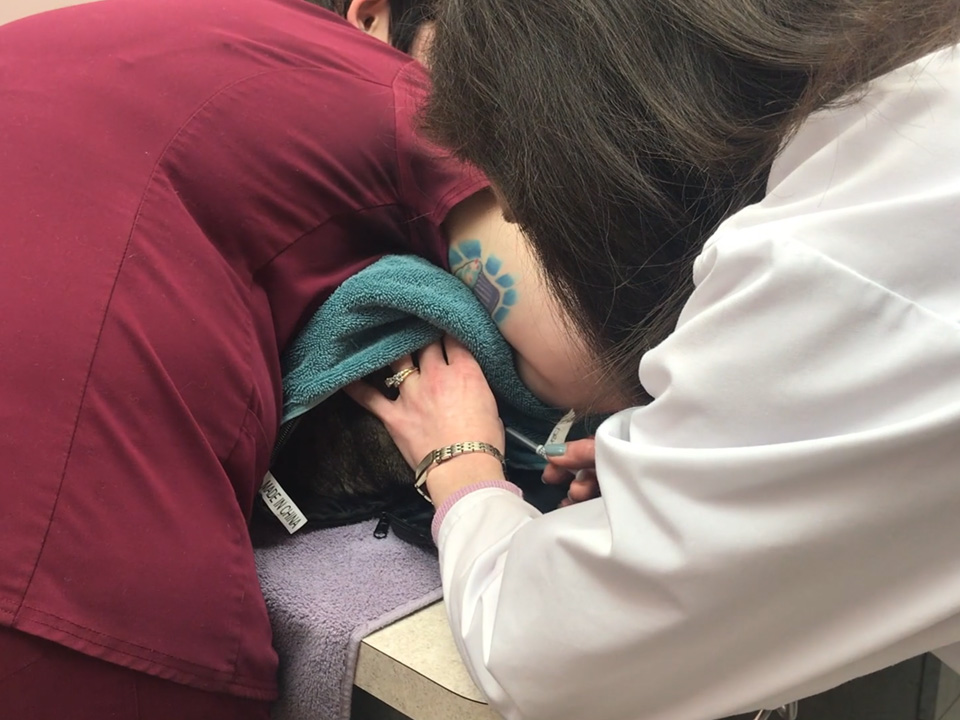
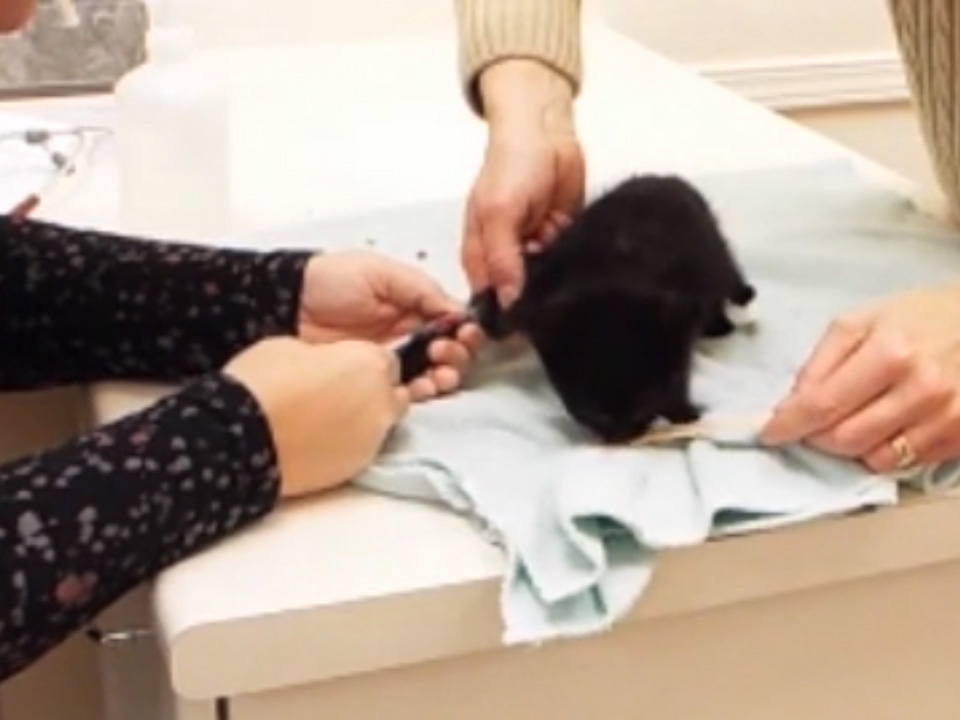
Rapid IM Sedation on a Feline

Performing injections can be a FAS inducing event for you and them. Debbie Martin, LVT, CPDT-KA, KPA CTP, VTS (Behavior) and Lisa Radosta DVM, DACVB show you how you can combine touch gradient, treats, and other Fear Free techniques to administer Sub-Q fluids in a Fear Free way.

[wcm_restrict plans=”level-1-group-leader, certified-practice, groomer-certification, animal-trainer, student, sitter-certification-program, boarding-daycare-certification-program
“]

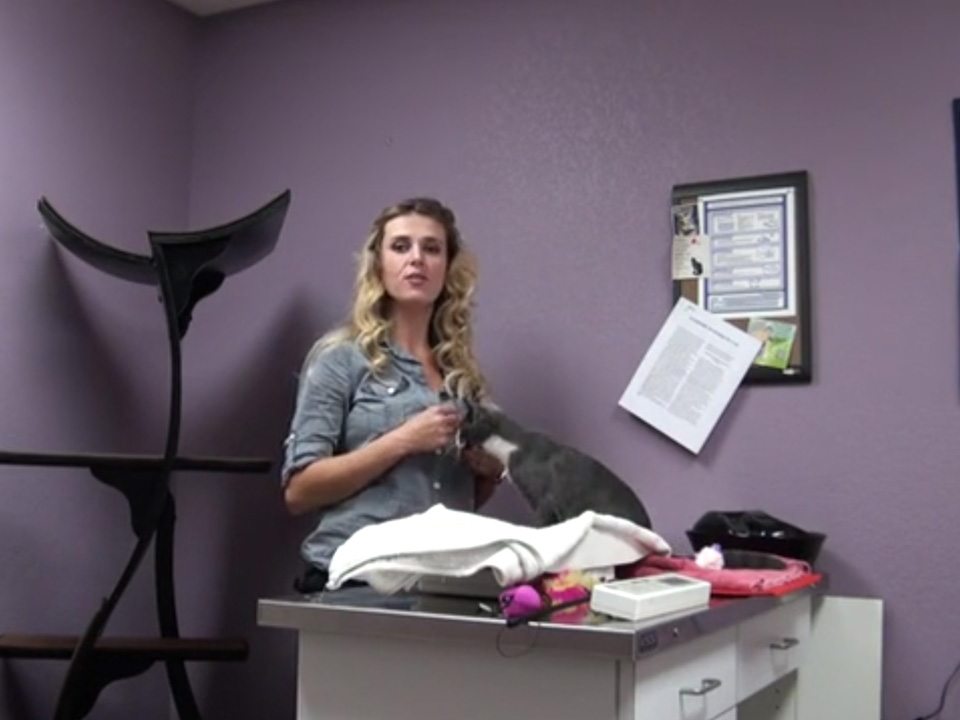
Getting a Cat on the Scale

Even the best feline patients can have trouble getting onto a scale let alone those with any level of FAS. Mikkel Becker CBCC-KA, CDBC, KPA CTP, CPDT-KA, shows how you can use Fear Free Techniques to get an accurate and Fear Free body weight measurement from your feline patients.

You must be a Fear Free member to access this content.

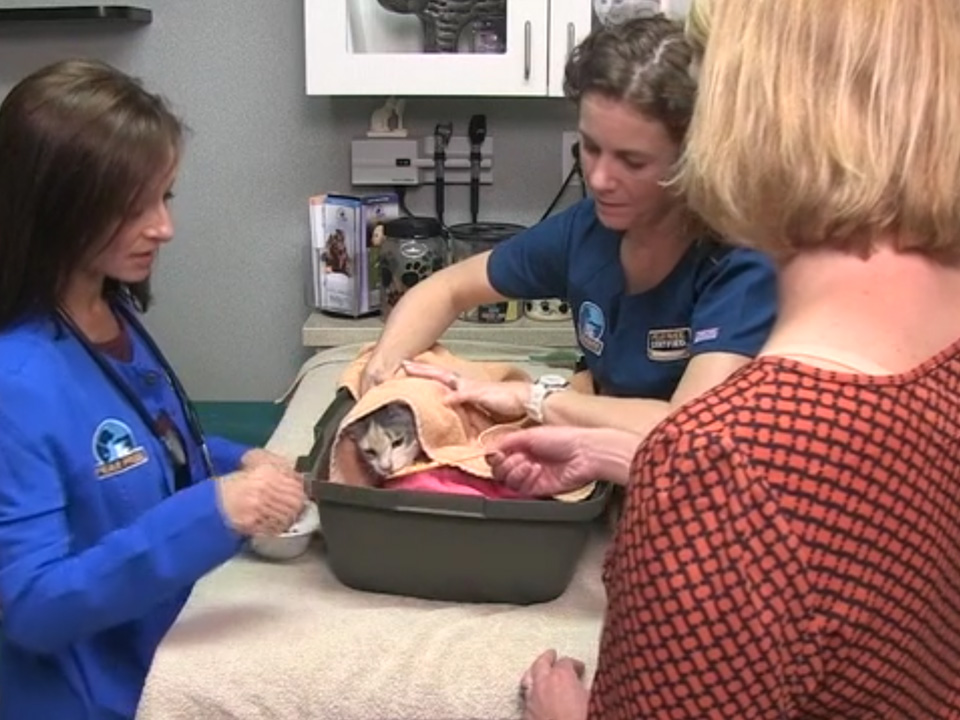
Feline Vaccination While Coaching the Owner

Vaccinations are something you do every day which makes the procedure an excellent way to practice proper Fear Free techniques. Debbie Martin, LVT, CPDT-KA, KPA CTP, VTS (Behavior) and Lisa Radosta DVM, DACVB show you how you can combine touch gradient, treats, and other Fear Free techniques to administer vaccinations in cats.

Link to Schoox ContentYou must be a Fear Free member to access this content.Link to Schoox Content

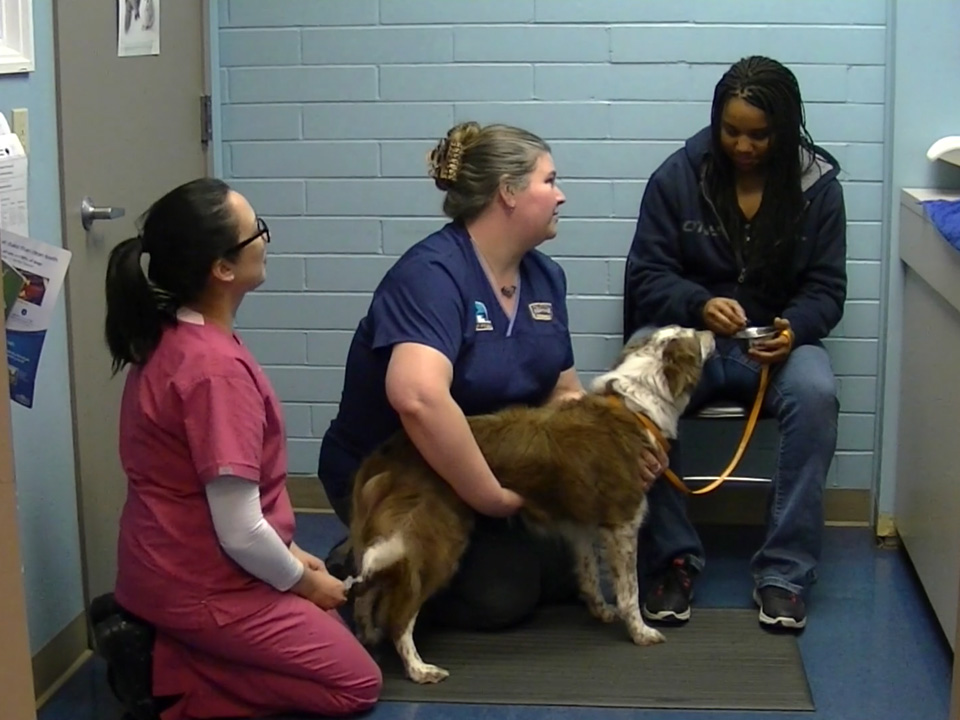
Administering Sub-Q Fluids: Canine

Performing injections can be a FAS inducing event for you and them. Debbie Martin, LVT, CPDT-KA, KPA CTP, VTS (Behavior) and Lisa Radosta DVM, DACVB show you how you can combine touch gradient, treats, and other Fear Free techniques to administer Sub-Q fluids in a Fear Free way.

[wcm_restrict plans=”level-1-group-leader, certified-practice, groomer-certification, animal-trainer, student, sitter-certification-program, boarding-daycare-certification-program”]

[/wcm_restrict][wcm_nonmember]You must be a Fear Free member to access this content.[/wcm_nonmember]

Administering Sub-Q Fluids: Canine

Performing injections can be a FAS inducing event for you and your patients. Debbie Martin, LVT, CPDT-KA, KPA CTP, VTS (Behavior) and Lisa Radosta DVM, DACVB show you how you can combine touch gradient, treats, and other Fear Free techniques to administer Sub-Q fluids in a Fear Free way.

Link to Schoox Content
You must be a Fear Free member to access this content.

Canine Temperature Taking

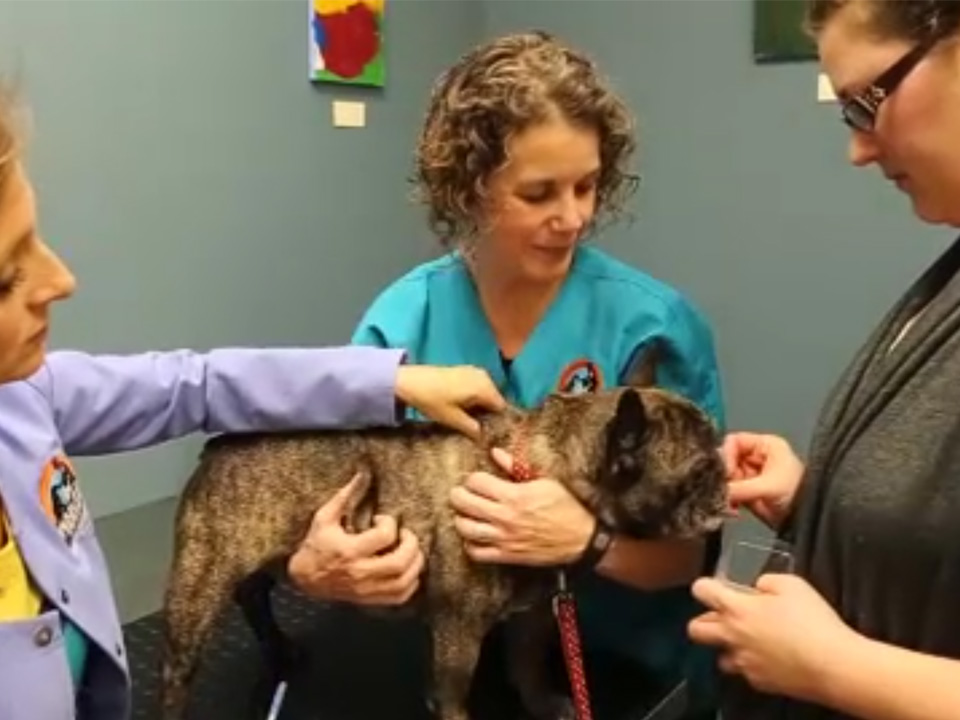
Taking a dog’s temperature can be a FAS inducing event for both the patient and the staff. But it doesn’t have to be! Debbie Martin, LVT, CPDT-KA, KPA CTP, VTS (Behavior), and Mikkel Becker CBCC-KA, CDBC, KPA CTP, CPDT-KA show you how you can combine touch gradient, treats, and other Fear Free techniques to take an accurate and Fear Free temperature on your patient.

Link to Schoox ContentYou must be a Fear Free member to access this content.
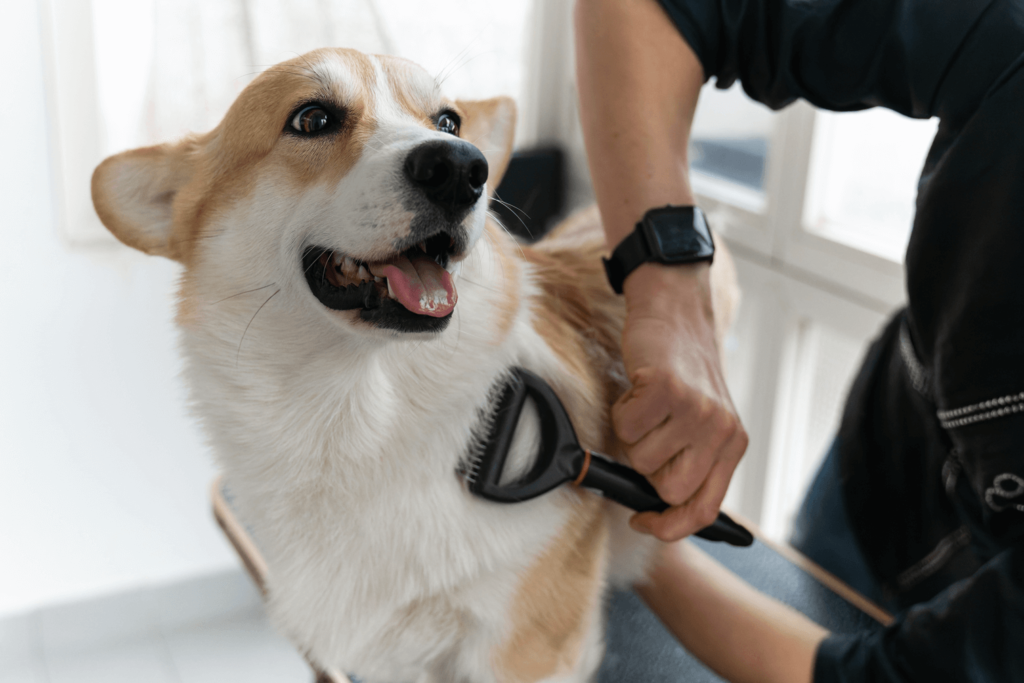
By Elsebeth DeBiaseLearning to groom pets is a challenge. At first, the focus is on mastering equipment, proper trims, and avoiding a bite or nicking an animal. Great workdays for a groomer are filled with cold noses and friendly tail wags. So, what do bad days look like? Hard grooming days look different for everyone, but for me, explaining to an owner that I can’t groom their pet due to behavior is the worst. As a veteran groomer of over 20 years and a graduate of the Animal and Veterinary Sciences program at the University of Maine, Orono, I have always been committed to providing the highest quality grooming services possible with the help of industry continuing education. When the Fear Free Groomer Certification Program was released, I jumped at the chance to be Maine’s first Fear Free Certified Groomer. Fear Free planted a seed that changed my approach to the business of pet grooming. Fear Free enabled me to help more pets who were apprehensive of the professional grooming environment by focusing on the animal’s emotional well-being and forging good groomer-client relationships.

Necessary, but Never Urgent

Pet grooming provides many physical benefits to pets, including healthier skin and coat, shorter nails, and overall cleanliness. Pets and owners have more quality interactions when pets are regularly groomed and feel good. I am a firm believer that grooming enhances the canine-human bond. However, grooming is never urgent enough to sacrifice a pet’s emotional well-being. Sometimes groomers, myself included, feel pressure to do a perfect trim, but this is not always practical or possible. Often, pets require comfort grooms focusing on sanitary issues rather than esthetics; this is especially true of young and old pets. Nevertheless, it is critically important that the pet owner is on board with a pet professional’s care plan.

Individualized Care Plans

Fear Free gives pet professionals the tools to constructively advocate for pets experiencing fear, anxiety, and stress. By incorporating Fear Free practices into my grooming business, I was able to educate clients regarding fear, anxiety, and stress in pets and confidently manage client expectations. As a Fear Free Certified Groomer, I can skillfully demonstrate to a client the need for an individualized approach to grooming their pet, thus reassuring them the pet is in good hands. I have built long-lasting relationships with my clients using Fear Free principles and a sincere desire to help. Additionally, Fear Free techniques are most successful when I actively encourage owners to participate; after all, Fear Free starts in the home.

The Fear Free Difference

Fear Free is a mindset encompassing knowledge, skill, integrity, and compassion backed by behavioral science. Fear Free values helped me develop my pet care philosophy: helping every owner will help every pet. As a result, veterinarians, groomers, local business owners, and clients often refer potential customers to me. I have gained many wonderful customers this way, and I encourage all groomers to continue their education with Fear Free.

Lastly, Fear Free practices are rewarding and fun. There is no better feeling than helping a struggling pet succeed. When it comes to grooming, you can’t always do the “good dogs,” but why can’t all dogs be good with an individualized approach? The answer is they can.

Bio

Elsebeth DeBiase is an award-winning IPG Certified Master Groomer with 22 years of experience in the pet industry. As a graduate of the University of Maine Department of Animal Sciences, she has an understanding of the animal industry that encompasses farm, veterinary, and pet industries alike. In 2011, Elsebeth opened Coastal Creations Pet Salon with the goal of providing individualized services to her four-legged clients while utilizing state-of-the-art equipment, compassionate handling methods, and modern styling techniques. Her specialties include small dogs, cats, and disabled and senior pets. Elsebeth is Fear Free and Low-Stress Handling Certified. She recently completed the Canine Arthritis Management (CAM) training for pet professionals to help raise awareness of the symptoms and prevalence of canine osteoarthritis.

This article was reviewed/edited by board-certified veterinary behaviorist Dr. Kenneth Martin and/or veterinary technician specialist in behavior Debbie Martin, LVT.

Want to learn more about Fear Free? Sign up for our newsletter to stay in the loop on upcoming events, specials, courses, and more by clicking here. 
By Jennifer Merlo, DVM, CVBMC, Fear Free Director of Veterinary AffairsWe mention heartworm prevention to pet parents during almost every veterinary visit. So how is it that more than 1 million pets in the United States have heartworm disease1? American Heartworm Society (AHS) study data collected in 2022 shows that rates of heartworm disease continue to trend upward in both recognized “hot spots” and in locations where heartworm disease was once rare.2

Due to the increased incidence of travel and remote work career options, the United States is experiencing spread of heartworm prevalence throughout the country. Despite our best intentions, our pet parents are still unclear on the severity of the disease and the importance of maintaining proper heartworm prevention.

Here are five ways to help increase your client compliance and decrease the incidence of heartworm disease in your area:

  1. Discuss heartworm prevention at every visit for every pet.

Veterinarians and veterinary staff recognize the importance of discussing heartworm prevention at puppy appointments. However, often we forego discussing it during adult and senior canine patient visits. The AHS reports that only 37 percent of the U. S. canine population is on heartworm prevention!3 This is a staggering number, and it is our job to educate our clients on the importance of prevention for every pet, year-round. We must make it a point to have this discussion with them at every visit and reinforce the importance of prevention rather than treatment.

  1. Cats get heartworms, too!

Too often we neglect to have this important conversation with our feline pet parents. Fewer than 5 percent of cats are on heartworm prevention3. Most feline pet parents do not think about their cat being at risk, since most of them are indoor-only pets. It is important to have open discussions with cat owners about the spread of heartworms. Educating them that even “indoor” cats are still at risk for mosquito bites and heartworm disease can help reduce the incidence within our feline population. Pet owners may not be aware that there are multiple options for adequate heartworm prevention in cats that do not include giving an oral medication; something we know that causes lower compliance rates in cat owners.

  1. Heartworms travel and so do our pets.

The last few years have seen an increase in the number of remote workers, as well positions that require travel across state lines. Our pet owner population now looks at their dog companions as part of the family who often travel with them. As veterinary professionals, we can no longer rely on heartworm incidence maps as they relate to our direct location since our patients are traveling on a regular basis. Heartworm disease has now been diagnosed in all 50 states and without proper education our pet parents may not be aware that they are unintentionally putting their pets at risk. Be sure to ask questions about travel, including vacations as well as work travel, and be sure that pet owners understand that all pets, in all states, are at risk for contracting heartworms.

  1. Ensure that pet parents are regularly giving heartworm prevention.

When I was in practice, I was always in awe of the fact that most pet owners had an ample supply of heartworm prevention at home, yet our records indicated they should need to buy more. This is often because most pet owners only give their pet’s heartworm prevention one-third of the time. With the numerous options available on the market today, there is an option available for every pet parent to become compliant with their pet’s prevention routine. Discuss different prevention options and gauge what your client feels they can be most consistent with. By opening the conversation and talking through what works best for them, you increase your veterinary-client bond while simultaneously reinforcing the human-animal bond.

  1. Recommend heartworm testing annually.

 Despite everyone’s best intentions, sometimes doses of prevention get missed, and it’s our job to help our pet parents provide the best medical care for their pets. Recommend yearly heartworm testing to ensure that their pet is free of heartworm disease. Make obtaining the blood sample a Fear Free experience by using a Considerate Approach through positive rewards such as delicious treats or petting and using small-gauge needles to minimize discomfort. My staff was great at using insulin syringes to obtain the minimal amount of blood necessary to perform this annual test while the pet parent offered the patient treats. Most of our patients did not even realize venipuncture had occurred! Remind owners that unless we test, we won’t know, and that it’s just as important to monitor for heartworms as it is to prevent them.

It only takes one bite from an infected mosquito to transfer heartworms to a cat or dog. Let’s join with our pet parents to ensure that all our canine and feline patients are well protected.

Resources

  1. American Heartworm Society, 2023; https://www.heartwormsociety.org/
  2. American Heartworm Society Incidence Map, April 11, 2023
  3. The Truth About Cats and Dogs, American Heartworm Society

This article was reviewed/edited by board-certified veterinary behaviorist Dr. Kenneth Martin and/or veterinary technician specialist in behavior Debbie Martin, LVT.

Want to learn more about Fear Free? Sign up for our newsletter to stay in the loop on upcoming events, specials, courses, and more by clicking here.