Blog Archives

Why the behavioral changes clients observe at home can be the most important clues to feline pain.

The Gap Between Home and Clinic

Cats are naturally inclined to mask discomfort, and that tendency is often amplified in a clinical setting. Stress and hypervigilance can suppress behavioral pain cues entirely, which means the signs most likely to inform your assessment are often happening at home, not in the exam room.

An estimated 70% of cats do not receive regular veterinary care (CATalyst Council, Feline Market Insights Report Vol II, 2025), and chronic pain is a leading contributor to delayed diagnosis and reduced quality of life in feline patients. The behavioral shifts that signal something is wrong, including changes in appetite, grooming, mobility, mood, and vocalizations, are most observable in a familiar home environment.

What Clients Can Watch For

Helping clients know what to look for between visits is one of the most practical things a Fear Free practice can do. Common signs worth tracking include:

AppetiteChanges in how much is eaten or how often the food bowl is visited; eating on one side of the mouth, dropping food, drooling, or pawing at the mouth may signal oral or dental pain.
ThirstChanges in drinking behavior: visits to the water bowl and amount of water consumed may increase or decrease
TouchIncreased sensitivity to touch: either avoiding touch or becoming irritable or aggressive when touched
MobilityReluctance to move/jump: slow, hesitant, stiff and/or deliberate movements
GroomingLittle to no grooming: dull, greasy, matted and/or soiled coat; Overgrooming, especially if in a localized area.
EliminationLack of bladder/bowel control: increase in accidents outside the litterbox, especially if they are close to or near the box.
HidingIncrease in hiding and/or hiding in unusual places
EnergyChanges in energy level: less energy, lethargic
MoodChanges in mood: disoriented, confused, disinterested, or restless at night
VocalizationsChanges in vocalizations: meowing excessively, persistent crying, yowling, or totally silent. Note – purring isn’t always a sign of happiness.
PlayChanges in frequency and intensity of play: decrease in play and/or doesn’t respond to favorite toys
PostureChanges in posture: increased time crouching, hunching or lowering of head, sitting in an unusual way – sticking a leg out or favoring a side

If a client notices one or more of these signs, it is worth a conversation with your team.

A Note on Sylvester

Recognizing pain early is an important part of Fear Free care. When subtle changes are identified sooner, veterinary teams can intervene earlier, helping prevent discomfort from escalating and reducing the stress associated with delayed diagnosis or unrecognized pain.

Sylvester offers veterinary practices a purpose-built tool designed to support this goal. Using computer vision and established feline pain science, Sylvester helps identify subtle behavioral and facial changes that may indicate pain, providing clinicians with additional insight to guide proactive care. When used by pet parents at home, it may also capture behaviors that are easier to observe when cats are relaxed in their normal environment.

By supporting earlier conversations about health and wellbeing, tools like Sylvester can help veterinary teams strengthen relationships with clients while creating calmer, more compassionate clinical experiences for cats.

Click here to download a resource you can provide to your clients to help them spot the early signs of pain in cats.

To learn more about Sylvester, visit www.sylvester.ai
Fear Free Certified Practices can learn more about a special offer by logging into their account and visiting: https://www.fearfree.com/friend/sylvester-ai/

In veterinary medicine, we often focus on reducing fear, anxiety, and stress (FAS) for our patients. But there is another group experiencing significant anxiety during veterinary visits: clients. 

Worried about their pet’s comfort, fearful of bad news, concerned about cost, or carrying guilt about previous experiences, anxious clients walk through our doors every day. When their concerns are not acknowledged, trust erodes. When their emotions are recognized and supported, trust grows. 

A Fear Free approach does not just calm pets. It creates an environment where clients feel heard, respected, and confident in the care their pet receives. When we reduce fear for clients, we strengthen relationships, improve compliance, and build a healthier experience for the entire team. 

Here is how Fear Free principles help veterinary teams build trust with anxious clients. 

Recognize That Client Anxiety Is Real 

Client anxiety often shows up as hesitation, excessive questions, emotional reactions, or even frustration. These behaviors are not resistance. They are signs of concern and uncertainty. 

Fear Free teams approach these moments with curiosity rather than judgment. 

Instead of thinking, “This client is difficult,” consider, 
“This client is worried. What do they need to feel safe and confident right now?” 

Simple validation can make a powerful difference: 

  • “I know visits can be stressful for both pets and their families.” 
  • “You’re doing the right thing by bringing them in.” 
  • “Let’s talk through what today will look like so there are no surprises.” 

When clients feel understood, their emotional state shifts from defensive to collaborative. 

Create Predictability to Reduce Fear

Uncertainty increases anxiety for both pets and people. Fear Free practices reduce client stress by making the experience clear and predictable. 

Small steps that build trust include: 

  • Explaining what will happen before it happens 
  • Setting realistic expectations for wait times or procedures 
  • Walking clients through the plan of care step by step 
  • Preparing them for what their pet may experience 

For example: 
“First, we’ll let Bella settle in the room. Then we’ll do the exam slowly and watch her body language. If she shows signs of stress, we’ll pause and adjust.” 

When clients know their pet’s emotional experience matters, confidence in the team grows. 

Make the Client a Partner in Fear Free Care

Trust deepens when clients feel involved rather than sidelined. 

Fear Free practices invite participation by: 

  • Encouraging clients to bring favorite treats, toys, or bedding 
  • Teaching cooperative care techniques 
  • Demonstrating gentle handling and positive reinforcement 
  • Sharing ways to prepare for future visits 

These moments accomplish more than reducing FAS. They show clients that the team is invested in their pet’s long term emotional wellbeing, not just today’s appointment. 

Partnership builds ownership, and ownership builds loyalty. 

Communicate with Transparency and Empathy 

Anxious clients are highly sensitive to tone, body language, and word choice. Clear, compassionate communication strengthens trust, even when discussing difficult topics. 

Fear Free communication strategies include: 

  • Sitting at eye level when possible 
  • Using plain language instead of medical jargon 
  • Checking for understanding 
  • Acknowledging emotions before moving to solutions 

For example: 
“I can see how worried you are. Let’s talk through what this means and what our options are.” 

When empathy comes first, clients are more open to recommendations and decision making. 

Align the Entire Team Around the Experience

Trust is not built in a single interaction. It is built through consistency across the entire visit. 

From the front desk to the exam room to checkout, Fear Free teams work together to create a unified experience: 

  • Warm, calm greetings 
  • Awareness of client and pet stress levels 
  • Smooth handoffs between team members 
  • Reinforcement of the same message: your pet’s emotional wellbeing matters 

When clients see that every team member shares the same values, confidence in the practice strengthens. 

The Ripple Effect of Client Trust

When anxious clients feel safe and supported, the benefits extend beyond the appointment. 

Trusted clients are more likely to: 

  • Approve recommended care 
  • Follow treatment plans 
  • Return for preventive visits 
  • Prepare their pets for future appointments 
  • Refer friends and family 

Just as important, trust reduces emotional tension for the veterinary team. Conversations become easier, interactions more positive, and the work more rewarding. 

Building Trust One Moment at a Time

Trust is not built through one grand gesture. It grows through small, consistent Fear Free moments: 
A calm explanation 
A pause when a pet shows stress 
A reassuring word 
A team that listens 

When we reduce fear for pets and people, we create something powerful: confidence, partnership, and lasting relationships. 

Remember that every interaction is an opportunity. By applying Fear Free principles to the client experience, we do more than improve visits. We build the foundation for better care, stronger teams, and a practice clients trust with their most important companions. 

Because when clients feel safe, pets do too. 

Take the Next Step

Want to strengthen trust in everyday interactions? 

Our course, Micro Moments of Trust in the Clinic, helps veterinary teams identify the small, intentional actions that build confidence, reduce anxiety, and improve the experience for pets, clients, and team members. 

You will learn practical, immediately applicable strategies to turn routine interactions into meaningful trust-building moments throughout the veterinary visit. 

Explore the course and start building trust, one moment at a time. 

EFear, anxiety, and stress can make veterinary visits challenging for both pets and their owners. Our What’s a PVP? handout helps pet parents understand how Pre-Visit Pharmaceuticals (PVPs) can reduce fear and create a calmer, more positive experience at the vet. Share this resource with your clients to help them feel confident in supporting their pet’s emotional wellbeing.

Want to provide even more guidance? Share this expert blog with your clients for additional insights on how PVPs can help pets feel safer and more comfortable at the vet.

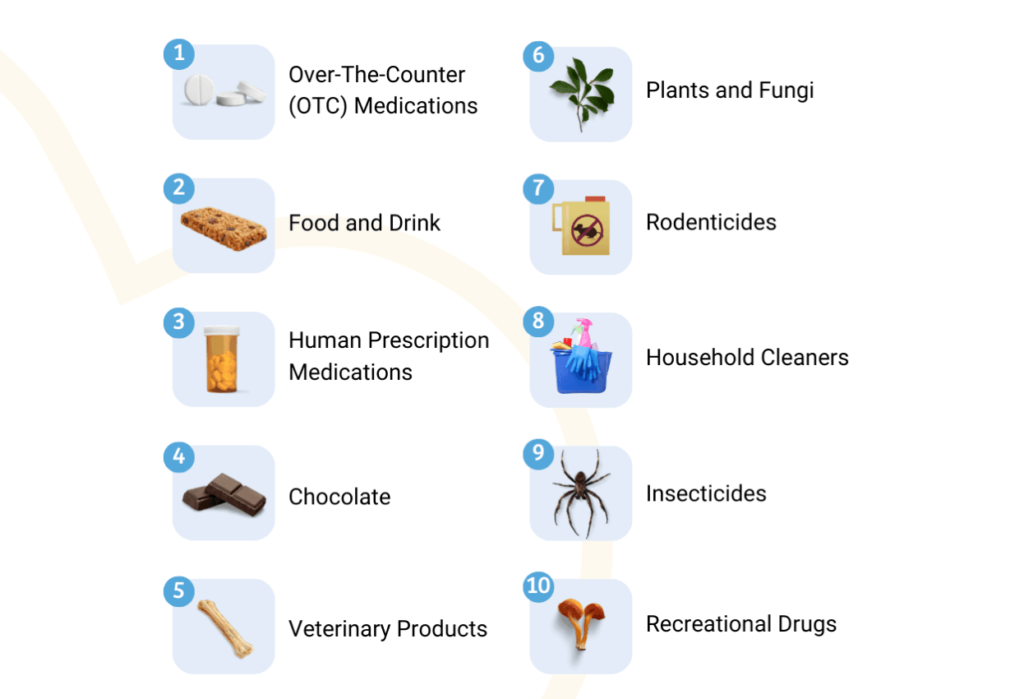
Each year, the ASPCA Animal Poison Control Center (APCC) analyzes nationwide data on toxic exposures in pets. In 2024, the APCC received over 365,000 calls related to toxic substances, highlighting the most common risks encountered by dogs and cats. This handout provides professionals with essential insights into these top toxins, helping you educate clients, prevent toxic exposures, and ensure prompt, effective treatment when needed.

Caring for young kittens in a shelter or foster setting means more than just meeting their physical needs—it’s about supporting their emotional wellbeing, socialization, and stress-free development.

This series of short, practical videos are designed to help shelter teams and foster caregivers create a healthy, low-stress environment for kittens in their care.

In this video series, you’ll learn:

  • How to create a calm, stress-free space for kittens
  • How to recognize and respond to early signs of fear, anxiety, and stress (FAS)
  • The importance of early socialization and how to set kittens up for a lifetime of confidence

Sponsored by our friends at Virox. Narration by Tabitha Kucera, CCBC, RVT, KPA-CTP, VTS (Behavior), Elite FFCP-V

Video #1 – Environment

Creating the right environment is the first step to helping kittens thrive. Watch this video to learn more about building the perfect environment for kittens to feel safe and ready for their forever homes.

Video #2 – Identifying FAS

Did you know kittens communicate through their behavior from birth? Recognizing fear, anxiety, and stress (FAS) early can make a world of difference in their development. Learn why identifying FAS can support kittens on their journey to adoption.

Video #3 – Socialization

The critical window for socializing kittens is between two and nine weeks. During this time, positive experiences with people, other animals, and new environments shape their ability to handle future stress. Discover how early socialization helps prepare kittens for their forever homes.

Creating a high-quality end-of-life period is a critical aspect of veterinary practice. Although we can’t prevent the inevitable passing of a beloved pet, we can advocate for patient comfort and support pet parents through end-of-life care decisions. Fear Free Certified® Professionals are uniquely qualified to help pets with terminal and progressive diseases overcome not only physical barriers to increased life quality but also emotional and behavioral impacts. Here, we discuss best practices to improve quality of life (QOL) during a pet’s last days.

Assessment and Planning

Effective end-of-life care begins with a thorough patient assessment and history to evaluate the pet’s current QOL, establish management goals, and develop a treatment plan in partnership with the pet owner. Many physical, emotional, and social factors contribute to patient comfort and wellbeing, with each weighted differently for individual pets. A professional QOL scale provides clients and the veterinary team with an objective measurement tool to track disease progression and QOL changes, facilitating discussions about palliative care or euthanasia.

Palliative and Hospice Care

Palliative and hospice care focus on reducing the impact of disease symptoms, improving comfort when a cure is unlikely, and supporting pet families during a pet’s final days. Many hospice caregivers provide in-home services, which can help reduce stress levels and give the family more time with the pet. Hospice care often culminates in euthanasia or a medically assisted natural death.

Supporting Quality of Life

End-of-life care should focus primarily on implementing strategies to manage pet comfort. Pet professionals should consider the following QOL assessment categories to develop effective interventions:

  • Happiness — Increase pet happiness by modifying activities they once enjoyed and continuing to provide enjoyable social interactions and play.
  • Mental state — Pets experiencing pain, cognitive decline, or other effects of chronic illness may also suffer from fear, anxiety, and stress that impacts life quality. Address behavioral changes with medications, supplements, training, calming aids, and household management.
  • Pain — Uncontrolled pain is the hallmark of reduced QOL. Address pain early and aggressively, emphasizing the importance of pain control to clients. Medications, rehabilitation, and alternative treatments are viable options.
  • Appetite — Consider appetite stimulants, antiemetics, and high-energy diets for pets dealing with anorexia or weight loss.
  • Hygiene — Pets unable to stay clean are uncomfortable and at risk for skin infections. Work with clients to find solutions that are not overly burdensome, such as bathing, diapers or belly bands, or medications to control urinary and GI conditions.
  • Hydration — At-home subcutaneous fluids are an excellent solution for keeping chronically ill pets hydrated when they are unable or unwilling to drink enough water.
  • Mobility — Poor mobility can limit a dog’s ability to interact with the world around them. Address mobility by selecting safe pain and anti-inflammatory medications and by modifying the home environment with rugs or runners to provide traction. Support harnesses and carts may also be appropriate.

Client Support

Open and empathetic communication with pet owners is essential during the end-of-life period. Veterinary professionals should provide education about the pet’s condition, prognosis, and care options and remain open-minded and non-judgemental during discussions. End-of-life care can take a physical, emotional, and financial toll on clients. Offering simple treatment regimens with the most bang for their buck can reduce the caregiving burden and prevent breakdowns in the human-animal bond.

With a compassionate approach, veterinary professionals can provide exceptional care and QOL during a pet’s final days. The Dechra Quality of Life Survey helps veterinary professionals and pet owners take a step back to objectively assess the pet’s current state and track changes over time. We encourage pet professionals to share the survey with clients and use their answers to discuss treatments and guide decision-making.

For pets facing a lymphoma diagnosis or relapse whose owners cannot or do not wish to pursue chemotherapy, consider Laverdia, an oral drug designed to target cancer cells and spare healthy ones to prolong time to progression (TTP) in canine lymphoma. Learn more about Laverdia here.

This article was reviewed/edited by board-certified veterinary behaviorist Dr. Kenneth Martin and/or veterinary technician specialist in behavior Debbie Martin, LVT.

Want to learn more about Fear Free? Sign up for our newsletter to stay in the loop on upcoming events, specials, courses, and more by clicking here.

Brought to you by our friends at Dechra.

The relationship between clients and their dogs has deepened as more people integrate their pets into daily routines, sharing everything from the food on their plates to the places they sleep. While this close harmony strengthens the mutual benefits of the human-animal bond, it also increases the chance of sharing unwanted parasites.

Ensure nothing—including fleas, ticks, and their associated diseases—can come between your clients and their canine companions with effective parasite education and prevention.

Making room for Fido: Is letting your dog sleep with you OK?

Before we explore the unseemly world of parasites, let’s pull back the covers on canine sleeping arrangements.

According to veterinary behaviorist Dr. Meghan Herron, DVM, DACVB, FFCP-V, sharing the bed with a dog is acceptable and, in some cases, advantageous for the dog or pet parent. “More and more people want that comfort and affection,” Herron said. “Having a canine companion [share your bed] can be helpful.” However, the dog’s and their owner’s comfort should be a priority. “Not every dog is going to enjoy sharing the bed,” said Herron, citing the need for undisturbed sleep or cooler temperatures as common reasons why. “Some dogs do great in a crate or sprawled out on a hardwood floor.”

While some owners worry that treating their dogs like humans (i.e., anthropomorphism) may lead to a sense of dominance or behavior problems, Herron says this is not the case, adding “there is no known correlation between these interactions and behavior issues.”

When sharing isn’t caring: Health risks

Physical closeness is an everyday way for people and dogs to grow their relationships, but without proper precautions, it can also increase their risk for certain health hazards. Fleas and ticks can easily move from dogs to humans, often unbeknownst to us as we sleep or rest. While ticks are less nimble than fleas—who can jump two feet high and 40 to 100 times their body length—unattached ticks can easily migrate from dog to owner.

In addition to causing painful bites, fleas and ticks can infest the client’s home, trigger flea allergy dermatitis, and transmit harmful diseases, including Lyme disease, Rocky Mountain Spotted Fever, ehrlichiosis, and anaplasmosis, through their saliva. Such challenges can potentially compromise the human-animal bond, as discomfort, illness, or household changes (e.g., alternative sleeping arrangements) can cause fear, anxiety, and stress in pets and people alike.

Ultimate comfort: Protecting the dog-owner bond with effective parasite prevention

Fortunately, many parasite preventive options are available for dogs that can prevent undesirable bedfellows such as fleas and ticks and help dogs and owners preserve their close relationship. “There are preventions out there that can stop parasite-related problems before they even start and help treat the problem if it has started,” Herron said.

The best product for each canine patient will depend on the dog’s preferences and comfort, and practical matters such as convenience and efficacy. The two parasiticide types include:

  • Topical products — These liquid medications are applied to the skin between the dog’s shoulder blades and are absorbed rapidly. While most dogs tolerate these products well, some may be sensitive to the physical restraint required during the application or to the applicator’s or product’s sensation on their skin. In these situations, topical products and their application can create stress for the dog and pet parent.
  • Oral products —  Oral parasiticides are available as chewable tablets or flavored chews. They can be a convenient, mess-free, and fast-acting option for dogs who readily take medication by mouth. According to Herron, these products “provide the same level of protection [as topical products], but the dog can eat it like a treat,” creating a less stressful experience for both the dog and owner.

Effective parasite prevention isn’t only about safeguarding health but nurturing and enhancing the human-animal bond by preventing infestation and disease, and associated fear, anxiety, and stress. Educating pet parents about how proper prevention protects their dog’s physical wellbeing and their ability to share in all aspects of life—from mealtime to bedtime—can help ensure more dogs and people enjoy greater health, happiness, and harmony.

This article was reviewed/edited by board-certified veterinary behaviorist Dr. Kenneth Martin and/or veterinary technician specialist in behavior Debbie Martin, LVT.

Want to learn more about Fear Free? Sign up for our newsletter to stay in the loop on upcoming events, specials, courses, and more by clicking here.

Brought to you by our friends at Elanco.

Vaccinations are critical for a pet’s health and safety, but some pet parents may be hesitant to agree with your vaccine recommendations. Pet owners may have needle phobias, be concerned about over-vaccination, or remember past visits when their pets became fearful or stressed about vaccination. Unfortunately, these reservations can mean missed appointments and unprotected pets.Fear Free Certified® Professionals now have a new tool in their arsenal to reduce fear, anxiety, and stress (FAS) surrounding vaccination visits: highly purified, low-volume vaccines from Elanco’s TruCan™ and TruFel™ Ultra line. When vaccinations are more comfortable and less stressful for pets, pet parents are more likely to follow your recommendations and keep their pet’s vaccines up to date.

Fear Free® vaccination techniques

Vaccines are one of the most common services performed in veterinary clinics, which creates daily opportunities to improve the process. Since vaccines are given as subcutaneous injections, we can apply many standard Fear Free principles to reduce FAS. Considerate approach, gentle control, touch gradient, and—of course—a steady stream of treats are great ways to reduce the chances of your patient noticing or reacting to the injection. Allowing vaccines to warm to room temperature, using small-gauge needles, and always changing the needle after pulling up the vaccine are additional techniques you can use to reduce discomfort during injections.

Pets with long-standing needle sensitivities may require pre-visit pharmaceuticals (PVPs) or in-clinic sedation to update vital core vaccines when time is limited. Otherwise, implementing a desensitization and counterconditioning program at home can help pets experiencing fear learn to accept injections.

The Elanco Ultra vaccine technology

Once pets reach a point of vaccine acceptance and cooperation, the last thing you want to do is administer a painful injection that causes them to backslide. Choosing the right vaccines can significantly impact a pet’s reaction to the injection and the likelihood of a successful Fear Free visit. Elanco’s TruCan™ and TruFel™ Ultra vaccines were designed specifically to create a better vaccination experience.

The Ultra vaccine line provides a smaller vaccine volume (0.5 mL) and up to 75% fewer proteins, attributed to Elanco’s PureFil™ technology. Unique combinations, including FVRCP plus feline leukemia for cats (TruFel™ Ultra HC2P-FeLV) and DAP plus leptospirosis 4-way (TruCan™ Ultra DAP + L4) for dogs, ensure that pets are protected with fewer needle sticks and less stress.

Talking points for clients

Vaccine conversations can be sensitive. Vaccine hesitancy isn’t new, but a great deal of misinformation about vaccines during the pandemic may leave lingering doubts in some pet owners’ minds. Clients may also worry about vaccinating their pet too much, and causing pain, discomfort, or a negative reaction.

Elanco vaccines can help you compassionately address client concerns. When a client demonstrates vaccine hesitancy, use the following points to explain how your vaccines support a Fear Free visit and lifestyle.

  • Possible reduced reaction risk — Ultra purification reduces proteins and debris, which may reduce the chance of a negative reaction.
  • Comfortable injections — 0.5mL vaccines, which are often used in human medicine, are half the volume of traditional vaccines and allow for faster administration with a smaller needle.
  • Fewer injections —  A variety of vaccine combinations reduces the number of injections required to achieve complete protection, which means fewer needle sticks.

Together with a Fear Free approach, Elanco Ultra vaccines can help transform the vaccination experience and reduce FAS for pets and their families. Learn more about Elanco’s innovative products here, or visit our Fear Free website to access our continuously updated member resources.

The label contains complete use information, including cautions and warnings. Always read, understand, and follow the label, and use directions.

PM-US-24-0284

This article was reviewed/edited by board-certified veterinary behaviorist Dr. Kenneth Martin and/or veterinary technician specialist in behavior Debbie Martin, LVT.

Want to learn more about Fear Free? Sign up for our newsletter to stay in the loop on upcoming events, specials, courses, and more by clicking here.

Brought to you by our friends at Elanco.

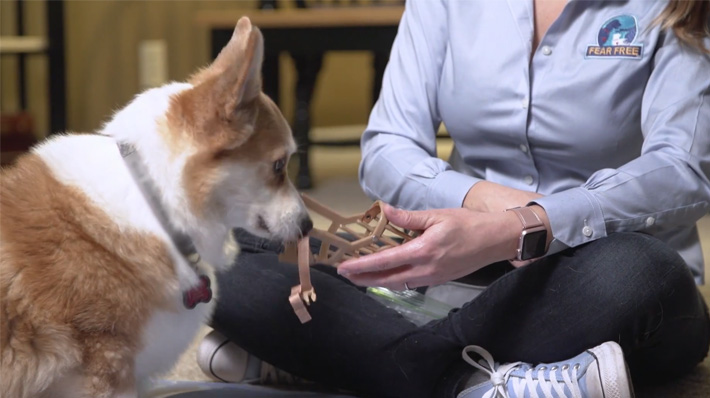
Muzzle training is essential training for a new dog. Creating comfort and ease with wearing a muzzle can help build confidence and make treatments easier for both you and the dog. Mikkel Becker, CBCC-KA, KPA CTP, CDBC, CPDT-KA, CTC, and Debbie Martin RVT, CPDT-KA, KPA CTP, VTS (Behavior), will show you how to safely and effectively muzzle train.

You must be a Fear Free member and logged in to view this webinar