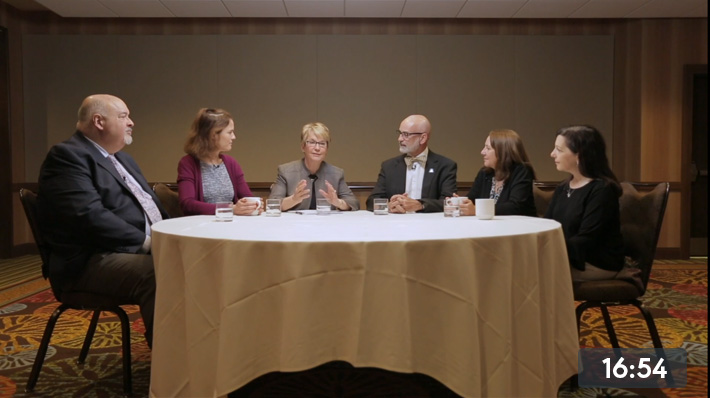
The roundtable of experts discuss how the implementation of Fear Free in hospitals can help reduce the stress of all members of the veterinary team and owners—and thus the FAS of the clients and patients. There is also a discussion on how to handle referral clients, especially those who may not be able to come back for repeated visits and how putting yourself in the place of the animal can help you to understand how to manage the hospital environment for them.

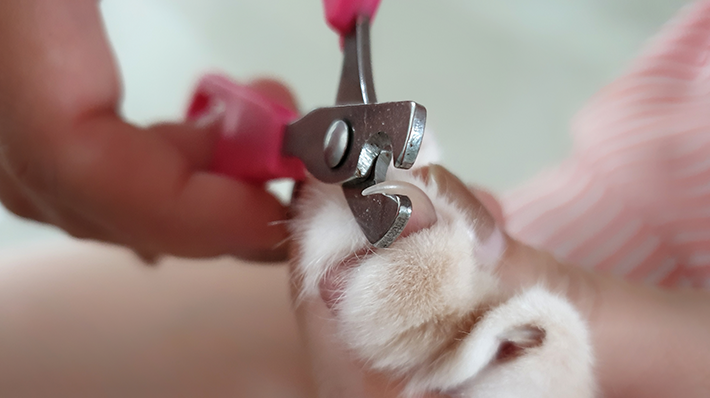


 After becoming certified, it’s not just about the how you implement the Fear Free strategies you have learned, but also how you market your newly earned certification. Being certified not only helps you practice better medicine, but it tells your clients and potential clients that you’re a step above the competition. In this podcast, we talk about how to use social media, video, email, and more to market your certification and communicate with clients.
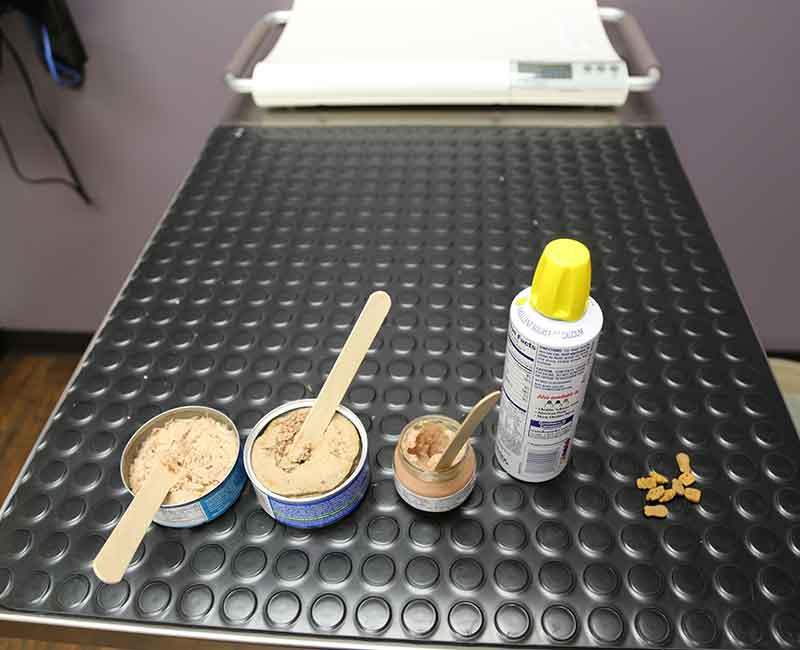
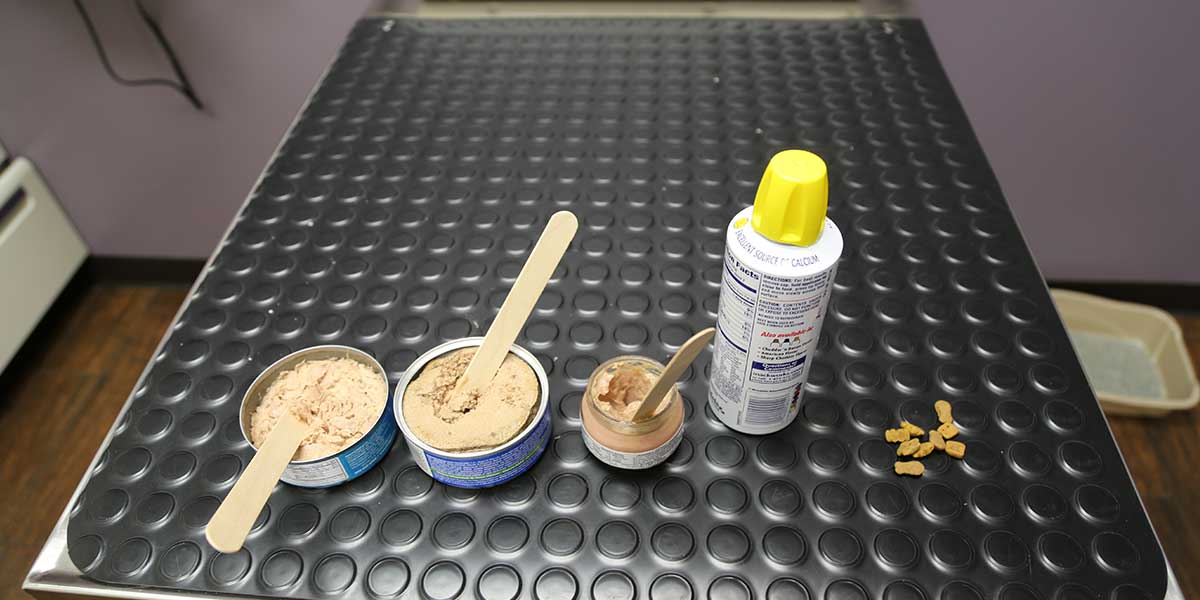 When many people think of a happy dog or a blissful cat, often images of a treat-spoiled dog or cat basking in the presence of some catnip come to mind. And it’s true. cats and dogs love those things. But when used in the right context, these seemingly simple little joys can be more than just recreational forms of happiness for our best friends. When it comes to reducing fear, anxiety, and stress in our pets during veterinary visits, the right use of treats and other tactics can make for powerful tools. In this podcast, featuring Dr. Natalie Marks of Blum Animal Hospital and Dr. John Talmadge of Bigger Road Veterinary Clinic, we talk about the treat ladder’s literal role in creating a Fear Free veterinary visit as well as its part in the larger Fear Free ideology and approach.