Blog Archives

There is tremendous opportunity in the Veterinary job market right now for those entering the profession. But how can you take full advantage of these opportunities to grow your career in the direction you want? Negotiation is a critical skill for ensuring that your compensation, responsibilities, and career trajectory align with your goals. This session will provide practical tools and strategies to help you approach negotiations with confidence and fairness, from your first job offer to future career milestones.
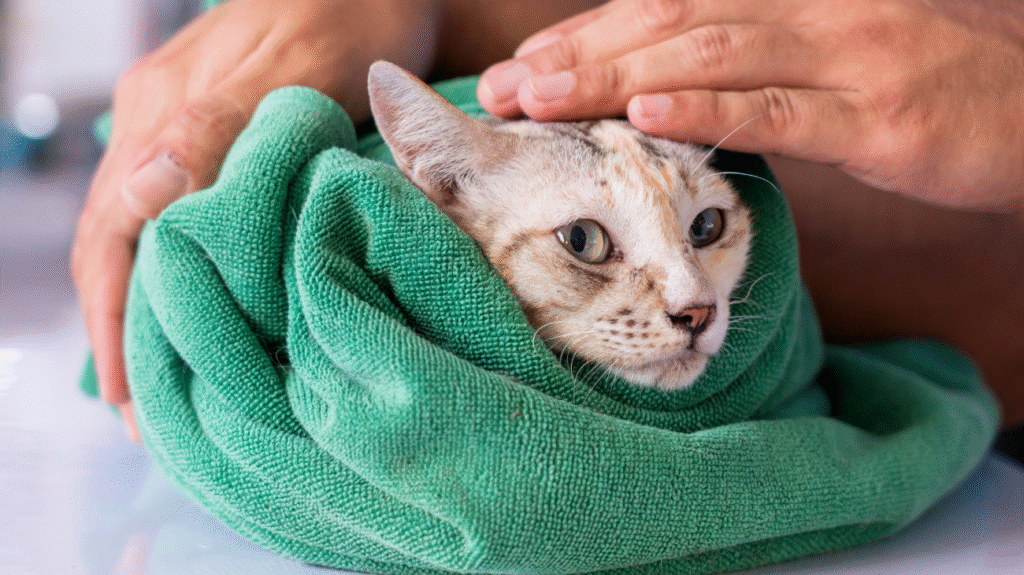

Cat in Blanket

Comforting handling and thoughtful patient preparation are essential to creating positive, efficient wellness visits. This presentation provides veterinary team members with practical, immediately applicable techniques to reduce fear, anxiety, and stress (FAS) while maintaining safety and efficiency. Through the integration of low-stress preparation, environmental awareness, and communication strategies, participants will learn how to select and apply the most appropriate handling methods for each individual patient.

Building a supportive, resilient veterinary team starts with small, intentional actions that help everyone feel valued and empowered. By understanding that burnout looks different for everyone, teams can better recognize early signs and support one another.
Join us for an one-hour webinar featuring Drea Lafever, ER VA, Elite FFCP-V, and current RVT student. In this session, you’ll explore practical tools to strengthen team support, recognize compassion fatigue, and implement proactive leadership strategies that foster resilience and overall wellbeing.

dog with xray

Learn practical, evidence-based techniques to reduce reliance on manual restraint during radiographic procedures while enhancing patient comfort, improving diagnostic image quality, and supporting a safer work environment for veterinary teams. This course combines radiation safety best practices, Fear Free principles, and hands-free positioning strategies to help veterinary professionals create efficient, low-stress radiography workflows that protect both patients and staff.

veterinarians reading chart

This course equips veterinary leaders with a complete Fear Free® preventive care system built on four pillars: Environment & Pre-Visit Planning, Handling & Procedural Flow, Communication Standards, and Team Role Clarity. Through case studies and implementation strategies, attendees will learn to build repeatable workflows that protect the emotional health of every patient.

veterinarian staff

Veterinary professionals are highly skilled at recognizing and reducing fear, anxiety, and stress in animals—but many teams struggle to apply those same principles to their workplace culture. When toxic behaviors go unaddressed or accountability is inconsistent, the result can be emotional distress, turnover, communication breakdowns, and compromised patient care.

We’ll discuss practical, experience-driven strategies for navigating conflict, promoting psychological safety, and supporting teams with compassion and clarity. Drawing from real-world clinic leadership, human resources expertise, and Fear Free principles, this course explores how courageous conversations, healthy boundaries, and consistent expectations help create veterinary environments where both people and patients can thrive.

Learners will leave with actionable steps they can implement immediately to strengthen communication, reduce team stress, and build workplaces rooted in respect, wellbeing, and shared purpose.

Neurodiversity encompasses the natural variations in human brain function and behavior, including conditions such as autism, ADHD, dyslexia, and more. In the veterinary field, understanding neurodiversity is essential for creating inclusive, supportive environments for both clients and team members. This course equips veterinary professionals with the awareness, strategies, and tools to effectively communicate, accommodate sensory and processing differences, and foster a practice culture that values all forms of thinking and interaction.

Subtle or hidden pain in veterinary patients can have a major impact on their welfare, behavior, and overall care. Recognizing and addressing these less obvious signs is essential for improving comfort and supporting effective treatment outcomes.

Join us along with Robin Downing, DVM, MS, DBe, DAAPM, DACVSMR, CVPP, Elite FFCP-V, for a one-hour RACE-approved webinar and explore practical strategies for identifying and managing subtle or chronic pain in veterinary patients.

You’ll learn:

  • An overview of chronic maladaptive pain and how it affects veterinary patients
  • Your bioethical and Fear Free obligations for identifying and treating pain
  • How to conduct a thorough pain screening evaluation
  • The steps to take once pain has been identified to support effective treatment

Pain and discomfort are often hidden contributors to problem behaviors in dogs and cats, with studies showing up to 82% of referred patients having underlying issues. Many animals mask pain, showing subtle changes in posture, movement, social interactions, or emotional reactivity that traditional exams can miss.

Join Lisa Radosta, DVM, DACVB Board-Certified Veterinary Behaviorist, FFCP-V, for a one-hour webinar and learn how behavioral observation can reveal underlying pain and illness. Real-world cases will demonstrate how pain affects learning, tolerance, and emotional responses, helping you improve patient welfare and treatment outcomes.

You’ll learn:

  • Behavioral indicators of pain in dogs and cats, including subtle changes in activity, social behavior, and responsiveness
  • How to observe patients and conduct a touchless pain exam
  • How pain trials interact with behavior medications
  • Ways to incorporate behavioral observation into routine pain assessments to improve early detection and guide more effective multimodal treatment strategies