
Blog Archives

Subtle or hidden pain in veterinary patients can have a major impact on their welfare, behavior, and overall care. Recognizing and addressing these less obvious signs is essential for improving comfort and supporting effective treatment outcomes.

Join us along with Robin Downing, DVM, MS, DBe, DAAPM, DACVSMR, CVPP, Elite FFCP-V, for a one-hour RACE-approved webinar and explore practical strategies for identifying and managing subtle or chronic pain in veterinary patients.

You’ll learn:

  • An overview of chronic maladaptive pain and how it affects veterinary patients
  • Your bioethical and Fear Free obligations for identifying and treating pain
  • How to conduct a thorough pain screening evaluation
  • The steps to take once pain has been identified to support effective treatment

Pain and discomfort are often hidden contributors to problem behaviors in dogs and cats, with studies showing up to 82% of referred patients having underlying issues. Many animals mask pain, showing subtle changes in posture, movement, social interactions, or emotional reactivity that traditional exams can miss.

Join Lisa Radosta, DVM, DACVB Board-Certified Veterinary Behaviorist, FFCP-V, for a one-hour webinar and learn how behavioral observation can reveal underlying pain and illness. Real-world cases will demonstrate how pain affects learning, tolerance, and emotional responses, helping you improve patient welfare and treatment outcomes.

You’ll learn:

  • Behavioral indicators of pain in dogs and cats, including subtle changes in activity, social behavior, and responsiveness
  • How to observe patients and conduct a touchless pain exam
  • How pain trials interact with behavior medications
  • Ways to incorporate behavioral observation into routine pain assessments to improve early detection and guide more effective multimodal treatment strategies


Trust is essential in every veterinary interaction, influencing relationships with your team, clients, and patients while enhancing communication, reducing stress, and promoting positive outcomes.

Join us along with Angela Logsdon, LVT, RVT, CVT, ABCDT, CCFP, FFCP-V, for a one-hour webinar and discover how veterinary teams can use behavior and body language to strengthen trust throughout the clinic.

Pain management in veterinary medicine is influenced not only by clinical protocols but also by the culture and dynamics within the clinic. Understanding how team attitudes, communication, and leadership shape pain recognition and treatment can improve patient welfare and reduce stress for everyone involved.

Join us along with Michael Petty, DVM, for a one-hour webinar and discover how practical strategies can support effective, Fear Free pain protocols across your veterinary team.

You’ll learn:

  • Recognize the importance of teamwork in pain management
  • Identify cultural barriers that can lead to undertreatment
  • Apply new techniques and approaches for managing pain patients
  • Modify handling to align with Fear Free standards and reduce stress

Trust is a cornerstone of every successful veterinary appointment, shaping interactions between the pet, the client, and the veterinary team. Building and maintaining trust intentionally can improve communication, reduce stress, and create calmer, more productive visits for everyone involved.

Join us along with Sherie Yuschak, RVT, VTS (Behavior), KPA-CTP, Elite FFCP-V, for a one-hour webinar and learn practical strategies to strengthen the human-animal-vet bond through communication, emotional awareness, and Fear Free handling techniques.

You’ll learn:

  • The core elements of trust and how they benefit relationships with patients, clients, and veterinary teams
  • Methods to increase trust in patients and within your team
  • Verbal and non-verbal communication skills that reinforce trust
  • How to recognize risks that can break trust and strategies to rebuild confidence after a breach

The veterinary profession is built on relationships as much as skills. Having the right mentors and a strong professional network can open doors, provide guidance, and support long-term career success.

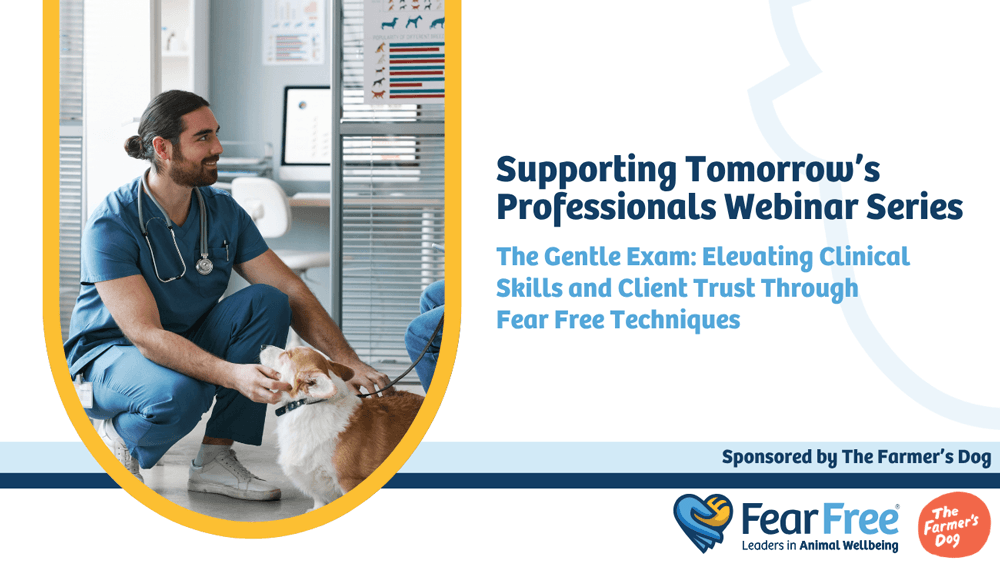
Join us for part one of the Supporting Tomorrow’s Professionals Series, ‘Building Your Veterinary Network—Finding Mentors and Making Connections’ with Stacy Pursell, CPC/CERS, founder of The VET Recruiter, and learn how to identify mentors, connect authentically, and grow a supportive community throughout your career.

You’ll learn:

  • Why mentorship matters for both career growth and personal wellbeing
  • How to identify potential mentors and approach them effectively
  • Networking strategies that feel genuine rather than forced
  • Ways to leverage both in-person and online opportunities
  • How to maintain and nurture long-term professional relationships

Please note: This webinar is for Academia members only.

Implementing Fear Free principles into your practice goes beyond individual patient interactions. It requires team alignment, consistent client communication, and systems that build trust at every stage.

Join us along with Colleen S. Koch DVM, DACVB, FFCP-V, Dipl. American College of Veterinary Behaviorists, to learn how to apply Fear Free principles in daily operations, strengthen team collaboration, improve client relationships, and enhance the patient experience. This webinar will highlight the three pillars of trust: Patients, Clients, and Teams, and how they work together to support high-quality, sustainable care.

You’ll learn:

  • How operational behaviors and workflows within certified practices can reinforce Fear Free standards
  • Communication practices that promote consistency and confidence in patient handling across the team
  • Practical coaching techniques to support ongoing adoption of Fear Free principles within the hospital
  • How to identify and improve trust-building touchpoints before, during, and after the patient visit

Please note: This webinar is for Certified Practice members only.