Blog Archives

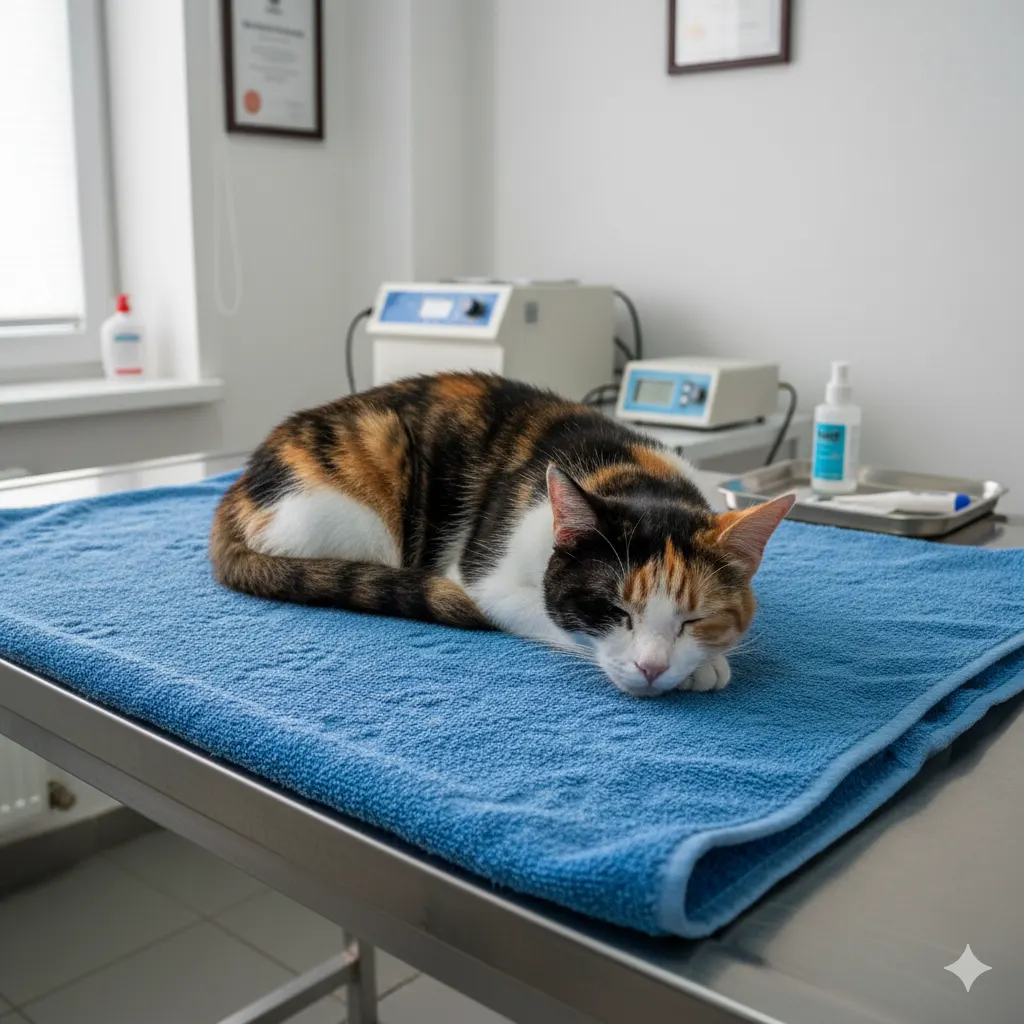
In “Micro-Moments of Trust in the Clinic,” you’ll explore how small, often unnoticed actions can significantly influence patient and client emotional safety. By the end of this course, you will be able to identify these micro-moments during routine clinical interactions, explain their impact, and select Fear Free aligned actions to support trust in your daily workflows. You’ll gain a deep understanding of how these moments foster trust and reduce fear, anxiety, and stress in veterinary settings.


Mindful Veterinary Practice: Reducing Stress for Teams and Patients is a practical, science-based course designed to help veterinary professionals recognize, manage, and reduce stress in themselves, their teams, and their patients. Through an integrated Fear Free approach, learners explore how stress shows up across people, animals, environments, and workflows, and how mindfulness and lifestyle medicine principles can be applied in real clinical settings.
This course combines neuroscience, behavioral awareness, and actionable tools to support emotional regulation, improve patient cooperation, and foster a calmer, more resilient clinic culture. Learners gain practical strategies they can use immediately, from recognizing early stress signals and preventing escalation, to creating sensory-friendly environments and embedding mindfulness into daily workflows. The result is safer handling, stronger teamwork, improved well-being, and more compassionate patient care.

The gut does more than digest food—it plays a vital role in how pets experience fear, anxiety, and stress. Understanding the connection between the microbiome, emotional wellbeing, and physical discomfort can transform the way we care for animals.

Join us along with Robin Saar, RVT, VTS (Nutrition), MSc (Candidate), FFCP-V, for a one-hour RACE-approved webinar that uncovers the links between gut health and behavioral and physiological responses in dogs and cats. Discover practical approaches to supporting the microbiome to improve patient care, reduce stress, and enhance overall wellbeing.

Feline behavioral challenges can be complex, and addressing them effectively requires a combination of medical insight, behavior assessment, and practical intervention.

Join us along with Claudia Richter, DVM, DACVB, FFCP-V, for a one-hour webinar, where you’ll explore real-world approaches to managing feline behavior cases and supporting cats and their caregivers in everyday life.”

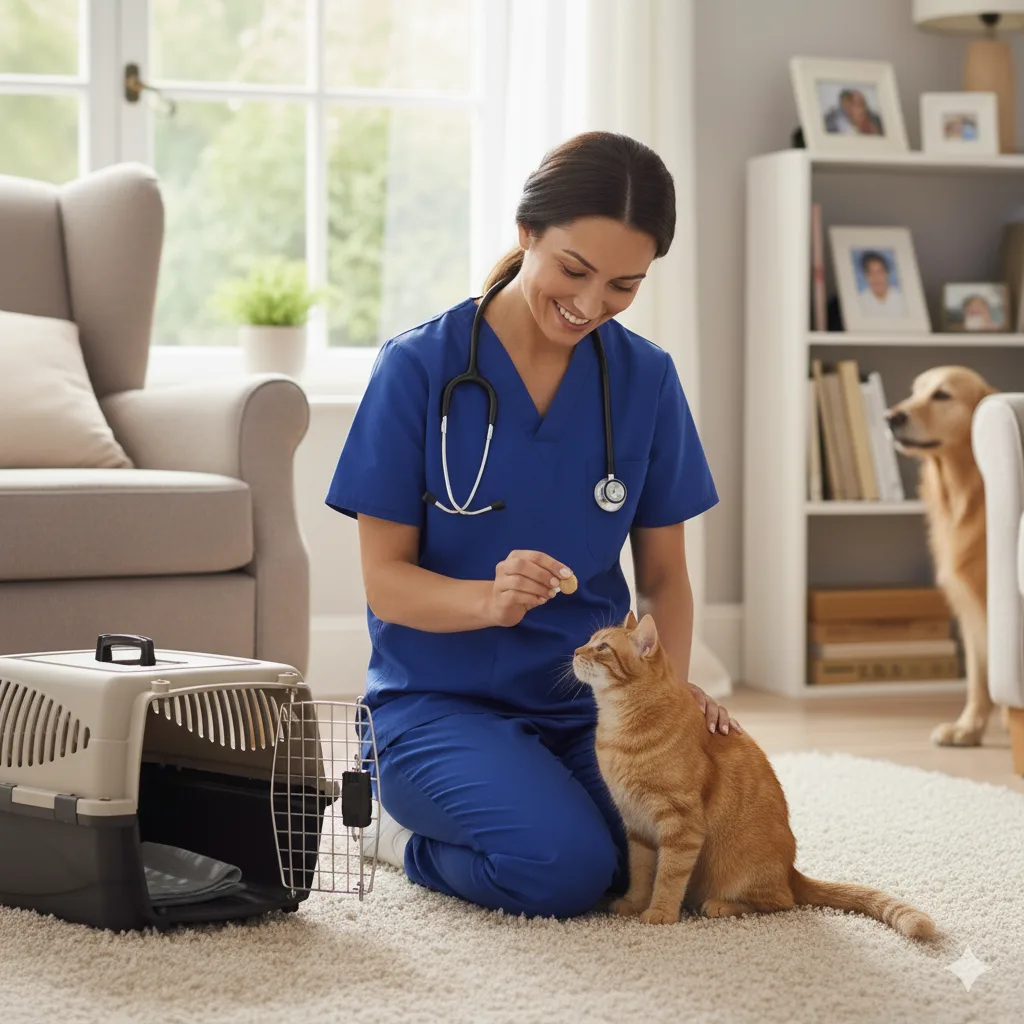
Helping cats at home can be challenging when fear and anxiety are involved. Pet sitters and mobile veterinary professionals provide vital care, but visits from unfamiliar people can make even routine treatments stressful.

Join Julie Liu, DVM, FFCP-V, for a one-hour RACE-approved webinar, and discover practical ways to make in-home feline care calmer and more effective. You’ll walk away with strategies to prepare before a visit, build trust with cats and their caregivers, and provide common treatments with minimal stress.

You’ll learn:

How to gather key information and create a pre-visit plan that sets every cat up for success

Positive handling techniques to make administering medications and treatments calmer

Tips for giving oral medications effectively while keeping stress low

Veterinary professionals regularly face stressful and emotionally charged situations, which can contribute to burnout, compassion fatigue, and reduced quality of care. This course introduces five practical “60-second stress resets” that can be performed anytime, anywhere, without equipment. Learners will explore the science behind micro-resets, practice each technique, and identify opportunities to apply them in real clinical situations.

This micro-course supports individual well-being, enhances team resilience, and helps maintain patient-centered care by teaching veterinary professionals how to pause, reset, and sustain focus throughout their shifts.

Helping animals with behavior challenges goes beyond addressing what’s obvious; it means understanding how their health and environment shape their actions.

Join us along with Claudia Richter, DVM, DACVB, FFCP-V, for a one-hour RACE-approved webinar, as she’ll guide you through evaluating behavioral cases, identifying potential medical contributors, and applying practical strategies that support both emotional and physical wellbeing.

You’ll learn:

  • How to recognize behavioral signs that may point to underlying medical issues
  • How to consider medical differential diagnoses for different behavioral signs
  • Diagnostic steps to take when a medical disorder is suspected
  • How to create treatment plans that address both behavioral and medical needs

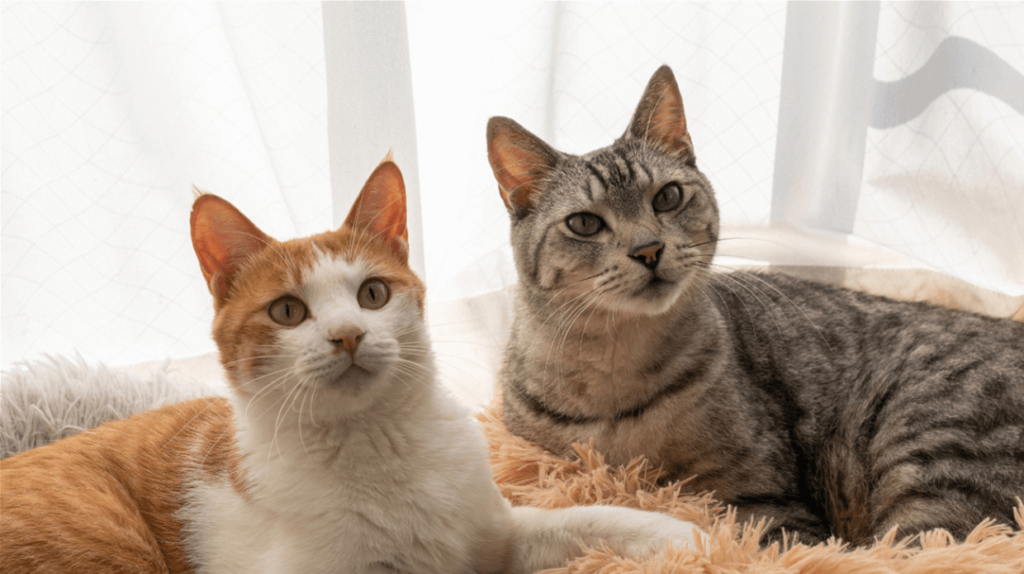
Multi-cat households can be rewarding but they can also present challenges when cats experience conflict. This webinar provides practical guidance for veterinary teams to support clients in creating peaceful, structured, and stress-free home environments for their cats.

Join Debbie Martin, LVT, VTS (Behavior), FFCP-Elite, KPA-CTP, as she walks through real-world cases, demonstrates practical strategies, and provides actionable guidance for preventing and managing inter-cat conflict.

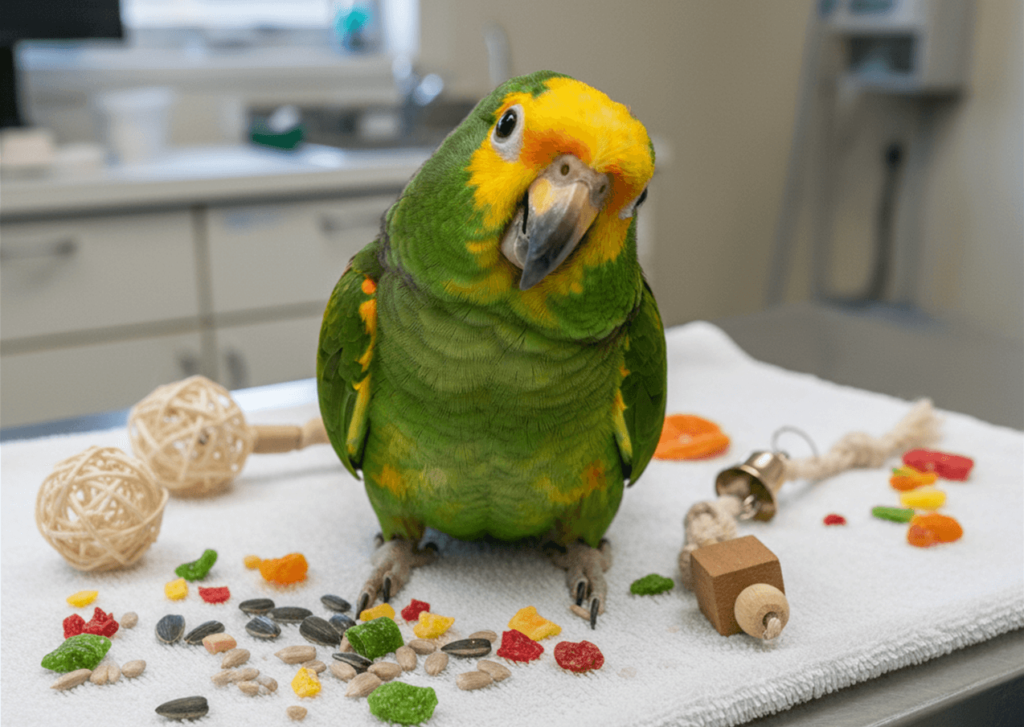
Caring for birds means more than meeting their basic needs; it requires understanding their natural behaviors and providing enrichment that supports both physical and mental wellbeing.

Join Cassie Malina, CPBT-KA, CPBC, FFCP-T, for a practical, case-based session where she’ll explore ways to create engaging, species-appropriate environments for birds and share practical strategies to support their natural behaviors every day.

This course introduces veterinary professionals to the Fear Free approach specifically tailored for feline patients. Through a series of focused lessons, learners will explore communication strategies, considerate handling techniques, touch gradients, appropriate use of rewards, and gentle control methods. Practical scenarios and case studies will help reinforce strategies for reducing fear, anxiety, and stress (FAS) in cats during veterinary visits. Learners will leave equipped with the knowledge and resources to integrate cooperative care into daily workflows, creating a better experience for cats, clients, and veterinary teams.