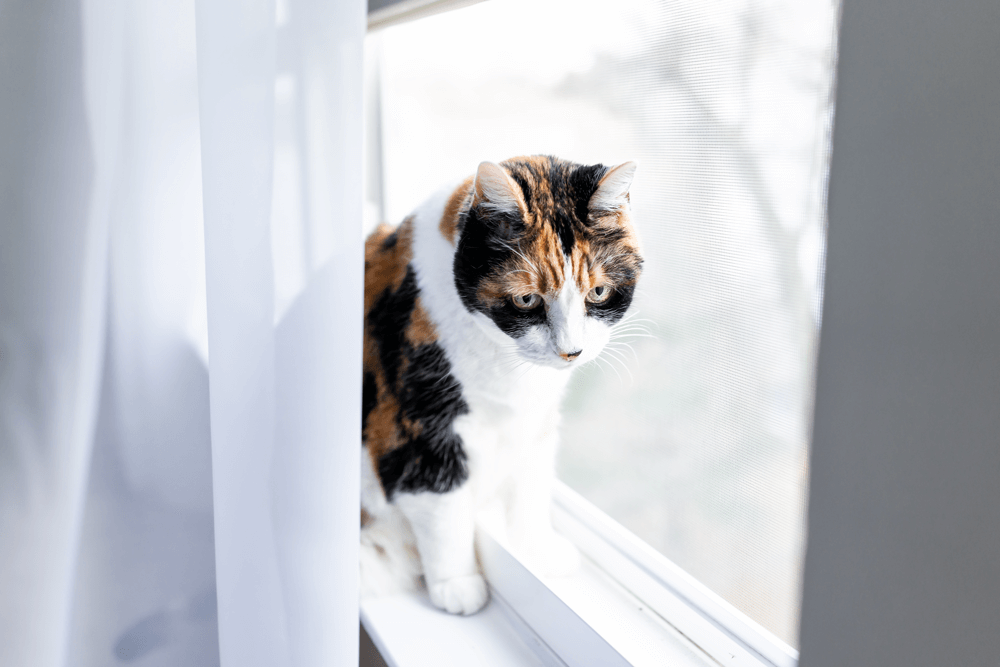
Why the behavioral changes clients observe at home can be the most important clues to feline pain.
The Gap Between Home and Clinic
Cats are naturally inclined to mask discomfort, and that tendency is often amplified in a clinical setting. Stress and hypervigilance can suppress behavioral pain cues entirely, which means the signs most likely to inform your assessment are often happening at home, not in the exam room.
An estimated 70% of cats do not receive regular veterinary care (CATalyst Council, Feline Market Insights Report Vol II, 2025), and chronic pain is a leading contributor to delayed diagnosis and reduced quality of life in feline patients. The behavioral shifts that signal something is wrong, including changes in appetite, grooming, mobility, mood, and vocalizations, are most observable in a familiar home environment.
What Clients Can Watch For
Helping clients know what to look for between visits is one of the most practical things a Fear Free practice can do. Common signs worth tracking include:
| Appetite | Changes in how much is eaten or how often the food bowl is visited; eating on one side of the mouth, dropping food, drooling, or pawing at the mouth may signal oral or dental pain. |
| Thirst | Changes in drinking behavior: visits to the water bowl and amount of water consumed may increase or decrease |
| Touch | Increased sensitivity to touch: either avoiding touch or becoming irritable or aggressive when touched |
| Mobility | Reluctance to move/jump: slow, hesitant, stiff and/or deliberate movements |
| Grooming | Little to no grooming: dull, greasy, matted and/or soiled coat; Overgrooming, especially if in a localized area. |
| Elimination | Lack of bladder/bowel control: increase in accidents outside the litterbox, especially if they are close to or near the box. |
| Hiding | Increase in hiding and/or hiding in unusual places |
| Energy | Changes in energy level: less energy, lethargic |
| Mood | Changes in mood: disoriented, confused, disinterested, or restless at night |
| Vocalizations | Changes in vocalizations: meowing excessively, persistent crying, yowling, or totally silent. Note – purring isn’t always a sign of happiness. |
| Play | Changes in frequency and intensity of play: decrease in play and/or doesn’t respond to favorite toys |
| Posture | Changes in posture: increased time crouching, hunching or lowering of head, sitting in an unusual way – sticking a leg out or favoring a side |
If a client notices one or more of these signs, it is worth a conversation with your team.
A Note on Sylvester
Recognizing pain early is an important part of Fear Free care. When subtle changes are identified sooner, veterinary teams can intervene earlier, helping prevent discomfort from escalating and reducing the stress associated with delayed diagnosis or unrecognized pain.
Sylvester offers veterinary practices a purpose-built tool designed to support this goal. Using computer vision and established feline pain science, Sylvester helps identify subtle behavioral and facial changes that may indicate pain, providing clinicians with additional insight to guide proactive care. When used by pet parents at home, it may also capture behaviors that are easier to observe when cats are relaxed in their normal environment.
By supporting earlier conversations about health and wellbeing, tools like Sylvester can help veterinary teams strengthen relationships with clients while creating calmer, more compassionate clinical experiences for cats.
Click here to download a resource you can provide to your clients to help them spot the early signs of pain in cats.
To learn more about Sylvester, visit www.sylvester.ai
Fear Free Certified Practices can learn more about a special offer by logging into their account and visiting: https://www.fearfree.com/friend/sylvester-ai/