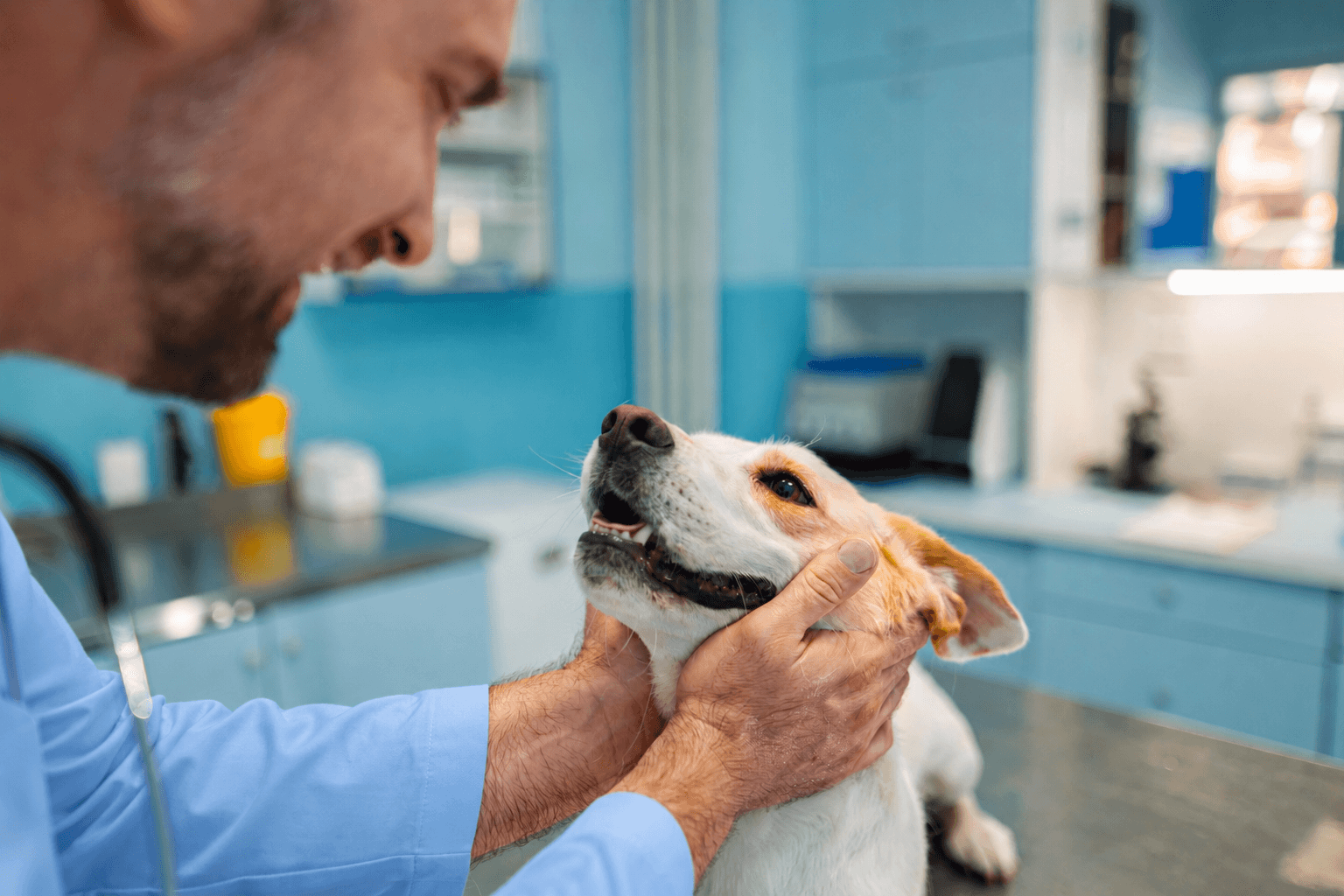
In addition to clinical expertise, pet parents are also looking for reassurance that their pet will feel comfortable during a veterinary visit.
From trembling in the waiting room to hesitating at the clinic door, veterinary visits can be stressful for many pets. That experience can influence not only patient wellbeing, but also client satisfaction, retention, and willingness to return for care.
While many factors contribute to that experience, one often-overlooked element is the sensory environment—particularly how a clinic smells.
The Role of Scent in the Veterinary Setting
Dogs experience the world primarily through scent. When entering a clinic, they are not simply seeing a new space, but processing layers of smells left behind by other animals, people, and previous experiences.
Cats, while different in behavior, are also highly sensitive to changes in their environment, including scent.
Within a clinical setting, pets may encounter:
- Strong or unfamiliar chemical odors
- Residual scent signals from previous patients
- Lingering biological odors
For many animals, this combination can feel overwhelming and may contribute to fear, anxiety, and stress (FAS).
What Pet Parents Are Looking For
Pet parents today are thinking beyond clinical outcomes. They are increasingly aware of how their pet experiences a visit and are asking:
- Will their pet feel safe and comfortable?
- Will the visit be calm and supportive?
- Does the clinic prioritize the pet’s emotional wellbeing?
These perceptions play an important role in how clients choose and remain loyal to a veterinary practice.
Why the Environment Matters
Fear Free principles emphasize that reducing fear, anxiety, and stress is not the result of a single action, but rather the combination of many thoughtful decisions.
This includes:
- Handling and restraint techniques
- Communication with pet parents
- Clinic layout and workflow
- The overall sensory environment
Pets interact with the clinic environment differently than people do. They move through the space with direct contact to floors and surfaces, while continuously processing scent cues throughout their visit.
Because of this, environmental factors—including cleaning protocols—can influence how a patient responds from the moment they enter the clinic.
The Role of Disinfectant Selection
In addition to infection control, disinfectants contribute to the sensory experience within a clinic.
Thoughtful product selection can help:
- Reduce lingering odors that may contribute to stress
- Avoid introducing strong or overwhelming fragrances
- Support a cleaner environment without adding unnecessary sensory inputs
Some veterinary practices incorporate products such as Rescue® disinfectants, a Fear Free Preferred Product, as part of their broader approach to creating a more comfortable environment. These products are designed to:
- Help break down odor-causing compounds
- Be free of added fragrances
- Be appropriate for use on surfaces pets frequently contact

When combined with other Fear Free strategies, these choices can help reduce environmental contributors to FAS and support a more positive experience for patients.
Communicating a Commitment to Comfort
Many of the steps taken to reduce stress happen behind the scenes. Communicating these efforts can help build trust with pet parents.
For example, practices may share messaging such as:
“Products and protocols are selected to reduce common sources of stress, including strong smells and lingering odors, helping create a more comfortable experience for patients.”
This type of communication reinforces that patient comfort is an intentional part of care, not an afterthought.
Three Ways to Reinforce a More Comfortable Experience
1. Focus on the Experience
Rather than emphasizing specific products, practices can frame their approach around what it means for the patient experience. Highlighting efforts to reduce stress—particularly when aligned with Fear Free principles—demonstrates a commitment to patient comfort.
2. Recognize and Reduce Fear, Anxiety, and Stress
Not all pets respond to veterinary visits in the same way. Recognizing early signs of discomfort and taking steps to reduce them is a key component of Fear Free care. Clear communication around this approach helps build confidence with pet parents.
3. Make the Invisible Visible
Many aspects of a lower-stress environment are not immediately obvious. Sharing information about how pets experience the clinic environment, steps taken to reduce stress, and what makes the practice different can help strengthen trust and reinforce value.
A More Thoughtful Approach to Care
Training, handling, and clinical expertise all play an essential role in veterinary care. At the same time, the environment patients experience can influence how a visit begins and how it progresses.
By taking a thoughtful approach to the full experience—including how a clinic looks, feels, and smells—veterinary practices can help create an environment where pets feel more comfortable and better able to receive care.
For many practices, this includes selecting products such as Rescue® disinfectants, which are fragrance-free and designed to help reduce odor-related stressors as part of a broader strategy to support patient comfort.
Learn More about Rescue® Disinfectants.